

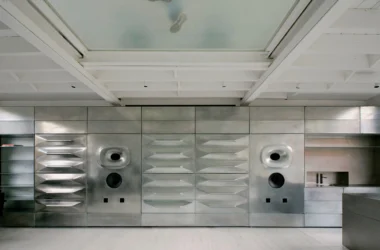
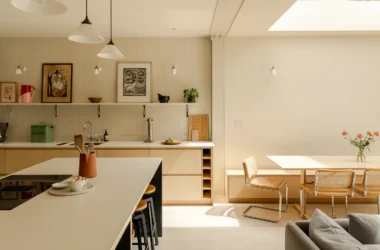
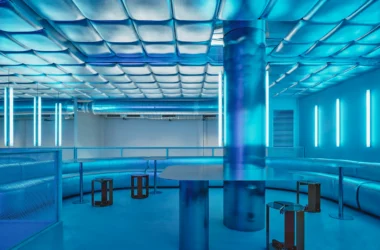
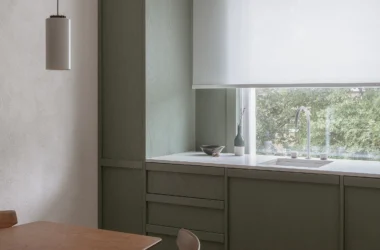
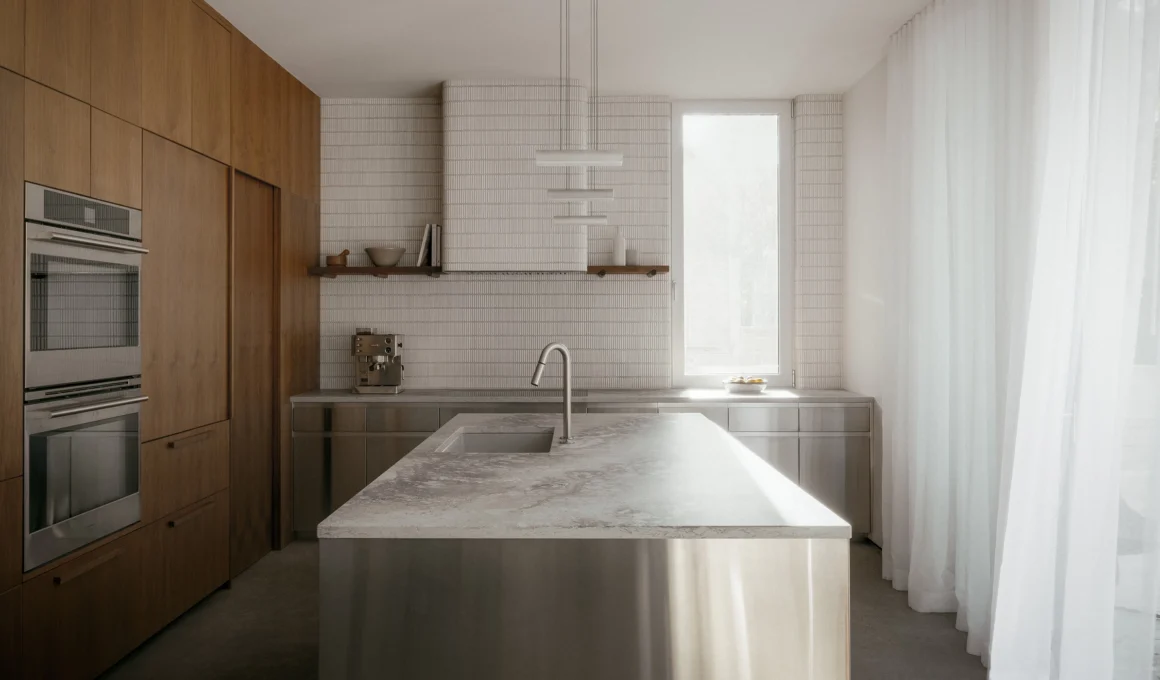
Long confined to the realm of appliances or purely functional catering spaces, stainless steel has undergone a profound aesthetic metamorphosis. Today, luxury residential kitchen systems are embracing it as the primary material, elevating it from a utilitarian choice to an emblem of sophisticated design and timeless durability. The modern stainless steel kitchenis the culmination of a refined industrial aesthetic, blending hygiene and resilience with a powerful statement of minimalism.
From Utilitarian to Artistic: The Rediscovery of the Industrial Aesthetic
The material’s leap from the assembly line to the luxury loft is no accident. Architects and designers, inspired by the material’s constructional clarity and performance, have leveraged its properties to create spaces that stand the test of time.
As the master of minimalism, Tadao Ando, suggested:
“The essence of Minimalism is simplicity, but simplicity without depth is merely cheap.”
Today’s stainless steel kitchens embody this “depth,” using the metal’s purity to highlight craftsmanship and geometric precision.
The Triumph of Functional Minimalism
The reasons why steel dominates high-performance kitchens are both practical and conceptual:
- Hygiene and Durability: The non-porous surface is inherently hygienic and resists heat, corrosion, and staining. The material’s practical advantages, which include the superb durability and maintenance of stainless steel, make it a superior choice compared to many traditional countertop and sink materials.
- Extreme Longevity: Stainless steel boasts an exceptional lifespan, often exceeding fifty years with minimal maintenance.
- Sustainability Credibility: It is one of the most recyclable building materials globally, aligning with the demands of contemporary luxury design focused on sustainability.
The Transformed Material: New Finishes that Redefine the Tactile Experience
The cold, highly reflective chrome steel has largely disappeared, replaced by finishes that play with light and tactile perception. Kitchen manufacturers are now experimenting with new textures to soften the harsh industrial aesthetic:
- Brushed or Satin Stainless Steel: This matte finish is the most popular in residential design. It reduces the visibility of fingerprints and minor scratches, offering a more subdued and warmer appearance.
- Black Stainless Steel: A disruptive trend that combines the strength of steel with a dark matte coating, ideal for projects demanding a dramatic, contemporary look.
- Custom Finishes: Many brands offer islands and countertops pressed from a single sheet of metal with seamless welding, transforming the entire kitchen island into a monolithic metal sculpture.
The New Typology of Luxury: Monolithic Steel Kitchens
The contemporary high-end kitchen is defined by its essentiality. Brands like Bulthaup, Boffi, and Poliform have perfected the concept of the kitchen block that disappears or transforms.
The Island as a Professional Sculpture
In luxury design projects, the stainless steel kitchen island is no longer just a work surface, but the heart of the home, often conceived as a single piece of metal furniture.
These professional-grade islands integrate:
- Flush cooktops and seamlessly welded sinks (for perfect hygiene).
- Concealed storage systems, hiding functionality behind flush doors.
- Surfaces treated to withstand heavy use, bringing the performance of a chef’s kitchen directly into residential kitchens.
Material Pairings: Softening Steel with Nature
The true mastery in using stainless steel at home lies in contrast. The metal, with its reflective surface, interacts dynamically with light and surrounding materials.
Architect Renzo Piano, in describing the role of light, provided insight into steel’s character:
“Light has not only intensity, but also a vibration, which is capable of roughening a smooth material, of giving a three-dimensional quality to a flat surface.”
This vibration is what makes steel an ideal partner for organic and tactile materials. Contemporary designers pair it with:
- Warm Wood: Light oak, walnut, or teak to contrast the metal’s coolness and add a sense of Scandinavian welcome.
- Matte Stone: Dark marbles or raw granites for a tactile mix that balances the steel’s sheen with an earthy gravity.
- Concrete or Brick Walls: To enhance the industrial aesthetic, creating an honest dialogue between raw materials and professional grade finish.
The Flexibility of the Future: Modular Stainless Steel Systems
The latest evolution in luxury design is the modular system. Brands like Vipp (with its flexible kitchen modules) or semi-custom professional systems allow users to assemble their kitchen based on needs, like a set of interchangeable metal furniture.
These modular systems offer:
- Scalability: The ability to add or subtract modules over time.
- Ease of Installation: Entire blocks are pre-assembled and installed with millimeter precision.
- Consistent Performance: Every element, from the handle to the countertop, is manufactured with the same stainless steel rigor for total coherence.
Stainless steel is not a trend, but a perennial choice. Its purity, resilience, and capacity to elevate the functional into a sculpture of luxury design ensure it will remain at the core of the most ambitious residential kitchens for decades to come. It is the surface that speaks of material honesty and unparalleled performance.