



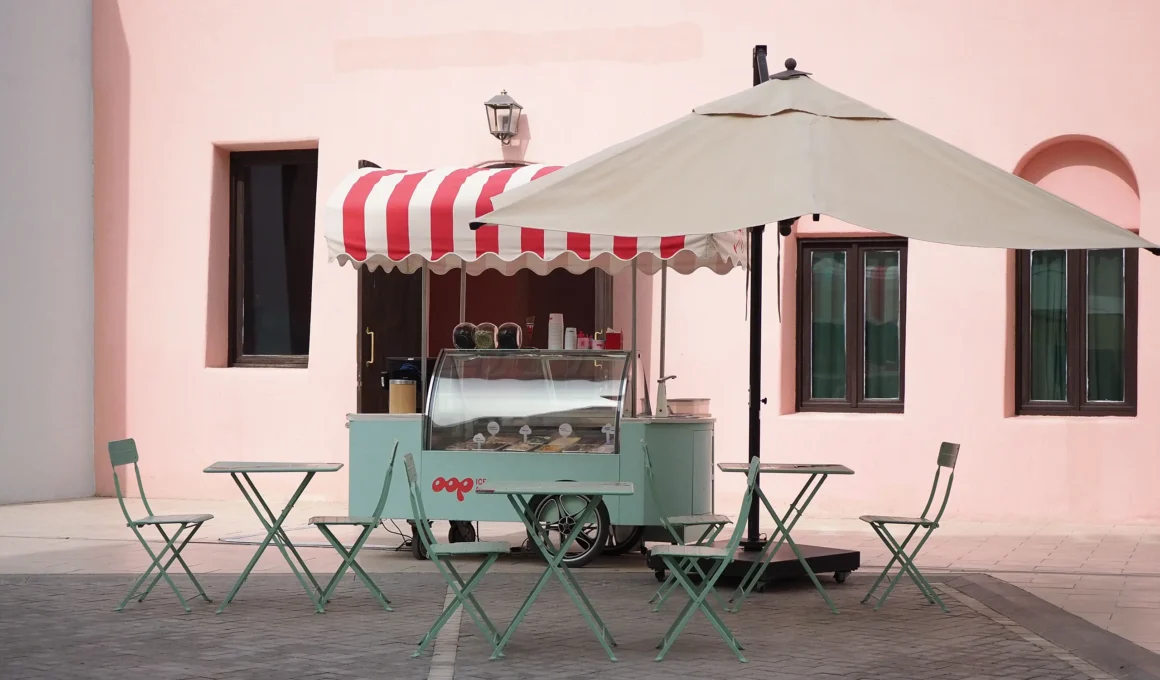
Walk through any modern city, and you’ll notice how quickly its spaces can change. An empty lot becomes a weekend market, a quiet park hosts an outdoor cinema, and a street corner suddenly has everything from food stalls to temporary shops. These short-term uses are becoming a more familiar part of city life, giving people new ways to work, shop, eat, socialize, and explore without relying on permanent infrastructure.
What makes this shift interesting is how much flexibility it brings. Instead of designing every urban space around one fixed purpose, cities can adapt them to what people need at a particular time. Temporary, on-demand services and installations are helping make that possible, creating urban environments that can respond to changing demands while giving businesses, communities, and visitors more ways to use nearby spaces.
The Rise of Temporary Urban Interventions
Pop-ups are short-term projects, services, or events that take over public or private space for a limited time. While the idea isn’t entirely new- think of seasonal farmers’ markets or traveling fairs- its modern use has exploded in scope and creativity. Today, you can find everything from pop-up retail shops in shipping containers and gourmet food trucks in parking lots to outdoor cinemas in parks and mobile art galleries on sidewalks. This surge in popularity comes from several factors.
For entrepreneurs and creators, the pop-up model offers a low-risk way to test a business idea, build brand awareness, and connect with customers without the heavy financial commitment of a long-term lease. For city planners and developers, these interventions are a powerful tool for activating underused spaces, gathering data on public behavior, and adding vibrancy to neighborhoods. These temporary urban solutions can act as real-world experiments, letting cities test new public space configurations or amenities before committing to permanent, costly changes. The result is a more agile and responsive approach to urban development, where the city itself becomes a laboratory for innovation.
Flexibility in Public Space Utilization
One of the biggest impacts of pop-up culture is how it re-imagines public space. Historically, urban areas were designed with fixed functions: a park was for recreation, a plaza for gathering, a street for transit. Temporary interventions break down these rigid boundaries, adding flexibility that lets a single space serve multiple purposes depending on the time of day, week, or year. An empty courtyard can become a lunchtime food hub on weekdays, a craft market on Saturday, and an open-air concert venue on Sunday evening.
This approach, often called “tactical urbanism,” uses light, quick, and inexpensive solutions to show a space’s potential. For example, pop-up parks can transform vacant lots or even on-street parking spots into green oases, providing much-needed recreational space and improving the local microclimate. By showing a need and a workable solution, these temporary projects often pave the way for permanent improvements. This adaptability makes cities more resilient, allowing them to quickly repurpose infrastructure to meet evolving social, economic, and environmental challenges. It fosters community ownership and engagement as residents see their surroundings change and improve.
Enhancing Visitor Convenience in Cities
For travelers and urban explorers, pop-up services provide critical convenience that can dramatically improve their experience. Navigating a new city often comes with logistical hurdles, from finding a quick meal to dealing with luggage before check-in or after check-out. On-demand amenities can take some of that hassle out of the day, giving visitors more time to enjoy their time. If you’re spending a few days in Edinburgh, for instance, arriving at Waverley Station early in the morning can leave you with several hours to fill before your accommodation is ready. Rather than dragging your luggage around the city, you can stow your bags a short walk from Waverley Station and head out to explore.
Today, distributed service networks offer a seamless solution. This simple service turns a potentially frustrating four-hour wait into a valuable opportunity to discover the city. The same idea applies to mobile charging stations at festivals, temporary bike rental stands near transit hubs, and pop-up visitor information centers during major events. These services fill the gaps left by traditional infrastructure, providing targeted support exactly when and where it’s needed most. They empower visitors to be more spontaneous, maximizing their time and creating a more positive, stress-free impression of the city.
Designing for Spontaneity and Access
The success of pop-up services depends on how easily people can discover and use them on impulse. This requires thoughtful design that prioritizes visibility, simplicity, and accessibility. Unlike permanent establishments that can rely on reputation and fixed-location marketing, temporary interventions must grab attention and communicate their value almost instantly. Bright colors, clear signage, and an inviting atmosphere are essential. Many successful pop-ups also have a strong digital presence, using social media and location-based apps to announce their location and attract customers.
Technology plays a crucial role in connecting the physical service with the digital user. QR codes can provide instant access to menus, schedules, or booking platforms, while mobile payment systems streamline transactions. This digital integration is one of the key pop-up public space trends that makes these services so effective. Beyond technological access, pop-up design often creates a more inclusive social environment. Their temporary, informal nature can feel less intimidating than a formal restaurant or traditional retail store, encouraging a wider range of people to engage. By lowering barriers to entry for both business owners and customers, pop-up design cultivates a culture of spontaneity that enriches the urban fabric.
The Future of On-Demand Urban Amenities
As cities continue to grow and densify, demand for flexible, responsive, and human-centered services will only increase. The future of on-demand amenities lies in deeper integration with smart city infrastructure and a more systematic approach to deployment. We might see cities develop designated “pop-up zones” with pre-installed utilities, making it even easier for temporary businesses to set up shop. Modular, prefabricated architectural systems could enable rapid deployment of everything from emergency housing to cultural venues.
However, this future also brings challenges. Cities will need to create clear yet flexible regulations that support innovation while ensuring public safety, fair competition, and quality control. Establishing strategic urban guidelines for these indeterminate spaces will be essential for balancing spontaneity with stability. The relationship between temporary and permanent businesses will need careful management to ensure a healthy, diverse local economy. Ultimately, the goal is to create a hybrid urban model where permanent infrastructure provides a stable foundation and on-demand services add a dynamic layer of adaptability and choice.
Pop-up services have fundamentally changed what we expect from the urban environment. They’ve shown that cities can be platforms for experience, experimentation, and connection. As this movement matures, it promises to make our cities more convenient, engaging, and responsive to the needs of all who use them.