



In a time demanding radical shifts toward sustainable living, the Hungarian architecture collective Projectroom has unveiled a compelling, low-impact family residence in the historic town of Szentendre, just north of Budapest. This remarkable dwelling, known simply as the Hempcrete House, comes as a powerful chance to redefine the firm’s philosophy: that true well-being stems not from material excess, but from temperance and a profound connection to natural materials and local resources. The resulting architecture is a powerful statement against growth-oriented thinking, prioritizing local needs and a smaller, more meaningful footprint.
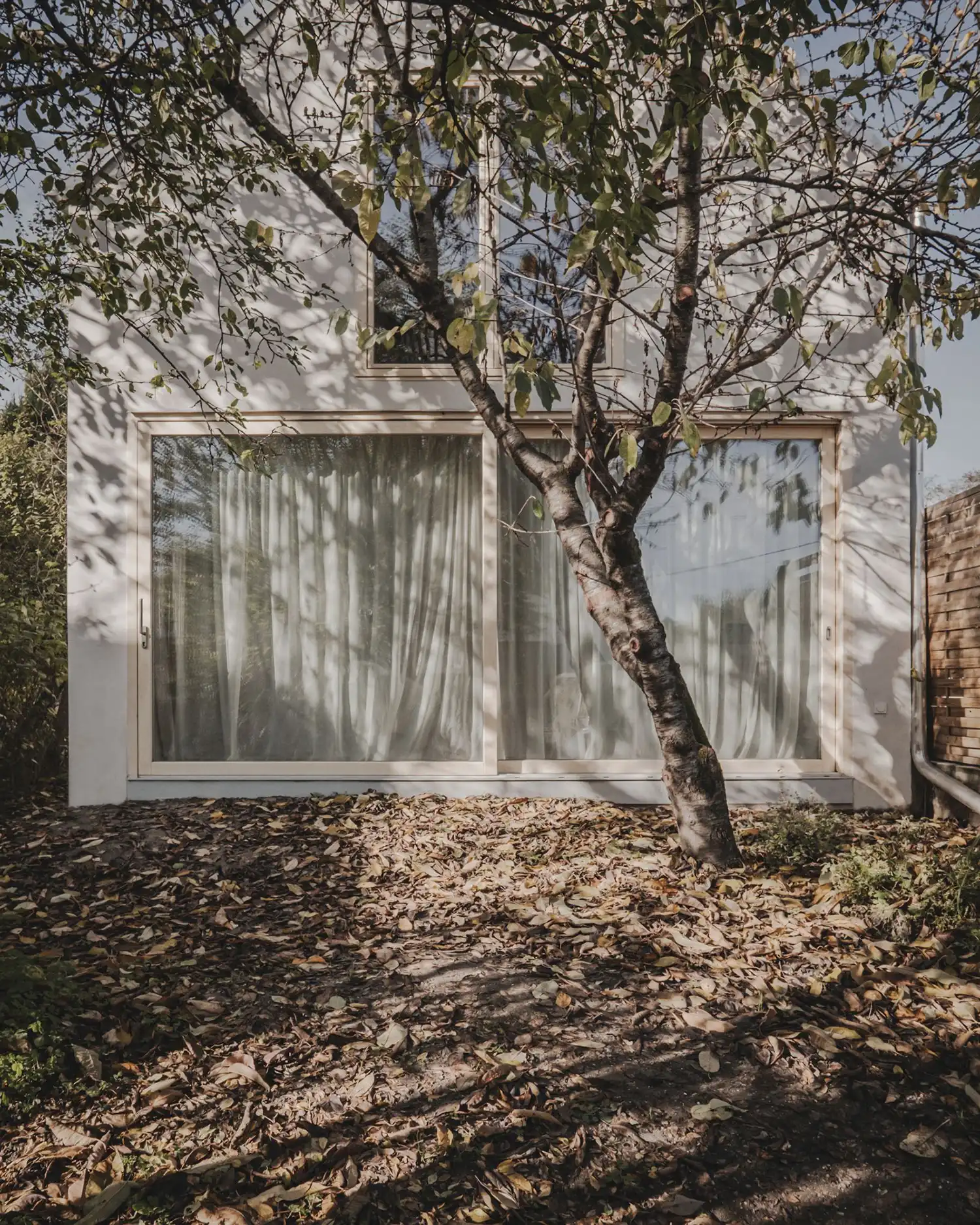
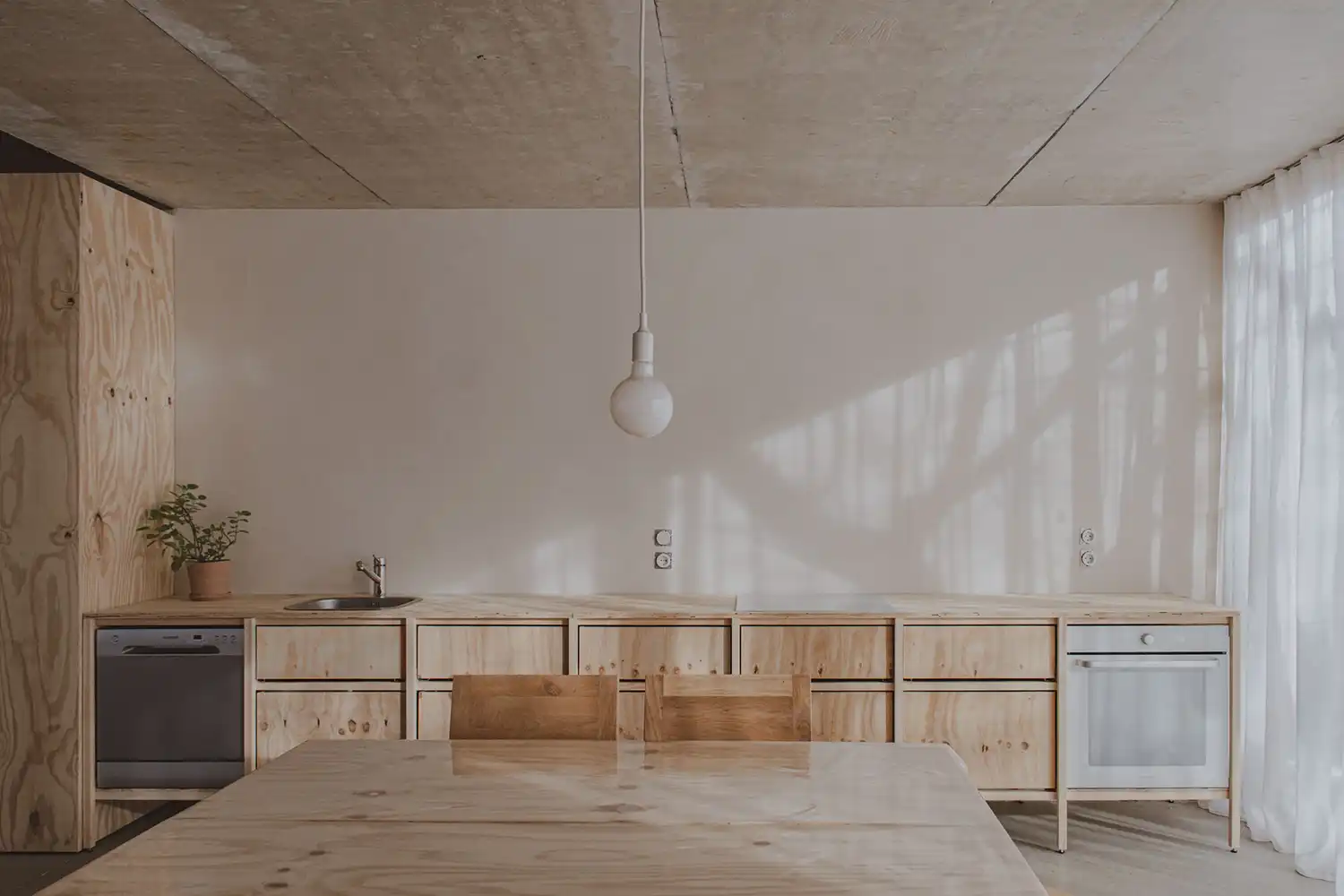
This unique family home emerged from a deeply personal search for an appropriate space within an intensive cultural environment, leading the architects to a seemingly impossible, yet perfectly situated, small plot in the dense, irregular urban fabric of Szentendre. Instead of conforming to typical suburban typologies, the house is neither freestanding nor built strictly to the property line; it is simply appropriate for its reclaimed, formerly abandoned block. Designed on a low budget and a deliberately small floor area, the structure shuns unnecessary passages and extraneous spaces, creating a highly proportionate and simple dwelling tailored precisely to the occupants’ life. The ground level, lacking a formal entrance, opens directly into the garden, allowing the main living area—a flowing, single space save for the bathroom—to establish a vital symbiosis with the garden.
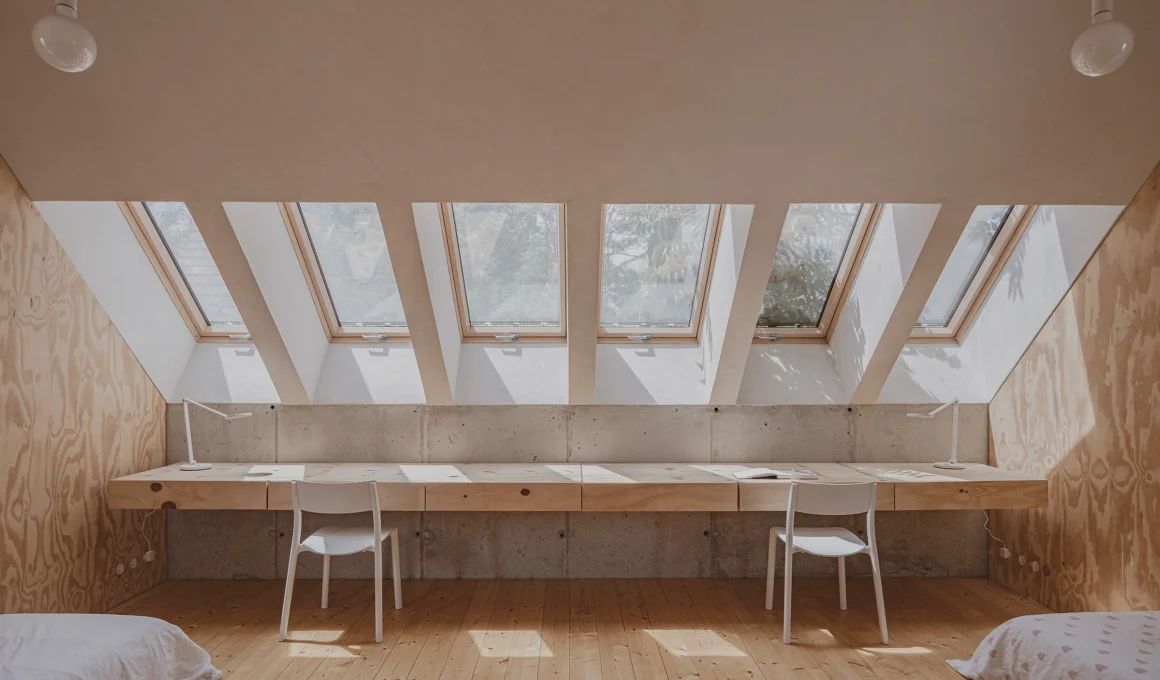
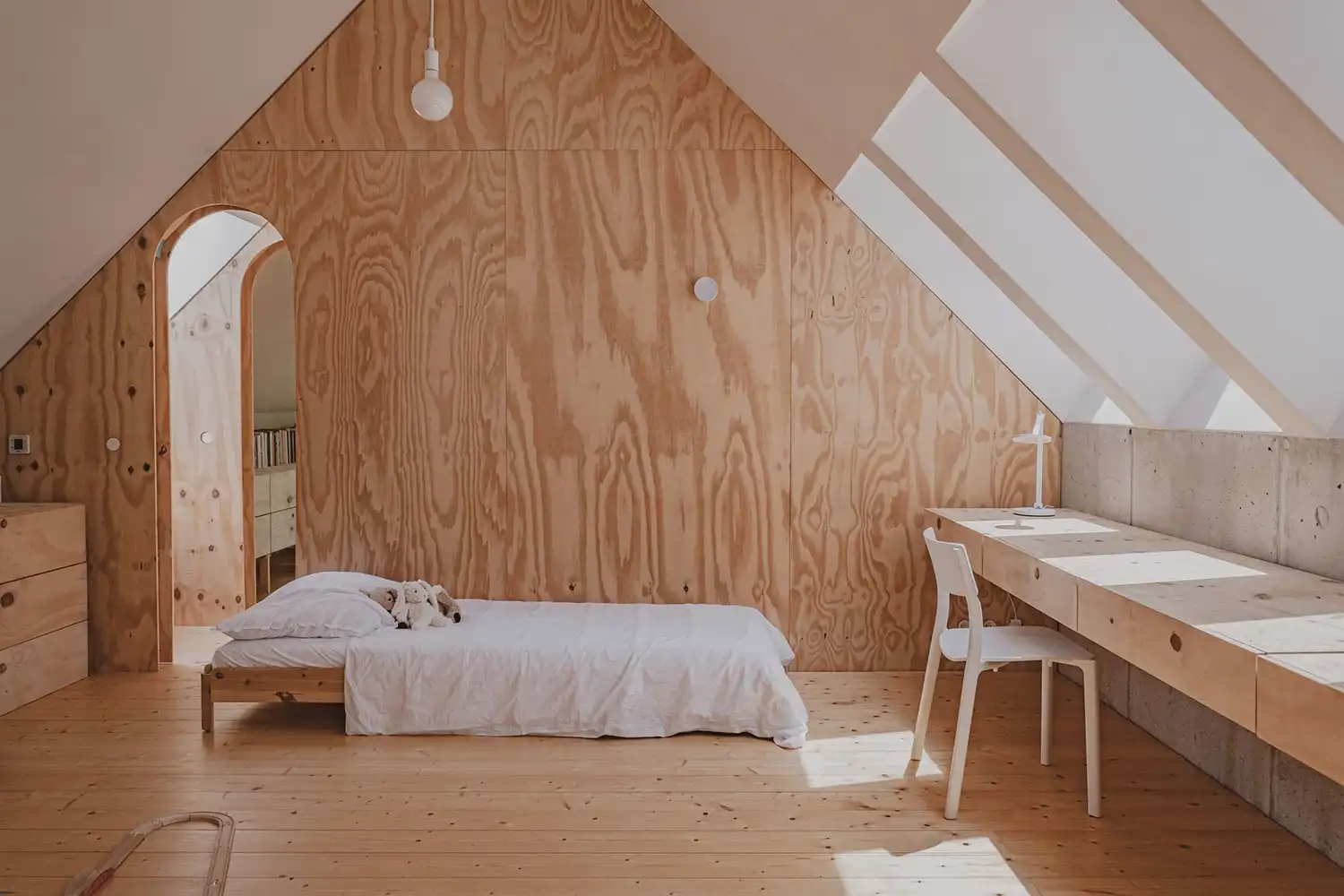
The modest dimensions continue into the attic, where four rooms are organized efficiently across the small span, also without passages. A key feature is the children’s wing, which is currently interconnected, defined by a continuous row of windows that transform the space into a versatile studio for playing, creating, and studying. This adaptable configuration highlights a core principle of the project: the essential need for flexible adaptability, which applied not only to the final design but to the construction process itself. From halfway through, the build transitioned into an unplanned family cooperation, embracing a collective construction method known locally as ‘kaláka.’
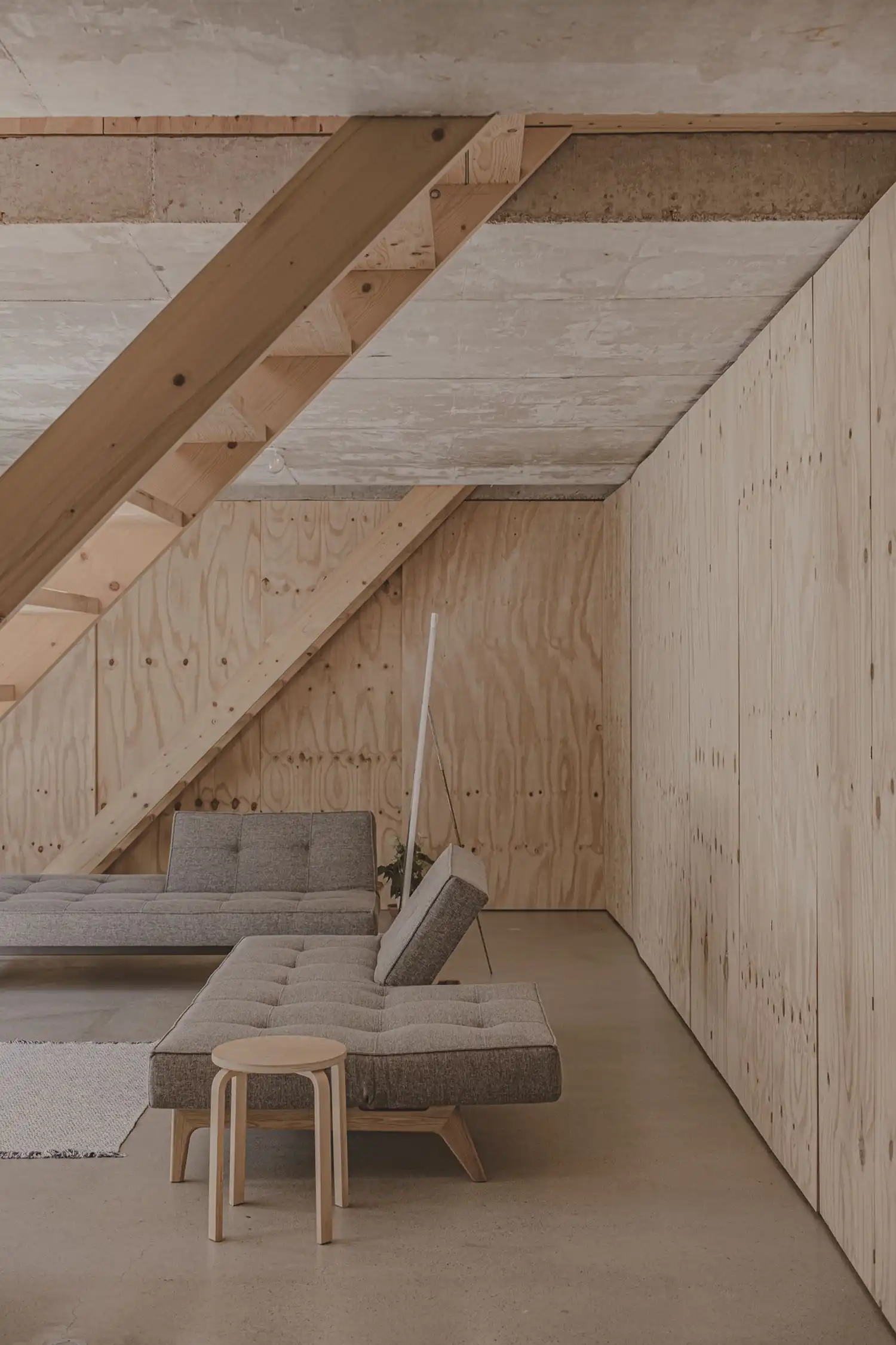
The building’s revolutionary material approach is central to its ecological importance. The structure consists of a reinforced concrete and wooden frame, which is meticulously filled with hemp concrete, a material used both for the walls and the roof. This homogenous use of materials results in an almost identical layer structure, crucially implemented without an internal vapor barrier in the attic. Beyond its superior thermal insulation abilities, hempcrete’s production requires minimal carbon dioxide emissions and actively absorbs carbon dioxide as the hemp plant grows, making the house a true carbon-conscious dwelling. Furthermore, the material’s high lime content ensures the structure breathes and naturally cleans the indoor air.
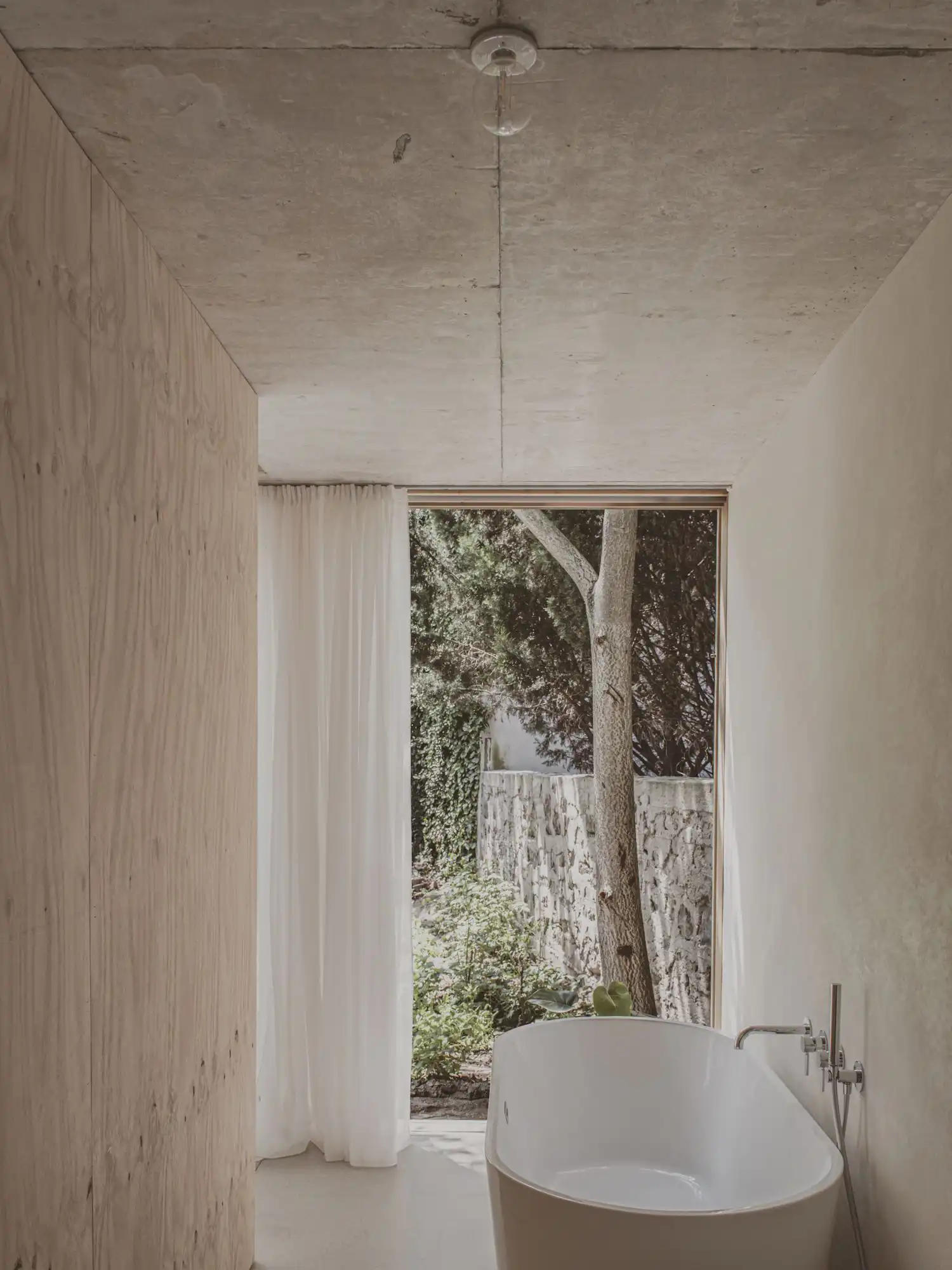
The deliberate choice of raw, unprocessed surfaces creates a distinct and honest aesthetic quality. The slow-solidifying nature of the hemp concrete required a unique construction method using a wooden pallet frame, finished with a lime mortar plaster. Exposed sections of the reinforced concrete structures reflect a new, unexpected beauty; their raw, unsmoothed and unpainted surfaces, thanks to the natural scaling, exhibit a stone-like appearance. This material honesty extends to the interior furniture, where raw, third-rate Elliotis pine plywood is intentionally used. Any perceived lack of inherent quality is intentionally compensated by the material’s intense pattern and the meticulously constructed, unique frame structures made by the family, demonstrating a commitment to craft and experimental design.
Ultimately, Projectroom’s Hempcrete House is more than just a house; it’s a fully realized, integrated manifesto for a necessary paradigm shift. It proves that a real home can be created through flowingspaces and carefully selected raw, natural materials, bordered by walls and roofs made of hemp. The experience, which even saw the family creating their own custom lamp fittings and furniture, embodied the true freedom found in design and construction, resulting in an inspiring example of how architecture can truly reflect a commitment to a sustainable society and intentional living.