

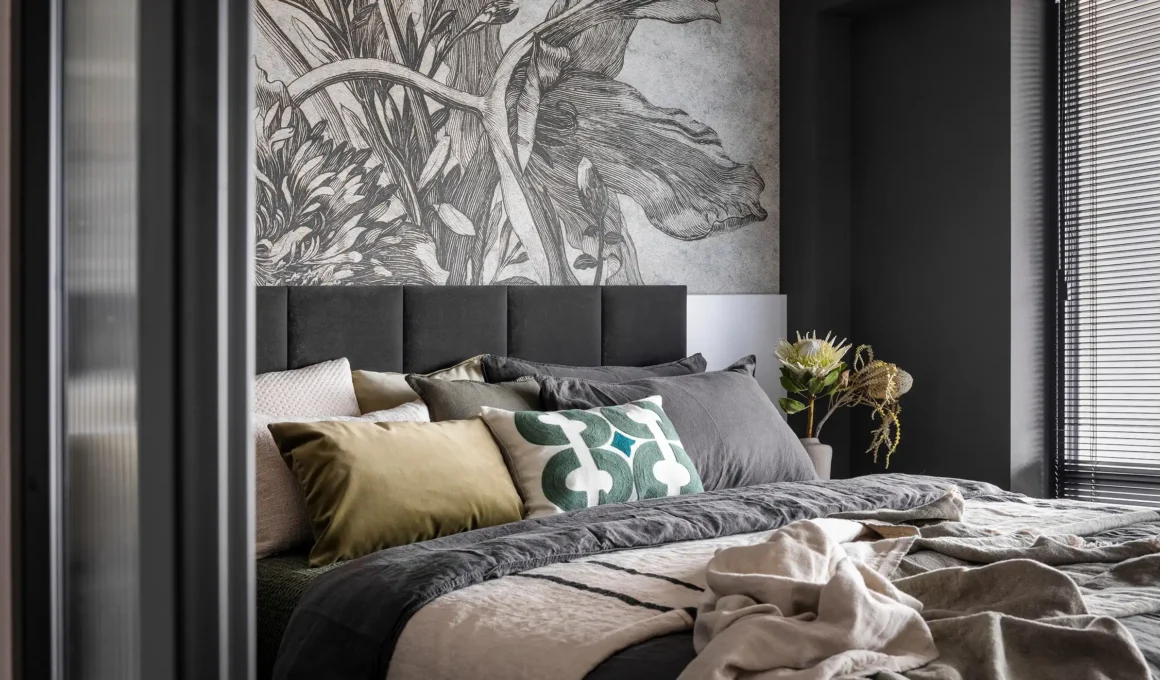
Vogue recently published its guide to current design trends, and one trend that is fast rising in popularity is shambolism, also known as “sensual chaos.” Traditionally, stylish homes have been associated with symmetry, tidiness, and flawlessness. But what if there was a way to embrace the uneven brushstroke, the unexpected overlap of materials, the way something imperfect feels alive and so much more like home than cold perfection. Design is not about leaving your living spaces in a mess or getting behind on maintenance tasks. Instead, it’s about telling stories through your design choicesand creating layers of texture.
Creating Personal Meaning
If you have a collection of travel mementos, heirloom pieces, or photographs stored in a chic trunk in your basement, take a trip down memory lane. See if any items can tell your life stories and where you’ve been. From a stunning glass Murano sculpture to a carved wooden signature piece from the Philippines, unique items are great conversation starters about your life. With shambolism, you don’t have to buy the latest trending piece in the right color. You can invest in a few seasonal items, combining them with what you already have. If you enjoy displaying artwork, not everything has to be perfect. You can display old photograph collages in cool cream or elegant black frames, bringing all the attention to the people, environment, or situation captured by the lens.
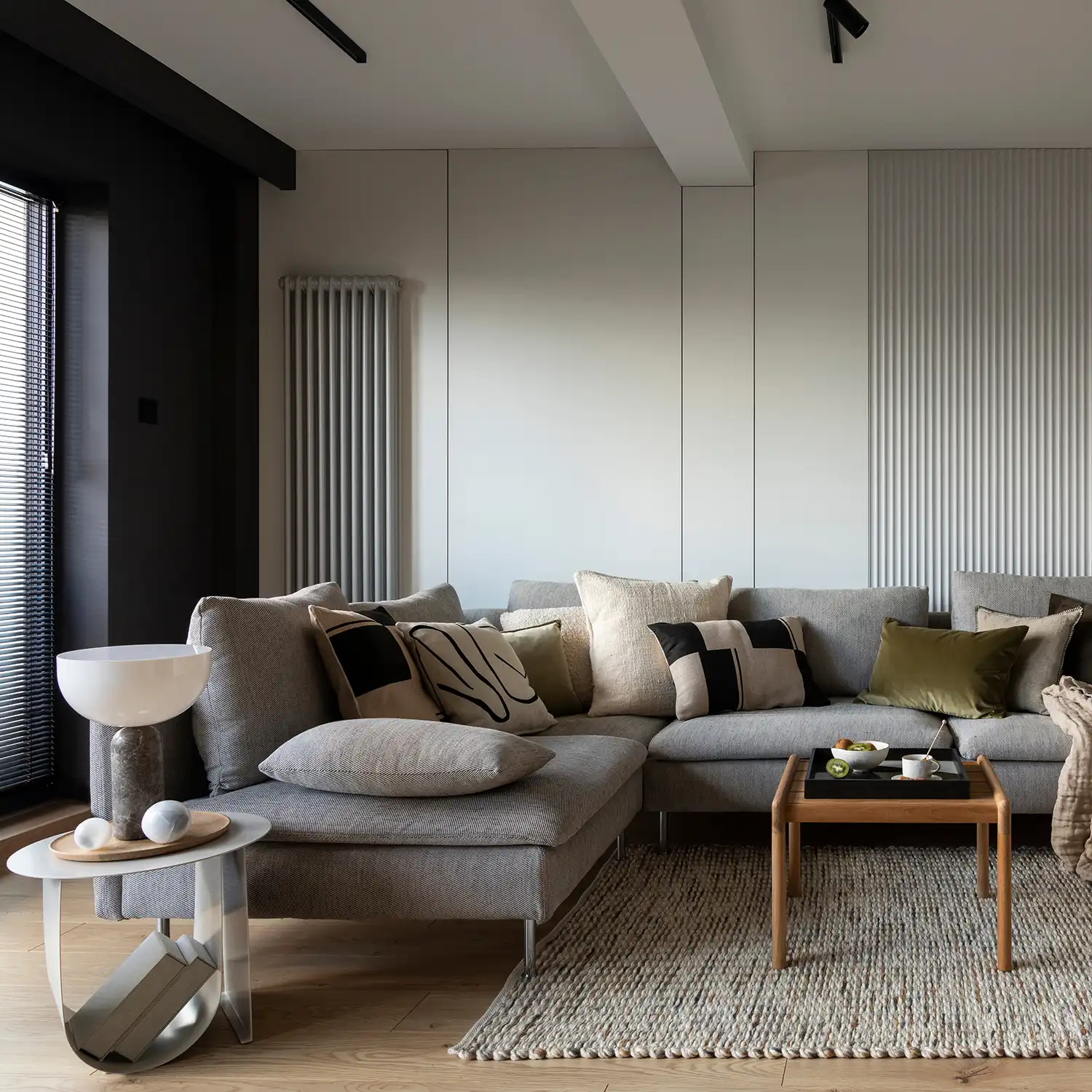
Celebrating Stylized Imperfection
Shambolism involves embracing elements like visible brushstrokes in painting, cracks, charming asymmetries, or irregularities. In homes that are not yet timeworn, these elements can be purposely created by incorporating items like distressed wood pieces, dining tables with burnish marks, worn Chesterfield sofas, or cabinets and dressers with stained wood and aged hardware. Patina is particularly effective at indicating the passage of time, and it can easily be incorporated into key pieces of the home, such as iron or brass bed frames or headboards. Shelving units, meanwhile, can capture a sense of curiosity by blending solid wood and aged metal materials.
Emulating Organic Forms
Aim to include at least one or two furniture or decorative pieces with curves, nature-inspired shapes, or handmade artworks to highlight coziness and sensorial appeal. Organic design aims to imitate the wide open spaces found in nature and bring elements from the outdoors into homes by prioritizing natural lighting, using modular furniture, and embracing free-flowing shapes. Studies on the psychological impact of shapes have shown that circular shapes like ovals and ellipses lend spaces a softer, gentler, friendlier feel than other geometric shapes because they do not have angles. The use of organic forms has fascinated human beings from time immemorial, with constructions such as the Roman Colosseum and the Greek Agora both containing curves in their architecture and drawing their inspiration from natural organic forms.
If you enjoy adding new touches to your home every year, consider taking advantage of shambolism’s emotional impact and storytelling appeal. Homes bearing this design celebrate the beauty of what is imperfect. They also prioritize sensorial appeal and the different textures and natural shapes.