

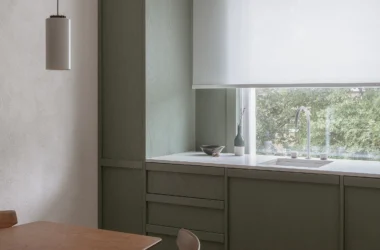


In contemporary design and architecture, the conversation has shifted beyond mere aesthetics. Today, the focus is squarely on integrating technology, sustainability, and human well-being. Nothing embodies this transition more effectively than the evolution of the traditional skylight into the smart skylight. These intelligent roof windows are quickly becoming a cornerstone of modern architecture, blending cutting-edge automation with the fundamental human need for natural light.
Redefining Natural Light: Automation Meets Wellness
For decades, architects and homeowners have understood the transformative power of a well-placed skylight. As we’ve previously explored in “Are Solar Tubes Better Than Skylights?” on urdesignmag.com, the choice of overhead glazing significantly impacts a room’s functionality and energy profile.
The new generation of smart skylights offers unprecedented control. Unlike fixed or manually operated windows, these systems use sensors and integrated smart home technology to respond dynamically to the environment.
- Dynamic Light Control: They automatically adjust the tint of the glass (electrochromic glazing) or deploy integrated shades to manage light intensity. This is crucial for eliminating glare and preventing the unwanted heat gain that can plague conventional models, thus ensuring your space remains comfortable throughout the day.
- Optimized Ventilation: Many smart skylights also offer automatic venting. By integrating with indoor climate sensors, they can open slightly to release stale air or excess heat—a practice that significantly improves indoor air quality and reduces reliance on mechanical cooling. This not only boosts energy efficiency but contributes to the overall health of the occupants.
The Spanish architect Fran Silvestre highlights the importance of light as a material itself, noting:
“We like to use light to enhance the project. During the day, you have a blank space that changes completely along with the colors of the sun.” Smart skylights ensure this dynamic light is always perfectly calibrated.
The Biophilic Design Connection and the “Hedonistic” Approach
The hottest trend in architectural design is biophilia—the innate human desire to connect with nature. Smart skylightsare an essential tool for achieving truly biophilic interiors and sustainable homes.
By maximizing daylighting, these systems flood interiors with the variable and dynamic qualities of natural light. This directly supports the body’s circadian rhythm, which is vital for better sleep, increased productivity, and enhanced mood.
Leading architects recognize this. They are leveraging expansive, frameless skylights in open-plan designs (a strategy often used in luxury concepts, like those detailed in urdesignmag.com’s “Luxury Yacht Interior Design: Trends, Materials & Expert Guide”) to blur the line between the indoor and outdoor environment. The result is a brighter, more expansive, and ultimately healthier living or working space.
Architect Bjarke Ingels (BIG), famous for his concept of “Hedonistic Sustainability,” perfectly encapsulates this philosophy, arguing that sustainable design should be pleasurable, not punitive:
“Sustainability cannot be like a moral sacrifice or political dilemma or a philanthropic cause. It has to be a design solution that people want.” The integration of effortless smart lighting through skylights makes sustainability desirable for the end-user.
Even the architecture legend Tadao Ando underlined the value of this resource decades ago:
“To an architect, natural light is the most valuable tool at their disposal.”
Sustainability and the Smart Home Ecosystem
A core appeal of smart skylights lies in their role within a greater sustainable architecture strategy. By optimizing the use of natural light and ventilation, they directly reduce the need for artificial lighting and air conditioning—the two biggest energy consumers in most buildings.
Integrating a smart skylight into your smart home ecosystem means it works in tandem with other systems, such as your thermostat or lighting controls, maximizing its energy-saving potential. This integration is what transforms a simple window into a powerful sustainable building material.
Ultimately, for homeowners, this investment also increases the value of your home, as buyers are increasingly prioritizing energy-efficient and technology-integrated properties. As Fran Silvestre’s firm suggests, we are moving toward “a smarter and more human architecture.”
Key Takeaway for Architects and Designers
The next generation of roof windows is not about simple aesthetics; it’s about high-performance, responsive integration. Choosing smart skylights is a design decision that future-proofs a project by delivering superior wellness, greater sustainability, and precise environmental control. It’s where technology meets our most basic human needs.