



Global architecture firm Skidmore Owings & Merrill (SOM) has successfully unveiled the completed 2026 Winter Olympics Athletes’ Village in the vibrant Milan district of Porta Romana. Finished a remarkable 30 days ahead of schedule—a testament to efficient planning—this ambitious project serves not only as temporary accommodation for elite athletes but, crucially, as a groundbreaking model for adaptive reuse. Its ultimate purpose is to become Italy’s largest development of high-quality, affordable student housing immediately after the Games conclude, establishing a new paradigm for Olympic legacy planning.
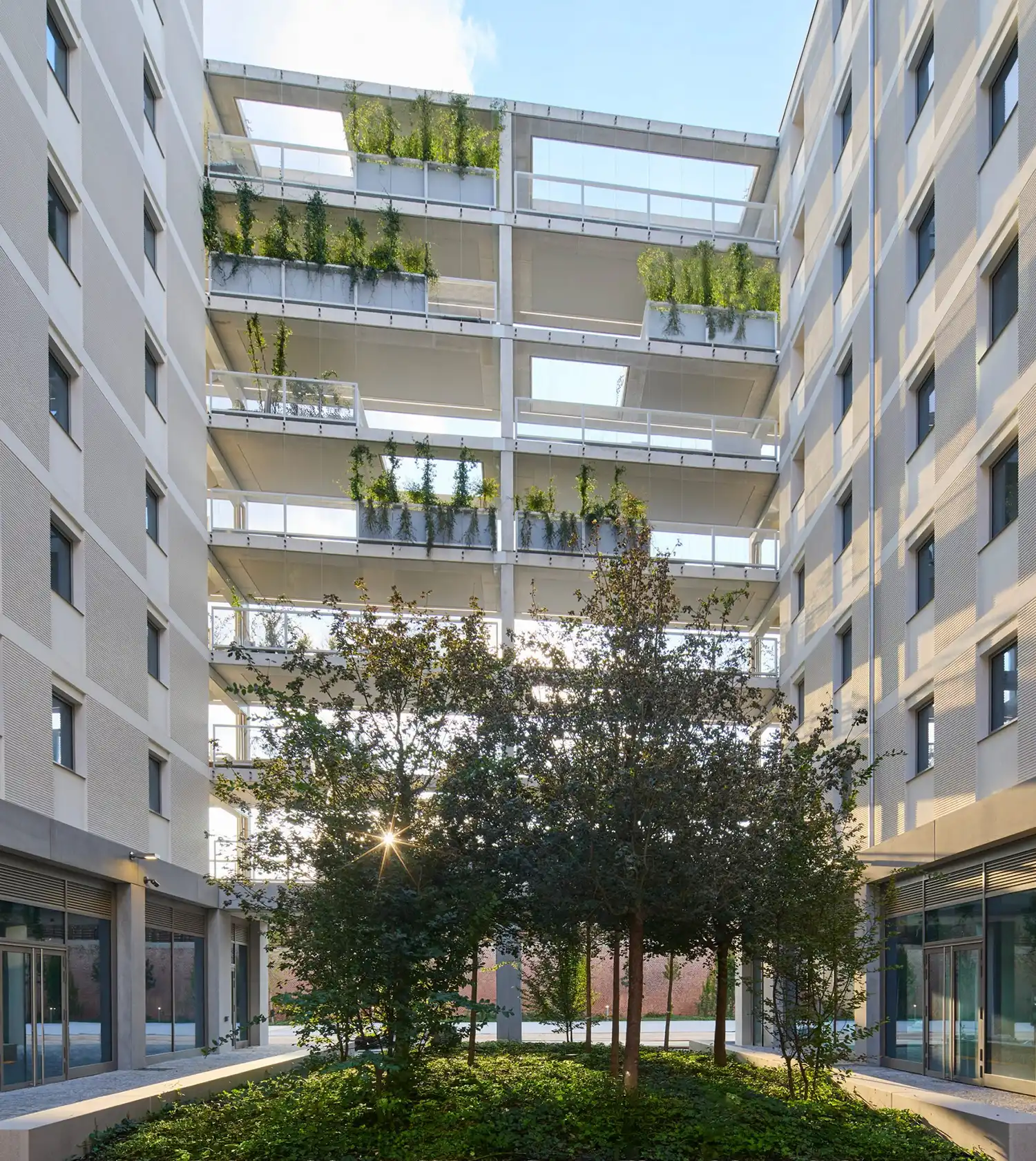
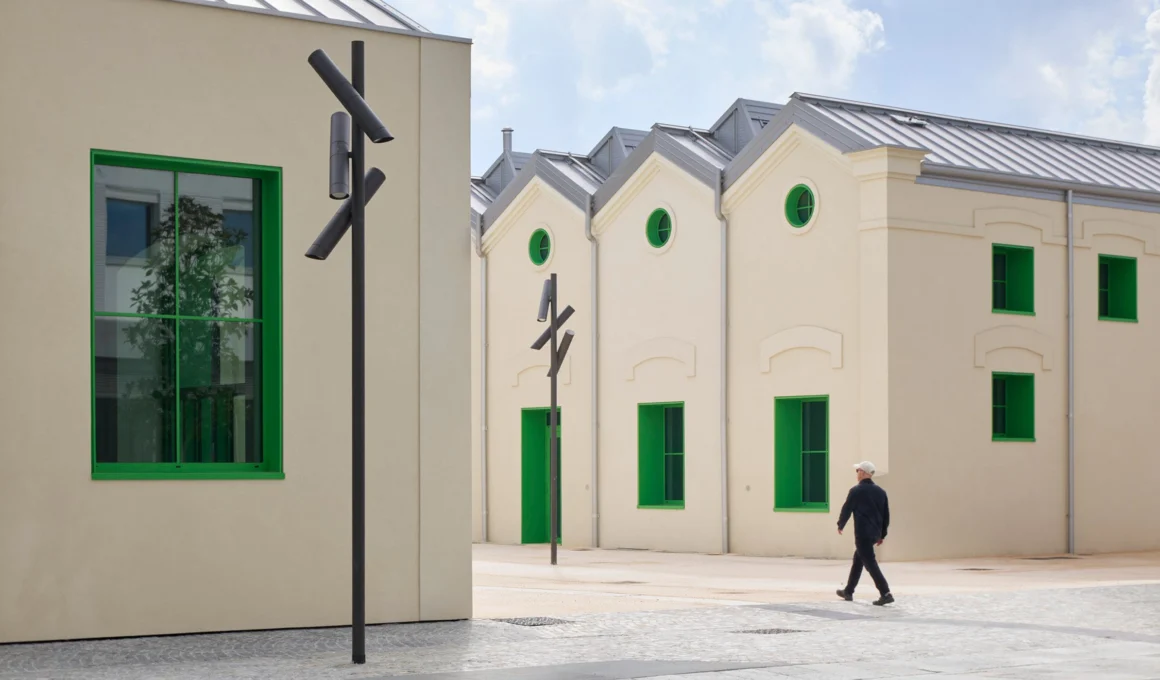
The sustainable design of the village strategically blends new construction with sensitive renovation. The core residential component comprises six new buildings constructed using mass-timber, a choice that significantly reduces the project’s environmental footprint and construction timeline. This modern structural approach is thoughtfully juxtaposed with the adaptation of two existing historic buildings on the site—the former Squadra Rialzo locomotive workshop and the Basilico building. These structures are preserved and opened up to reveal their impressive inner composition of wood, masonry, and iron, earmarked to house cultural and economic organizations for the community.
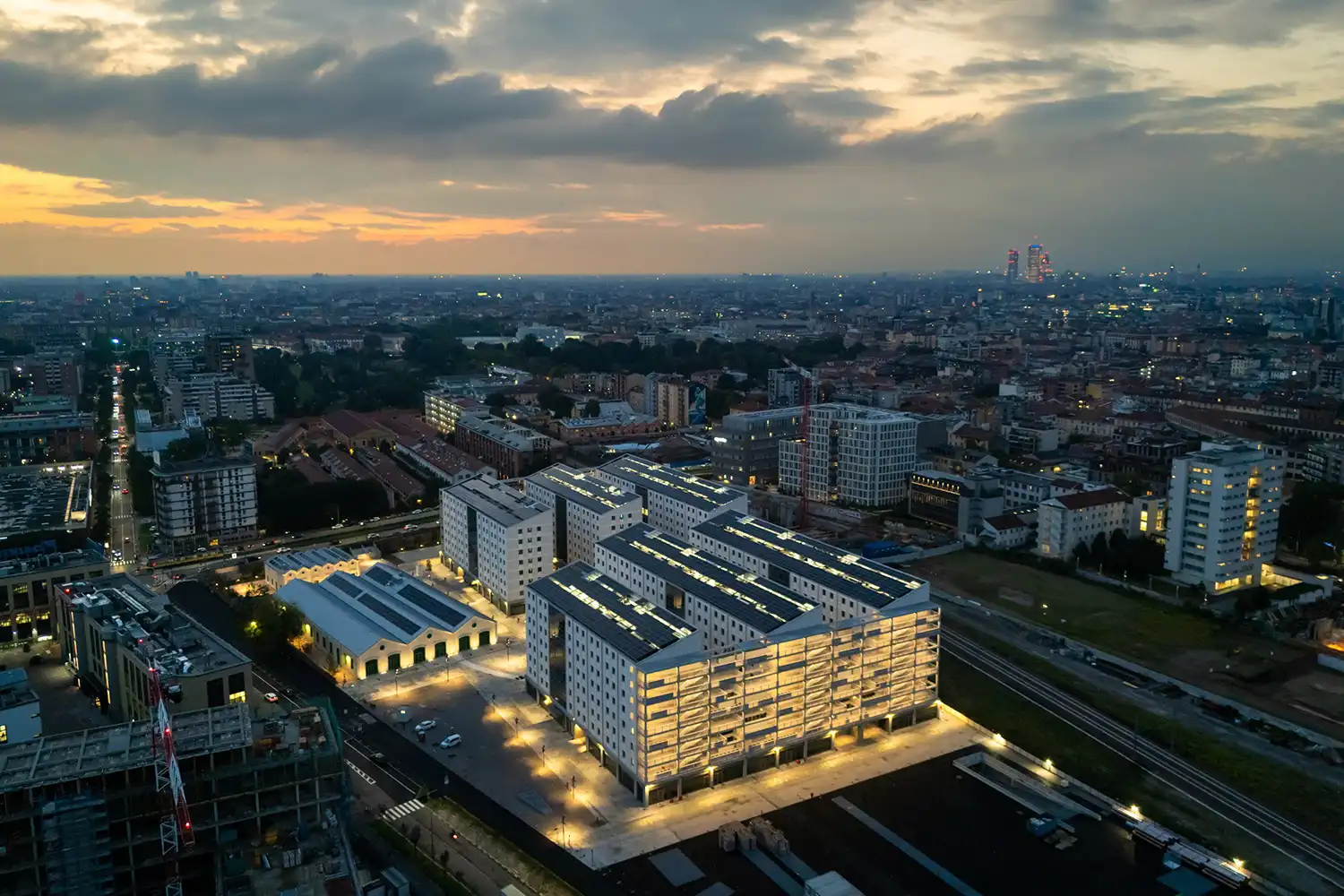
Situated on a former railyard, the project is a powerful example of thoughtful urban regeneration. SOM drew inspiration from the area’s industrial past and the wider Milan streetscape, crafting a “porous urban block” that actively integrates with the city via new public pathways and an impressive 40,000 square metres of green areas and sports courts. As SOM partner Colin Koop noted, the objective was to design a project purpose-built for transformation and to create a “vibrant, self-sustaining neighbourhood built around principles of social equity, environmental commitment, wellness, inclusivity, and resilience.”
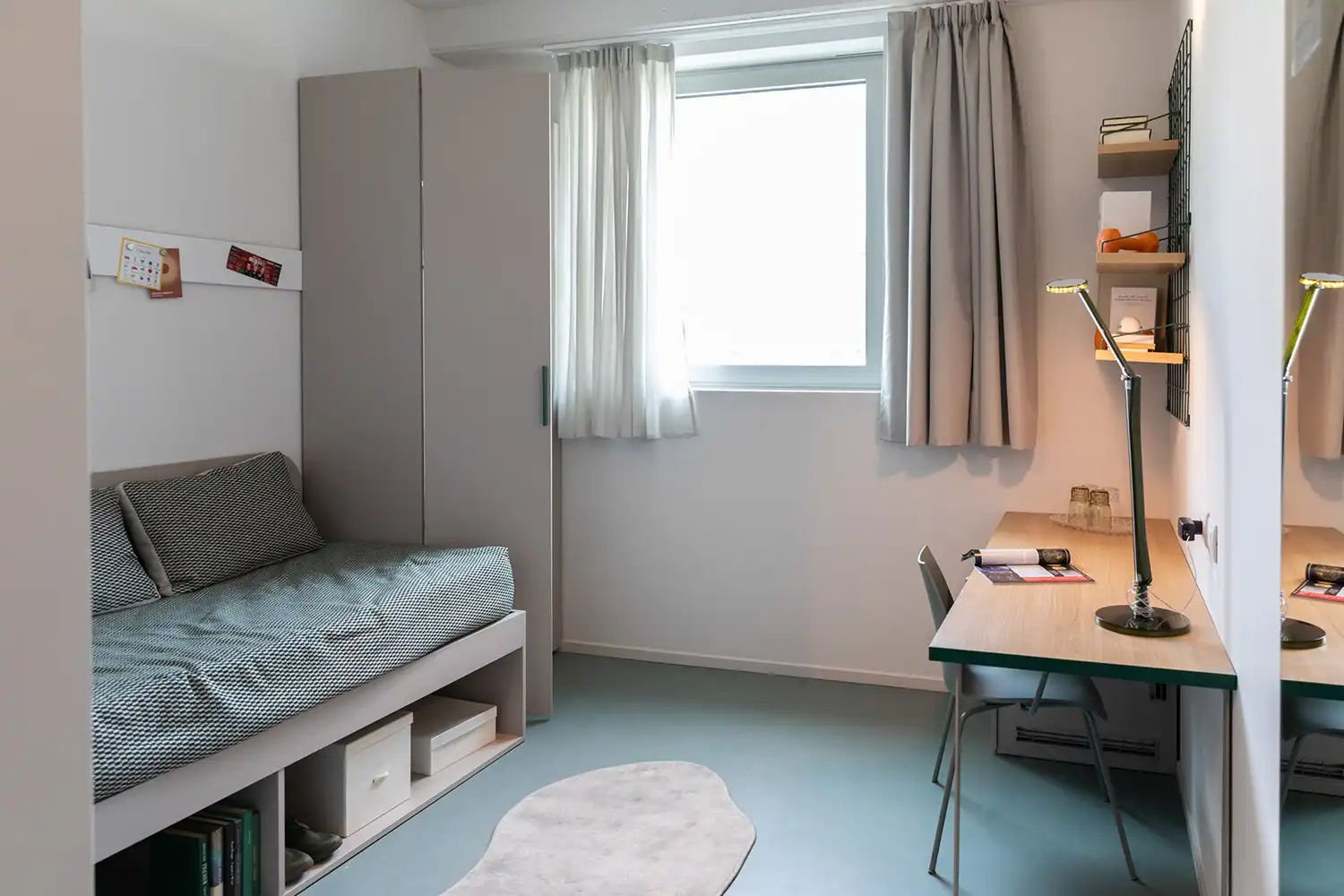
Beyond its low-carbon material composition, the village sets a compelling new benchmark for environmental performance. The sustainable design features extensive passive cooling strategies, large arrays of solar panels, and accessible rooftop gardens that are integral to thermal regulation and biodiversity. Furthermore, Skidmore Owings & Merrill prioritized the utilization of low-embodied carbon facade materials alongside the inherent environmental benefits of the mass-timber structure, ensuring a minimized ecological impact throughout its entire projected lifecycle.
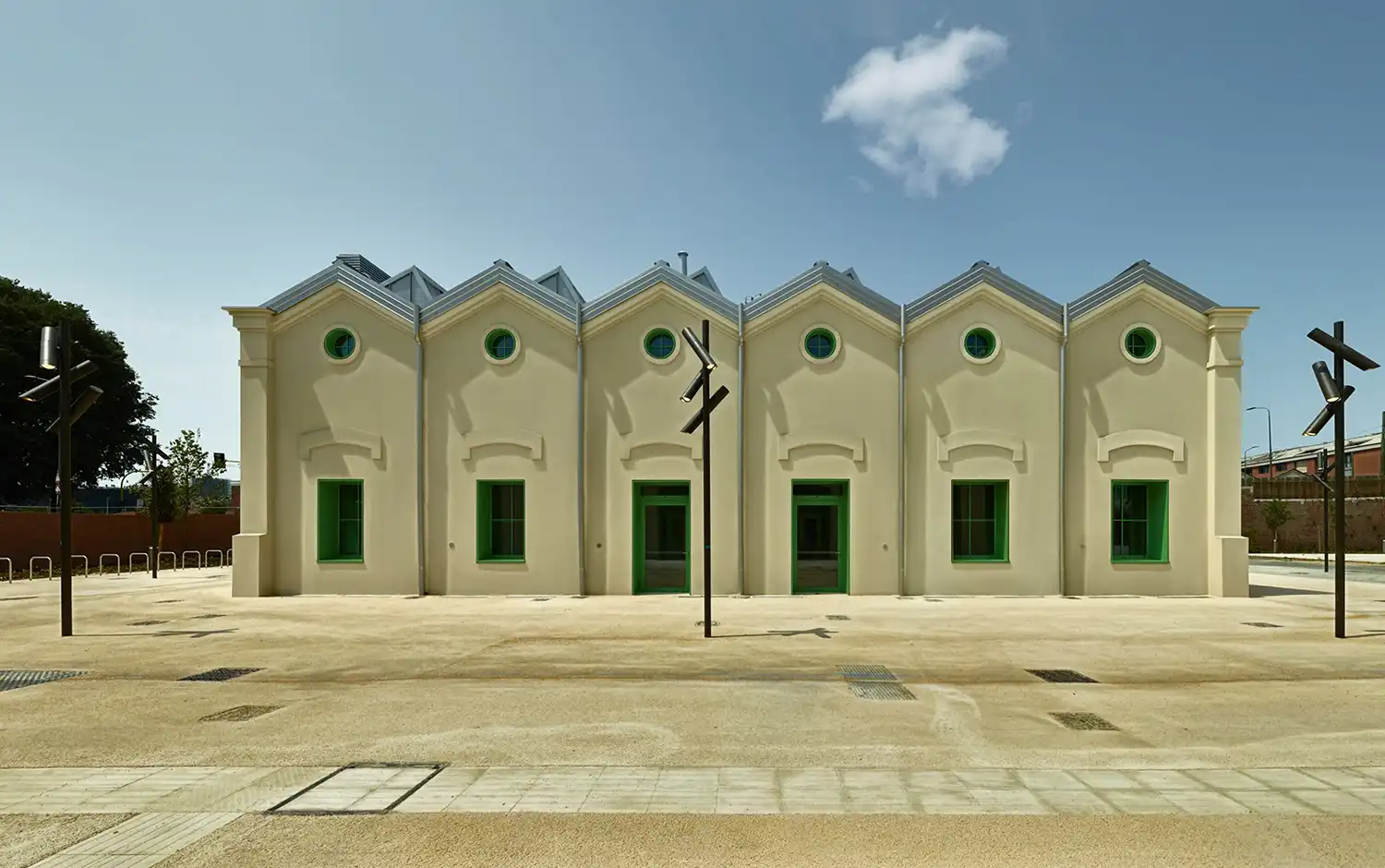
The legacy phase is the defining feature of the 2026 Winter Olympics Athletes’ Village. Once the temporary Olympic infrastructure is removed, the flexible podiums and residential units will swiftly transition into 1,700 beds of permanent student housing, ready for the 2026/27 academic year. COIMA CEO Manfredi Catella emphasized that this post-Games vision “sets a new benchmark for sustainability—not just in terms of its low environmental impact but for its enduring legacy,” transforming a major sports facility into a substantial and permanent social asset for Milan.
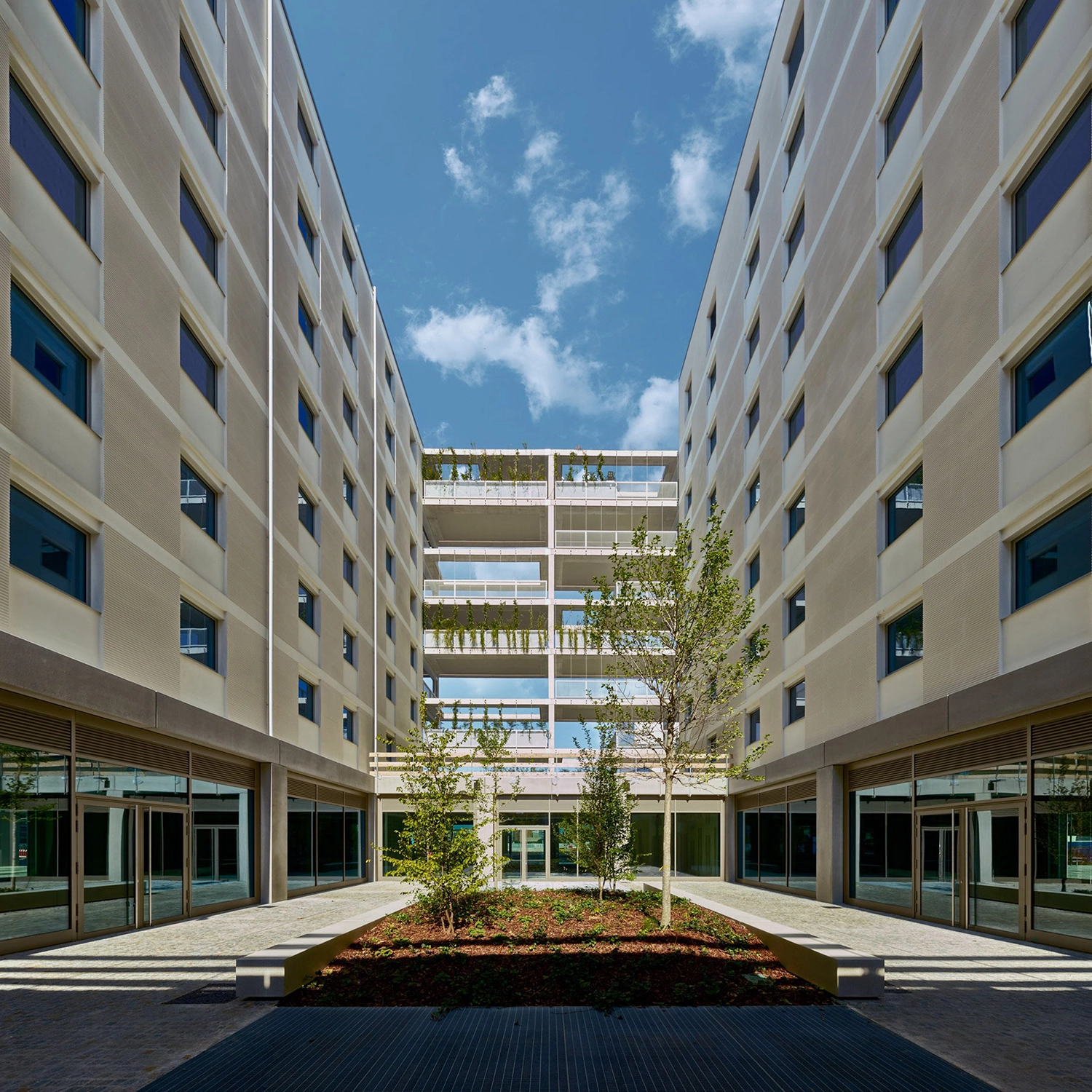
By prioritizing adaptability from concept through construction, the SOM-designed village provides a comprehensive blueprint for future large-scale events globally. It demonstrates how rapid, high-quality architecture can be purpose-built for transformation, guaranteeing both a sustainable use of natural resources and a substantial long-term benefit for the host city. This integrated approach to design, technology, and urban regeneration solidifies the Milan village as one of the most responsible and forward-thinking Olympic facilities in recent memory.