





Woods Bagot has successfully completed the renovation of Sydney Central Station, a key component of the Sydney Metro project, which stands as Australia’s largest infrastructure initiative. This ambitious undertaking has significantly reshaped Sydney’s transport landscape, introducing 31 new metro stations and extending over 66 kilometers of rail. Central Station, the heart of the city’s rail network, is now equipped to handle an impressive 40,000 metro passengers per hour, marking a remarkable 60 percent increase in capacity.
The renovation is the result of a collaborative effort between Woods Bagot and John McAslan Partners, with construction managed by Laing O’Rourke. This project is hailed as a ‘once-in-a-century’ development, as it not only enhances the station’s capacity but also its overall functionality. The improvements are set to redefine the commuter experience in one of Australia’s busiest transport hubs.
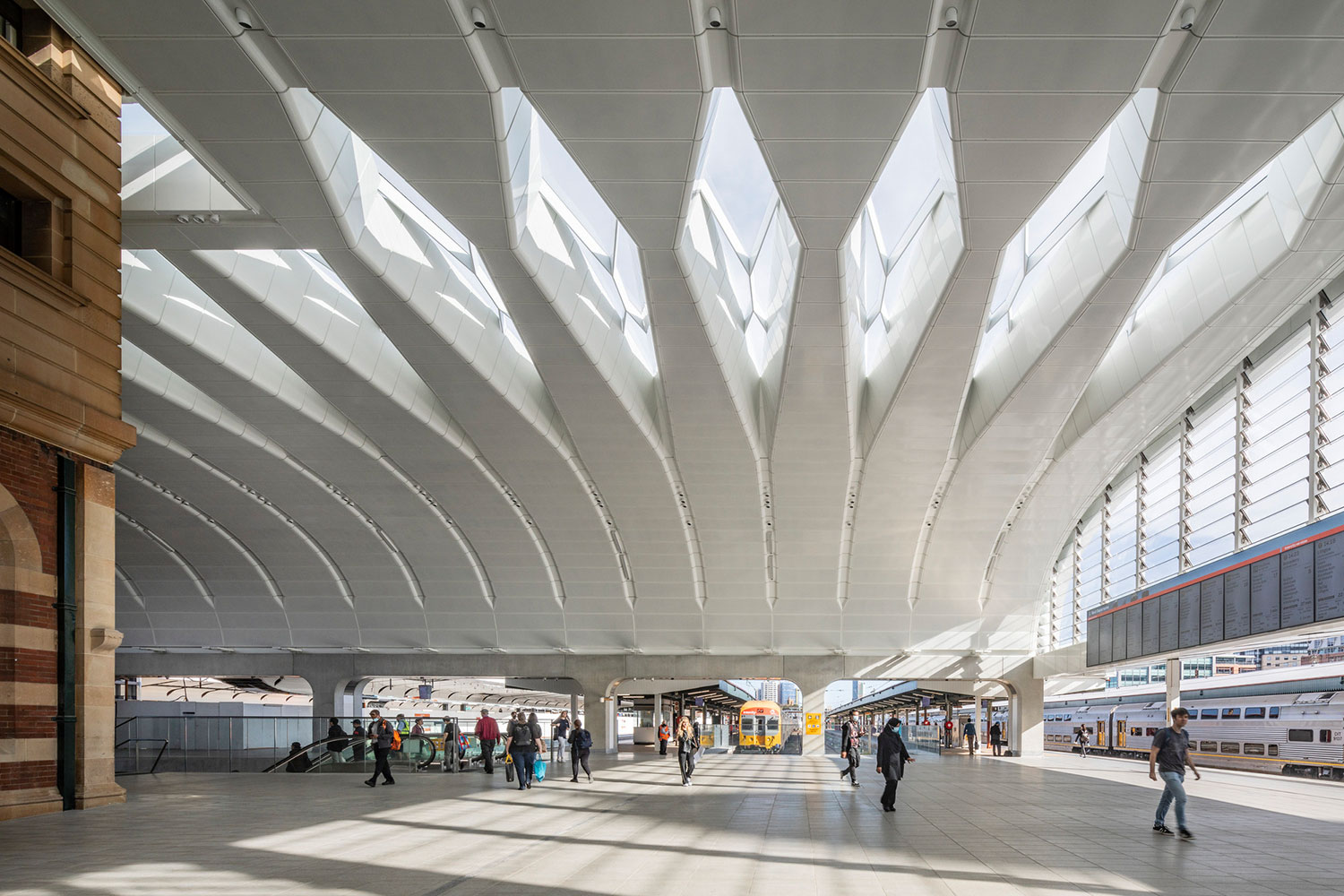
John Prentice, Principal and Transport Lead at Woods Bagot, highlights that the design philosophy prioritizes customer experience. The incorporation of open spaces, such as the newly designed Northern Concourse roof and Central Walk, aims to facilitate better flow and navigation throughout the station. These thoughtful design elements are intended to create a more welcoming environment for travelers.
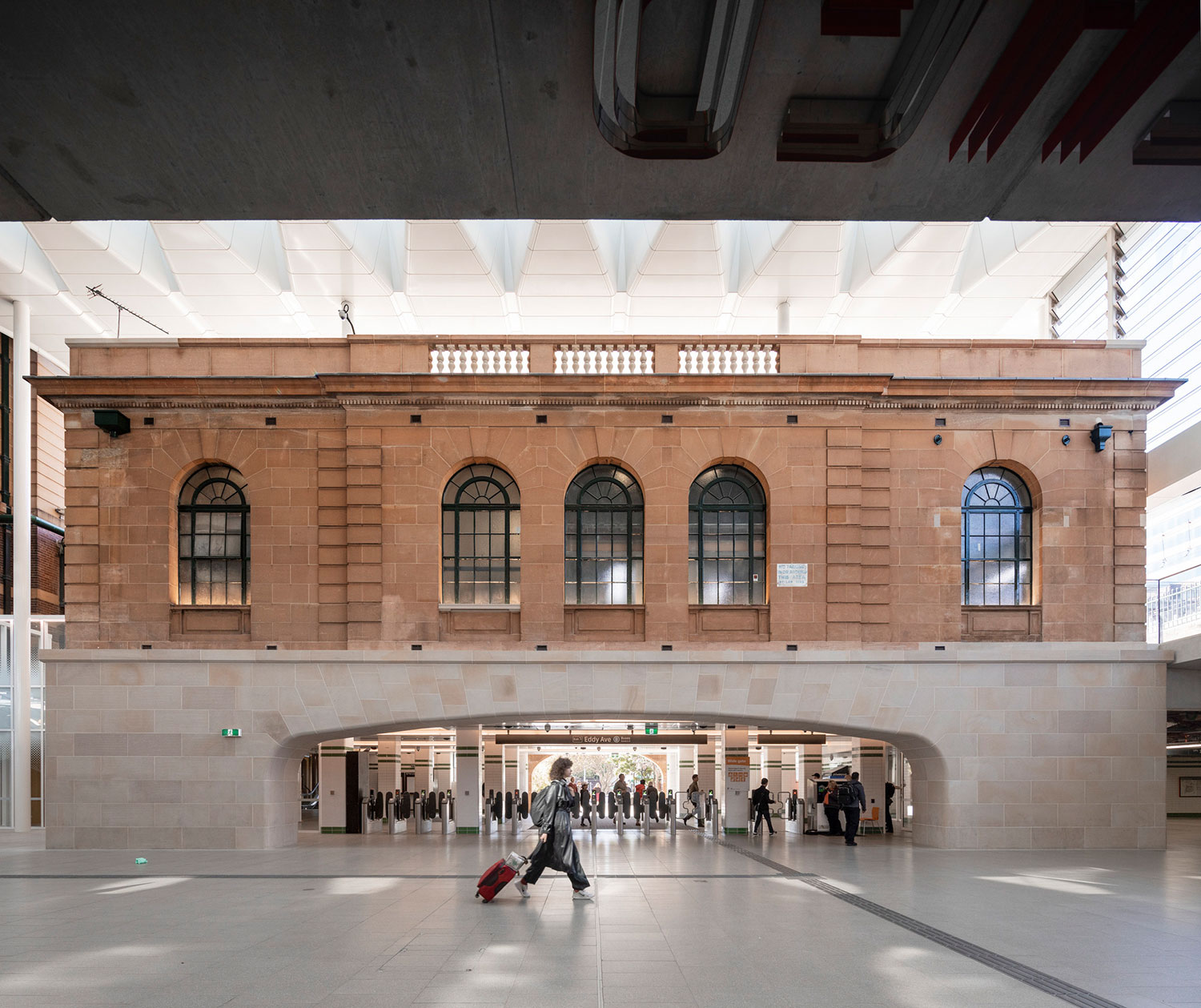
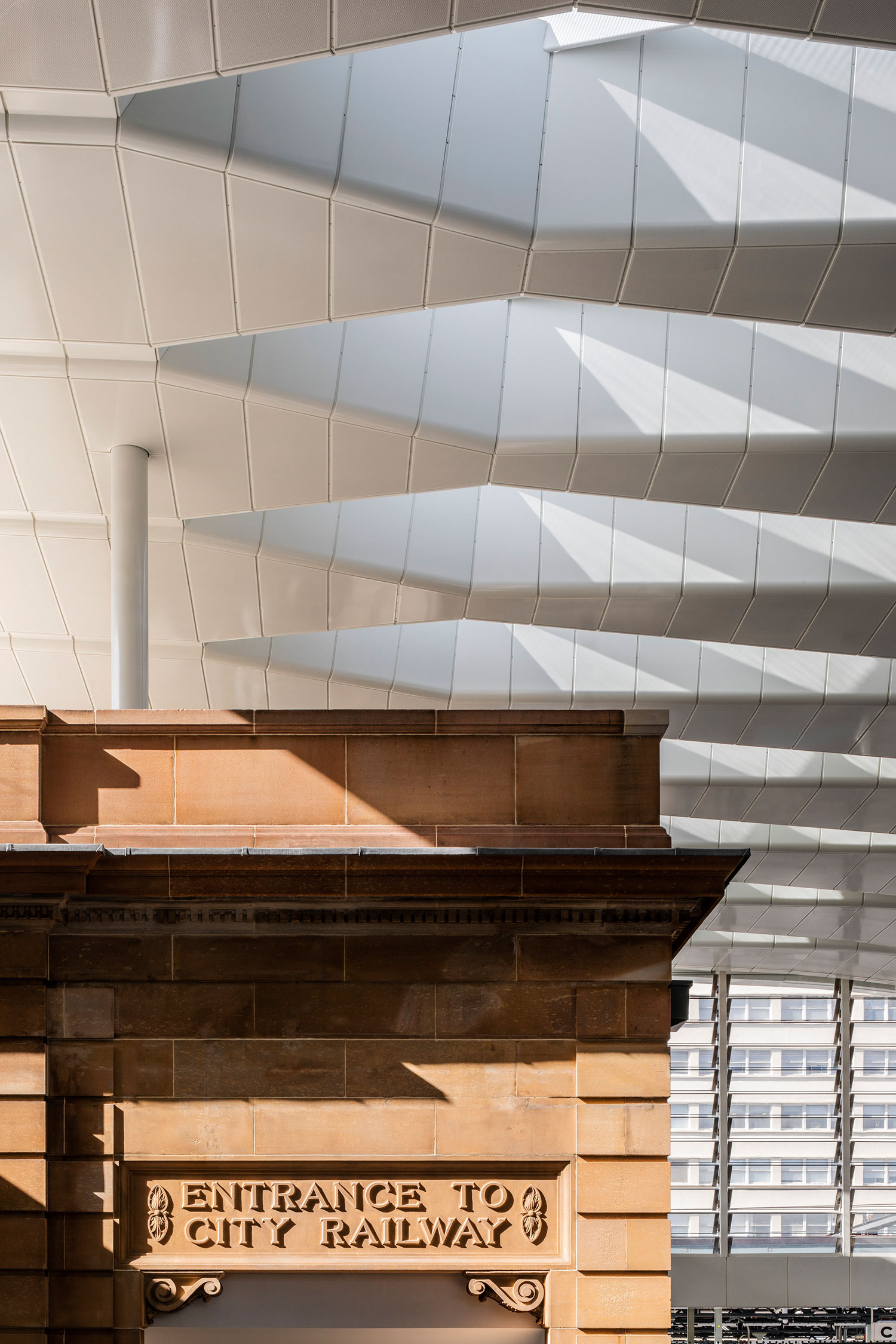
The architectural contributions from Woods Bagot include new metro platforms and concourses that are both functional and aesthetically pleasing. These additions are crafted to harmonize with the station’s historic architecture, ensuring that the modern enhancements respect the site’s rich heritage. Prentice emphasizes that the careful selection of materials plays a crucial role in anchoring the design within its local context, imparting a civic quality that complements the station’s legacy.
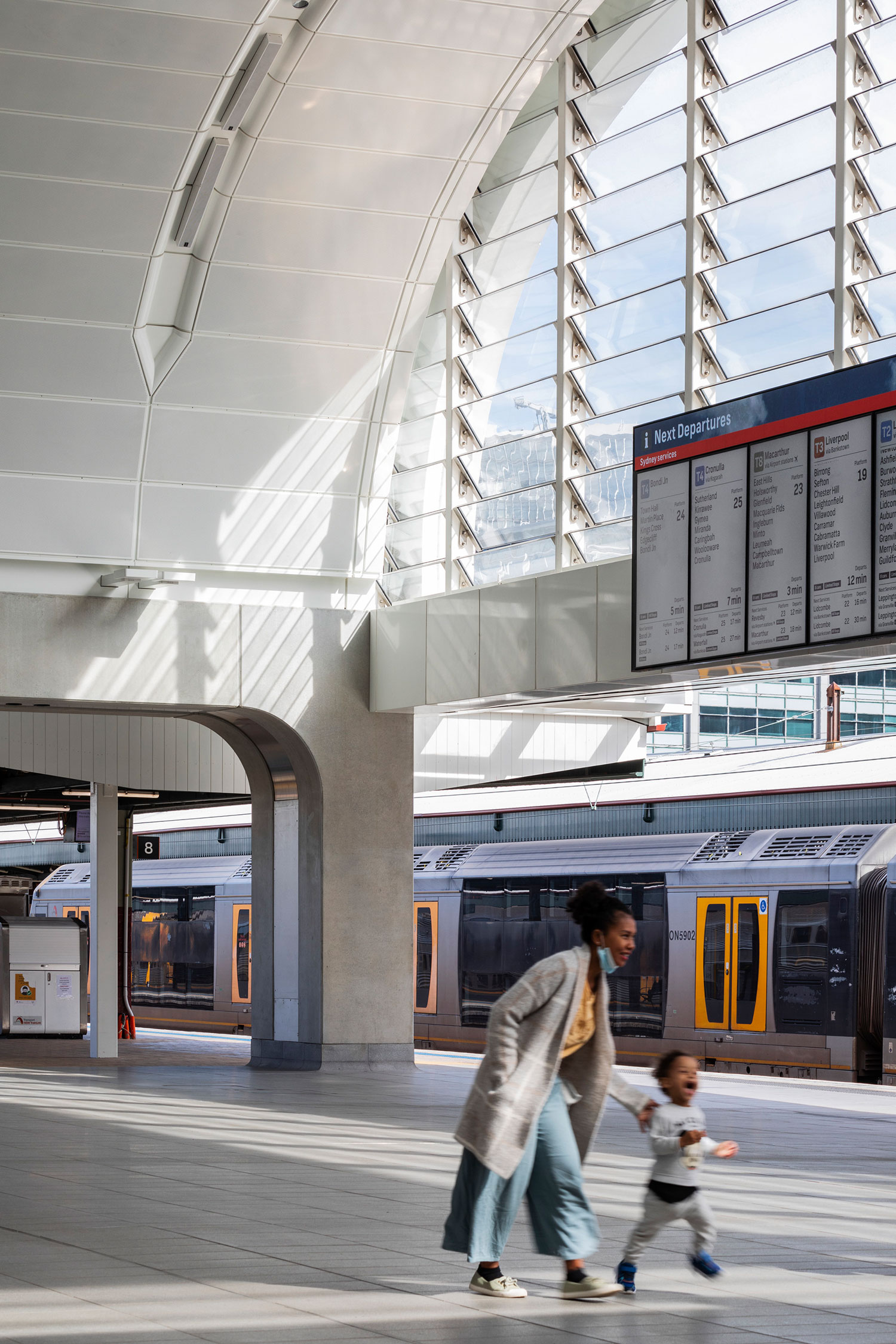
A standout feature of the renovation is the construction of two new metro platforms situated beneath the existing Intercity platforms 13 and 14. This strategic addition creates a significant interchange, seamlessly connecting metro services with suburban, intercity, and regional rail lines. The integration of these platforms is set to enhance the overall efficiency of the transport network.
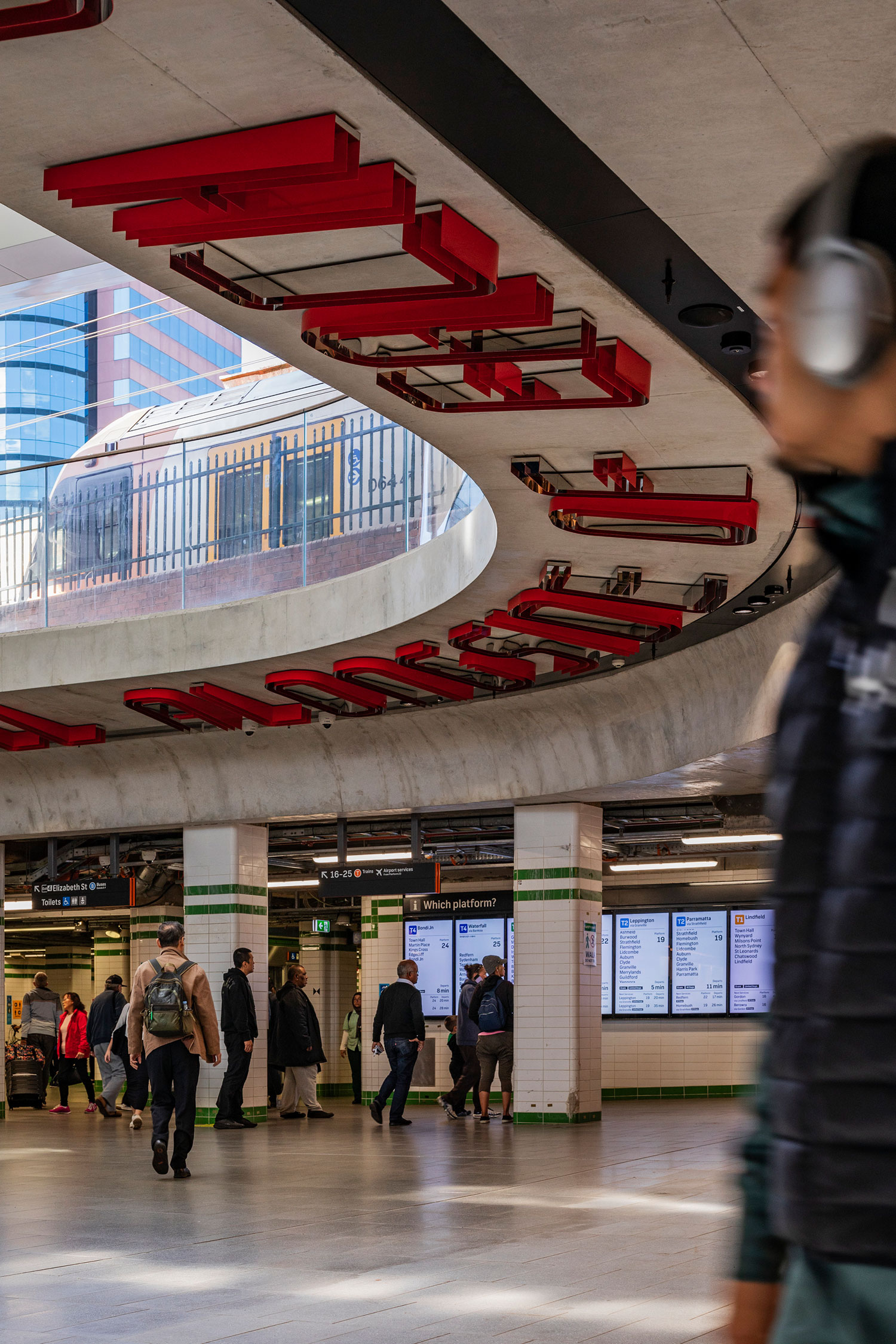
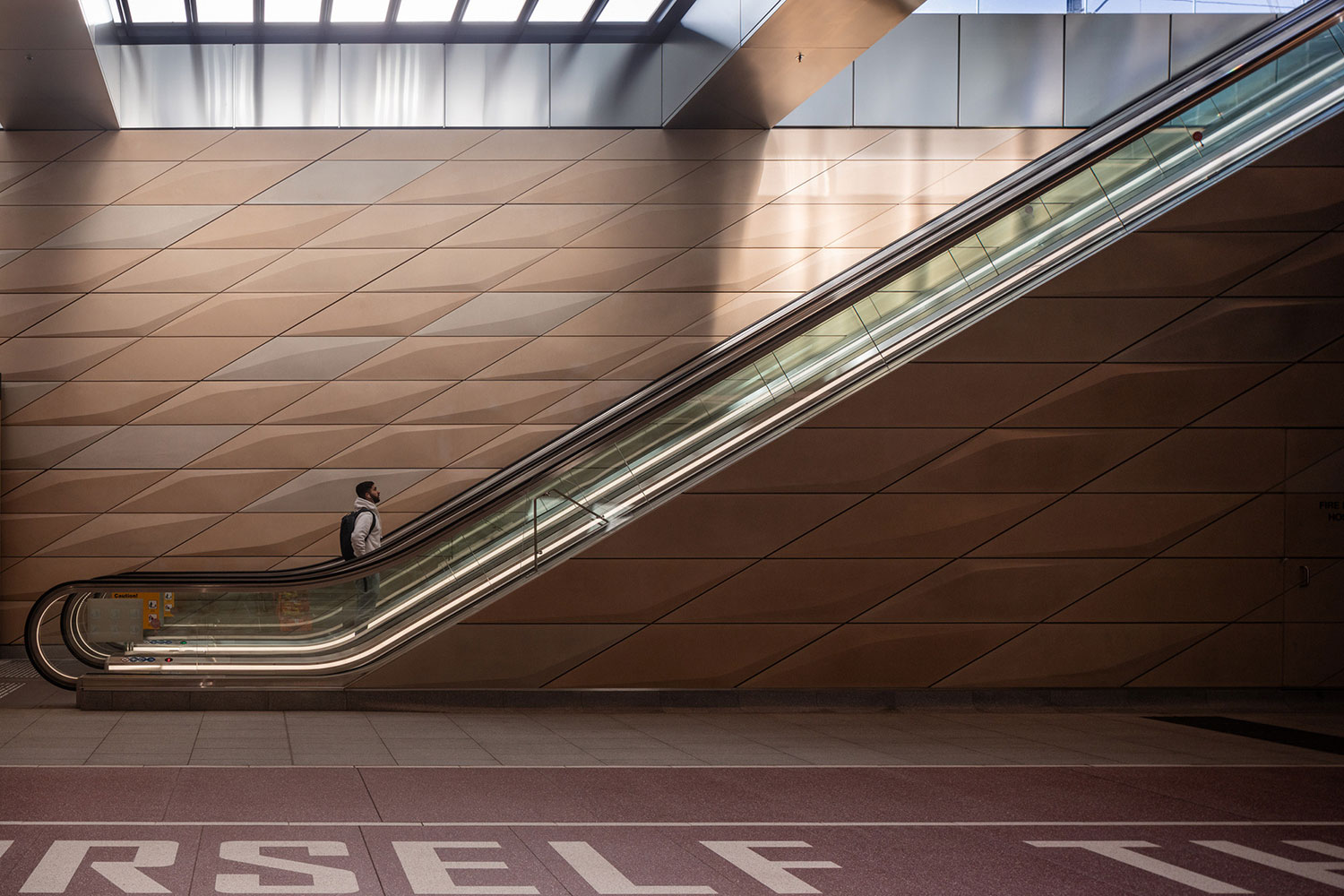
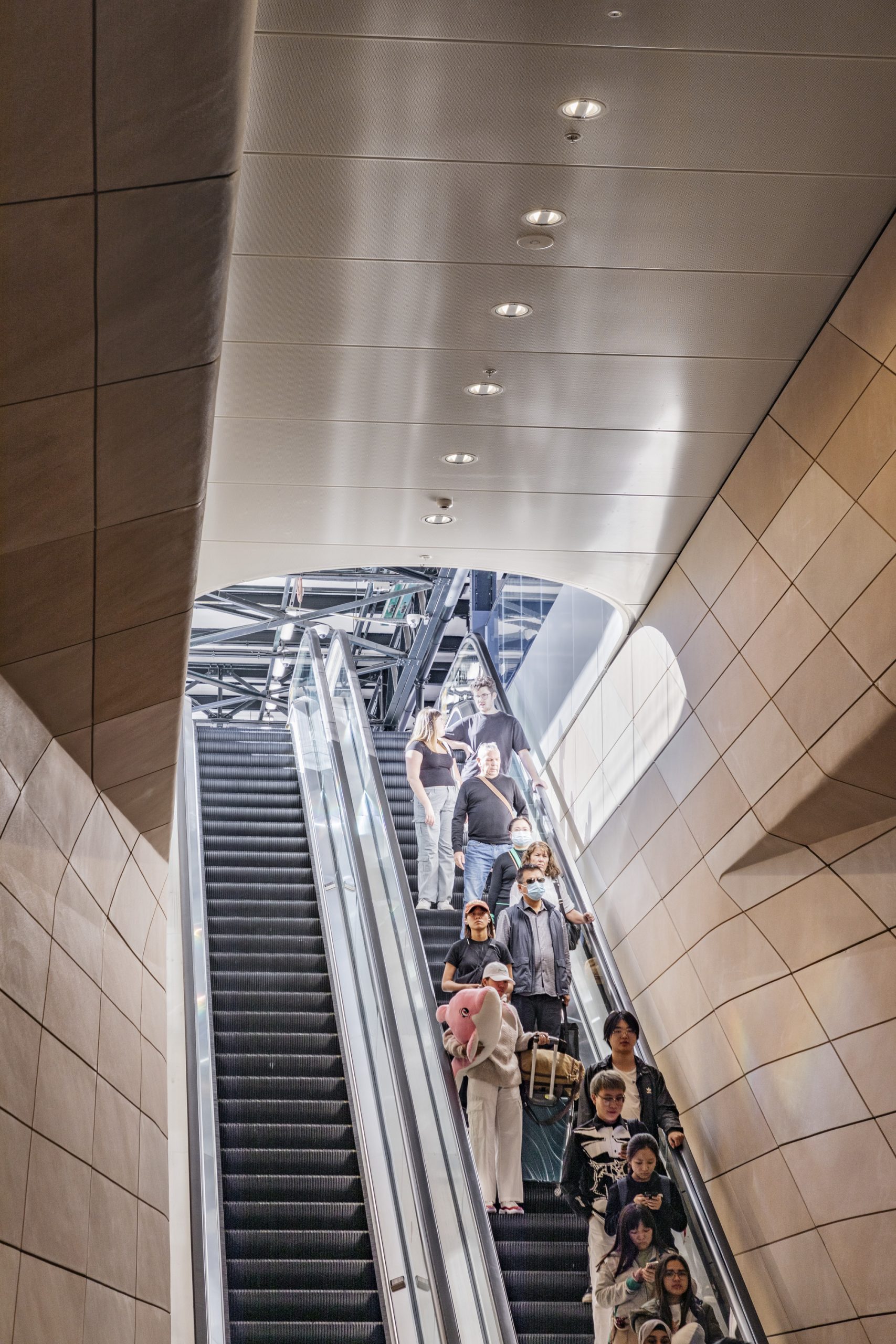
Additionally, the 19-meter-wide Central Walk concourse has been designed to alleviate congestion and improve pedestrian flow. This vital thoroughfare links Chalmers Street and Sydney Light Rail to the new metro platforms, providing enhanced access to suburban platforms 16-23. The inclusion of escalators and lifts further ensures that the station is accessible to all, making the commuting experience smoother and more efficient.
Woods Bagot Global Design Director Domenic Alvaro shares that the material selections for the project draw inspiration from Sydney’s rich history, emphasizing a seamless and efficient commuting experience. The design of the station aspires to stand alongside the world’s most iconic train stations, aiming to create a transport hub that is both functional and visually striking for the city of Sydney. This renovation introduces a new North-South Concourse while also refurbishing the existing Northern Concourse, transforming dark pedestrian tunnels into a bright, inviting public space reminiscent of the grand train halls found globally.
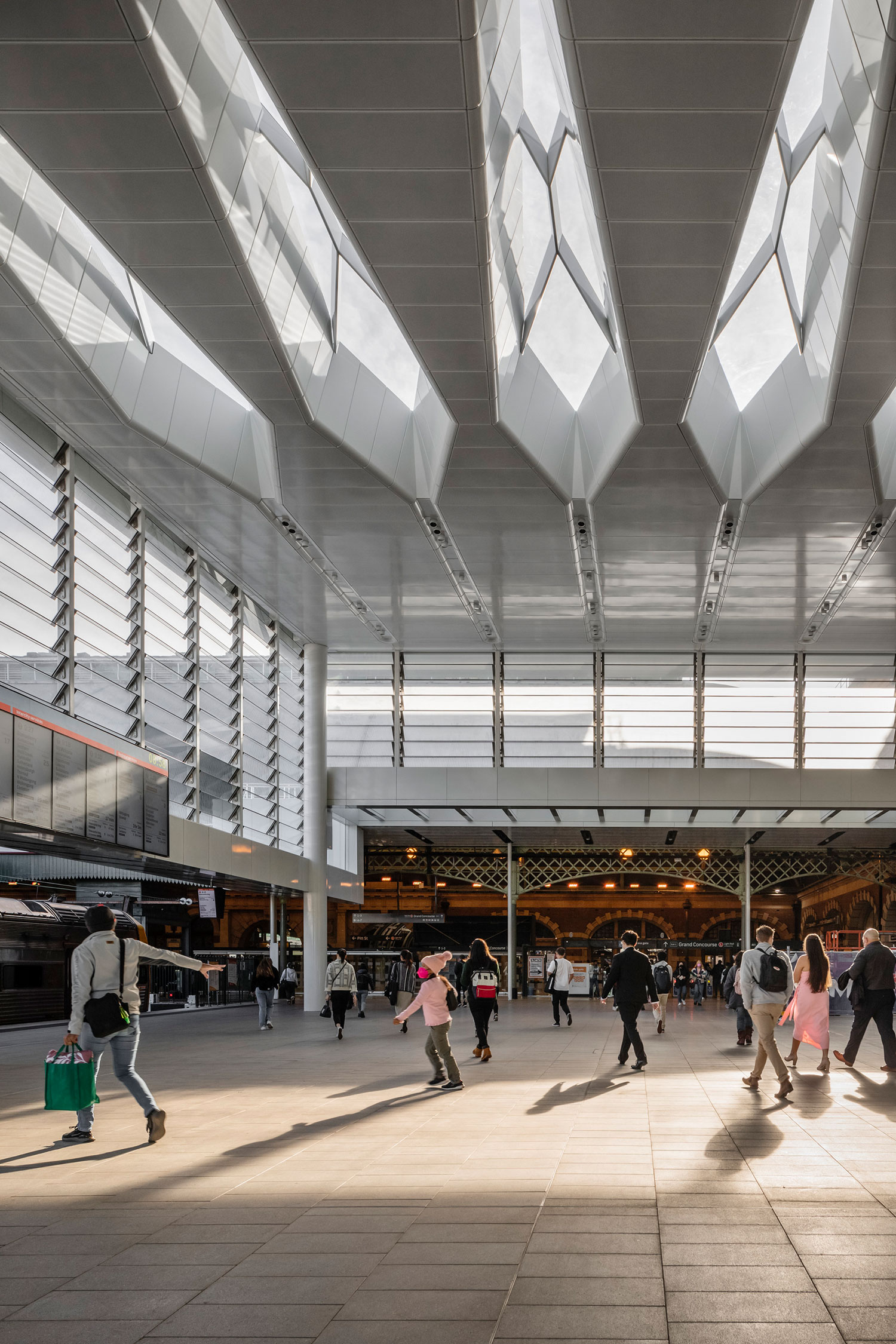
The revitalized Northern Concourse pays homage to the station’s Edwardian architectural roots. The innovative roof design, adorned with kite-shaped skylights, provides a striking contrast to the heritage sandstone structures, resulting in a contemporary yet respectful enhancement to the historic station. This thoughtful integration of modern elements with traditional design showcases a commitment to preserving the station’s legacy while embracing innovation.
Sustainability is a fundamental aspect of the project, which has achieved a prestigious 6-Star Green Star Design and As Built rating. The design prioritizes eco-friendly practices, ensuring that the upgraded station not only serves the needs of commuters but also contributes positively to the environment. Improved orientation and new connections to surrounding areas will further enhance accessibility, making the station a more user-friendly space for all.