


Nestled within the historic heart of Maó, the capital of Menorca, Horno Pigalle embodies the power of architectural restoration to bridge past and present. Designed by Barcelona-based practice Estudi Biga, this bakery project transcends mere renovation, becoming a thoughtful exploration of history, materiality, and community engagement. The primary objective was clear: to foreground the historical footprint of Maó’s old town. This was achieved not through addition, but through a process of careful subtraction.
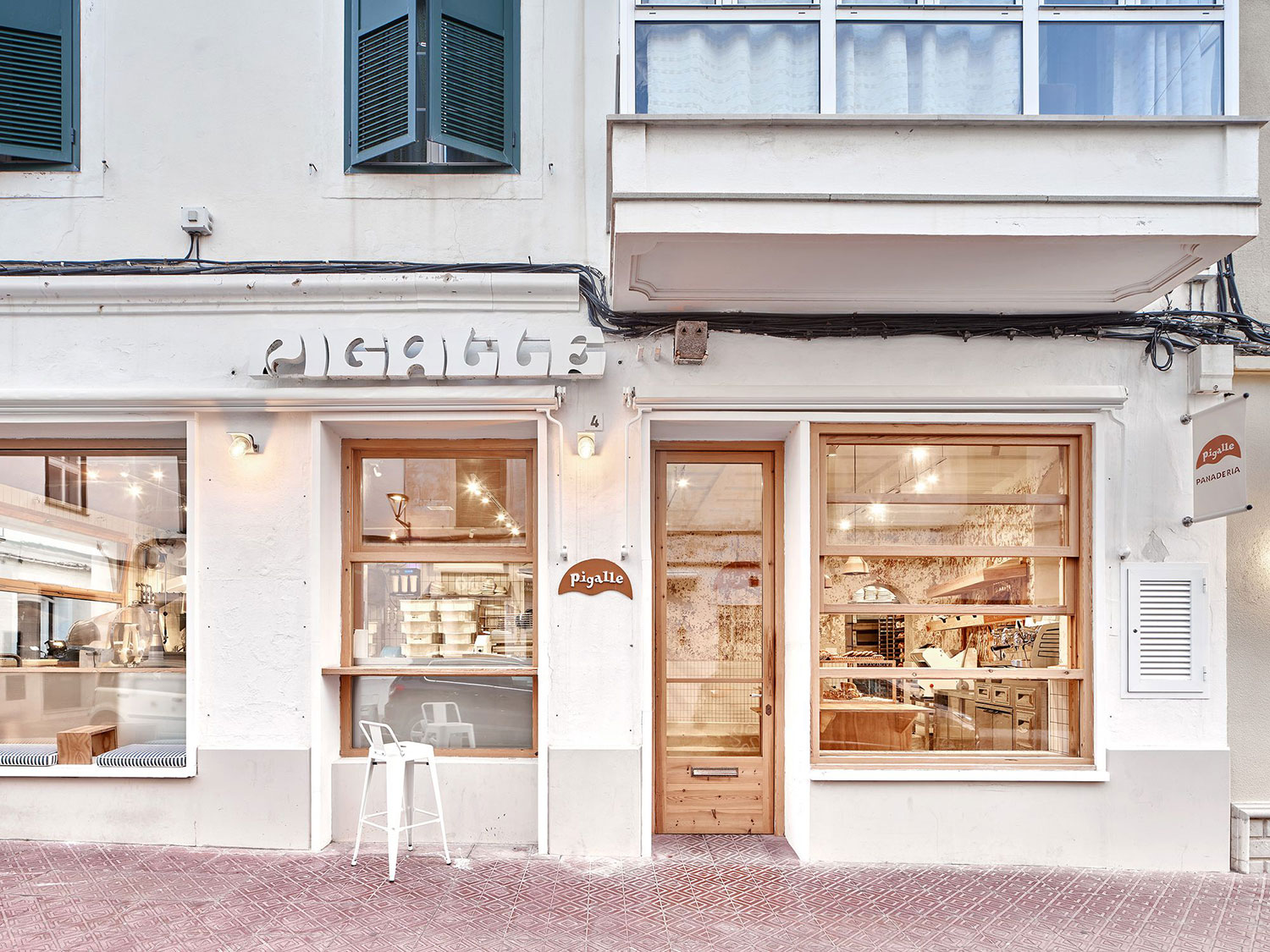
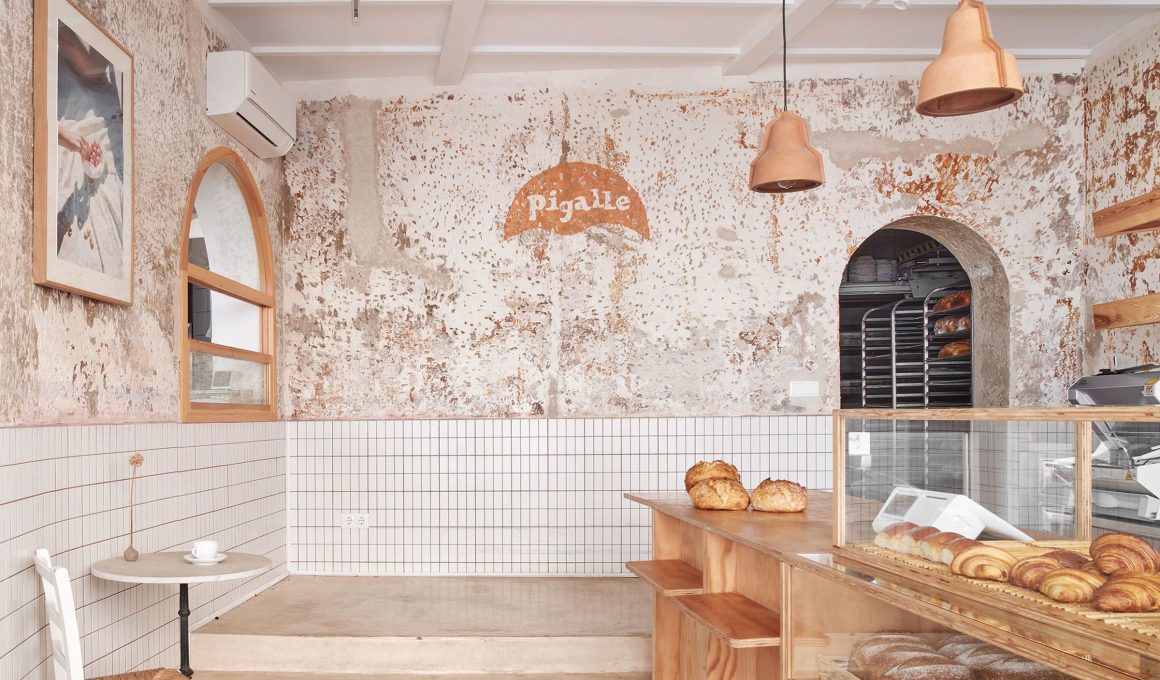
Previous interventions had layered over the building’s original fabric, obscuring its historical narrative. Estudi Biga’s approach was to peel back these layers, revealing the rich history embedded within the centuries-old walls. This act of uncovering is not simply an exercise in archaeological preservation; it’s a deliberate act of storytelling. By exposing the building’s past, the architects have created a tangible link to the heritage of Maó, offering visitors a unique opportunity to connect with the island’s history. The exposed walls themselves become a palimpsest, bearing witness to the passage of time and the changing uses of the space.
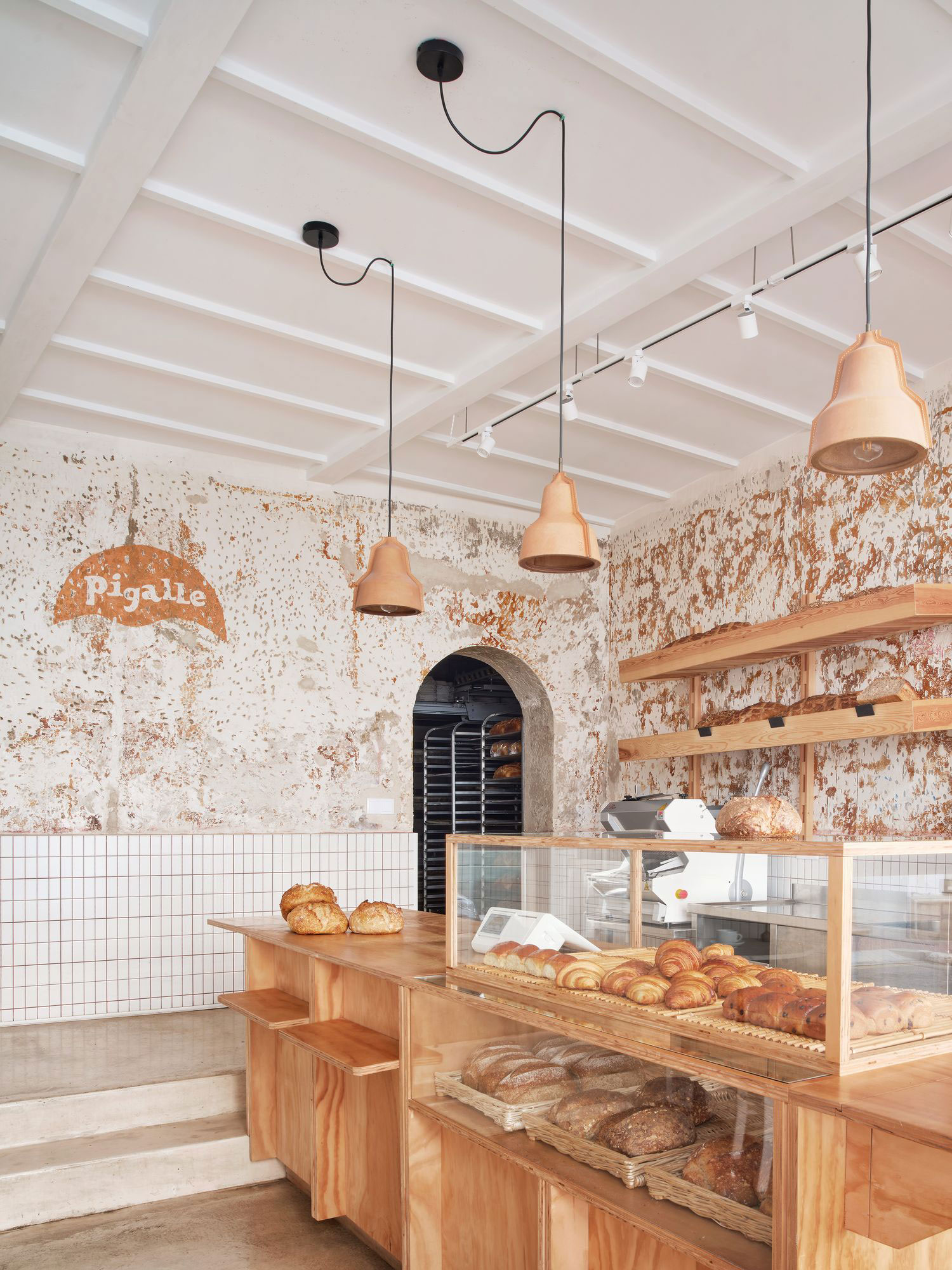
Beyond the historical narrative, the project’s materiality plays a crucial role in shaping the Horno Pigalle experience. The design ambition extends beyond conventional restoration, aiming to transform the bakery into a living, breathing workshop, visible and engaging from the street. This vision is realized through the strategic use of large windows that frame the interior activity like a stage. Passersby are invited to observe the bakers at work, witnessing the time-honored process of breadmaking.
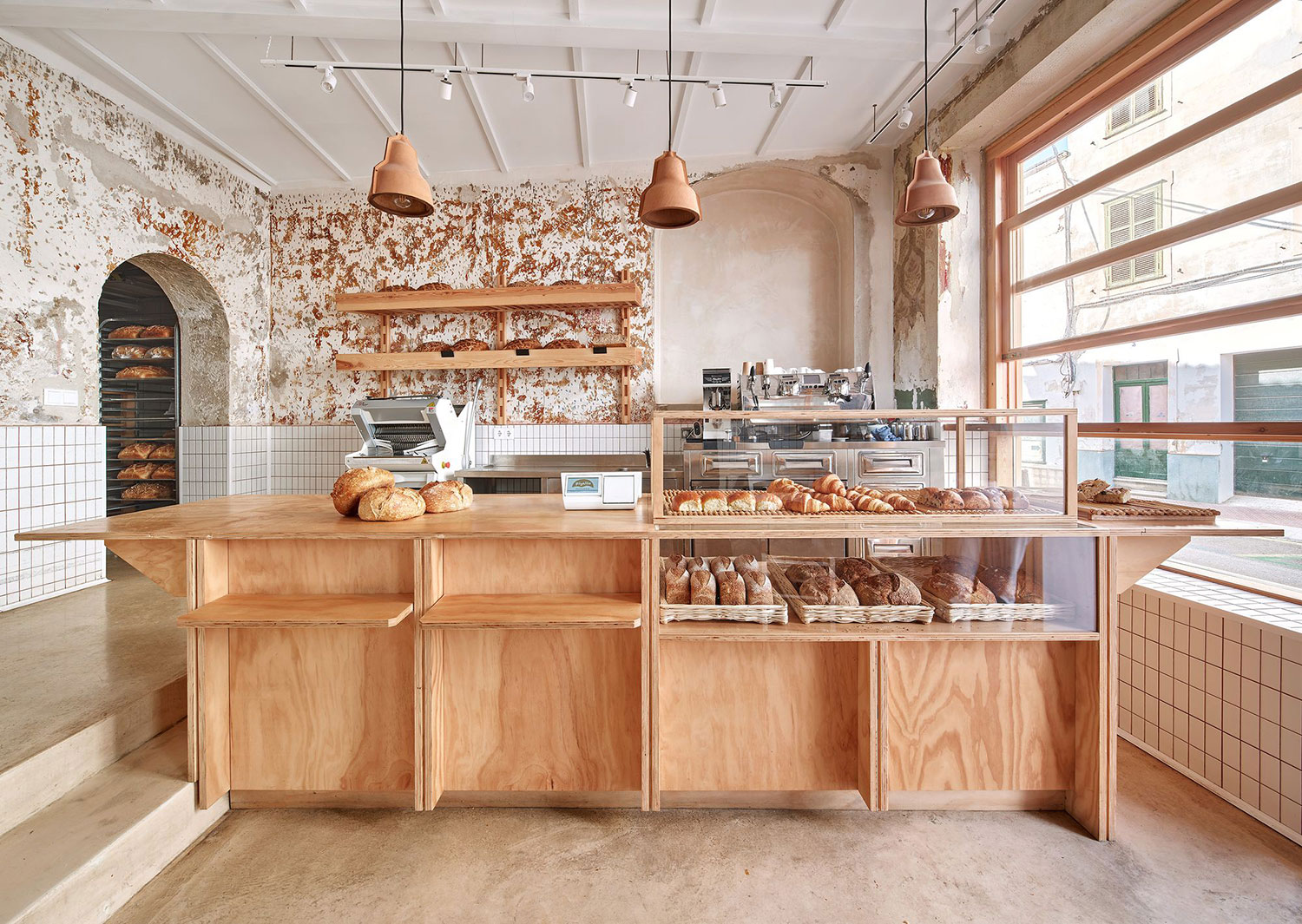
This transparency fosters a strong connection between the bakery and the community, blurring the lines between interior and exterior, and inviting participation in the Horno Pigalle story. The act of baking, traditionally a hidden process, is brought into the public realm, celebrating the craft and creating a sense of shared experience.
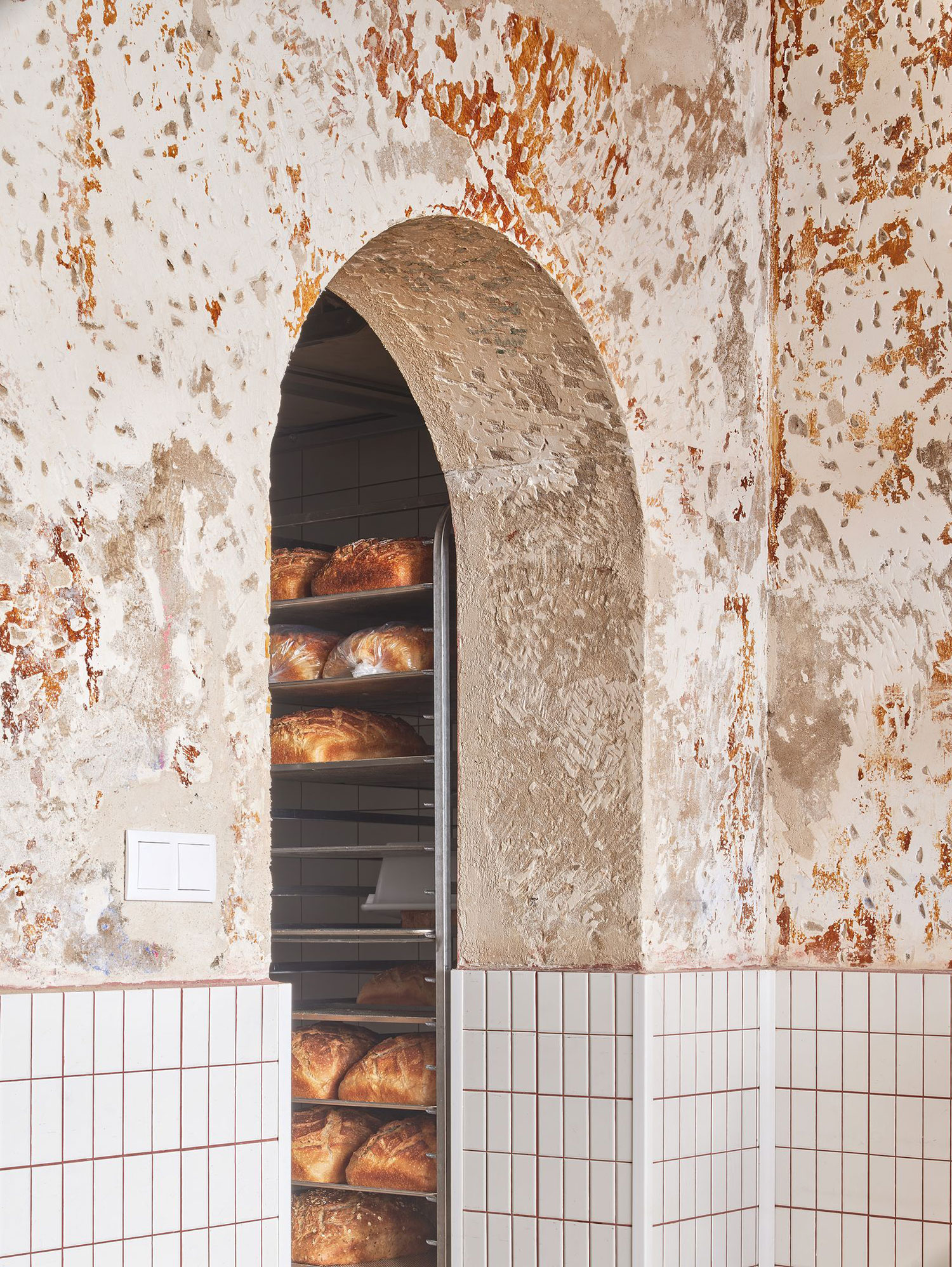
This emphasis on visibility and engagement permeates the realm of interior design. Custom-crafted furniture, designed with a meticulous technical approach, guarantees both functionality and efficiency within the workspace. The careful selection of natural materials further amplifies the bakery’s unique identity. Elements such as warm woods, natural stone, or textured plaster not only enhance the visual appeal but also echo the bakery’s commitment to traditional bread-making practices.
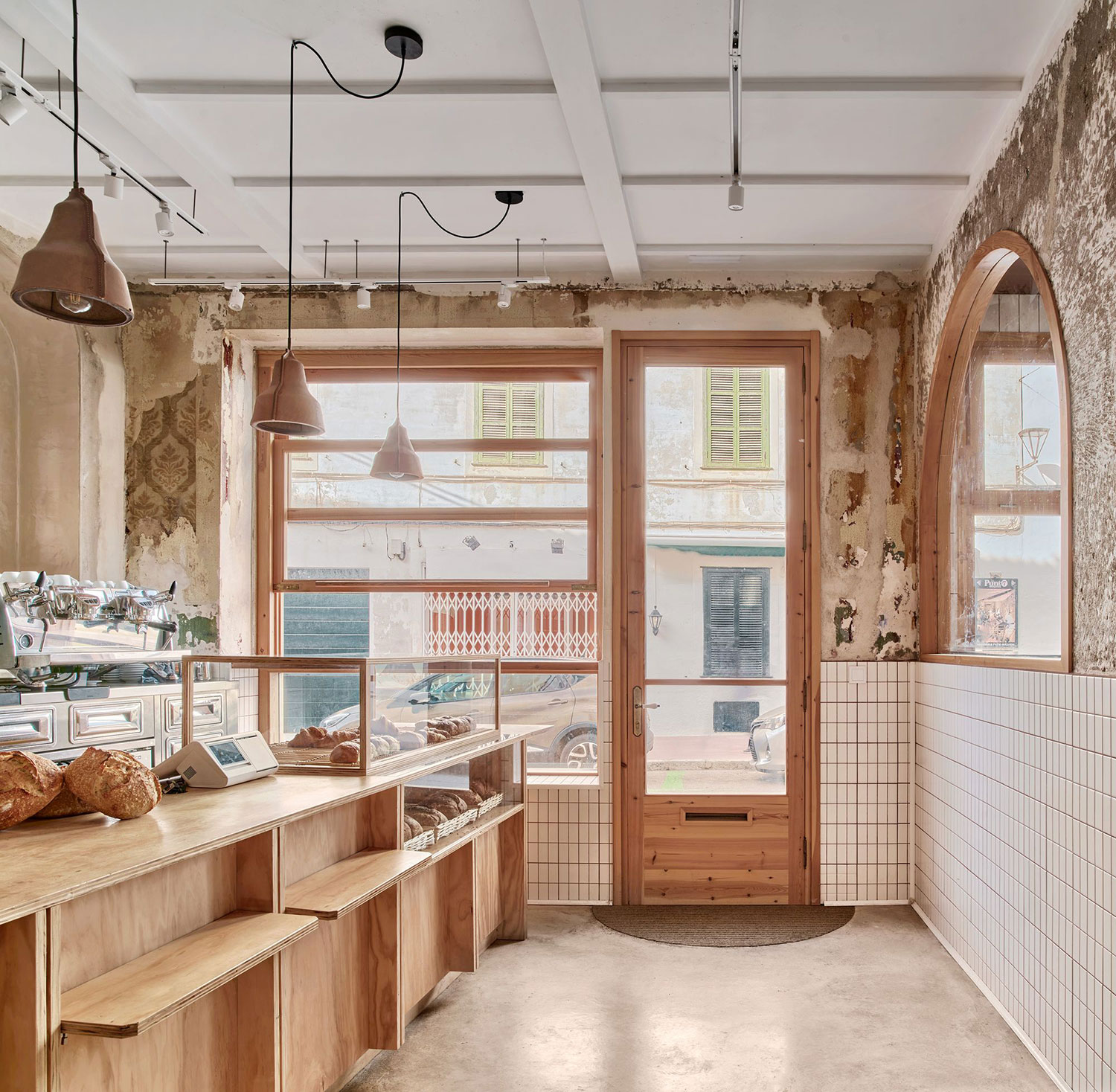
These materials contribute to an atmosphere rich in warmth and authenticity, serving a dual purpose. They not only fulfill aesthetic needs but also strengthen the bond with nature and the age-old techniques that define artisanal bread production. The integration of natural materials aligns perfectly with the bakery’s fundamental values, fostering a cohesive and harmonious environment that reflects its dedication to quality and tradition.
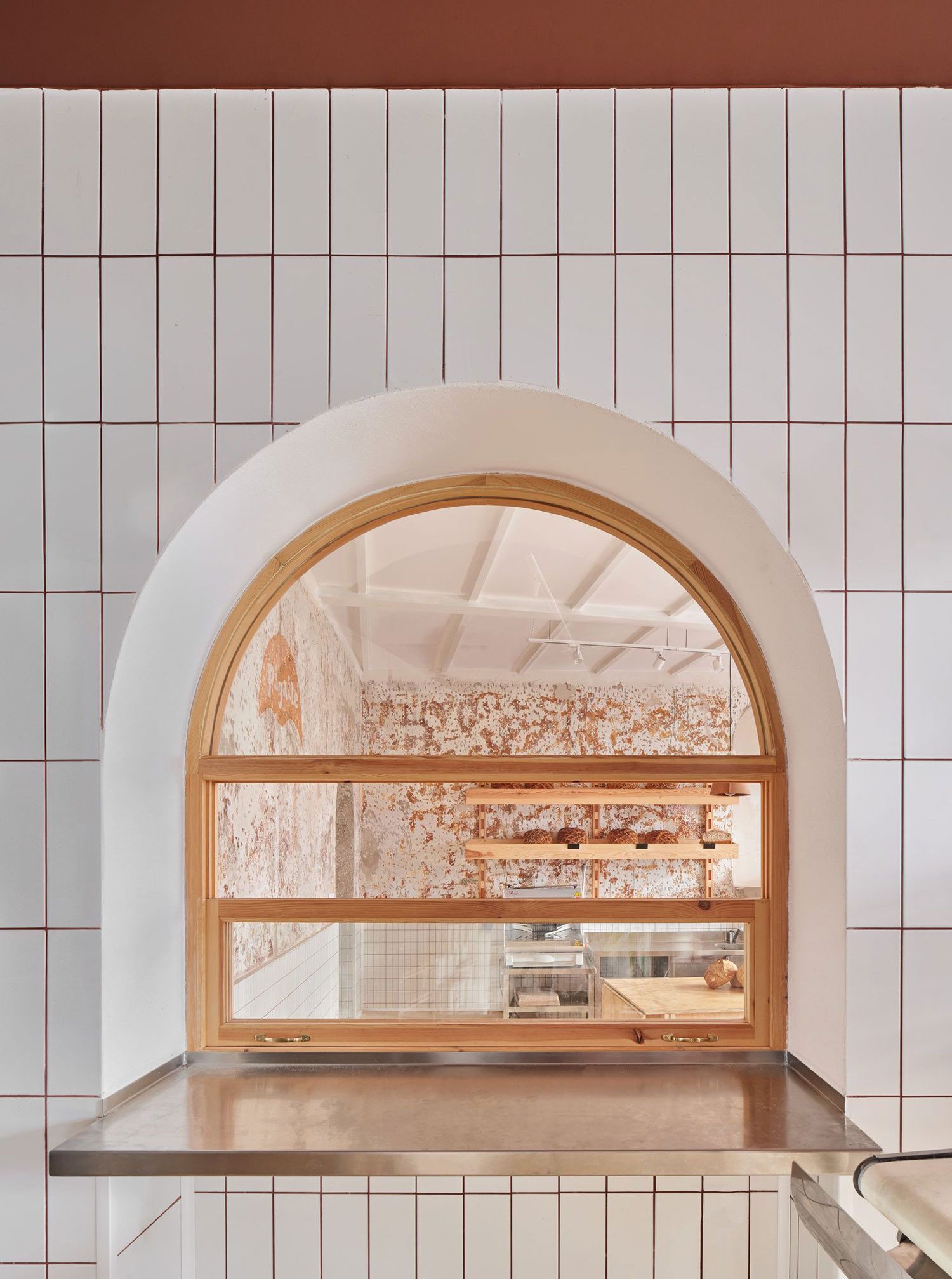
Horno Pigalle is more than just a bakery; it’s a carefully crafted experience that engages all the senses. By revealing the building’s historical layers, prioritizing transparency, and embracing natural materials, Estudi Biga has created a space that celebrates both the past and the present. It stands as a powerful example of how architectural restoration can contribute to a deeper understanding of local heritage and foster a stronger connection between a business and its community. In the heart of Maó’s old town, Horno Pigalle is a testament to the enduring power of good design to tell a story and create a lasting impact.