



At CES 2025, Toyota announced the completion of Phase 1 construction for its Toyota Woven City, a futuristic prototype urban development designed as a test course for future mobility. The project was first revealed at CES 2020, introduced to take shape as a fully connected ecosystem powered by hydrogen cells, designed by Bjarke Ingels Group. Located at the former Higashi-Fuji Plant site at the base of Mount Fuji in Japan, this human-centered urban experiment is envisioned as a living laboratory. It will become home to inventors, startups, and researchers as a place to co-create solutions for societal challenges while reimagining the future of urban life.
This bold vision, first glimpsed at CES 2018 and further elaborated in 2020, marks Toyota’s ambitious transformation from an automobile manufacturer to a comprehensive mobility company. The completion of Phase 1 represents a significant milestone in this journey, bringing the tangible reality of Woven City closer than ever.
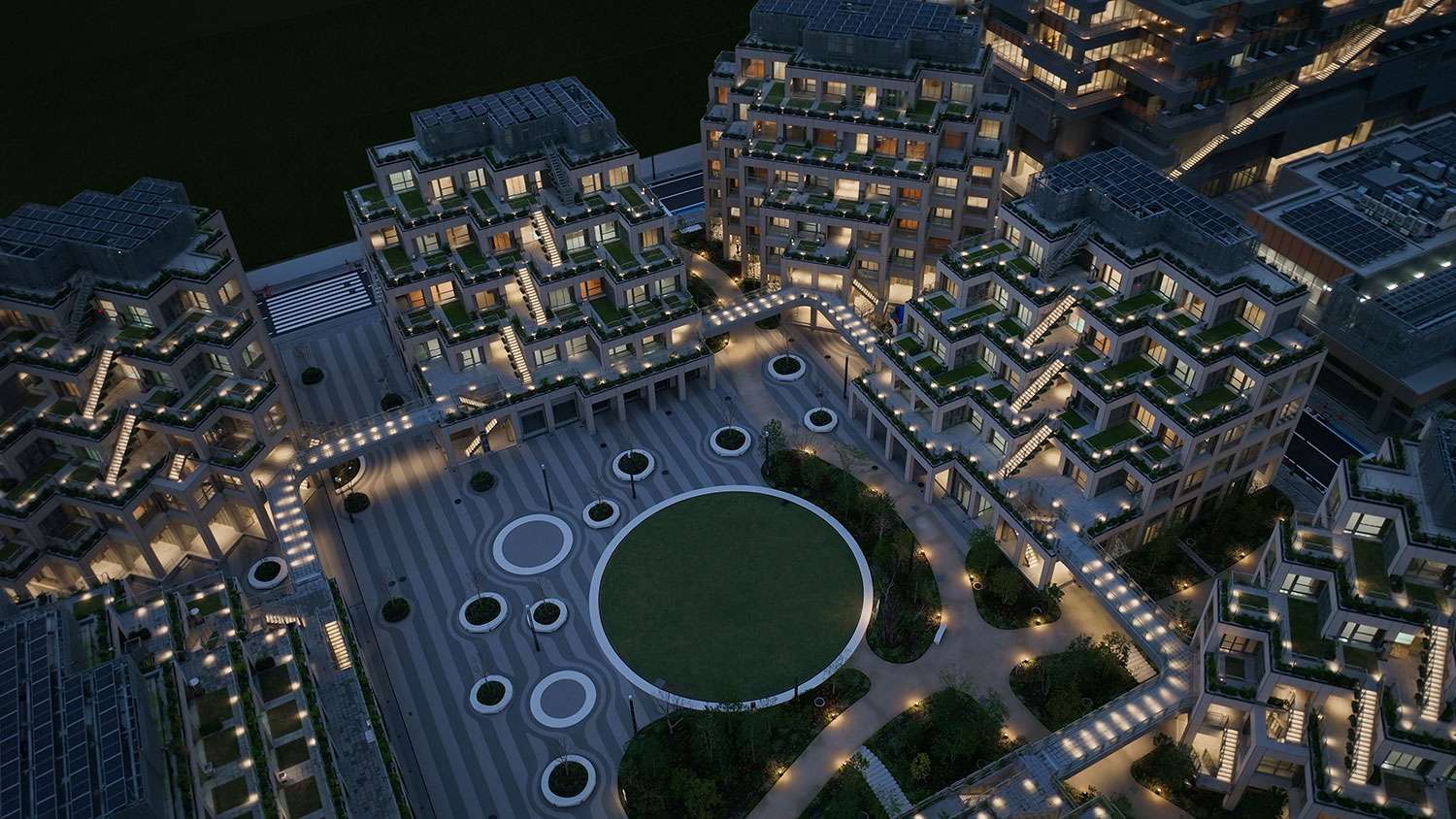
The masterplan, developed in collaboration with Woven by Toyota and designed by Bjarke Ingels Group (BIG), is underpinned by environmentally conscious principles and advanced technologies aimed at enhancing mobility, connectivity, and well-being across land, sea, air, and even space. This holistic approach has earned the project Japan’s first LEED for Communities Platinum certification, a testament to Toyota’s commitment to sustainability.
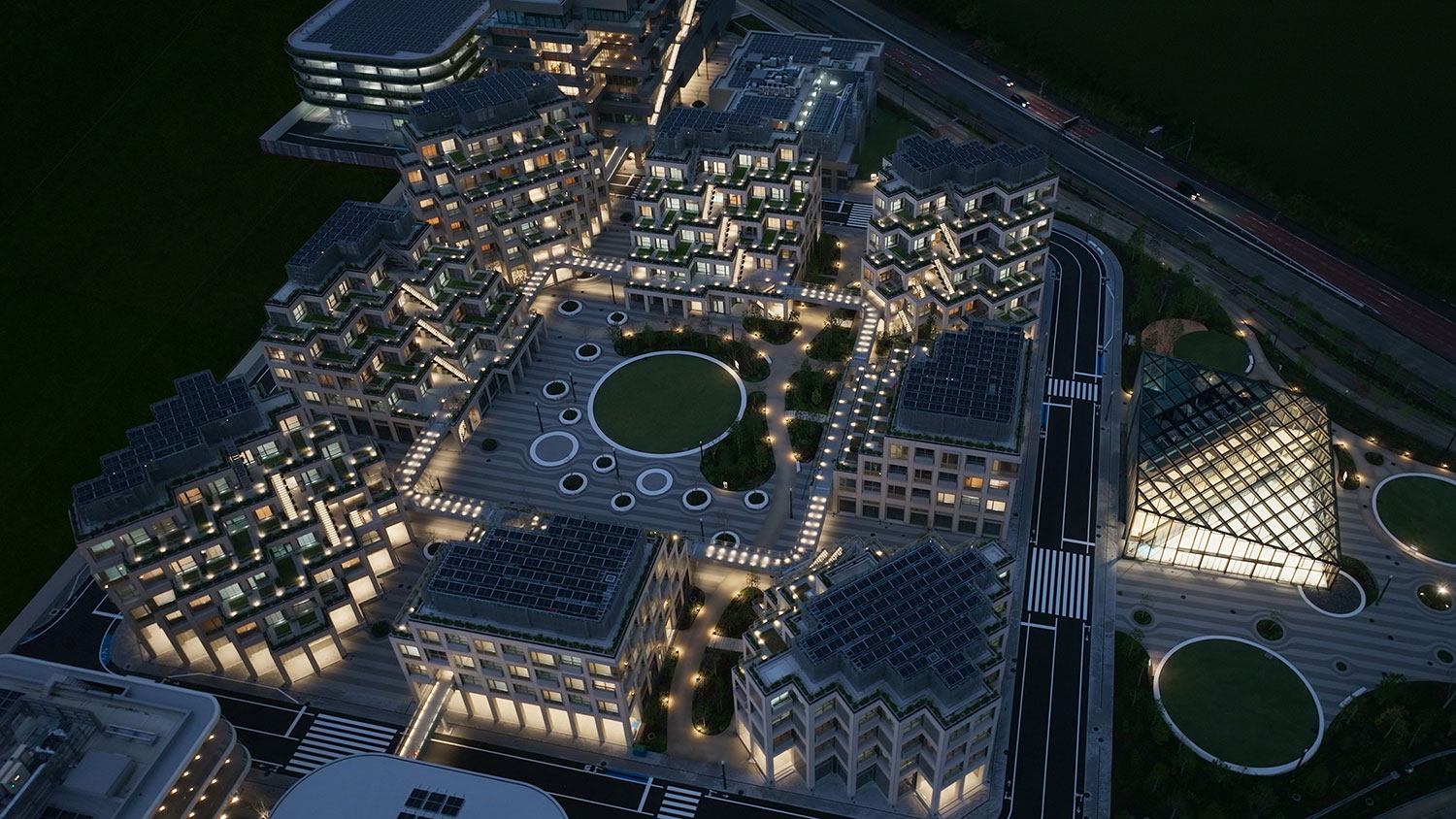
Phase 1 focuses on establishing a foundation for co-creation and innovation. The initial cohort of approximately 360 residents, including Toyota employees and their families, will inhabit a collection of purpose-built spaces designed to foster collaboration with external inventors, dubbed ‘Weavers.’ This initial population will act as a living testbed, providing invaluable feedback and insights that will inform the design and functionality of subsequent phases. As the city evolves, the population is projected to expand to 2,000 residents.
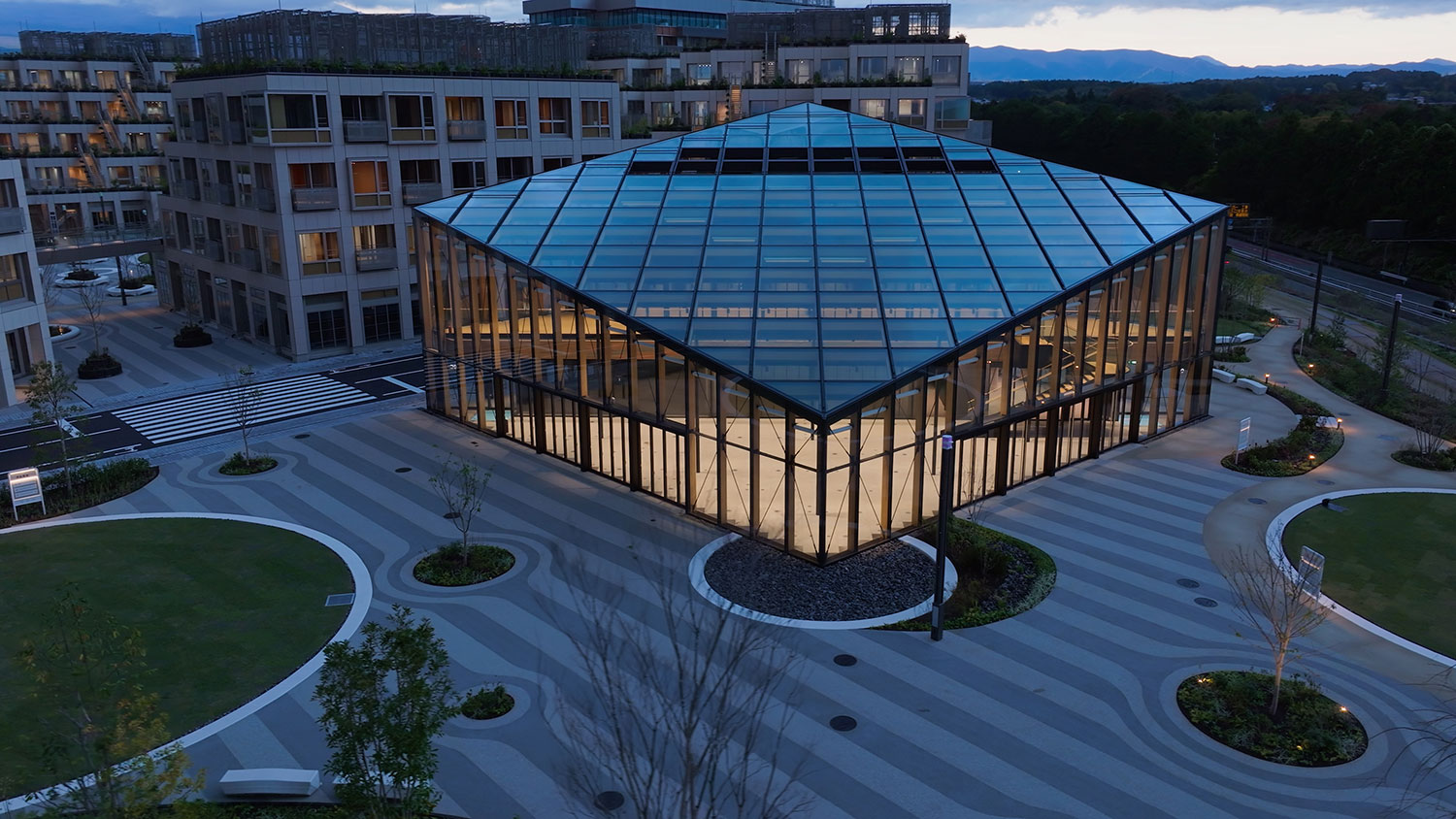
The architecture of Woven City, envisioned by BIG, reflects the project’s innovative spirit. The design seamlessly integrates various mobility systems, including autonomous vehicles, personal mobility devices, and pedestrian walkways, creating a dynamic and fluid urban environment. The streetscape is organized into three distinct types: a pedestrian-only promenade, a mixed-use street allowing for personal mobility devices, and a street dedicated to autonomous vehicles. This layered approach prioritizes pedestrian safety and promotes a harmonious coexistence between humans and machines.
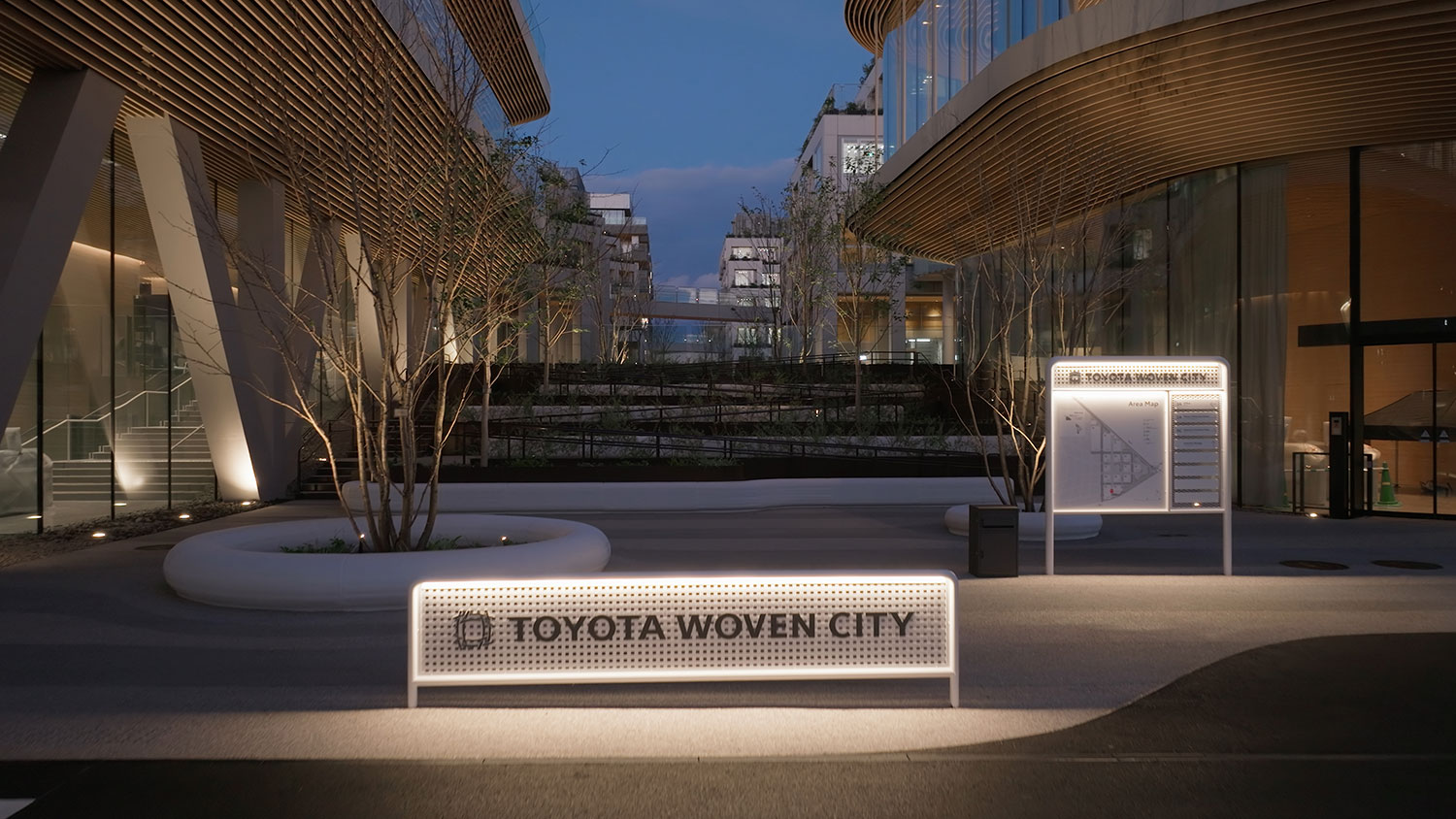
Beyond physical infrastructure, Woven City is built upon a sophisticated digital ecosystem. Toyota is leveraging its Arene OS software platform and advanced driver-assistance technologies (AD/ADAS) to redefine connectivity and safety. This digital layer will manage everything from traffic flow and energy consumption to resident services and data collection, creating a truly smart city.
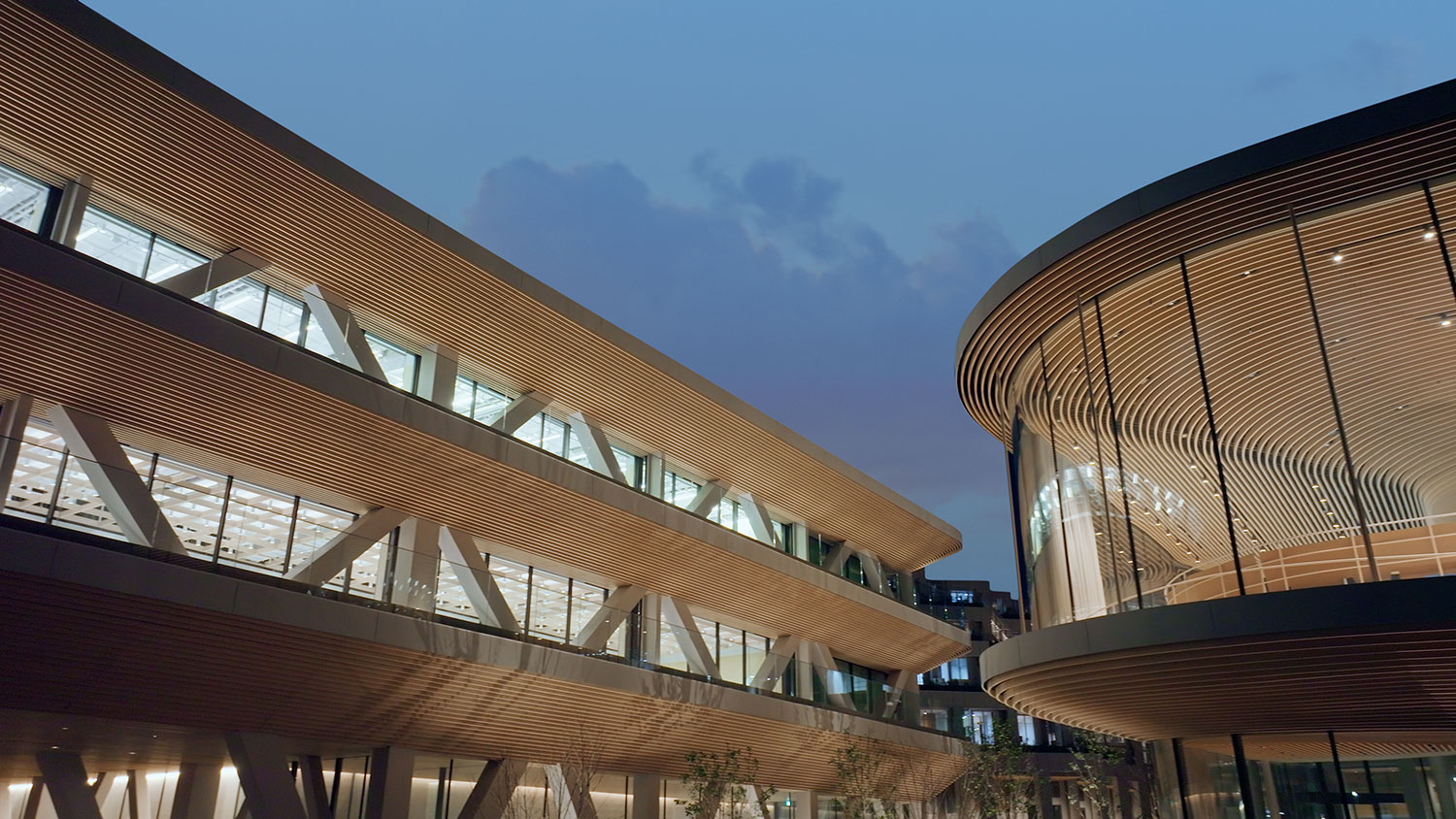
Woven City’s ambition extends beyond terrestrial boundaries. Woven by Toyota’s recent investment in Interstellar Technologies Inc. demonstrates a commitment to exploring the potential of space exploration, leveraging Toyota’s manufacturing expertise to support the mass production of rockets. This forward-thinking approach underscores the project’s overarching goal of pushing the boundaries of mobility in all its forms.
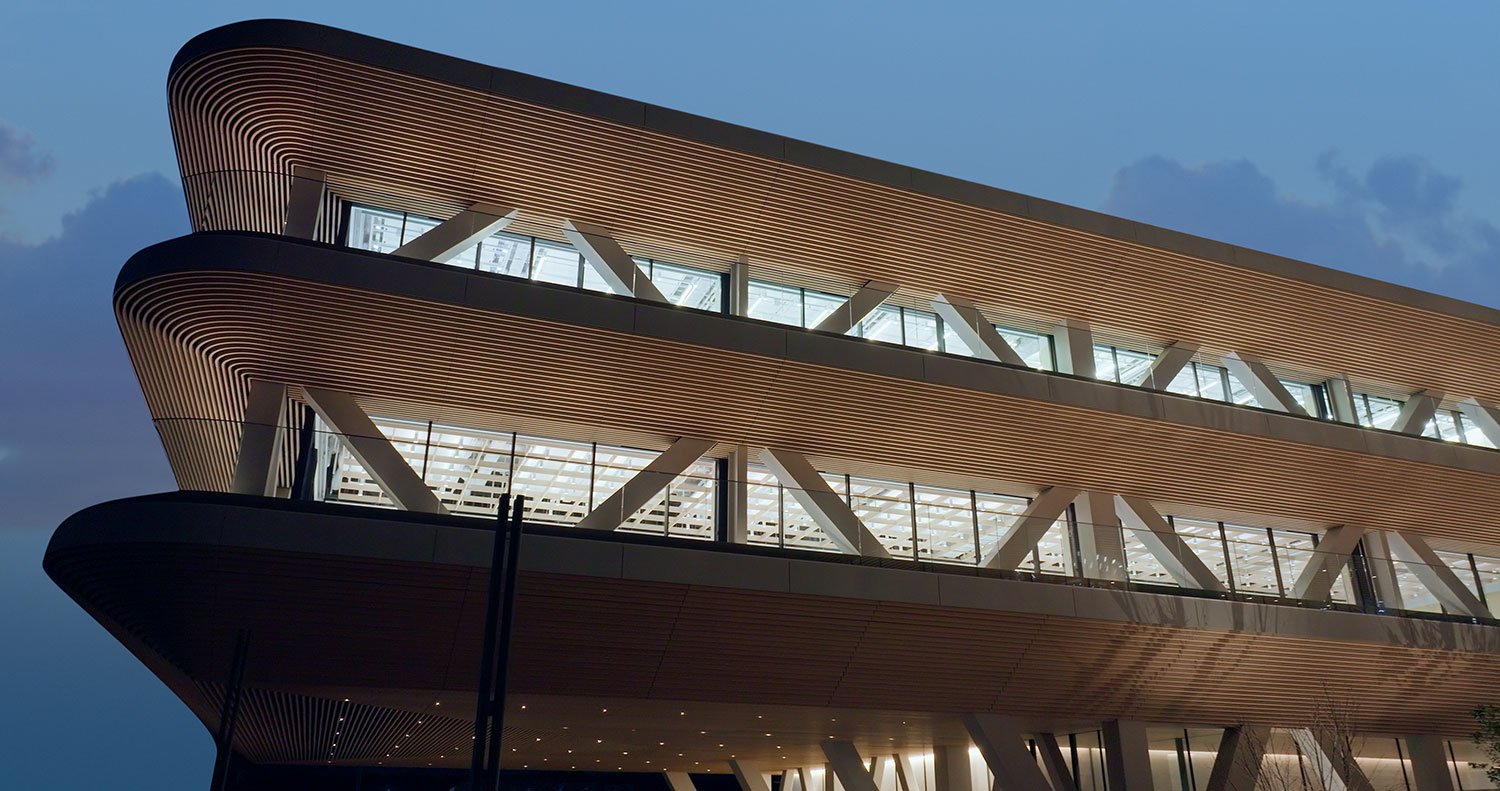
The city’s innovation ecosystem is further strengthened by strategic partnerships with established corporations and emerging startups, including ENEOS, NTT, and Rinnai. These collaborations bring diverse expertise and resources to the table, accelerating the development of cutting-edge solutions. To further cultivate innovation, Toyota plans to launch an accelerator program in summer 2025, inviting entrepreneurs, universities, and research institutions to participate in the city’s collaborative initiatives.
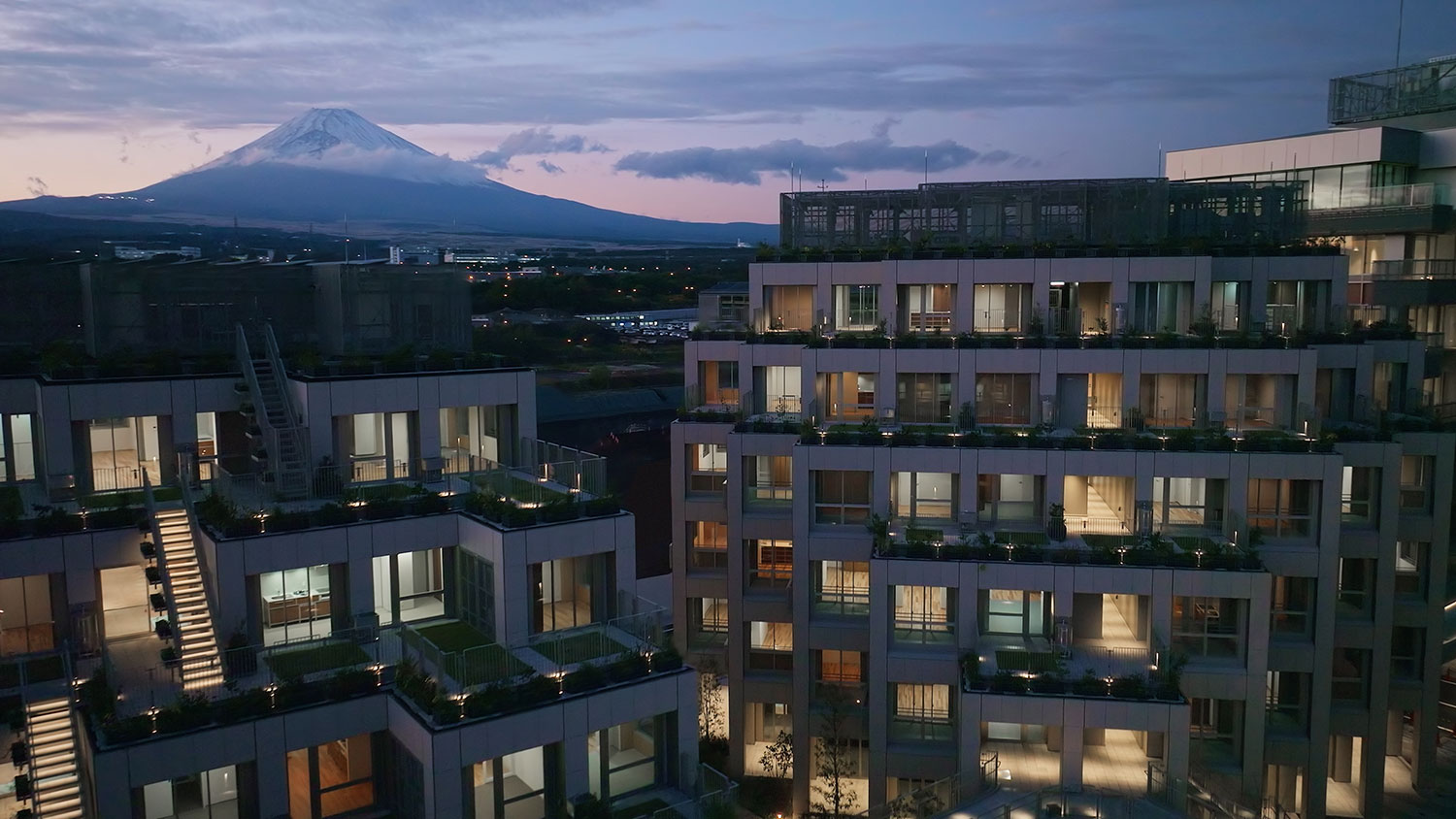
The completion of Phase 1 also marks progress in other key areas. Parts of the former Higashi-Fuji Plant are being repurposed as a manufacturing hub, further integrating the city with its industrial heritage. Preparations are also underway for Phase 2 construction, which will build upon the lessons learned from the initial phase and expand the city’s footprint.
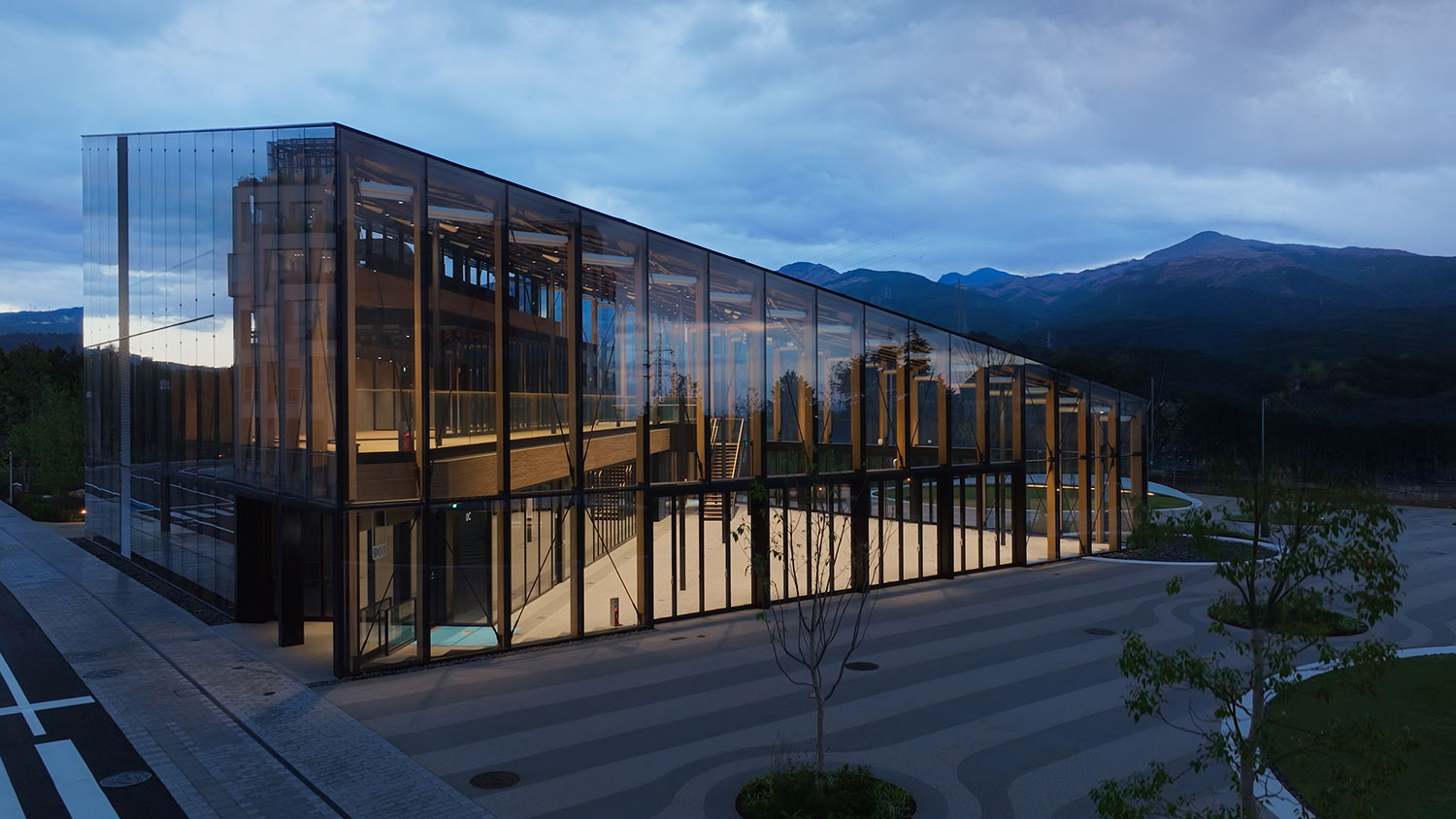
While the official launch is anticipated in fall 2025, the doors will open to the general public starting in 2026, offering a glimpse into the future of urban living. Woven City stands as a powerful symbol of Toyota’s commitment to innovation and a compelling vision for a more sustainable and connected future. It is not just a city; it is a living laboratory, a testbed for new technologies, and a testament to the power of human ingenuity.