


The increasing frequency and intensity of wildfires, as tragically demonstrated by recent events like those in Pacific Palisades, demand a critical reassessment of building practices, particularly in fire-prone regions. While the visual devastation is undeniable, a deeper analysis reveals crucial differences in how various construction methods withstand these destructive forces. This article provides a detailed comparison of wood-frame and concrete construction, exploring their strengths and weaknesses in the face of wildfires, and considering a wider range of factors that contribute to overall resilience.
Wood-Frame Construction: Tradition Meets Vulnerability
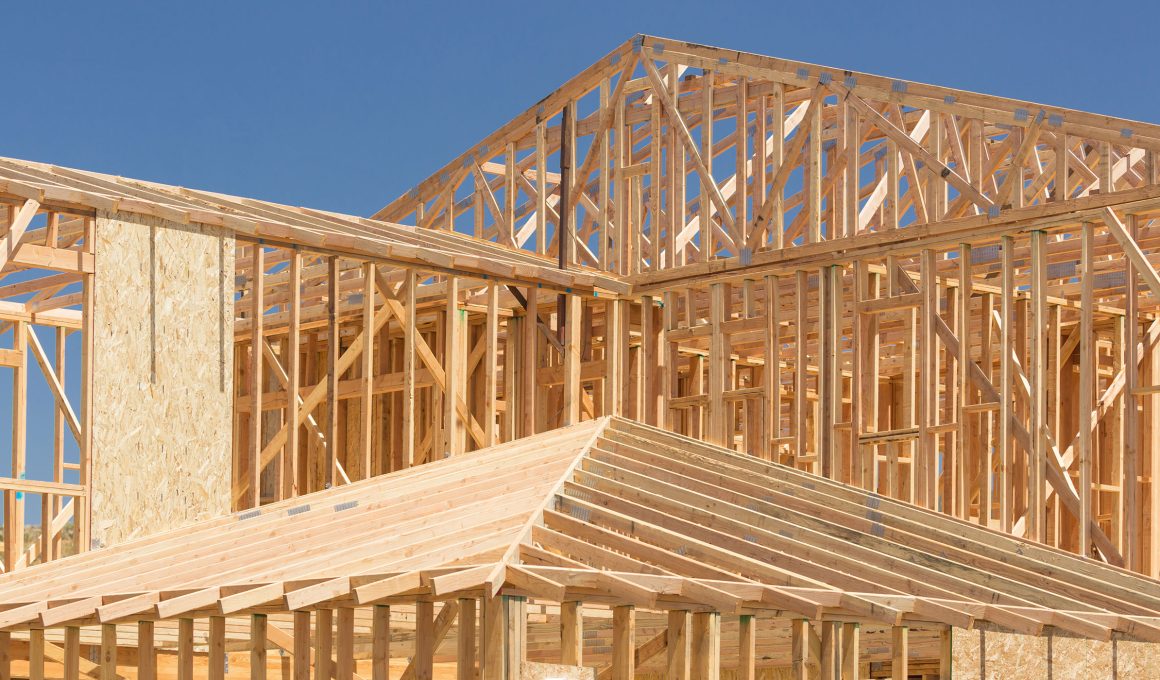
Wood-frame construction, with its deep roots in North American building traditions, offers several advantages. However, its inherent flammability presents a significant challenge in wildfire-prone areas.
Material Properties and Fire Behavior:
- Ignition and Flame Spread: Wood ignites at relatively low temperatures, and once ignited, it actively fuels the fire. The rate of flame spread depends on factors like wood species, moisture content, and surface roughness.
- Ember Ignition: Windblown embers, a primary cause of home ignitions during wildfires, can easily lodge in wood siding, decks, and roofing, smoldering and eventually igniting the structure.
- Structural Integrity: As wood burns, it loses structural integrity, potentially leading to collapse. The charring rate of wood is predictable, but prolonged exposure to intense heat can compromise load-bearing elements.
Construction Details and Vulnerabilities:
- Exterior Walls: Wood siding, while aesthetically pleasing, is highly flammable. Even treated wood can ignite under intense heat.
- Roofs: Wood shake or shingle roofs are particularly vulnerable to ember attacks.
- Decks and Overhangs: These elements provide surfaces for ember accumulation and can act as pathways for fire to reach the main structure.
- Vents and Openings: Vents, designed for ventilation, can allow embers to enter the attic or crawl space, igniting insulation and framing.
Concrete Construction: Robust Defense Against Fire
Concrete, a composite material with inherent non-combustibility, offers a stark contrast to wood in terms of fire resistance.
Material Properties and Fire Behavior:
- Non-Combustibility: Concrete does not burn. It can withstand extremely high temperatures without igniting or contributing to the fire load.
- Thermal Mass: Concrete’s high thermal mass absorbs and stores heat, slowing the transfer of heat through walls and roofs. This can help maintain cooler interior temperatures during a fire.
- Structural Integrity: Concrete retains its structural strength even under intense heat, providing greater protection against collapse.
Construction Details and Advantages:
- Walls and Roofs: Concrete walls and roofs create a robust barrier against fire, preventing its spread both within the structure and to neighboring properties.
- Ember Resistance: Concrete surfaces are impervious to ember attacks.
- Minimal Maintenance: Concrete requires minimal maintenance and is resistant to rot, insects, and other forms of deterioration.

A Comparative Analysis: Beyond the Basics
Cost Considerations:
- Initial Costs: Concrete construction generally has higher upfront costs compared to wood framing due to material and labor expenses.
- Long-Term Costs: However, concrete’s durability and lower maintenance requirements can lead to lower long-term costs. Additionally, potential savings on insurance premiums due to increased fire resistance should be considered.
Environmental Impact:
- Embodied Energy: Concrete production has a higher embodied energy (energy consumed in its production) compared to wood. However, advancements in concrete technology are reducing its environmental footprint.
- Sustainable Forestry: Responsible forestry practices can mitigate the environmental impact of wood construction.
Design and Aesthetics:
- Design Flexibility: Wood framing offers greater design flexibility, allowing for easier modifications and complex architectural features.
- Aesthetic Options: Both wood and concrete can be finished with a variety of materials to achieve different aesthetic styles.
Construction Time:
- Construction Speed: Wood-frame construction is typically faster than concrete construction.
The Pacific Palisades Wildfire: Lessons Learned
While detailed assessments of individual properties affected by the Pacific Palisades wildfire are still ongoing, the event underscores the importance of fire-resistant construction. Homes with concrete elements, fire-resistant roofing, and adequate defensible space likely fared better than those built primarily with wood.
A Holistic Approach to Wildfire Resilience
While the choice of construction material is crucial, a comprehensive approach to wildfire resilience involves multiple layers of protection:
- Site Planning and Landscaping: Creating defensible space by clearing vegetation, maintaining irrigated landscaping, and using fire-resistant plants.
- Roofing Materials: Choosing Class A fire-rated roofing materials like concrete or clay tiles.
- Windows and Doors: Installing dual-paned windows and fire-resistant doors and frames.
- Vents and Openings: Using fine-mesh screens on vents to prevent ember entry.
- Sprinkler Systems: Installing fire sprinkler systems, especially in high-risk areas.
Conclusion: Building for a Safer Future
In wildfire-prone regions, building with fire-resistant materials like concrete offers a significant advantage. While wood-frame construction can be made more fire-resistant through various measures, its inherent flammability remains a concern. By considering the full spectrum of factors, from material properties to site planning and landscaping, we can create more resilient communities that can better withstand the increasing threat of wildfires.