


Rome, the Eternal City, a living museum of architectural evolution, has welcomed a new addition to its storied landscape. Within the walls of the historic Palazzo Capponi, Zaha Hadid Architects (ZHA) has crafted the Hotel Romeo Roma, a project that respectfully engages with the building’s rich past while introducing a distinctly contemporary sensibility. This is not simply a hotel, but an exploration of time and style, a new layer in Rome’s architectural palimpsest.
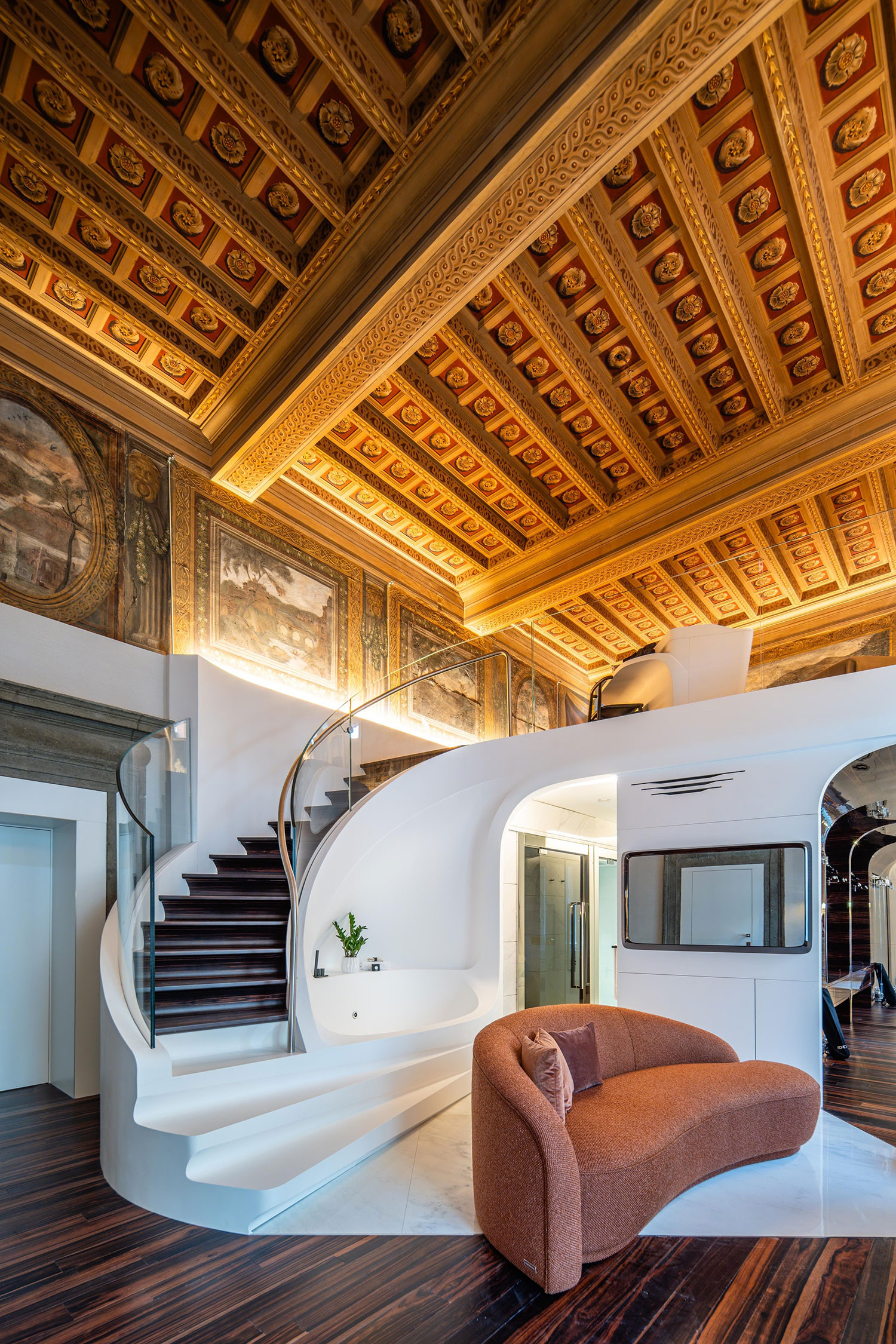
As ZHA, led by Paola Cattarin, explains, the design process began by looking up. Inspired by Rome’s tradition of trompe l’oeil ceilings – celestial vaults populated with saints and putti – the architects sought to create their own interpretation of the vault, a motif deeply embedded in the city’s architectural DNA. This concept became the driving force, shaping everything from the overall spatial experience to the smallest details of the furniture.
Alfredo Romeo, founder of Romeo Hotels, envisioned a unique experience within the historic fabric of Rome. The Palazzo Capponi, located on the Via di Ripetta near Piazza del Popolo, offered the perfect canvas. While its core dates back to the 16th century, the building had undergone significant alterations, including 1950s additions by the Istituto Nazionale Assistenza Infortuni sul Lavoro (INAIL), which had obscured much of the original interior. This layered history, however, presented an opportunity.
Romeo’s vision was clear: to create a dialogue between the building’s historical context and a contemporary design language. Partnering with ZHA in 2015, he sought to avoid the generic repetition found in many hotel interiors, opting instead for an original design that celebrated craftsmanship and innovation.
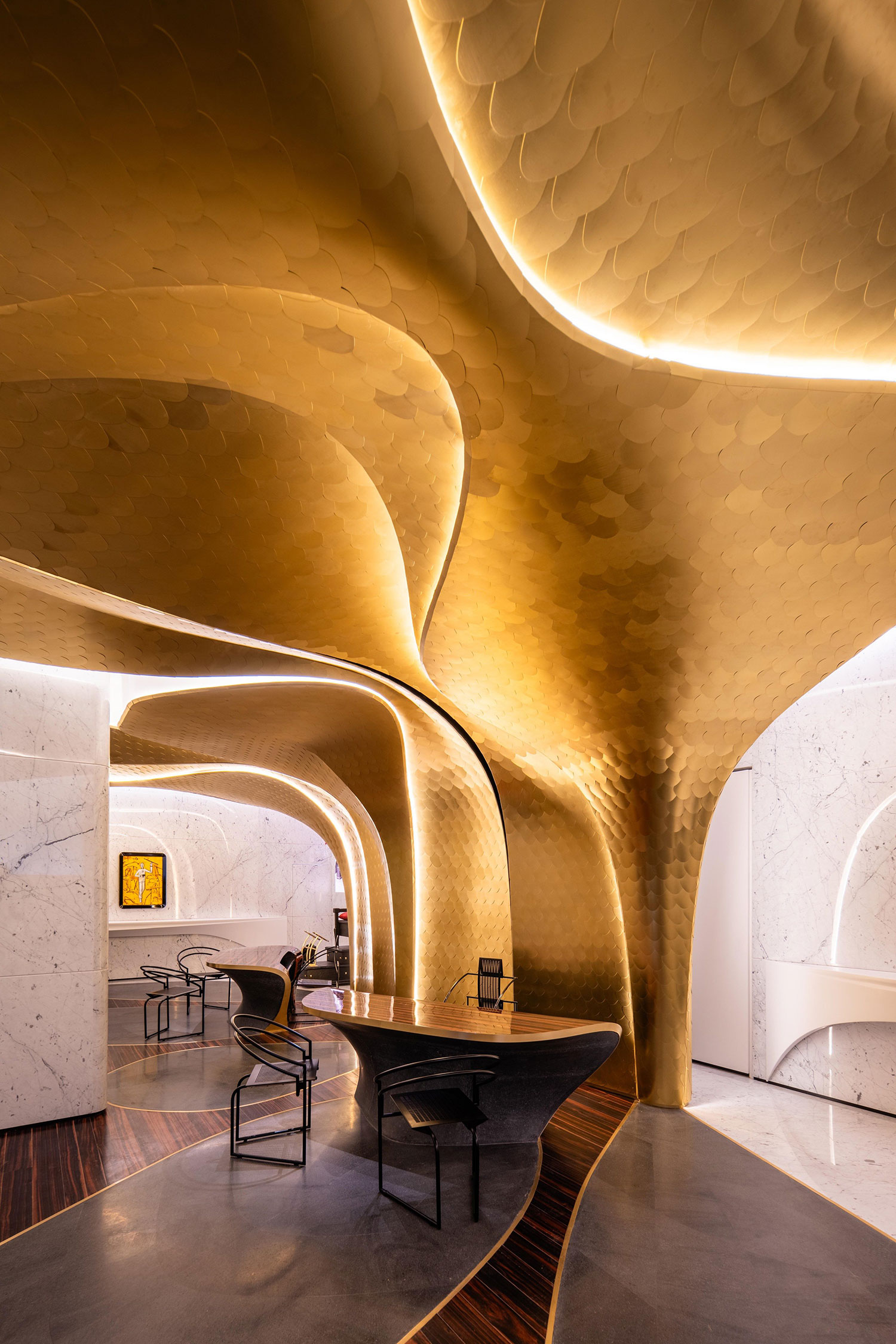
The challenge lay in reconciling the palazzo’s irregular layout with the need for a cohesive hotel experience. ZHA addressed this by establishing a processional sequence of spaces, guiding guests from the reception area through the former courtyard, now enclosed by a retractable glass roof, to the guest rooms and beyond to the garden. This newly created lobby acts as a central distribution point, connecting the restored grand stairways and providing a sense of orientation within the complex structure.
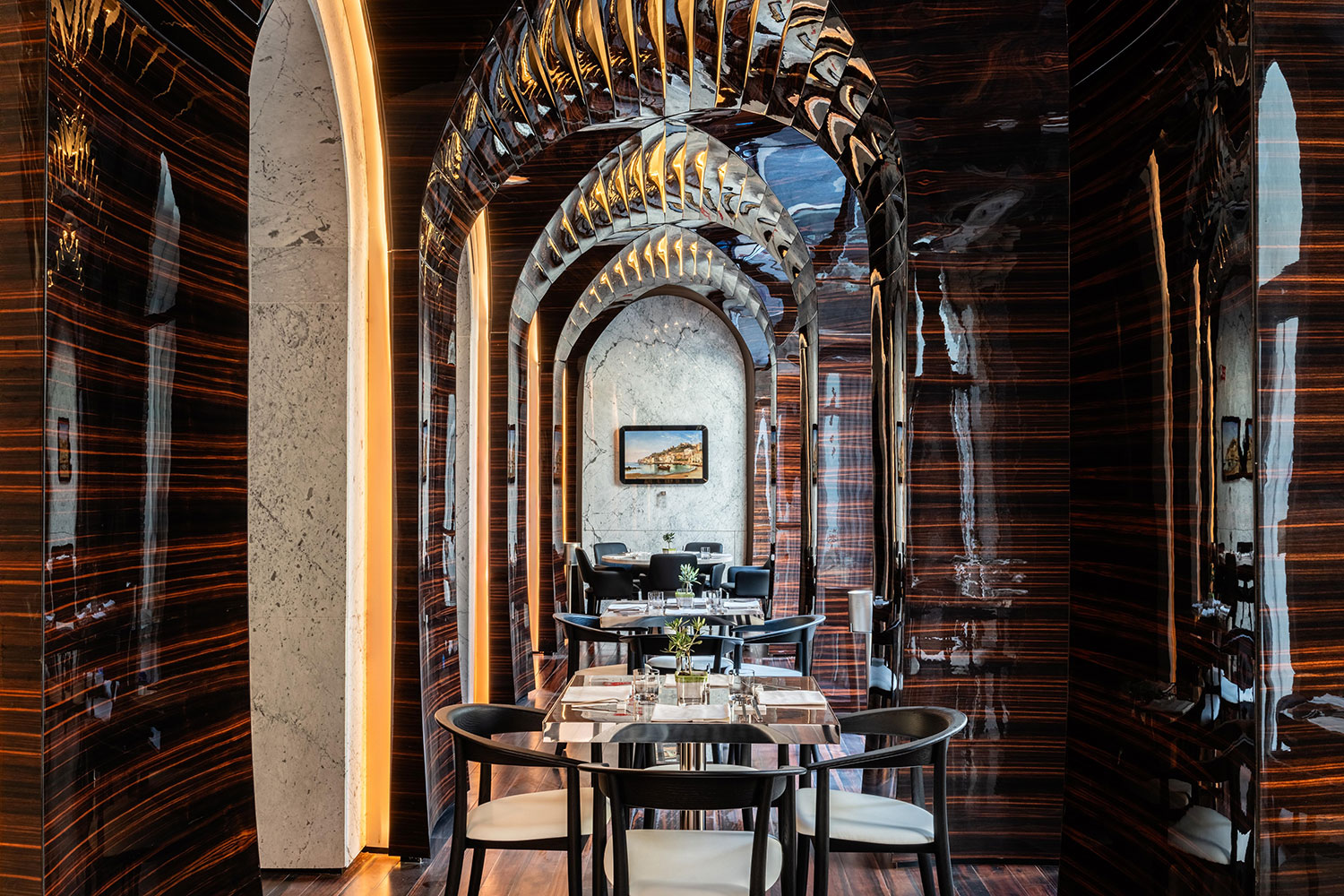
Instead of imposing a rigid, modular design, ZHA embraced the palazzo’s unique footprint, allowing for a variety of room typologies. This approach echoes the Italian tradition of craftsmanship, where each piece is imbued with the artist’s signature. ZHA’s mastery of three-dimensional form allowed them to create bespoke spaces, each with its own character.
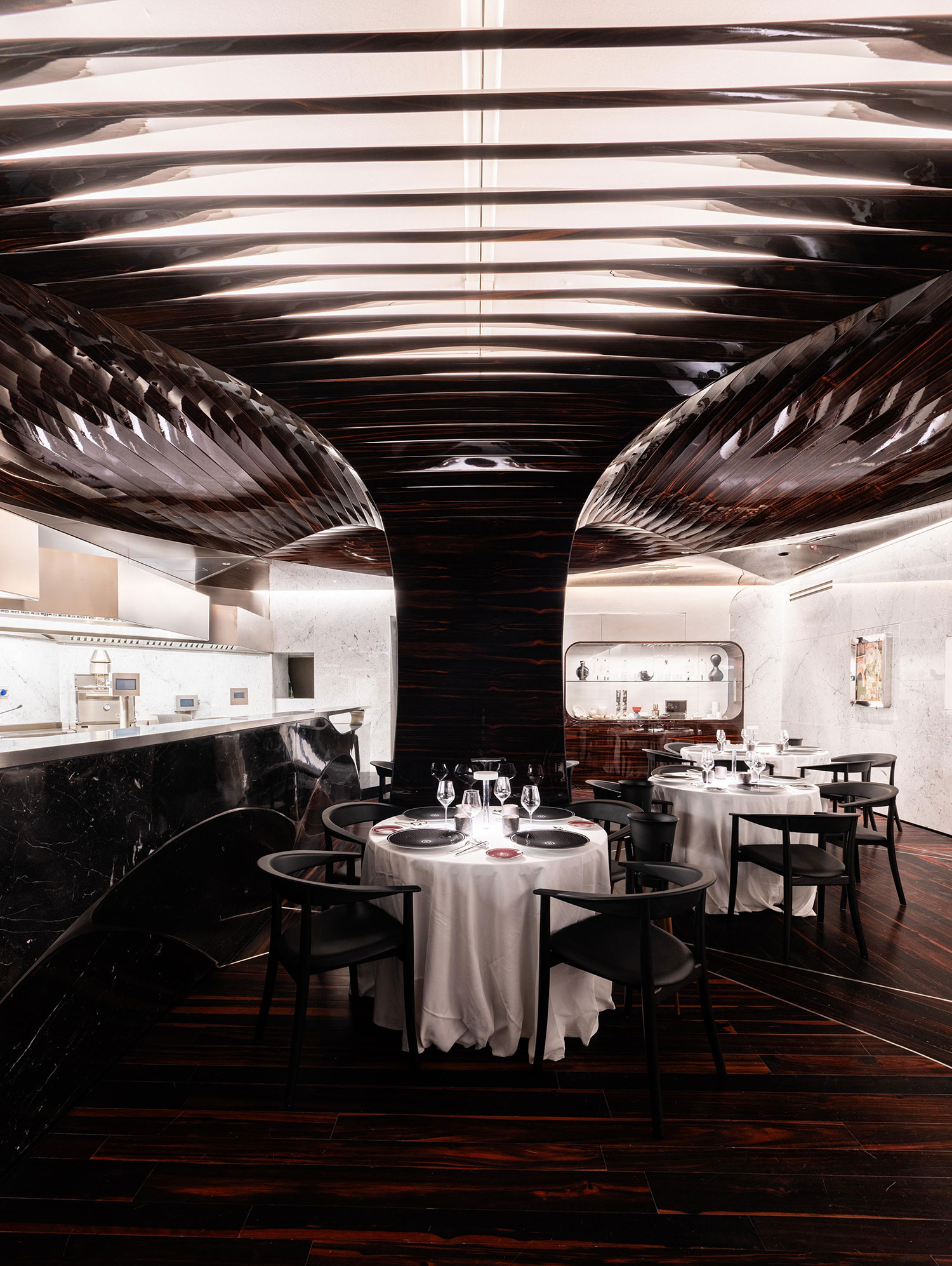
The vault, as the initial inspiration, plays a crucial role throughout the hotel. Drawing from the historical variations of Roman vaults – from simple barrel vaults to complex groin vaults – ZHA evolved this concept, adapting it to the palazzo’s irregular geometries. Intersecting vaults create dynamic spaces, generating moments of surprise and wonder, reminiscent of the Baroque architects’ pursuit of heavenly illusions.
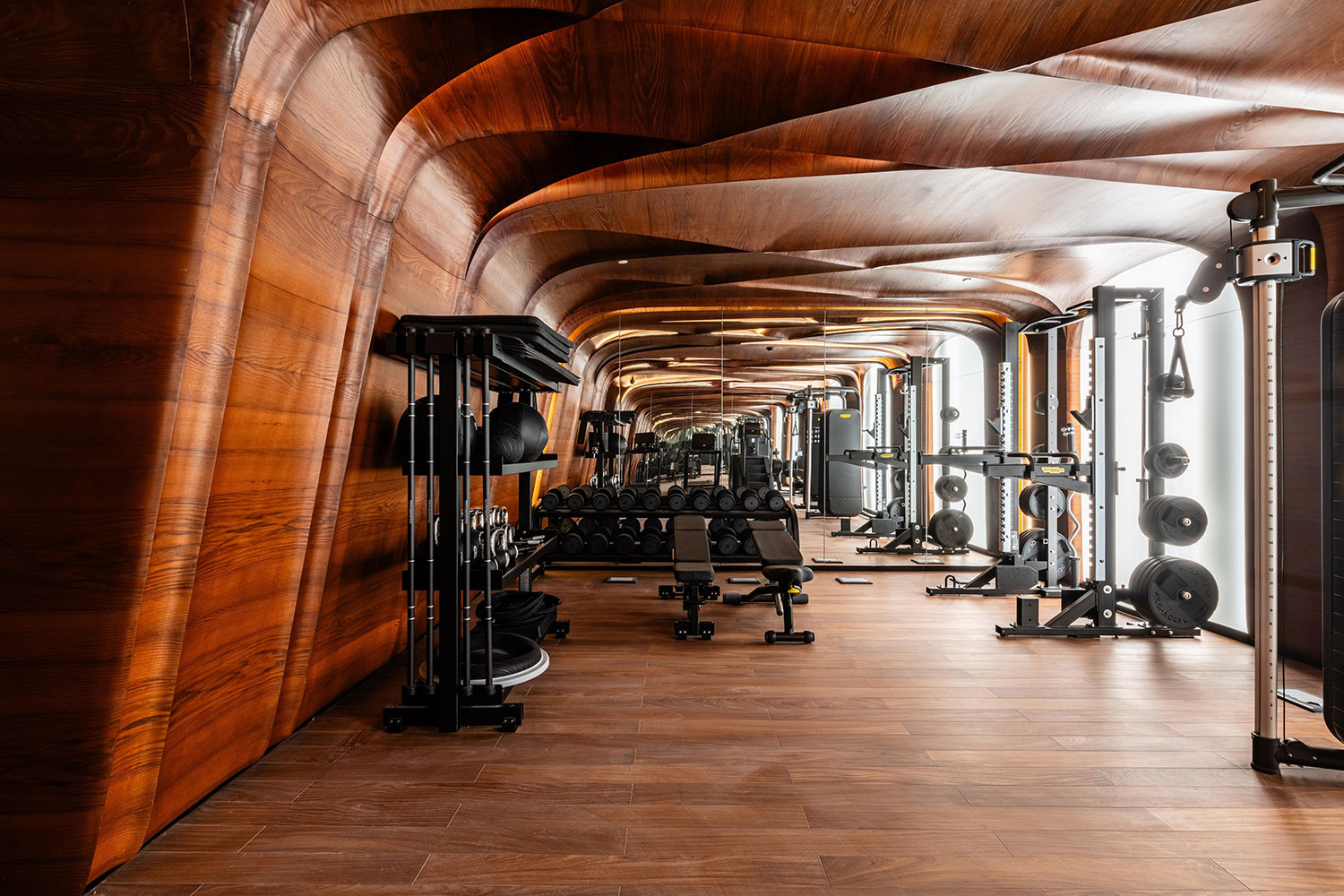
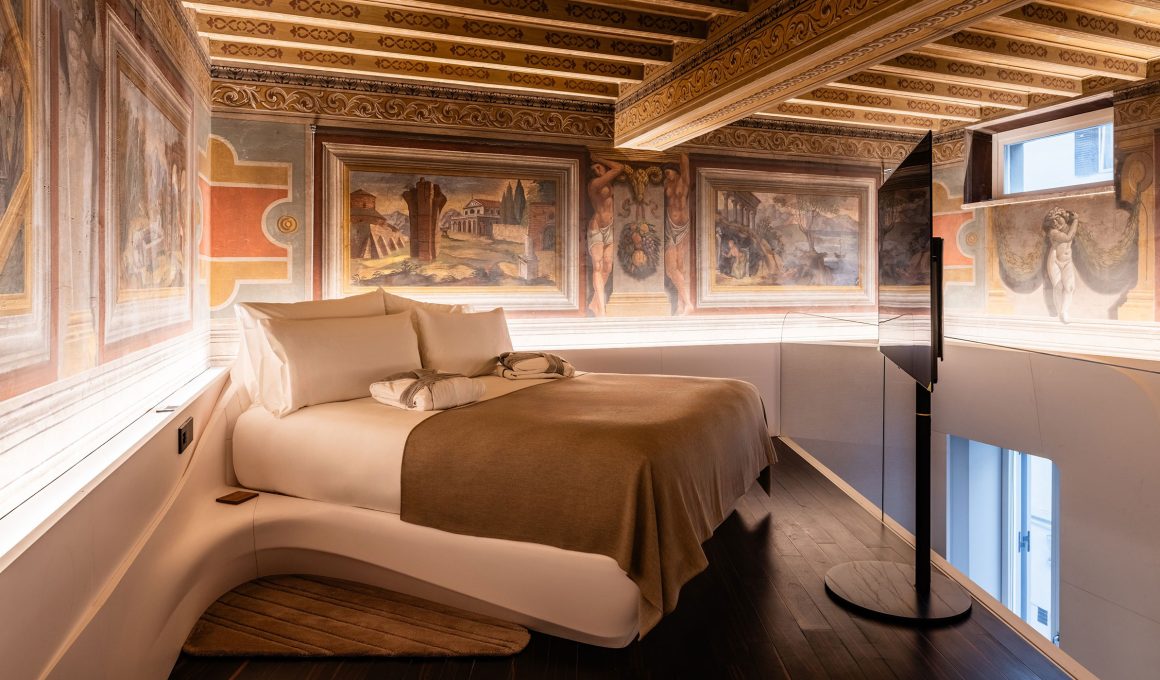
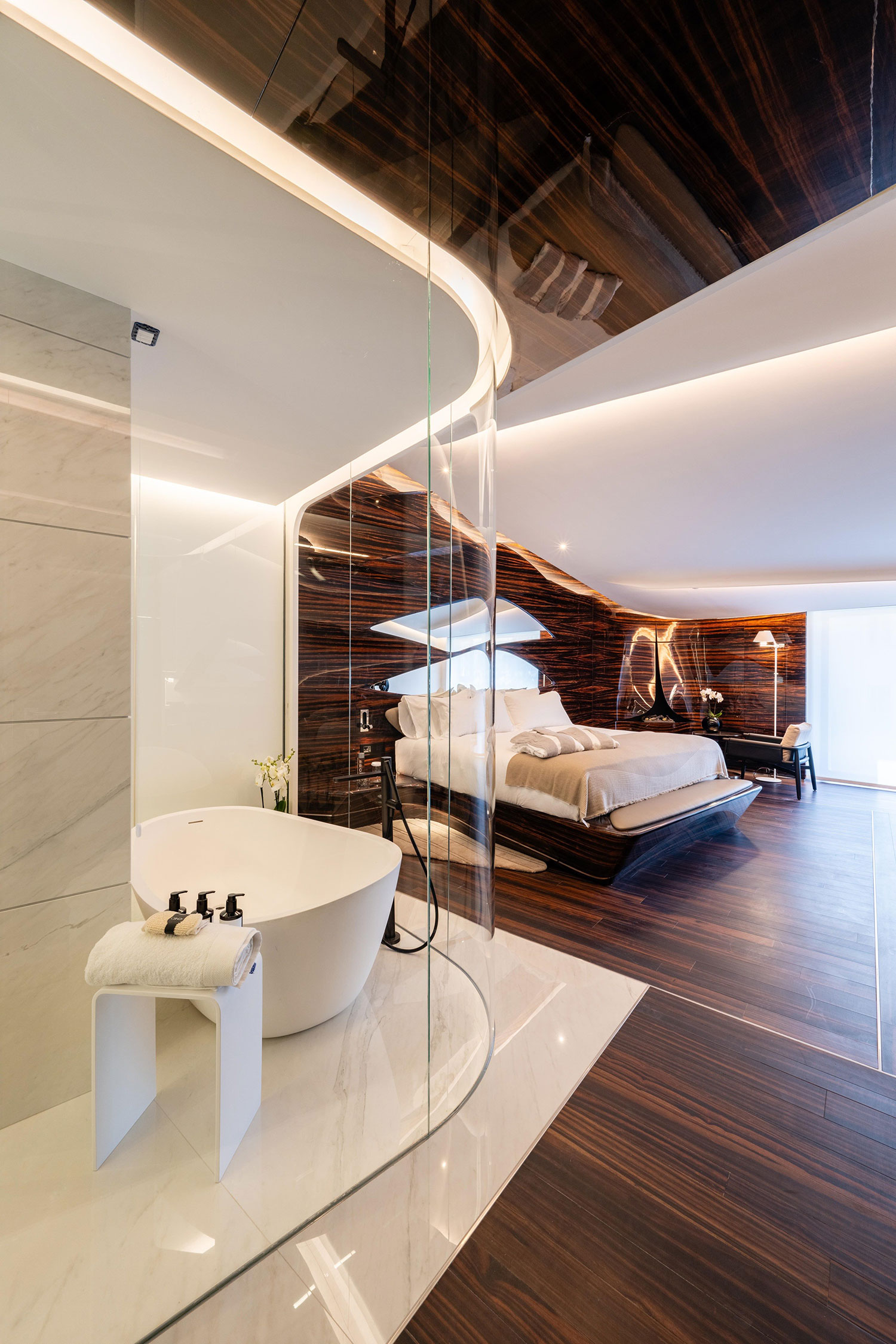
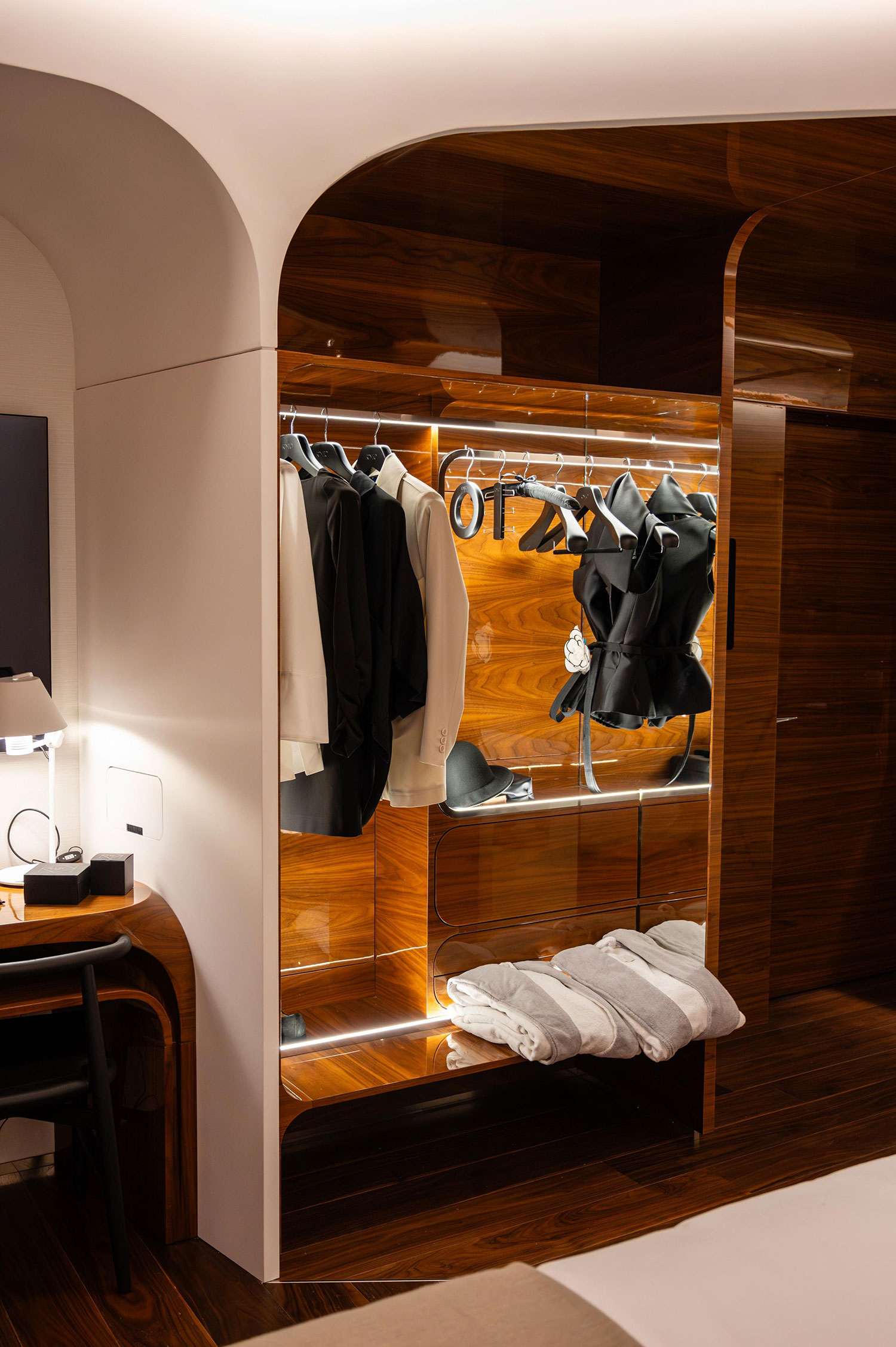
The 74 rooms and suites are designed with a sense of abundance, echoing the richness of Baroque frescoes. Complexity extends from the ceilings and walls to the furniture, creating a holistic spatial experience. Materiality, light, and form are carefully orchestrated to define each space, avoiding any sense of a rigid, top-down system.
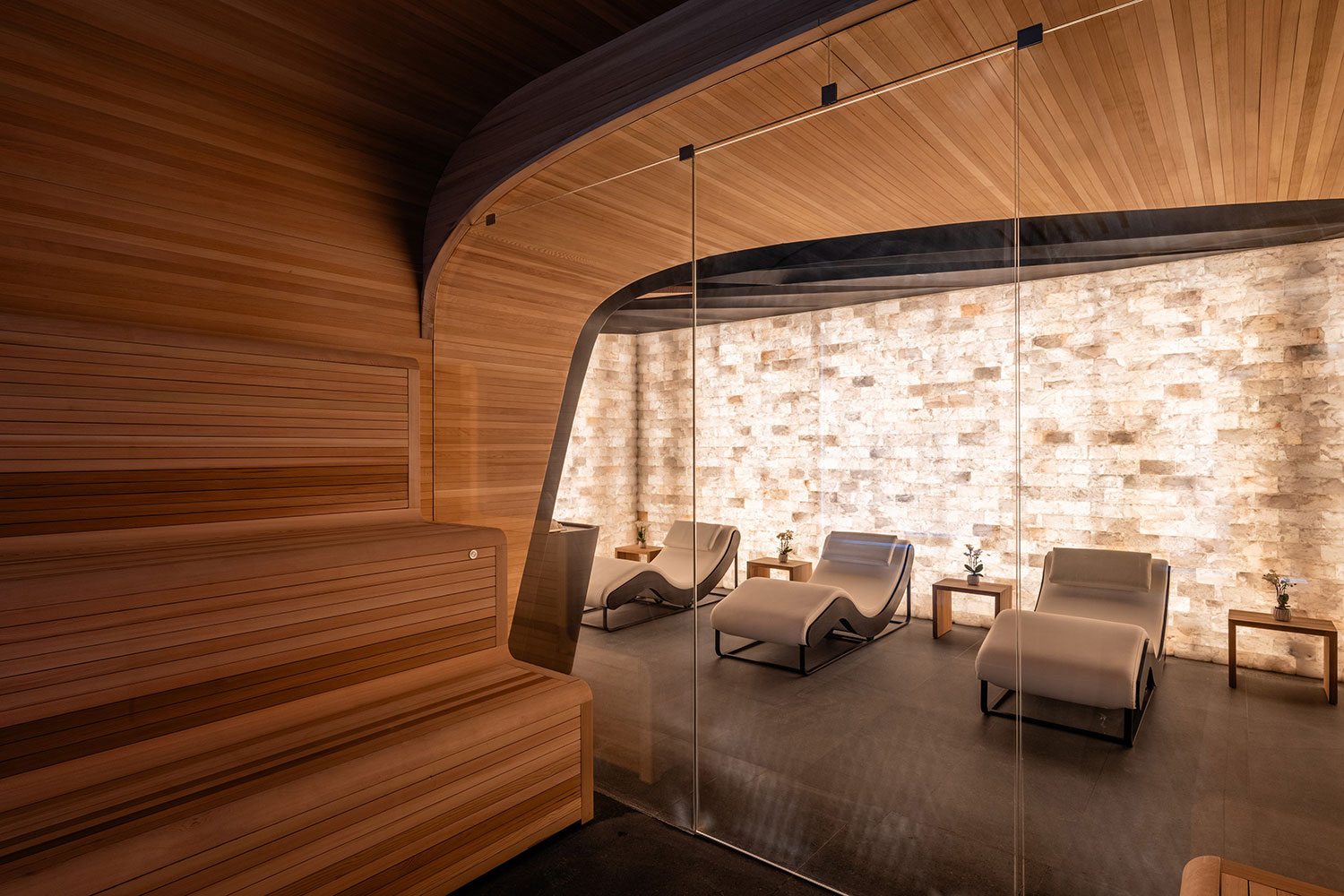
The material palette is equally rich, featuring Carrara Statuarietto and Nero Marquina marble, Makassar ebony, cedar, chestnut woods, and Krion. Restored 17th-century frescoes grace some suites on the piano nobile, while others offer private terraces with panoramic city views. The lobby features brass circuli set into lava stone and ebony floors, while the spa utilizes Sicilian rock salt, tadelakt, cedar, and ash.
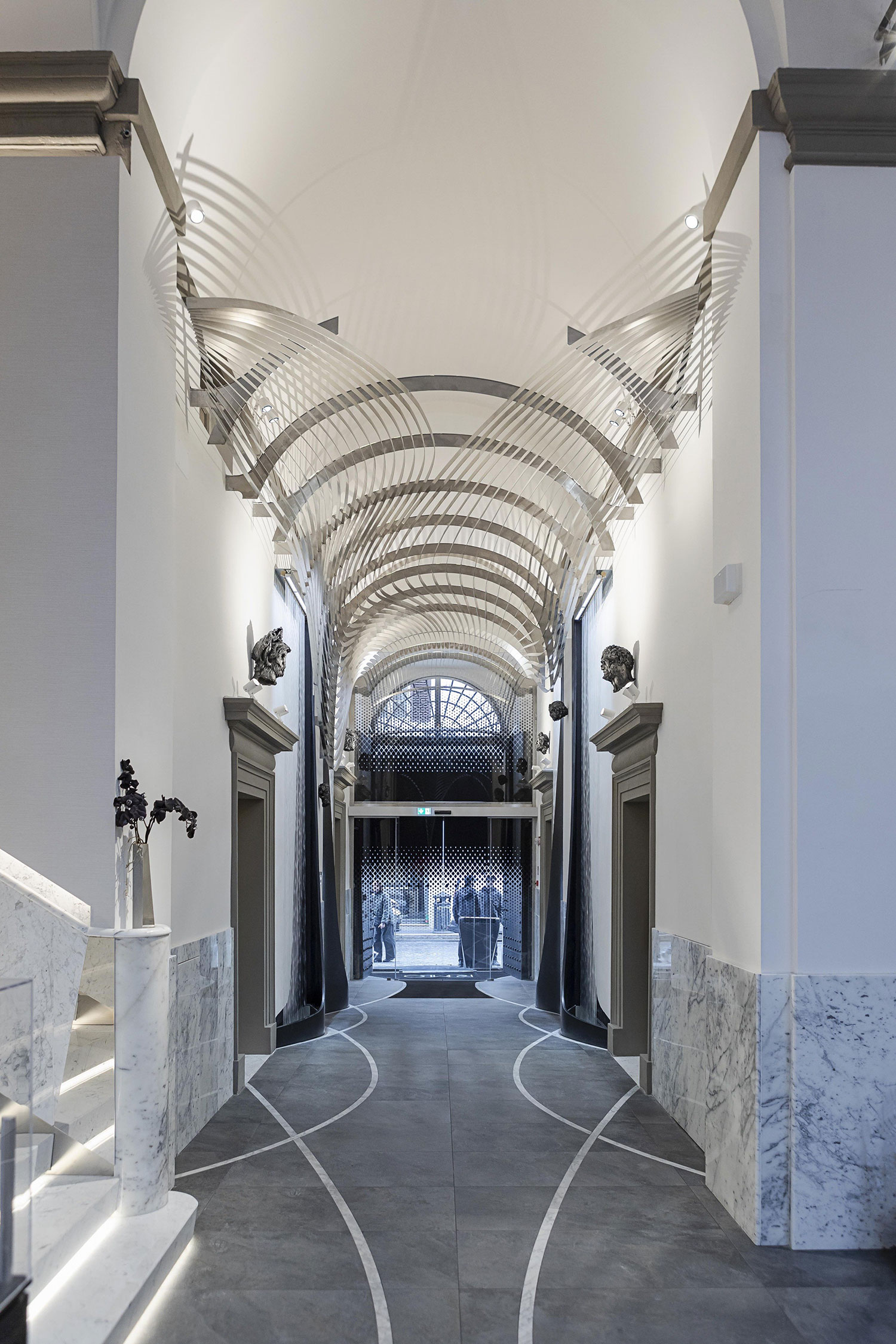
The project was not without its challenges. The building’s age and historical significance required extensive structural reinforcement and meticulous oversight by the Soprintendenza Speciale Archeologia, Belle Arte e Paesaggi di Roma. To accommodate modern services without altering the historic fabric, a “second skin” was created within the interiors, housing the necessary infrastructure.
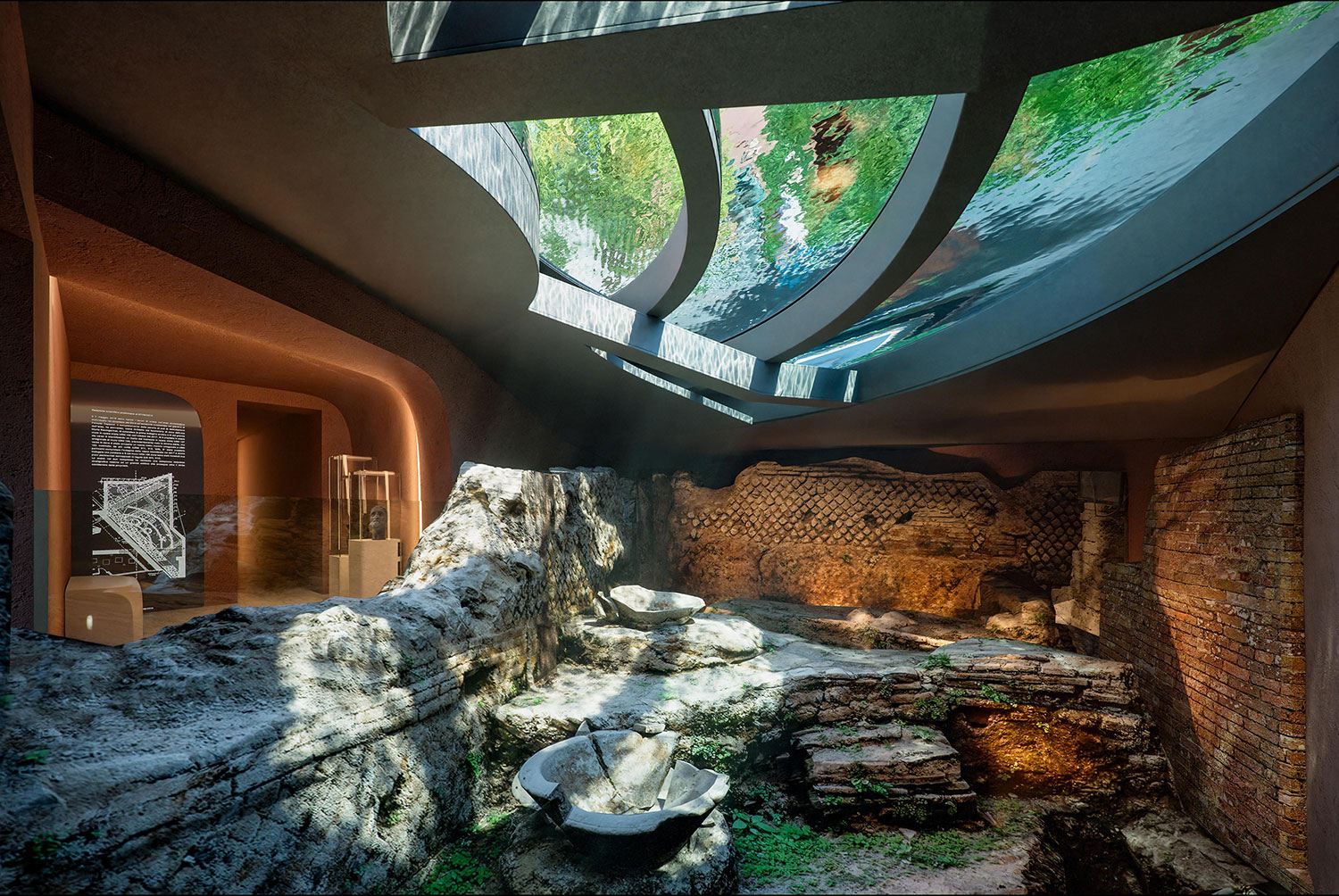
During excavation for the garden, a remarkable discovery was made: a Roman bottega with an opus reticulatum wall. This find was carefully preserved, with a 90 sq. m gallery carved into the ground to showcase it. The gallery’s glazed ceiling doubles as the floor of the hotel’s swimming pool, offering guests a unique glimpse into Rome’s ancient past.
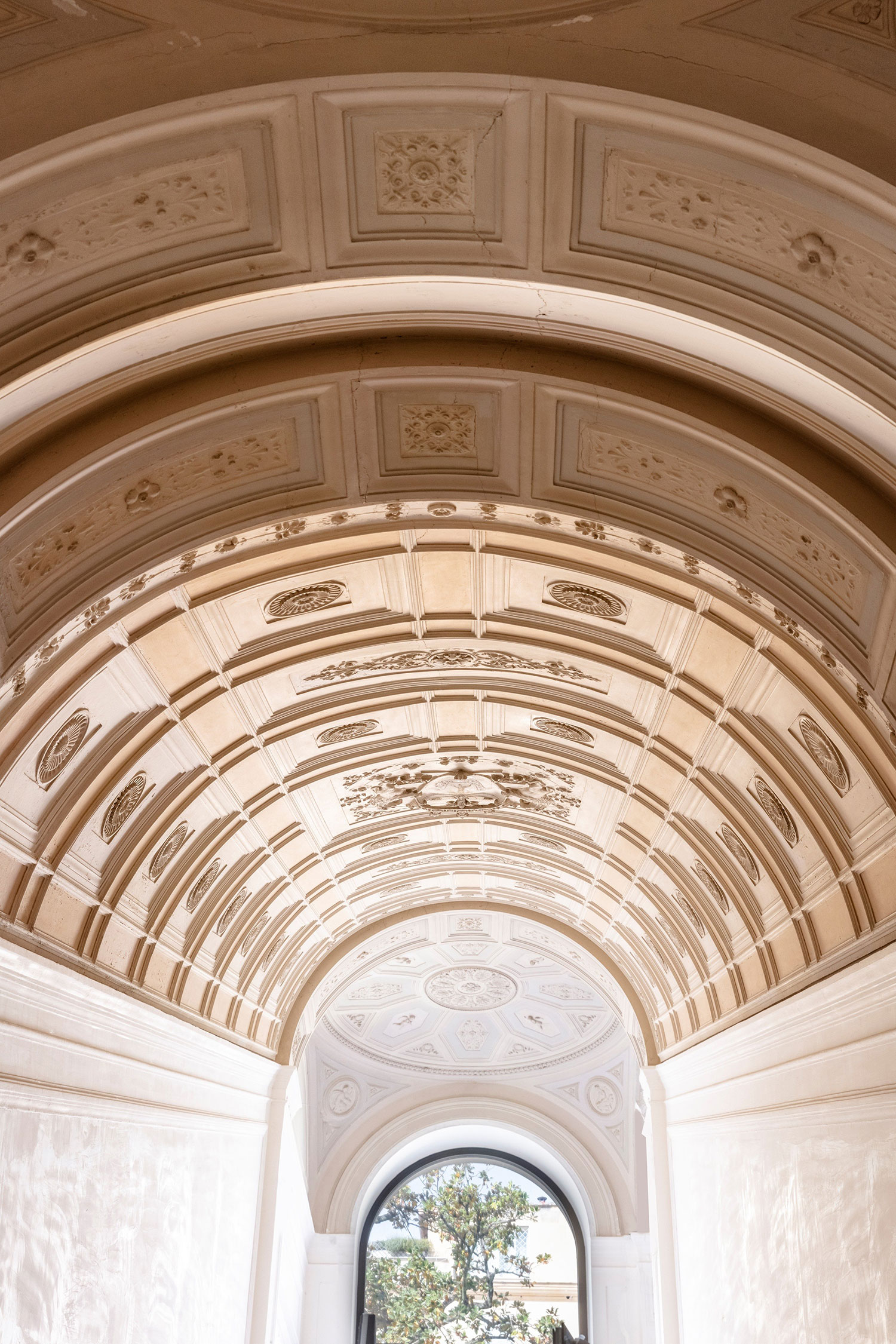
More than just a hotel, the Romeo Roma offers an immersive experience, a journey through time where guests can inhabit a space that embodies both the grandeur of Rome’s past and the innovative spirit of contemporary design. It is a place where history and modernity converge, creating a truly unique and unforgettable stay.