

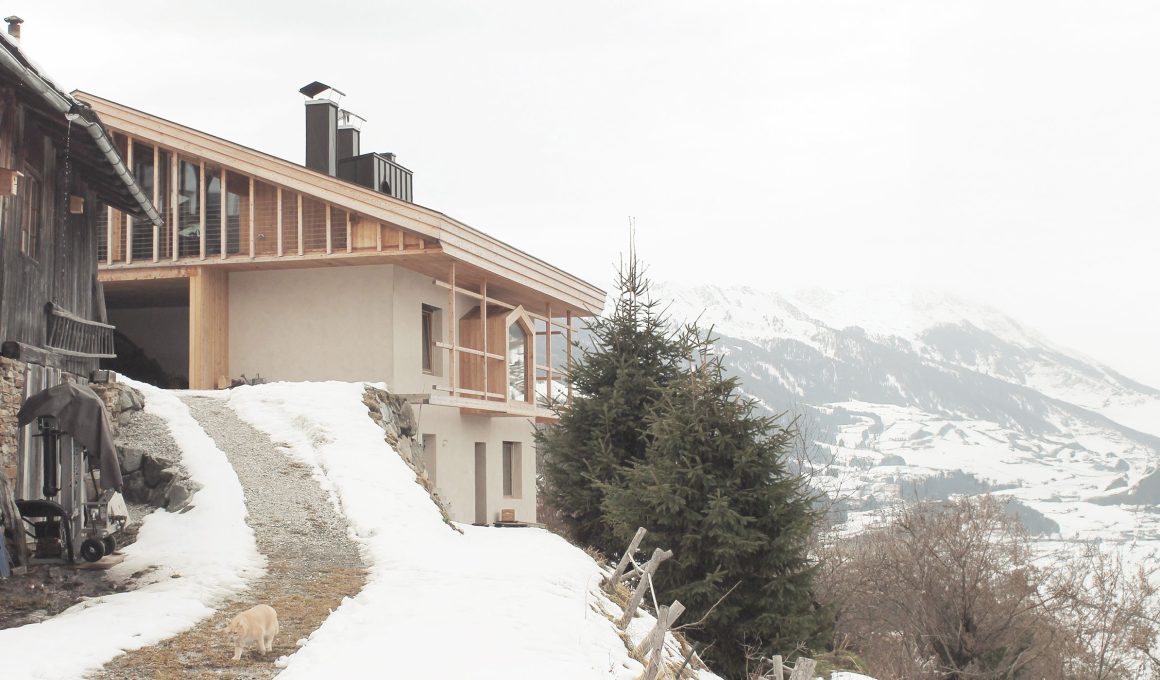
High above Vipiteno, where the South Tyrolean landscape unfolds in dramatic vistas, Alpina Architects have sensitively reimagined a traditional “maso,” or Alpine farmhouse, for clients Lisa and Bert. This project is a masterclass in balancing respect for vernacular architecture with the desire for contemporary living.
The original structure, like many in the region, was a testament to centuries of resourceful building practices. Its solid stone walls and pitched timber roof spoke of resilience against harsh winters, while its internal layout reflected a pragmatic approach to rural life. The integration of the barn directly into the main volume was a unique feature, albeit one that had lost its original function.
Lisa and Bert sought a home that honored this heritage while embracing modern comforts. They envisioned a space that blurred the lines between indoors and out, offering both intimate retreats and expansive views of the surrounding mountains. The program called for two distinct living units: a vacation apartment on the lower level and the main residence occupying the upper floors.
Alpina Architects‘ design strategy was rooted in a deep understanding of the existing structure. They preserved the load-bearing elements, reconfiguring the interior to create a more fluid and light-filled environment. The ground floor now houses a series of cozy bedrooms, while the former attic has been transformed into a generous living space.
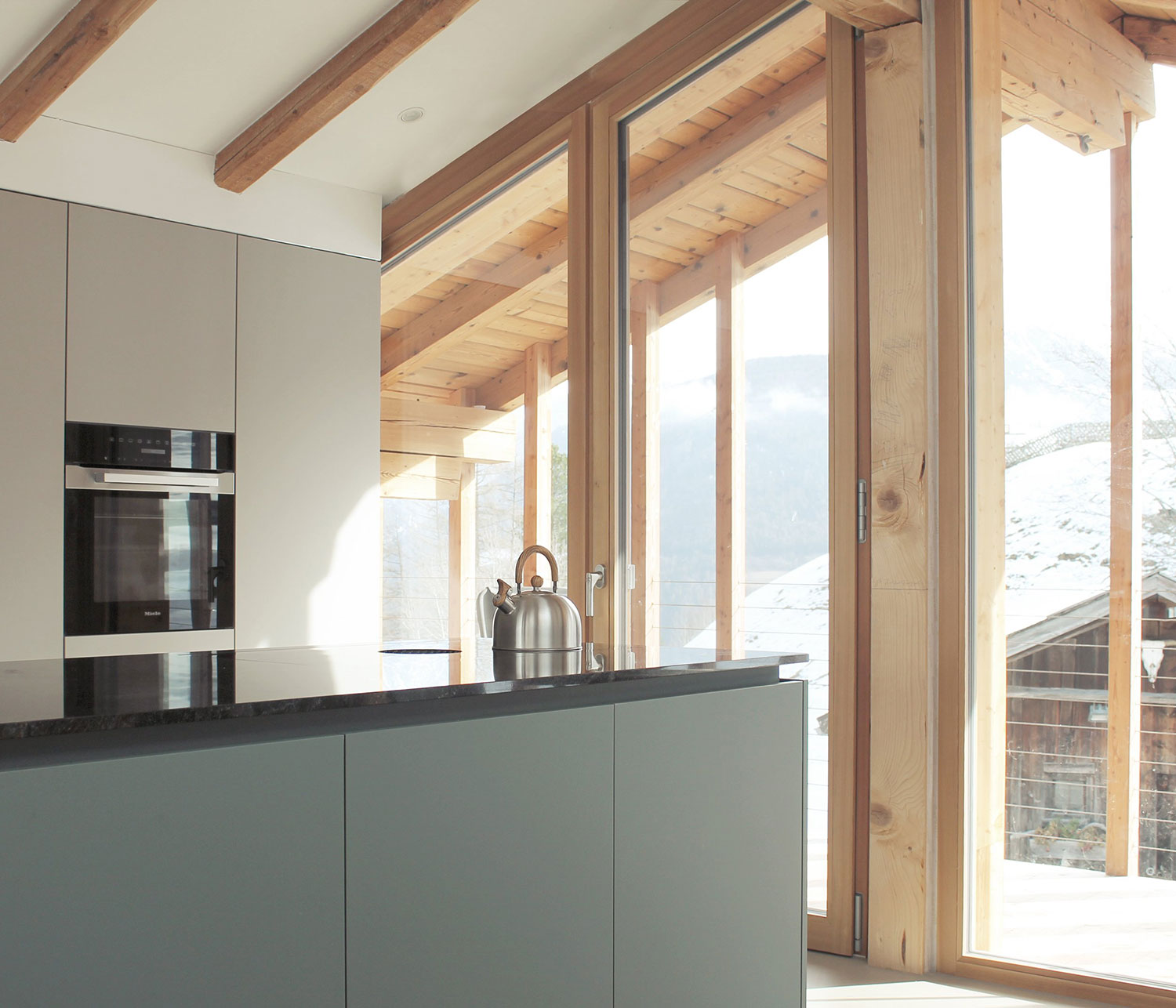
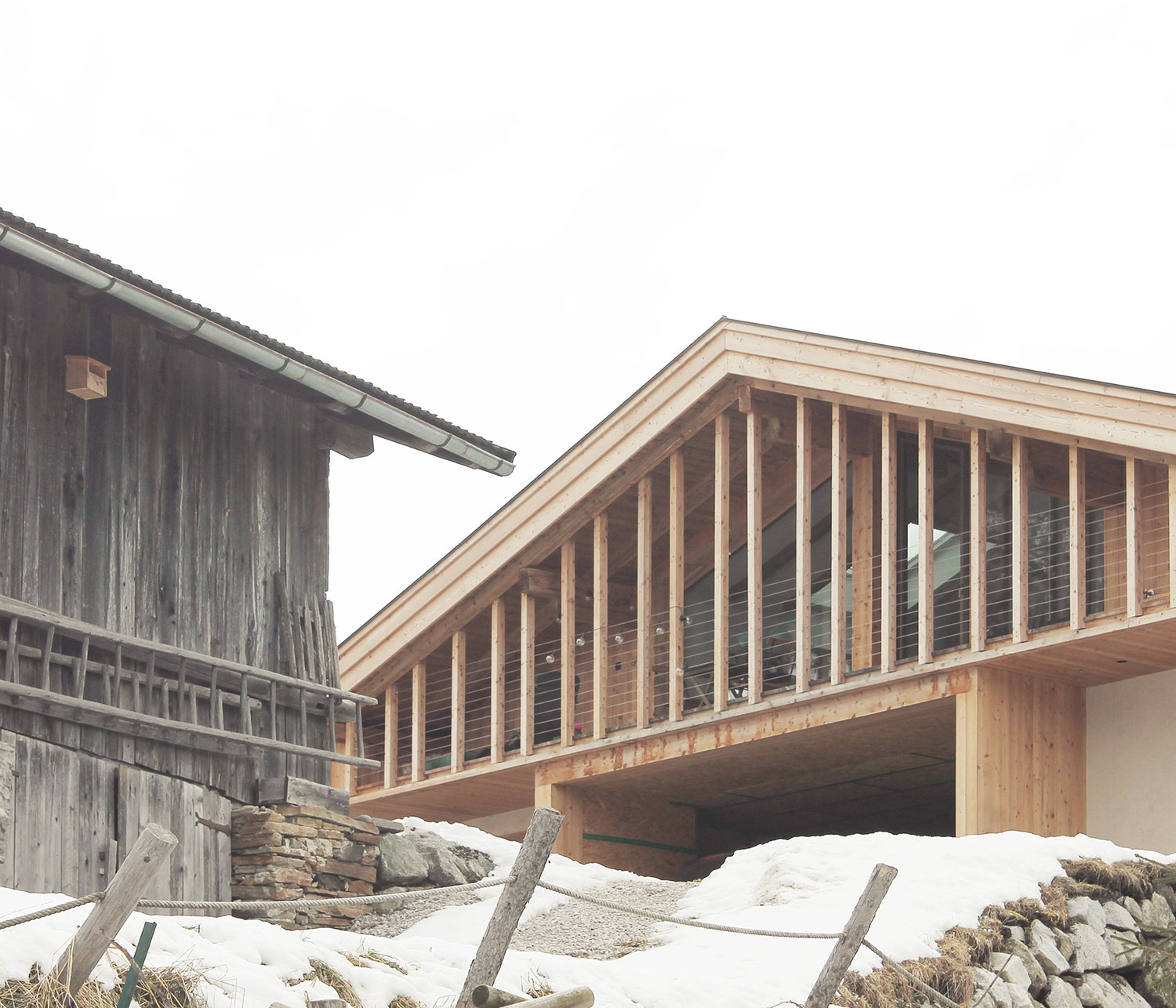
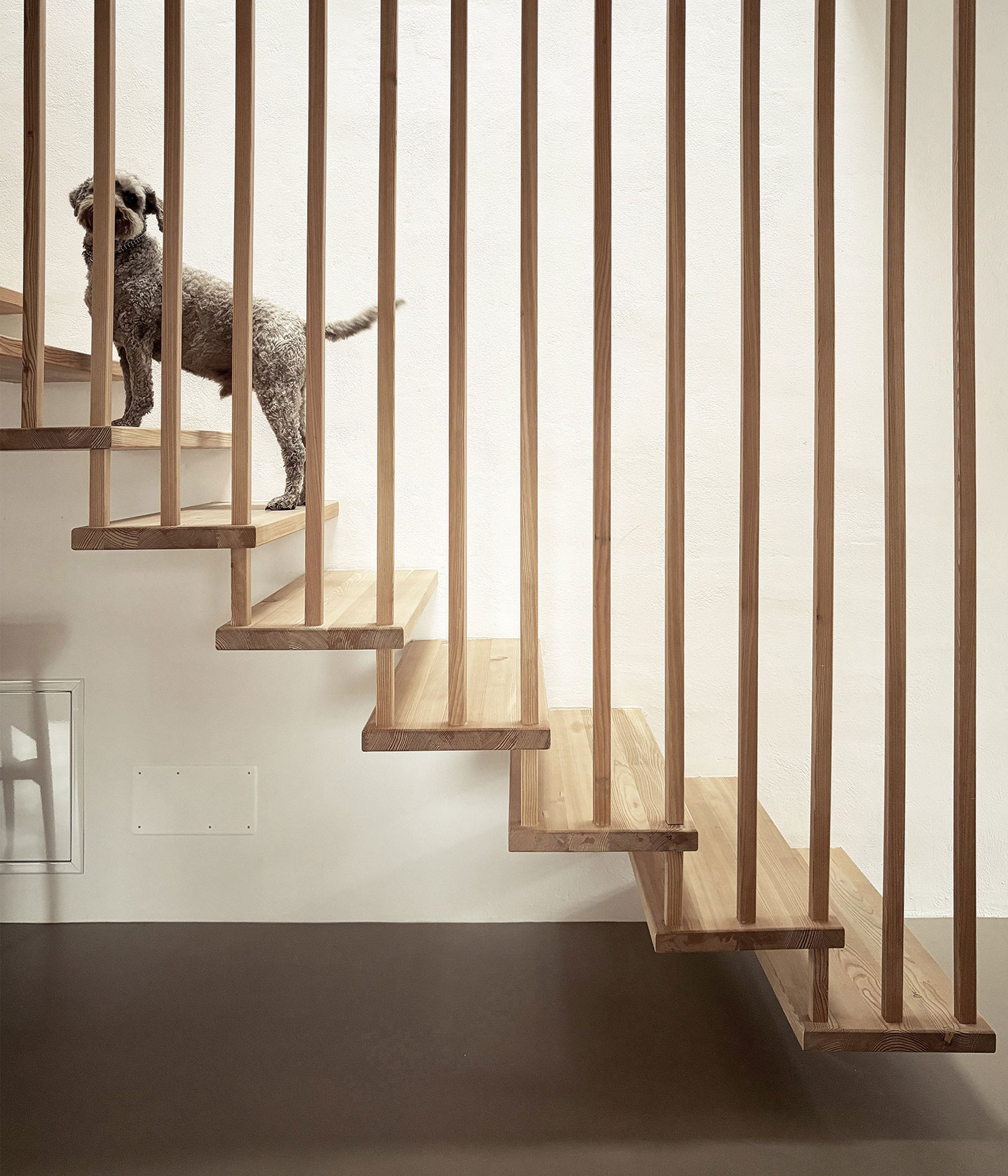
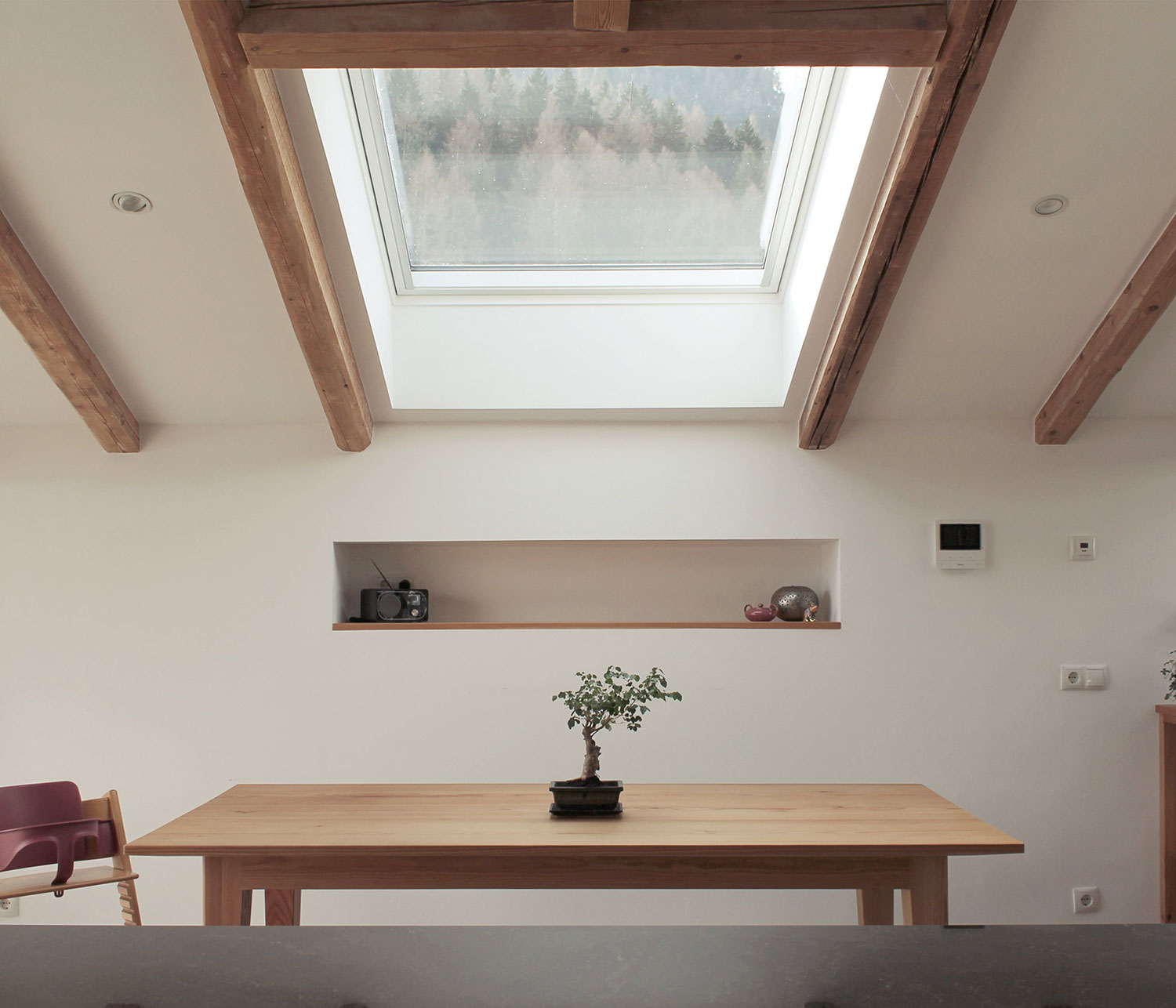
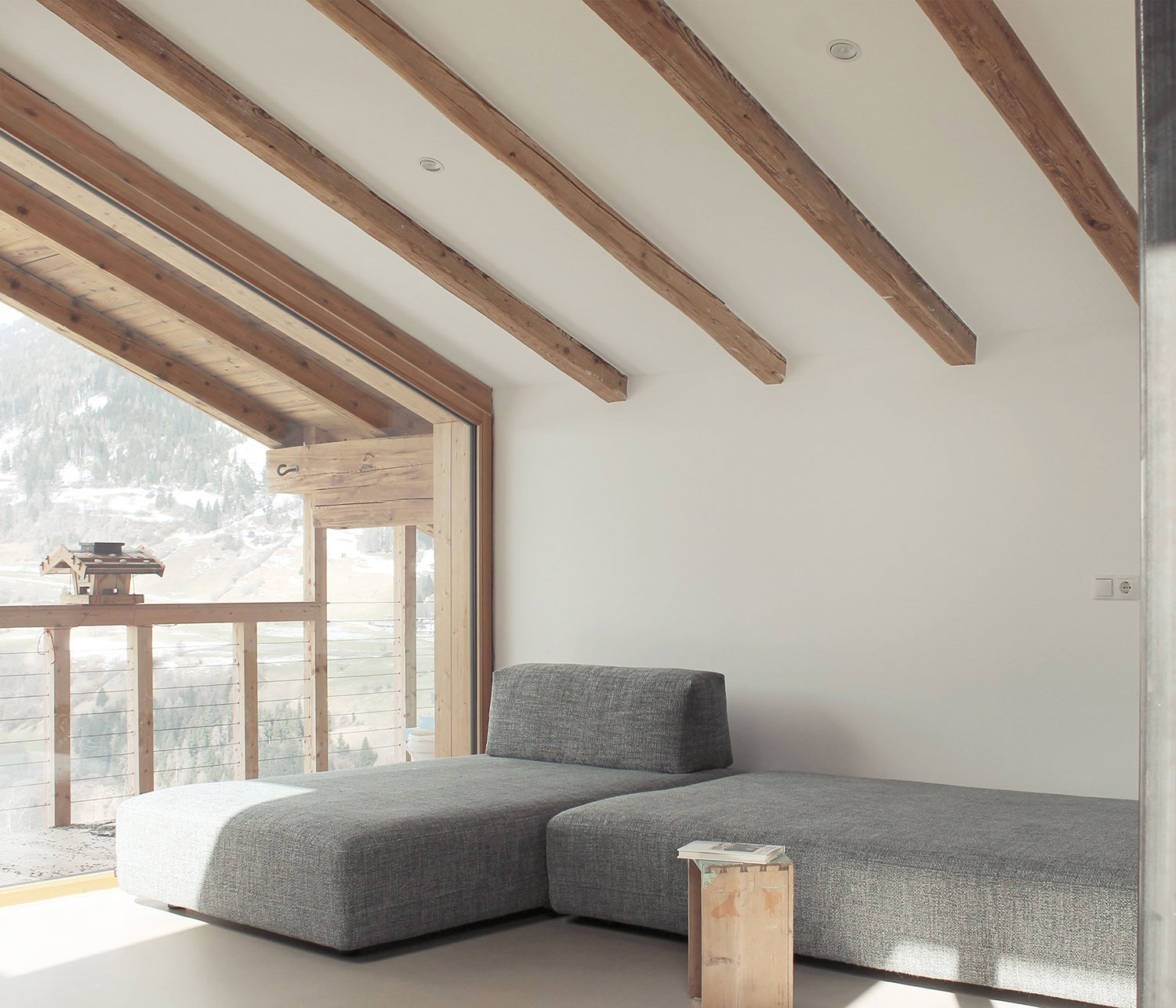
A key intervention was the repurposing of the barn. It now serves as a sheltered entrance and carport, with a delicate timber staircase leading to the upper level. Here, the open-plan kitchen and living area are bathed in natural light, thanks to strategically placed skylights and fully glazed gable ends. The exposed timber beams create a sense of verticality and warmth.
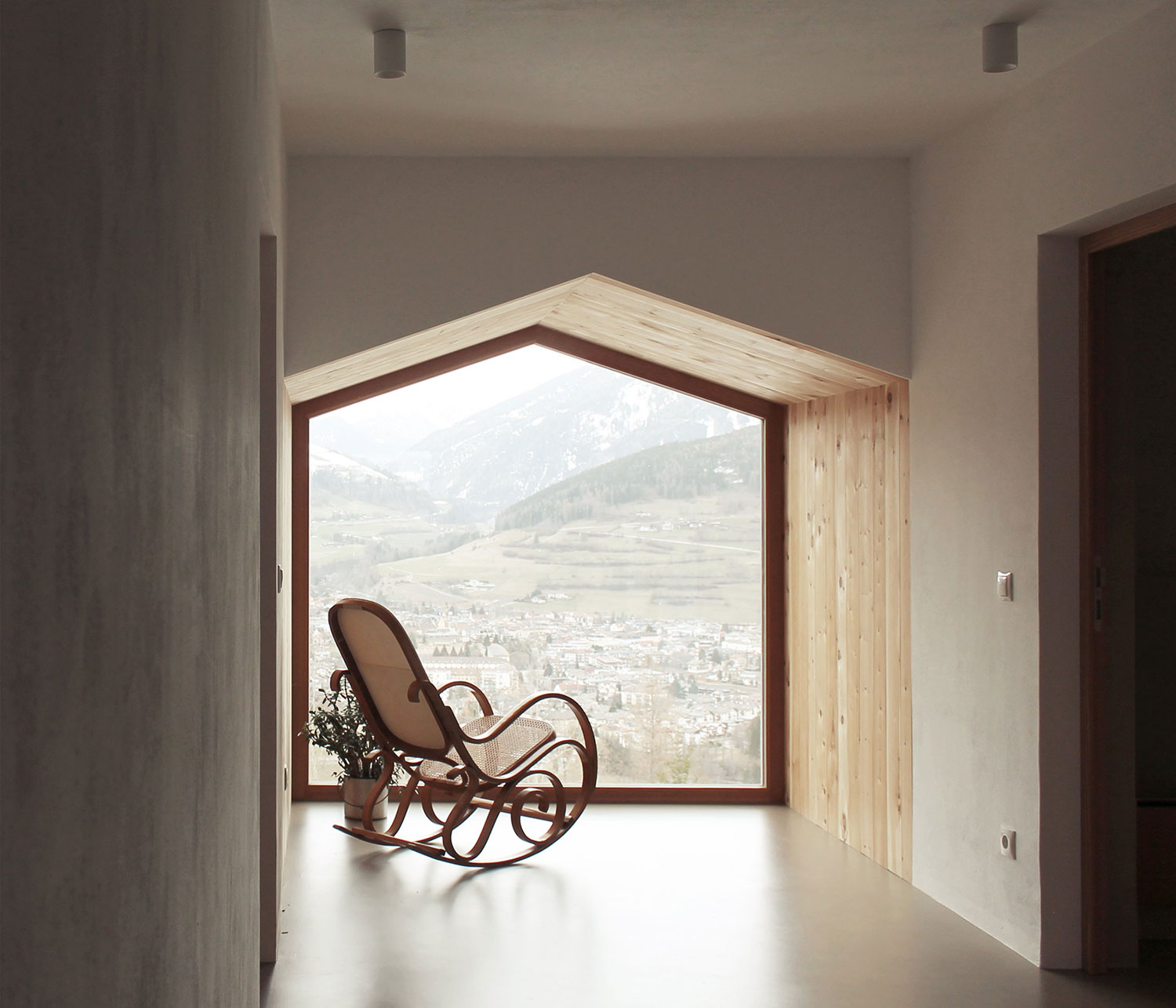
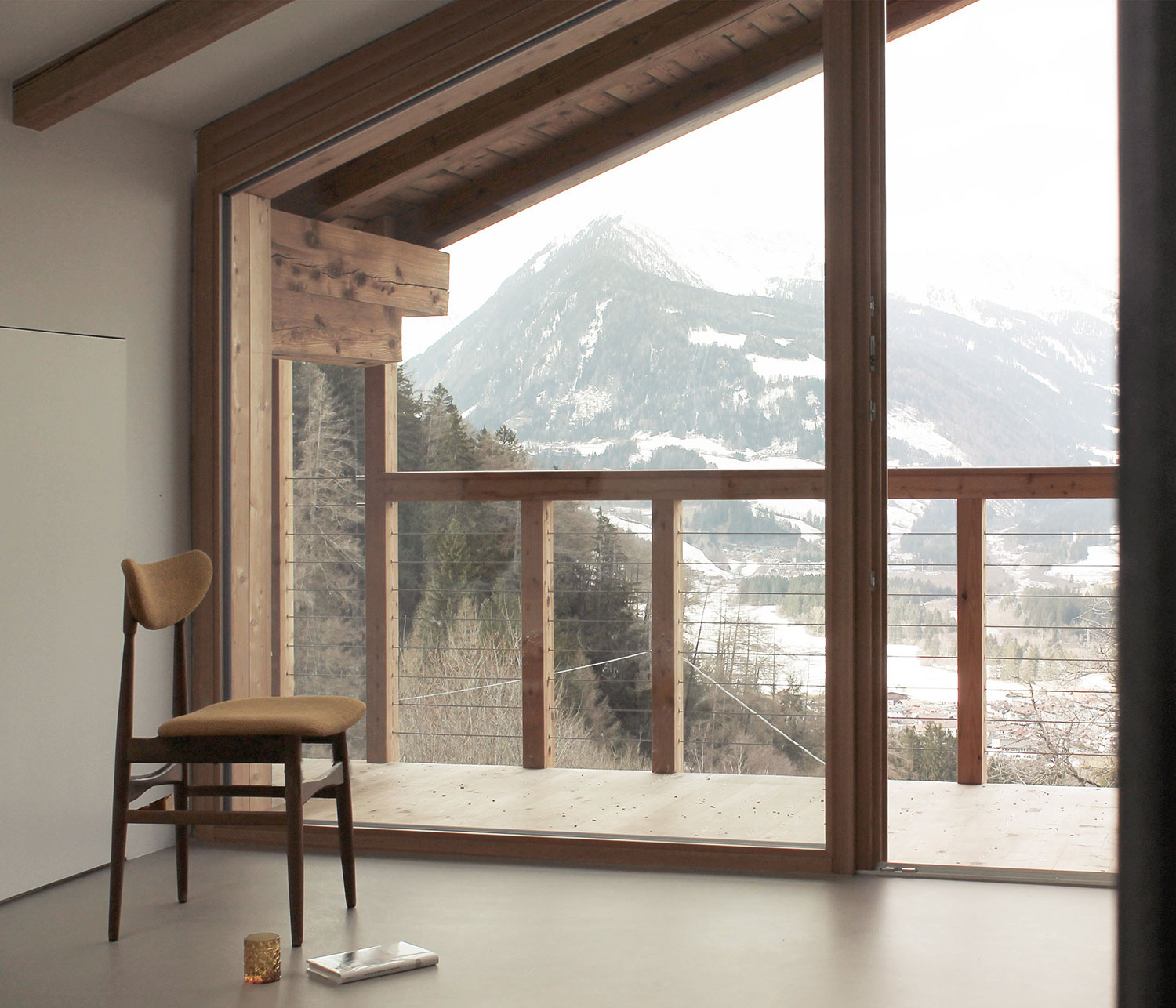
The architects have also introduced a series of contemporary elements that enhance the connection to the landscape. A “Leseerker,” or reading nook, projects out from the first floor, offering a tranquil space to contemplate the valley below. New balconies, with their slender metal railings, extend along the east and west facades, providing sheltered outdoor areas. The rhythmic arrangement of vertical larch slats creates a dynamic interplay of light and shadow, ensuring privacy without sacrificing views.
The material palette is deliberately restrained, emphasizing local resources and traditional techniques. The existing stone walls have been restored and rendered with natural pigments, blending seamlessly with the surroundings. The new attic extension is clad in larch, a timber that will gradually weather to a silvery hue, mirroring the aging process of the surrounding landscape.
This project is not merely a renovation; it’s a dialogue between past and present, a celebration of Alpine building traditions, and a testament to the enduring power of architecture to shape our experience of place. Haus Fur Lisa und Bert stands as a model for sustainable and contextually sensitive design, demonstrating how contemporary interventions can breathe new life into historic structures.