


The roar of the crowd, the hallowed turf, the weight of history – Old Trafford is more than a stadium; it’s a living legend. But legends, like cities, must evolve. In a bold move that signals a new era for Manchester United and the surrounding community, Foster + Partners have been appointed to craft a masterplan that transcends the traditional boundaries of sports architecture. This isn’t merely a stadium renovation; it’s a comprehensive urban regeneration project, a “miniature city of the future,” as Lord Norman Foster himself describes it.
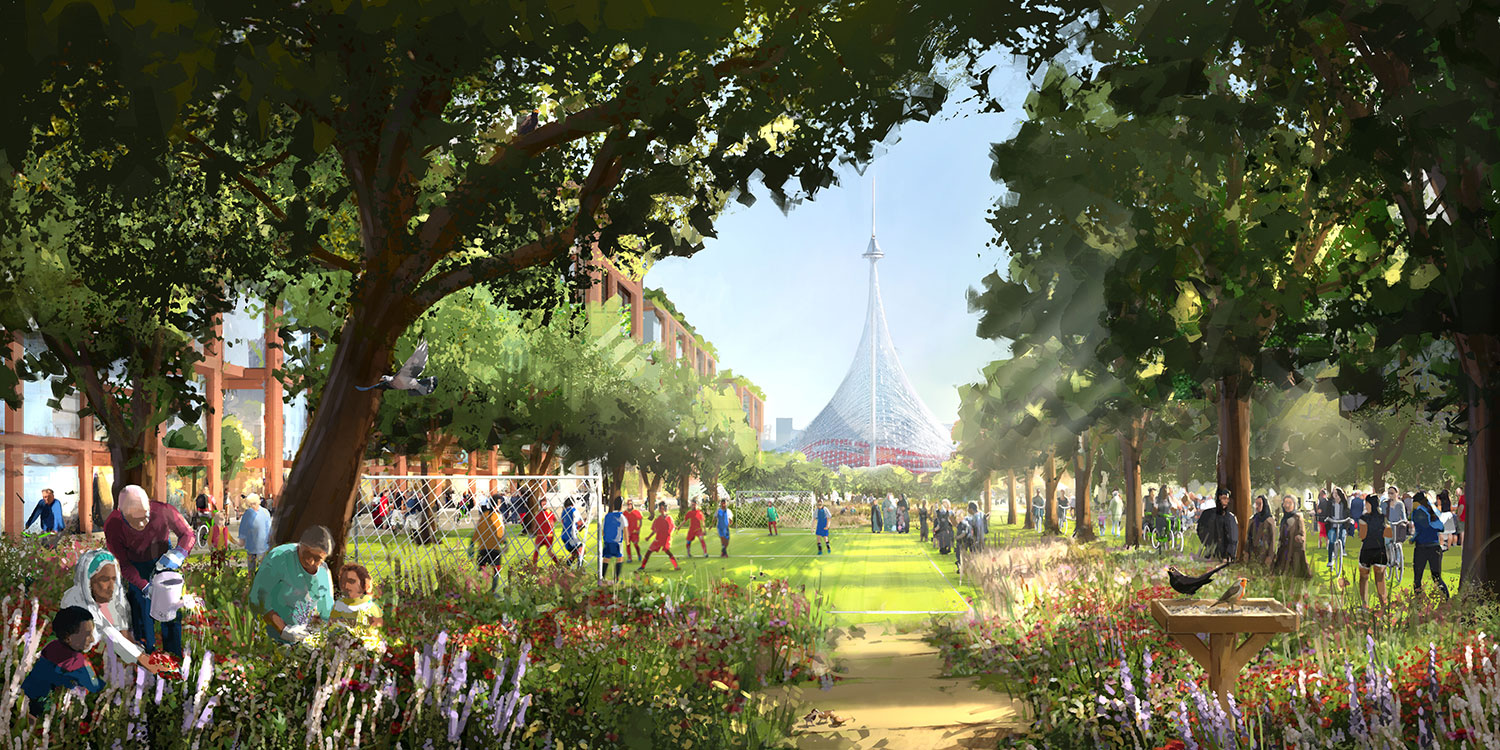
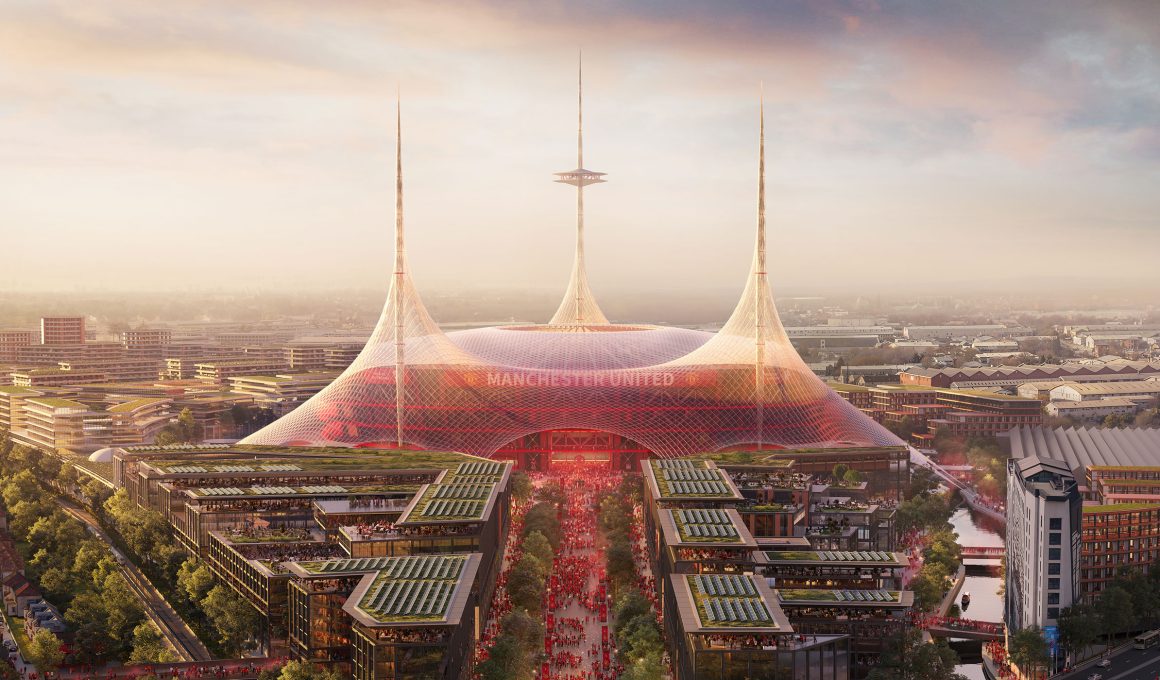
The studio’s vision, unveiled in September 2024, is nothing short of transformative. It envisions a “world-class football destination,” a vibrant district that blends sporting spectacle with community enrichment. At its heart lies a reimagined Old Trafford, a 100,000-seater stadium that promises to elevate the matchday experience to unprecedented heights. But this is just the beginning.
Foster + Partners are not just architects; they are urban planners, weaving a tapestry of mixed-use developments that will breathe new life into the surrounding brownfield site. The masterplan encompasses residential spaces, commercial hubs, and public amenities, all interwoven with a network of green civic spaces, bridges, and waterfront areas. This isn’t about building in isolation; it’s about creating a cohesive, sustainable ecosystem that benefits both the club and the wider community.
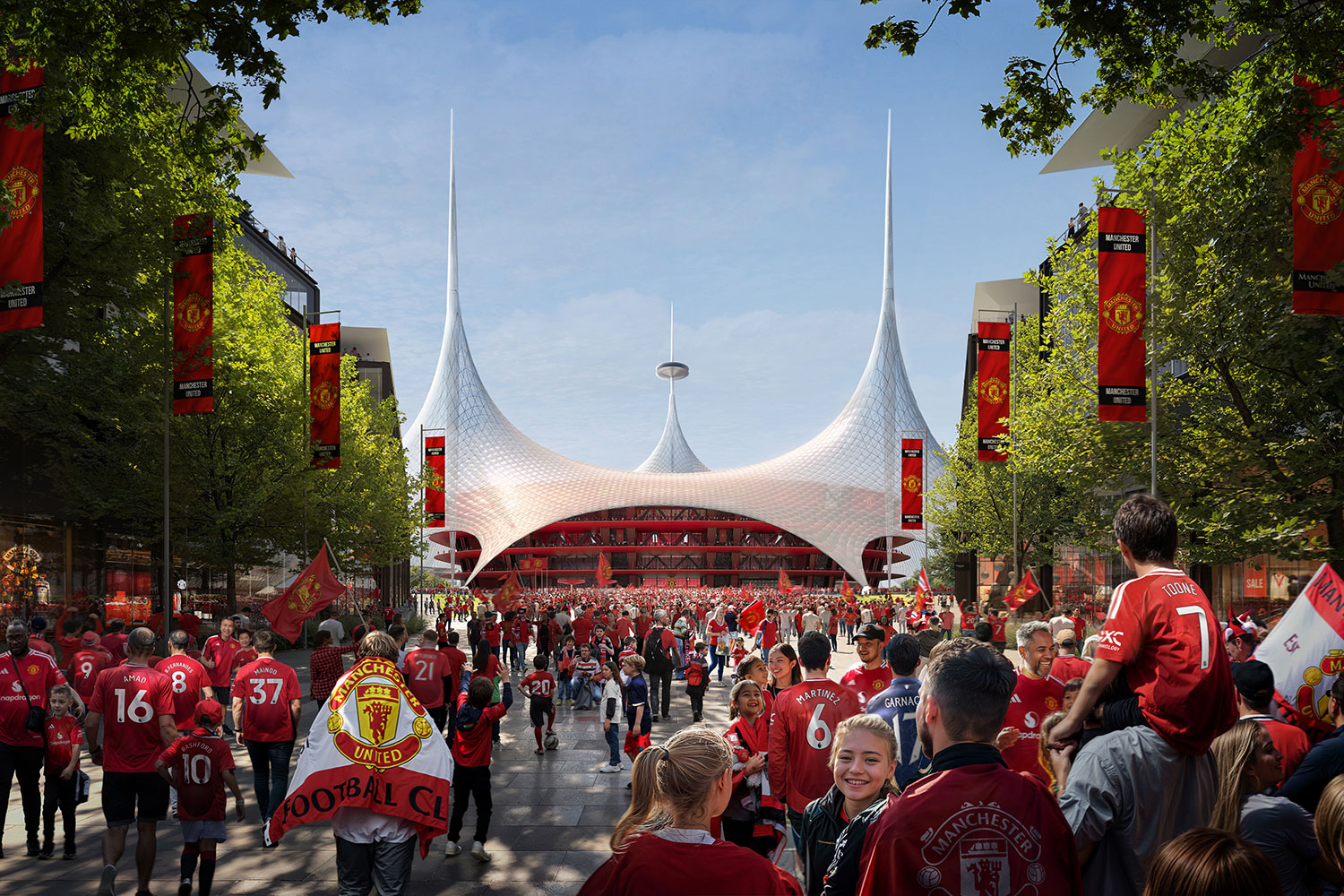
The stadium itself is a masterclass in contemporary design, a striking departure from conventional models. It’s an “outward-looking” structure, its wraparound balconies inviting the cityscape in, blurring the lines between the sporting arena and the urban fabric. Three soaring masts, echoing the Red Devil’s trident emblem and Manchester’s industrial heritage, pierce the skyline, supporting a translucent canopy that shelters a vast public plaza – twice the size of Trafalgar Square. This isn’t just a space for pre-match rituals; it’s a communal hub, a place for fan gatherings, community events, and everyday life.
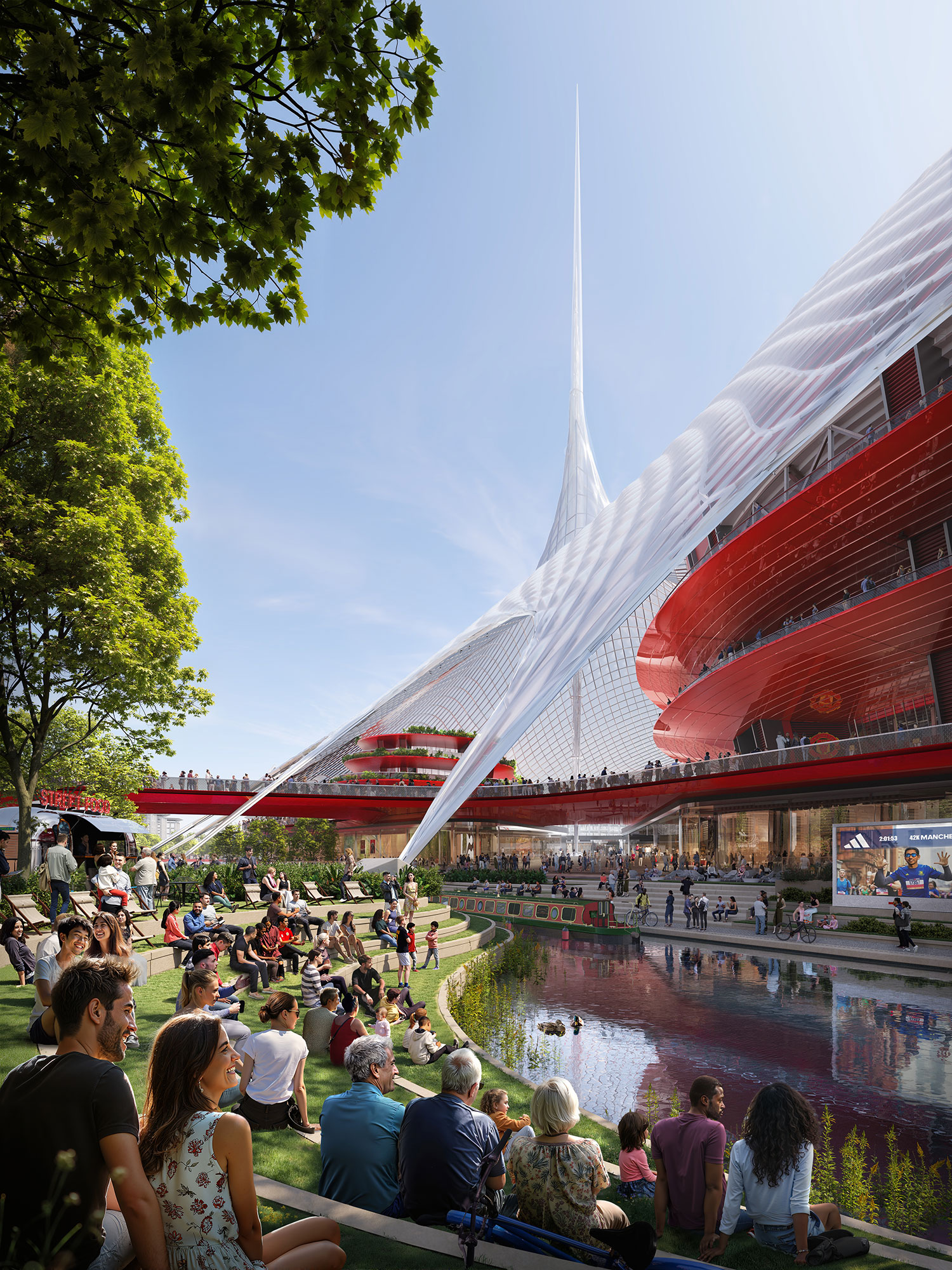
The emphasis on sustainability is paramount. The stadium’s canopy is designed to harvest energy and rainwater, while the surrounding district prioritizes pedestrian and public transport connections, minimizing its environmental footprint. The potential removal of freight trains from the West Coast Main Line, coupled with investment in public transport infrastructure, underscores the project’s commitment to creating a truly sustainable and accessible destination.
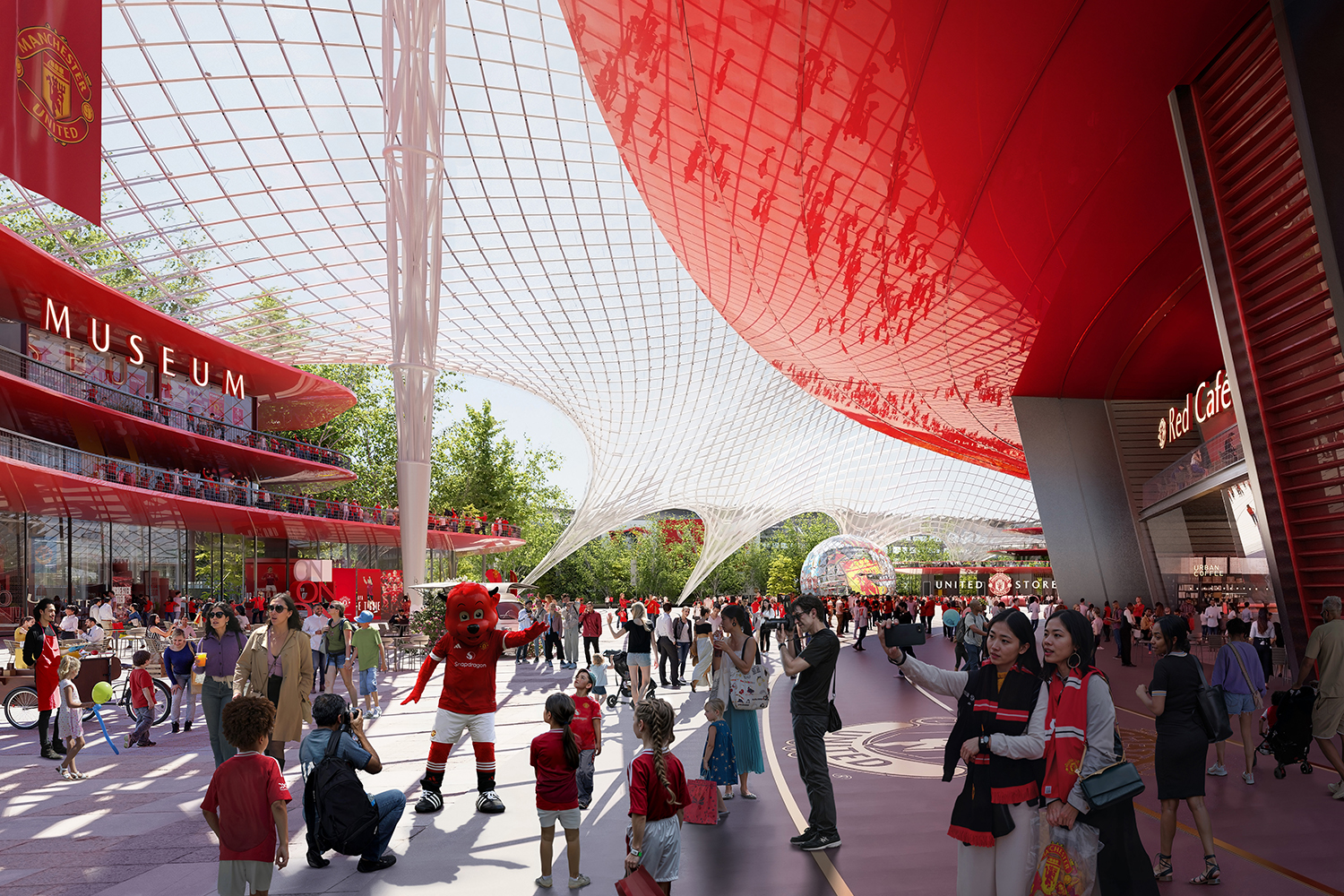
Nigel Dancey, Head of Studio at Foster + Partners, highlights the project’s ambition to “celebrate the unique and extraordinary history of Manchester United.” The stadium’s design, with its emphasis on acoustics and proximity to the pitch, is geared towards creating an “intimate atmosphere” that amplifies the roar of the crowd. Moreover, the project leverages cutting-edge prefabrication technologies and the Manchester Ship Canal to expedite construction, showcasing the city’s renowned spirit of innovation.
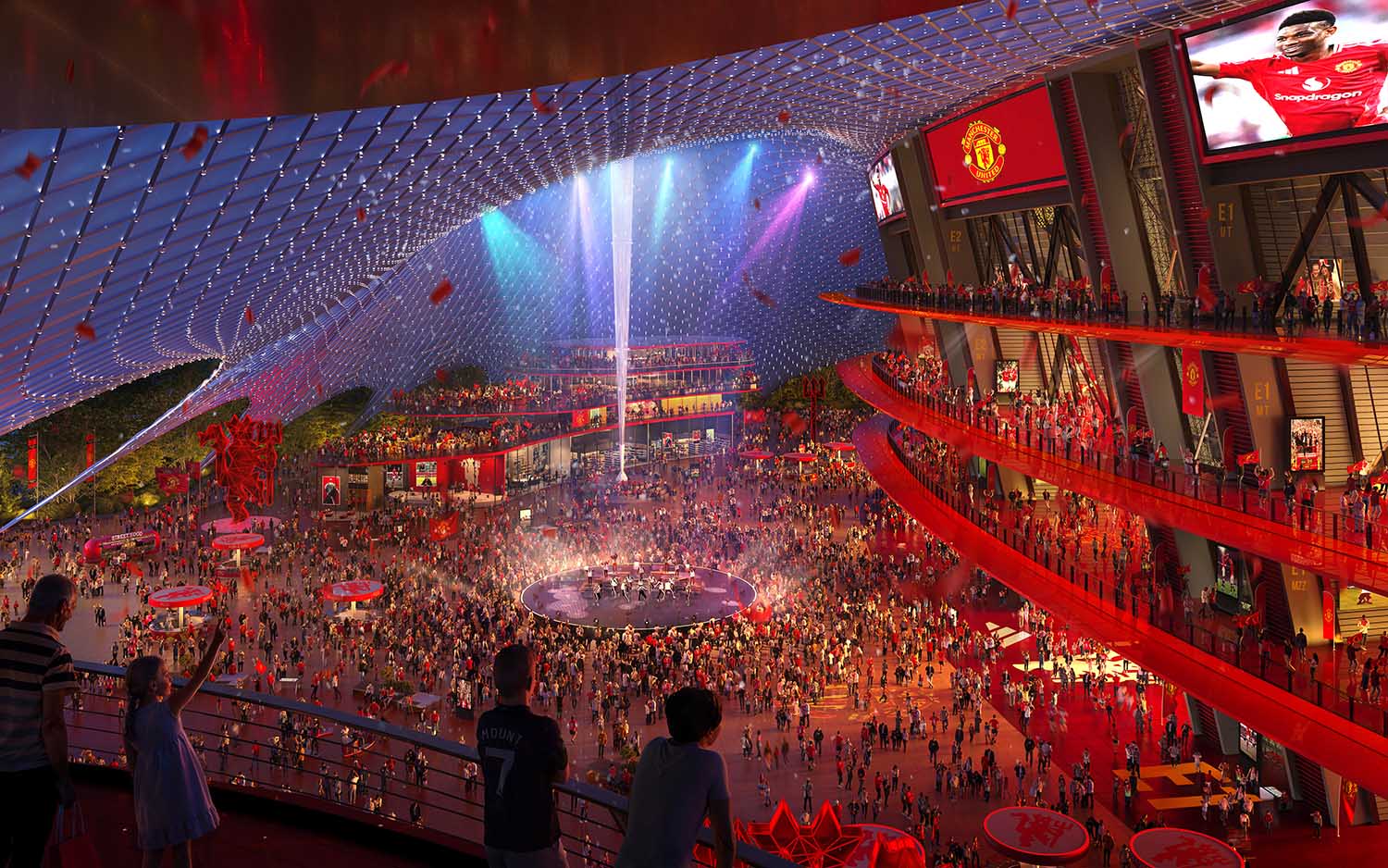
The project’s significance extends beyond the realm of sports and architecture. As Sir Jim Ratcliffe, Co-owner of Manchester United, points out, the new stadium is intended to be a “catalyst for social and economic renewal.” By creating jobs and attracting investment, the project aims to revitalize the Old Trafford area, transforming it into a vibrant destination for locals and visitors alike.
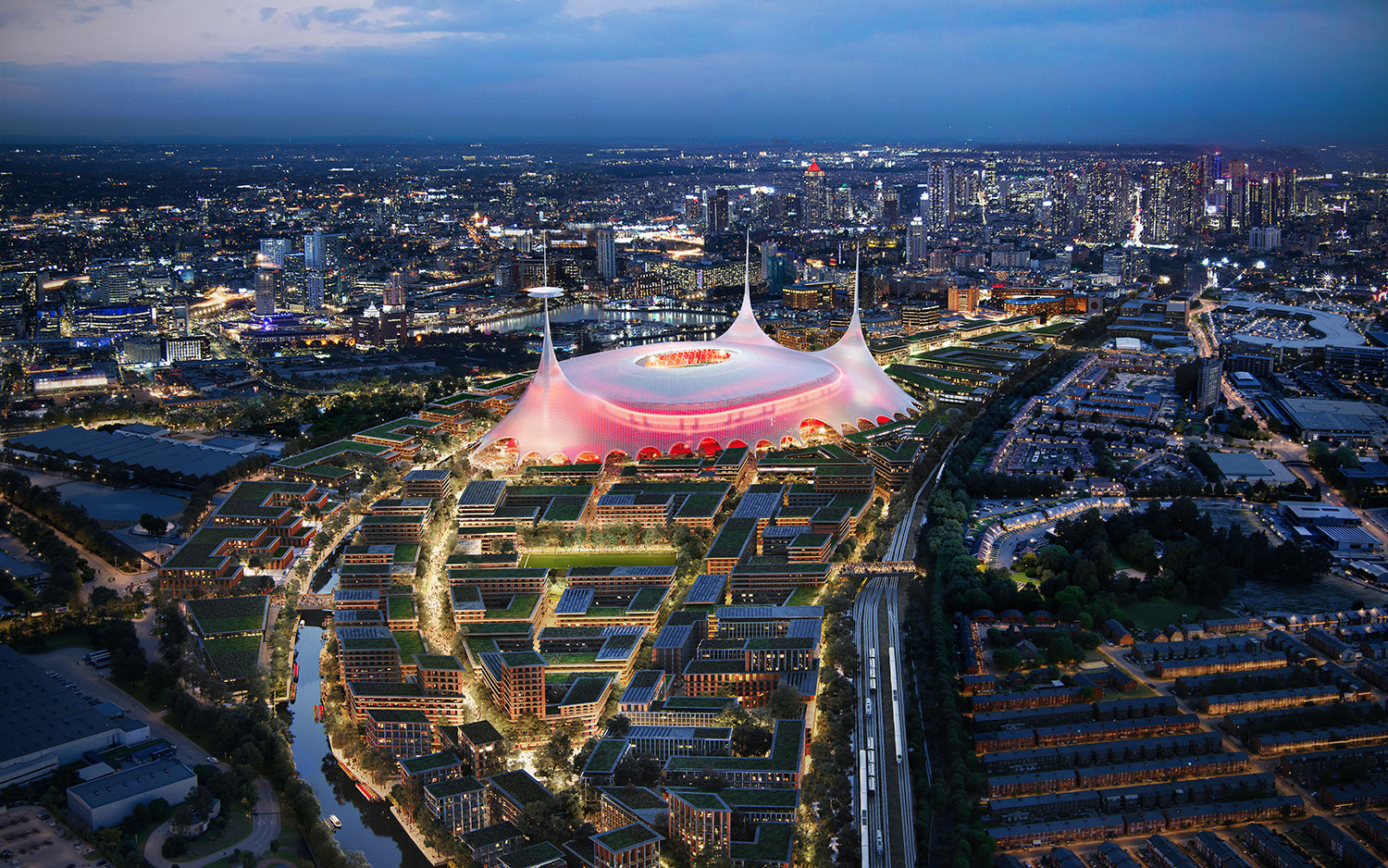
The support from local authorities, exemplified by Mayor Andy Burnham’s enthusiasm, underscores the project’s importance to the wider region. The transformation of the Old Trafford area is seen as a crucial component of Greater Manchester’s 10-year growth plan, unlocking “huge benefits for the whole of the north-west.”
In essence, Foster + Partners’ vision for Old Trafford is a testament to the power of architecture to shape not just buildings, but communities. It’s a project that seamlessly blends sporting passion with urban regeneration, creating a legacy that will resonate for generations to come. This is not just a new stadium; it’s a new chapter in the story of Manchester United and the city it calls home.