




In the heart of Hungary‘s burgeoning eastern hub, Debrecen, a new landmark is taking shape, promising to redefine the city’s cultural landscape. BIG Architects, in collaboration with Vikár és Lukács Építész Stúdió, have unveiled their design for the new Hungarian Natural History Museum, a 23,000 square meter testament to both scientific exploration and architectural innovation. Replacing the current museum in Budapest, this ambitious project, commissioned by the Museum and the Ministry of Culture and Innovation, aims to solidify Debrecen’s position as a vital regional center by 2030.
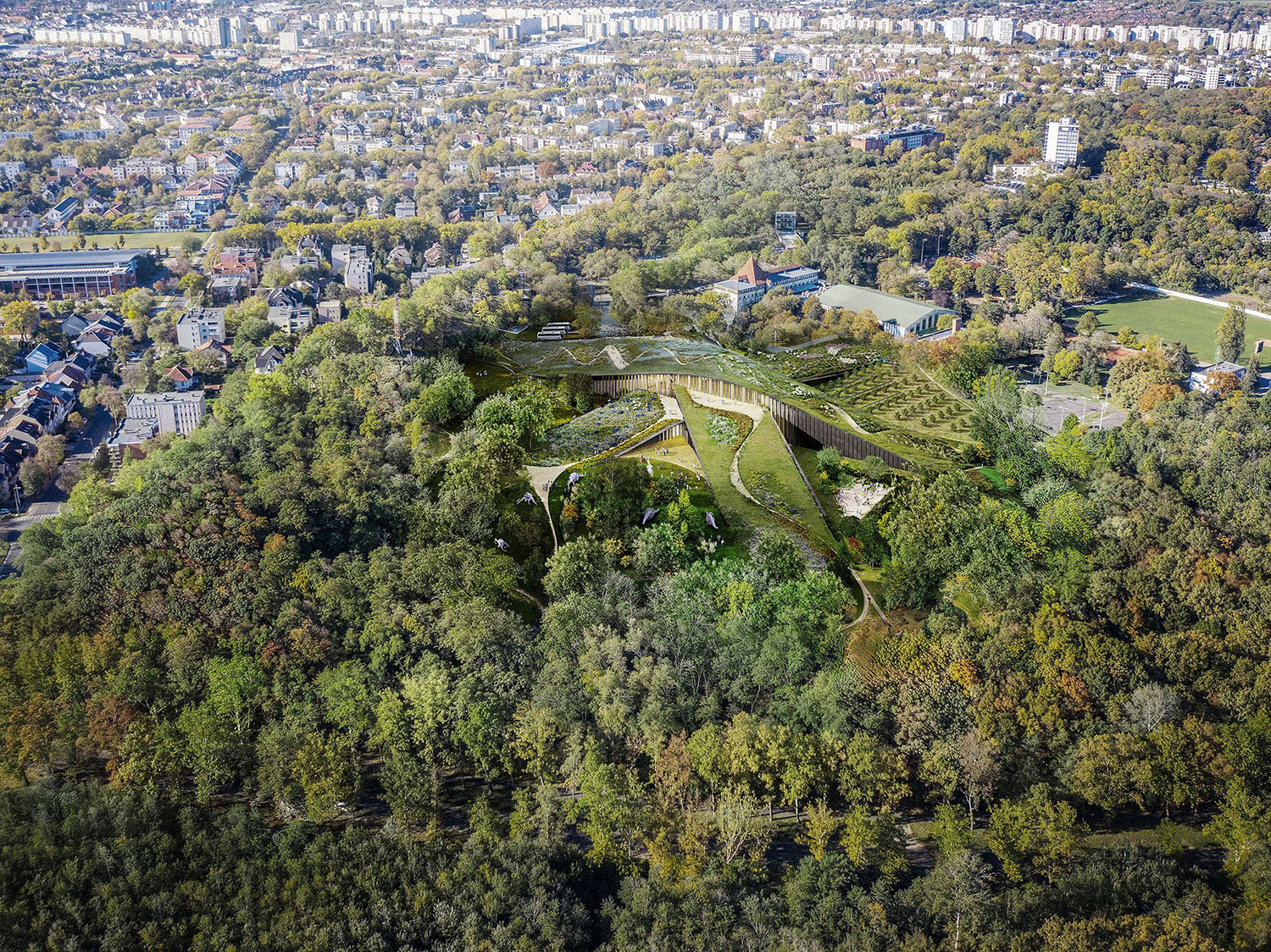
The site itself is pregnant with history, situated on the grounds of a former stadium, a space now transformed into a gateway to natural discovery. Bordering the ancient and revered Great Forest, Nagyerdő, the museum’s design draws inspiration from the organic forms of its verdant neighbor. BIG’s signature approach, characterized by bold, sculptural gestures, is evident in the museum’s defining feature: a series of gracefully curving ribbons that weave together, forming a dynamic and inviting structure.
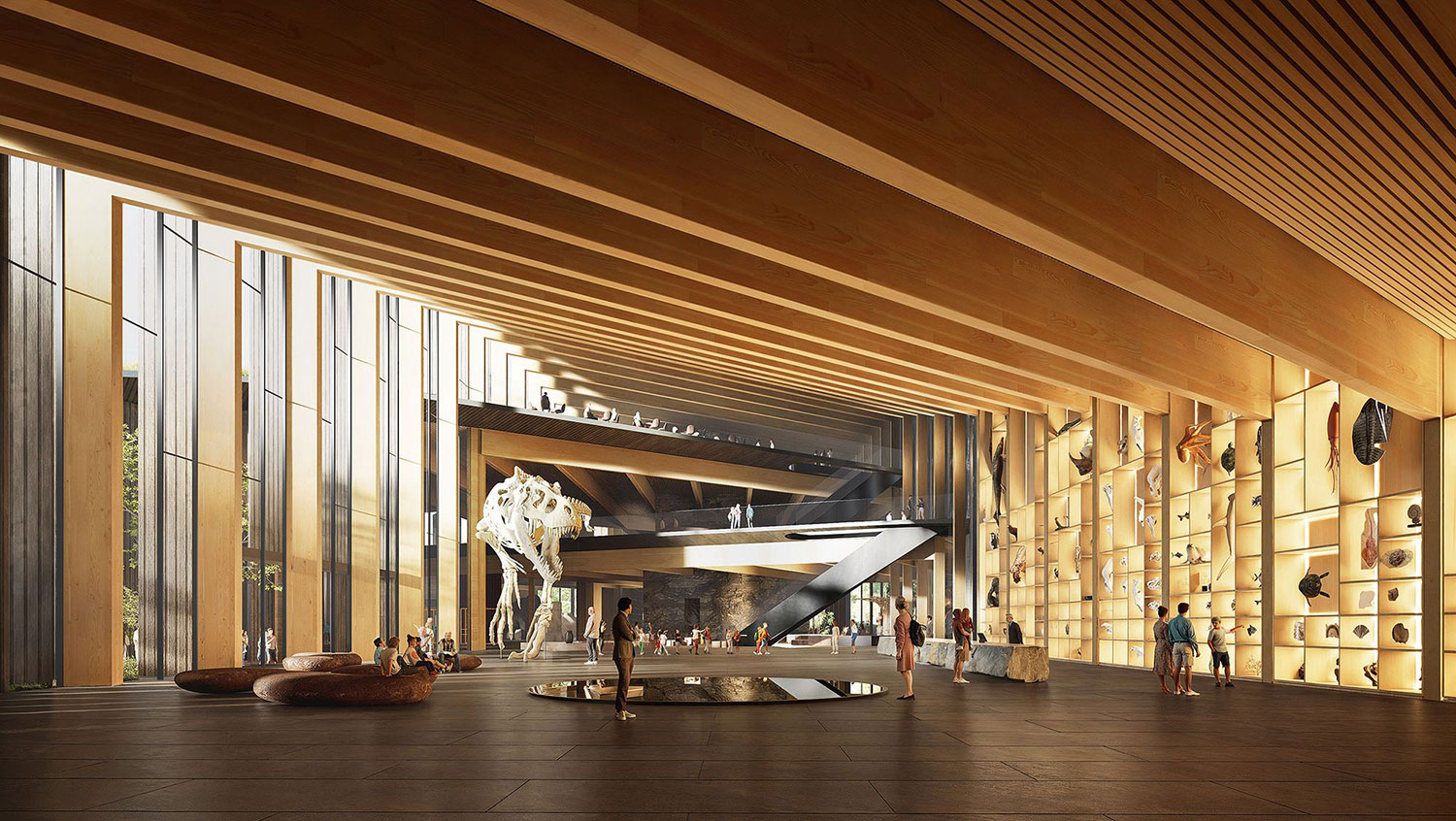
These ribbons, more than just aesthetic flourishes, serve to organize the museum’s diverse program. They create a fluid progression through the building, guiding visitors seamlessly from the public amenities to the exhibition halls, educational spaces, and research facilities.
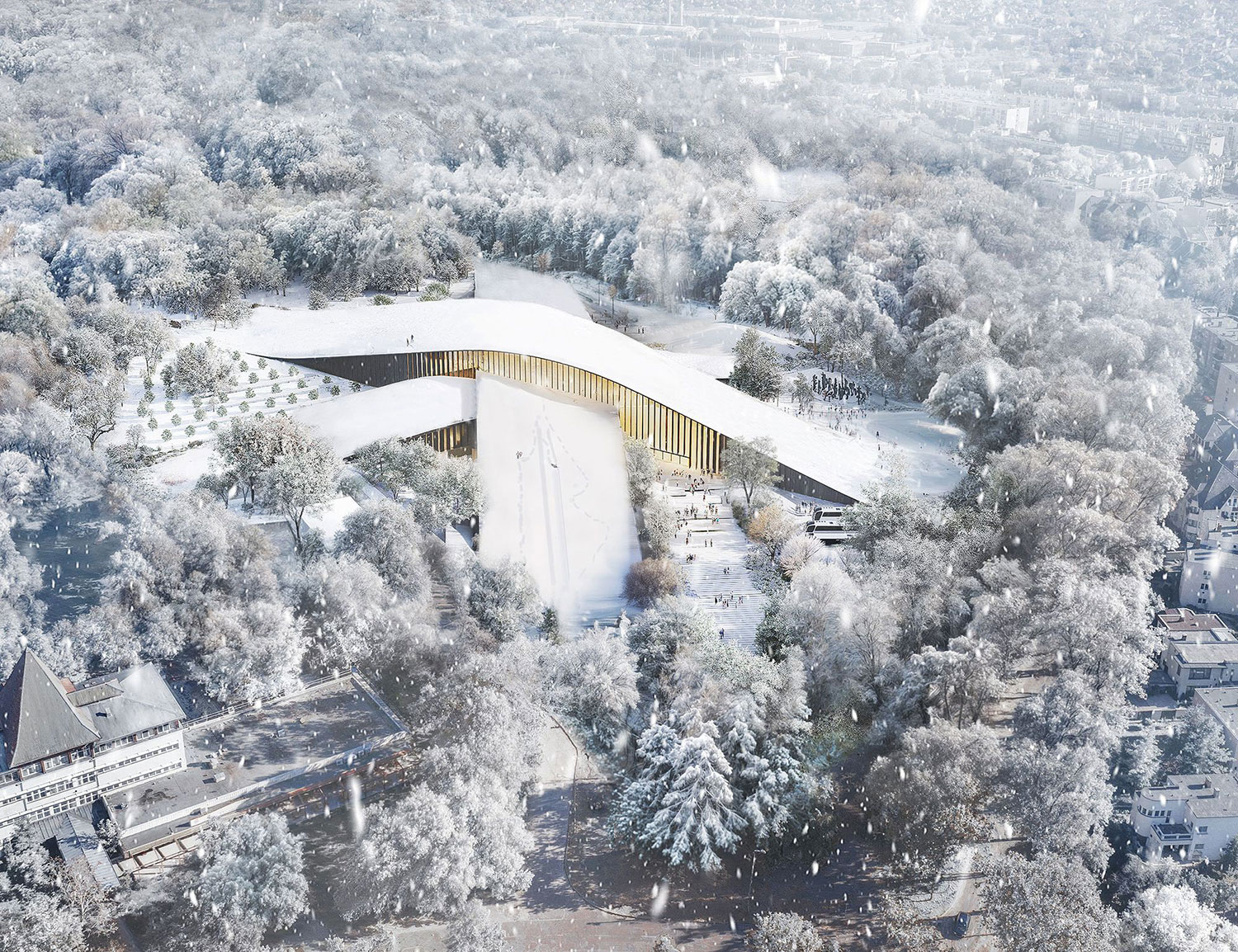
The design fosters a sense of discovery, mimicking the meandering paths one might take through a natural landscape. The interplay of light and shadow, created by the curving forms, adds depth and intrigue, enhancing the visitor’s experience and creating a sense of wonder.
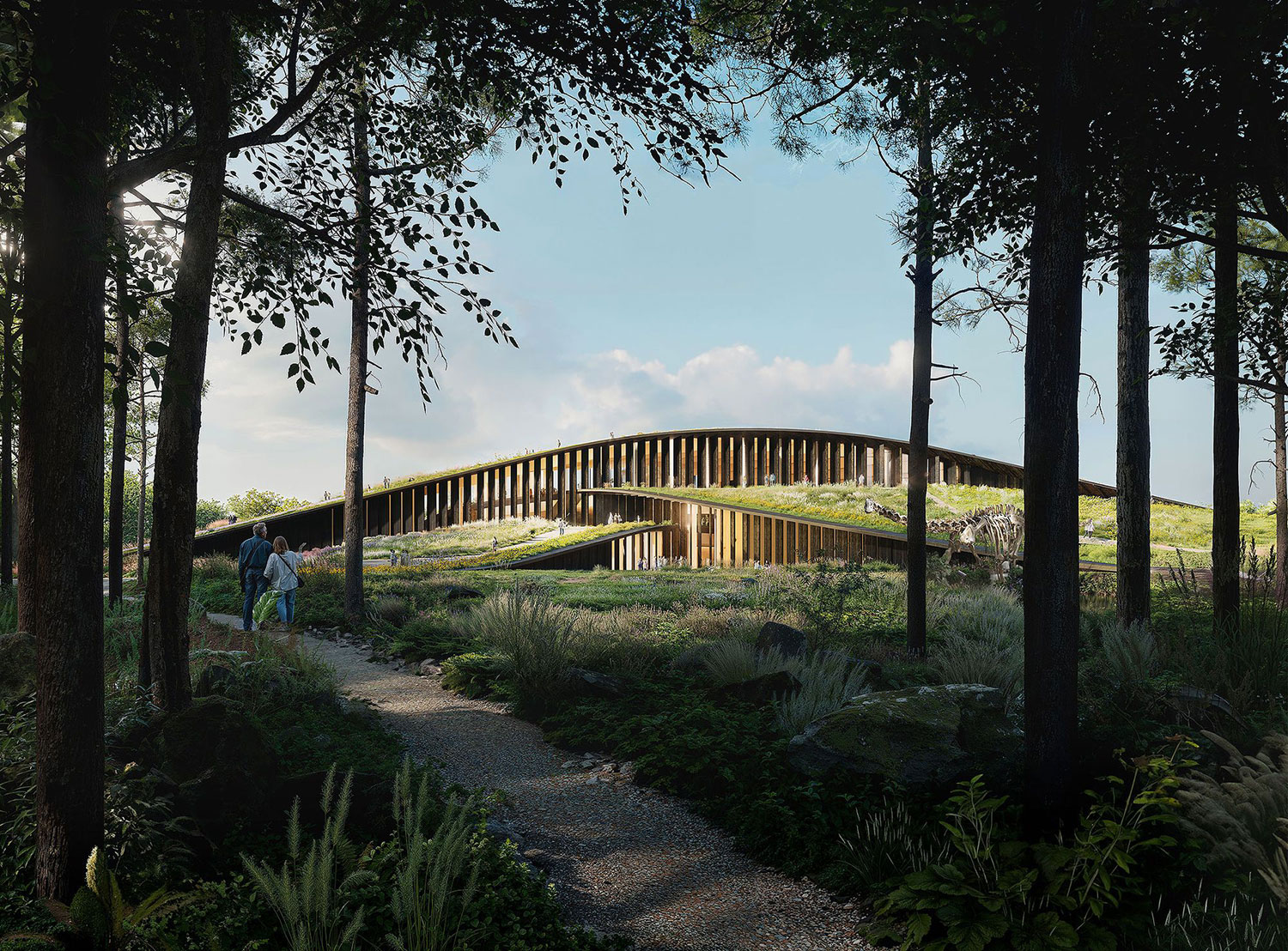
The museum’s interior is envisioned as a vibrant hub of learning and exploration. Permanent and temporary exhibition halls will showcase Hungary’s rich natural history, while state-of-the-art educational and research facilities will empower scientists and students alike. The public amenities, designed to be welcoming and accessible, will transform the museum into a community gathering space, fostering a sense of shared ownership and engagement.
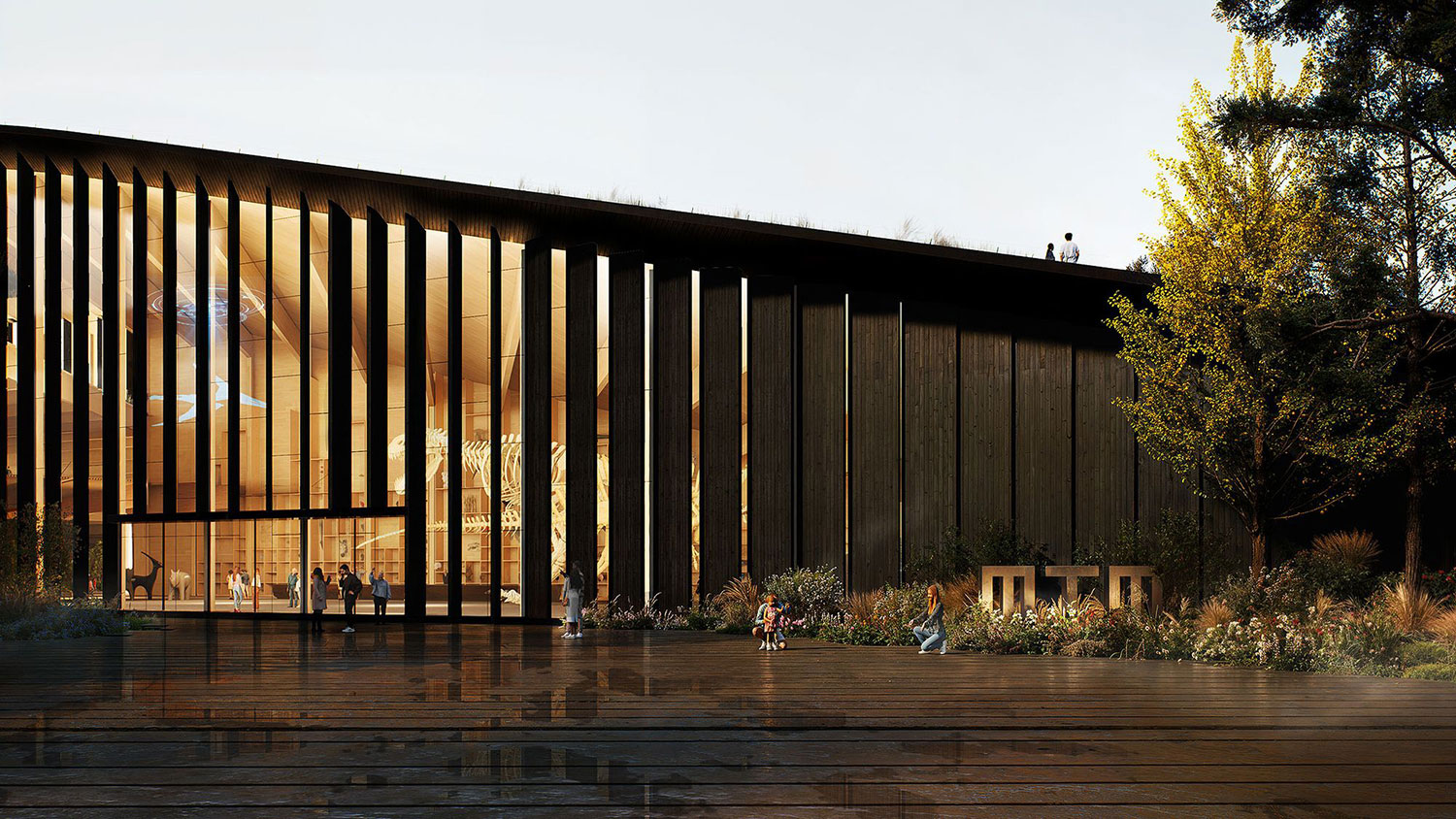
Beyond its functional role, the new Hungarian Natural History Museum represents a significant investment in Debrecen’s cultural infrastructure. It symbolizes the city’s commitment to innovation and its ambition to become a leading regional center. The project, part of a broader government initiative, underscores the importance of cultural institutions in driving economic growth and fostering social cohesion.
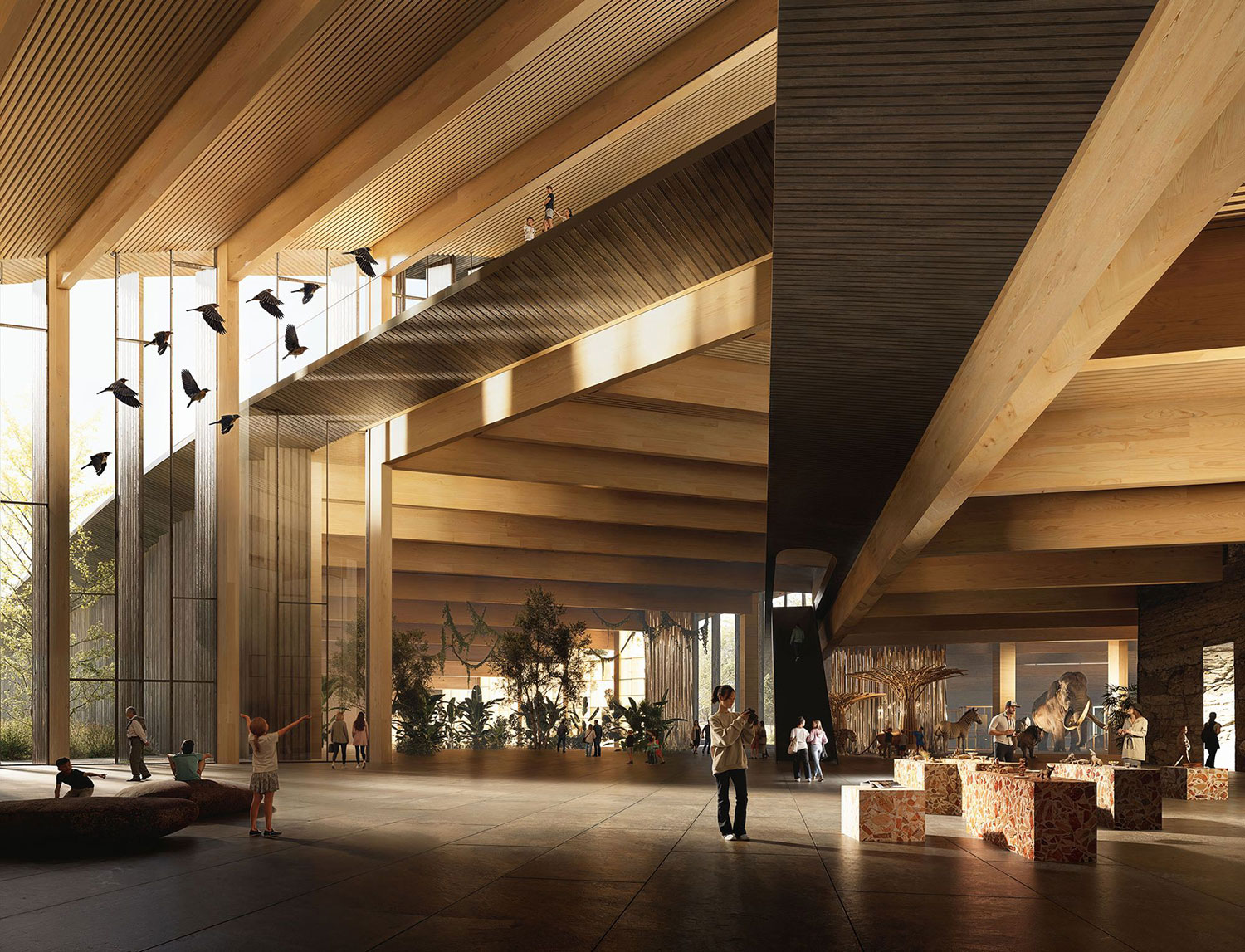
BIG’s design for Debrecen’s Natural History Museum is more than just a building; it’s a narrative woven into the fabric of the city. It’s a place where science and nature converge, where the past informs the present, and where the future is shaped by curiosity and exploration. As Debrecen prepares to welcome this architectural marvel, the echoes of the Great Forest seem to resonate, promising a new era of discovery and wonder.