


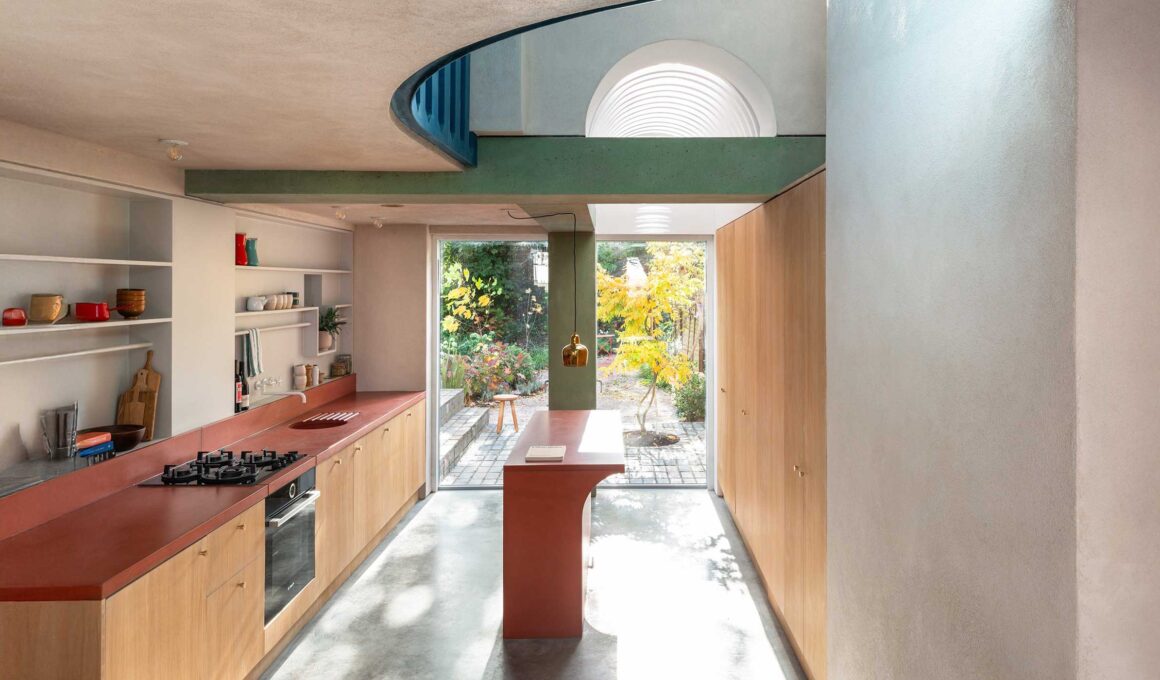
The age-old question of whether to renovate or relocate has taken on new urgency in today’s rapidly evolving world. As housing costs soar, climate concerns intensify, and technology reshapes domestic life, homeowners are grappling with a dilemma: invest in improving their current space or seek a fresh start elsewhere? The answer, increasingly, lies in reimagining what a home can be—through adaptive reuse, smart retrofits, and a deeper connection to place.
Architects and urbanists argue that the most sustainable—and often most meaningful—choice is to enhance what already exists. “Demolition should be the last resort,” says London-based architect Maria Smith, whose studio specializes in low-carbon retrofits. “Every building embodies energy, history, and community. With thoughtful design, even the most outdated structures can be transformed into resilient, future-ready homes.”
Take, for example, the growing trend of home hacking, where owners rework layouts to suit modern lifestyles without expanding footprints. A 1930s terraced house in Amsterdam was recently overhauled by studio Space Encounters, which inserted a sculptural timber staircase to connect previously disjointed floors, creating fluidity while preserving the building’s character. Similarly, in Tokyo, architects Atelier Tsuyoshi Tane transformed a cramped postwar dwelling into a light-filled sanctuary by reconfiguring interior volumes rather than rebuilding.
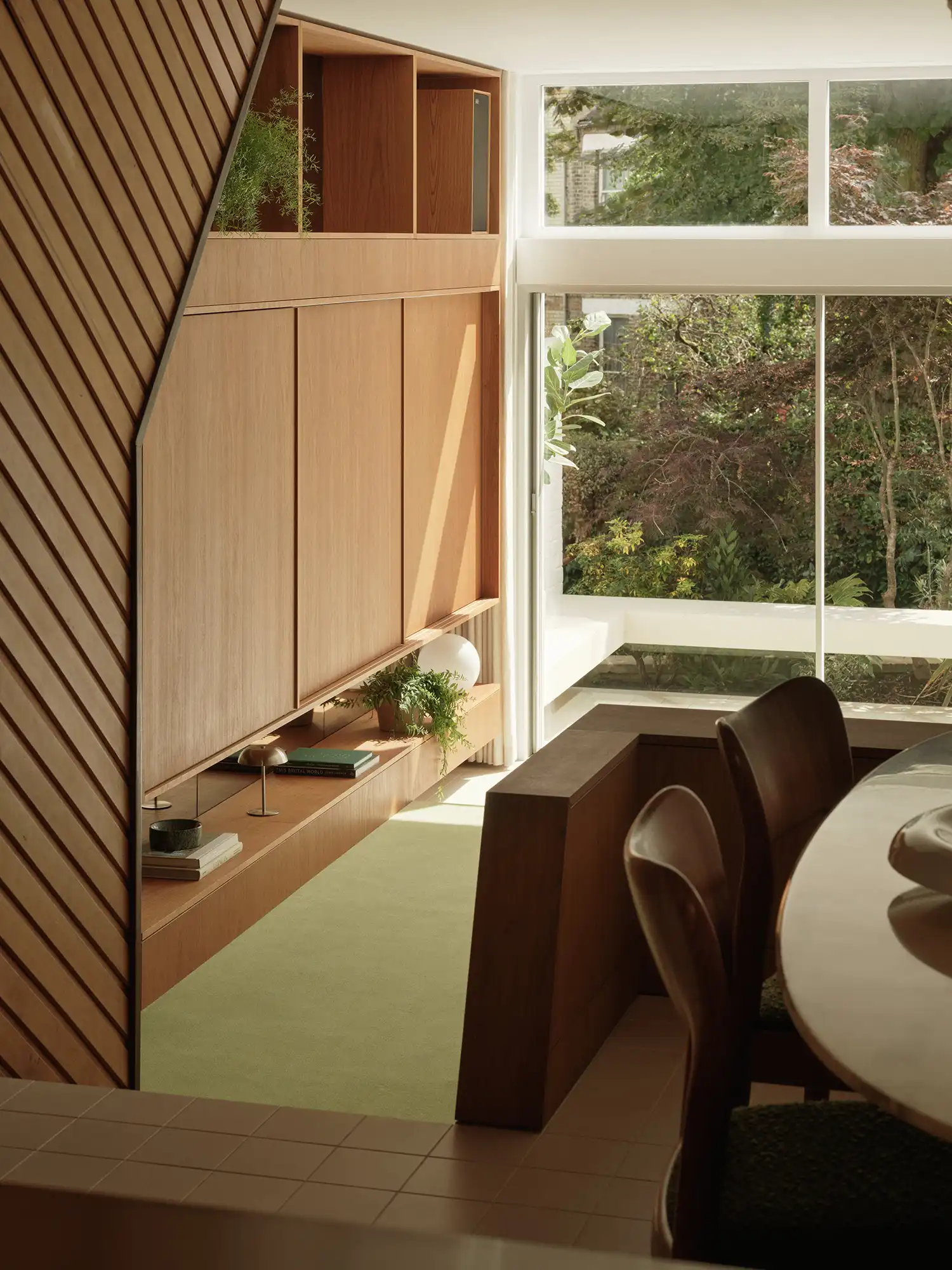
Technology is also shifting the calculus. Advances in modular systems, 3D-printed additions, and energy-efficient retrofits make upgrades more accessible. “Smart homes aren’t just about gadgets—they’re about adaptability,” notes tech designer Sebastian Cox. His collaboration with Google’s Nest team integrated AI-driven climate control into a Victorian home, slashing energy use by 40% without altering its historic facade.
Yet moving still holds appeal, particularly when rooted in intentionality. Remote work has untethered many from cities, sparking a surge in rural reinventions. In Portugal, abandoned stone cottages are being revived as off-grid dwellings, while in Sweden, prefab plug-and-play cabins cater to urbanites seeking simplicity. “Relocation isn’t about escape; it’s about alignment,” says urbanist Anab Jain. “The right question isn’t ‘Should I stay or go?’ but ‘What does my home need to become?’”
The decision ultimately hinges on values—financial, ecological, and emotional. As architect David Adjaye observes, “A home is a living archive. Whether you modify it or leave it, the goal is the same: to craft spaces that don’t just shelter us, but sustain us.” In an era of flux, the most radical act may be redefining what improvement really means.
—For more insights on the future of living, explore our features on circular design, AI-augmented interiors, and the rise of forever homes.