



In Toronto’s vibrant residential landscape, Williamson Williamson Architects has reimagined a family home as a light-filled sanctuary for bibliophiles, blending functional design with architectural elegance. The recently completed House of Books is a renovation and addition that preserves the spirit of a childhood home while adapting it for a new generation of book lovers.
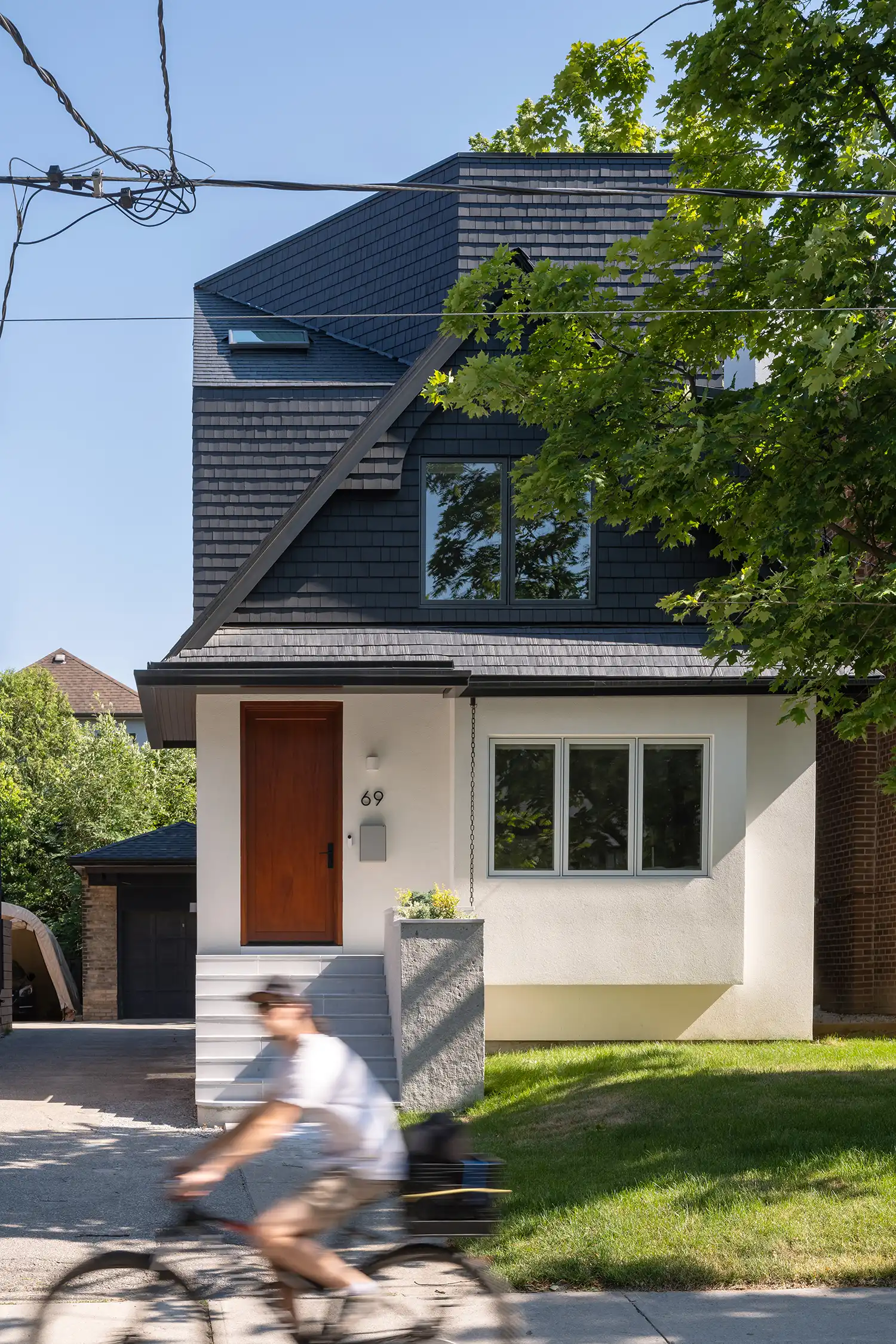
Originally a modest two-story dwelling, the Toronto home was rebuilt within its existing footprint, with a third-floor addition and an expanded basement to accommodate a bicycle storage area and rec room. The project was designed for a teacher and his academic partner, who sought a family-friendly space that celebrated their vast book collection while fostering connection and creativity.
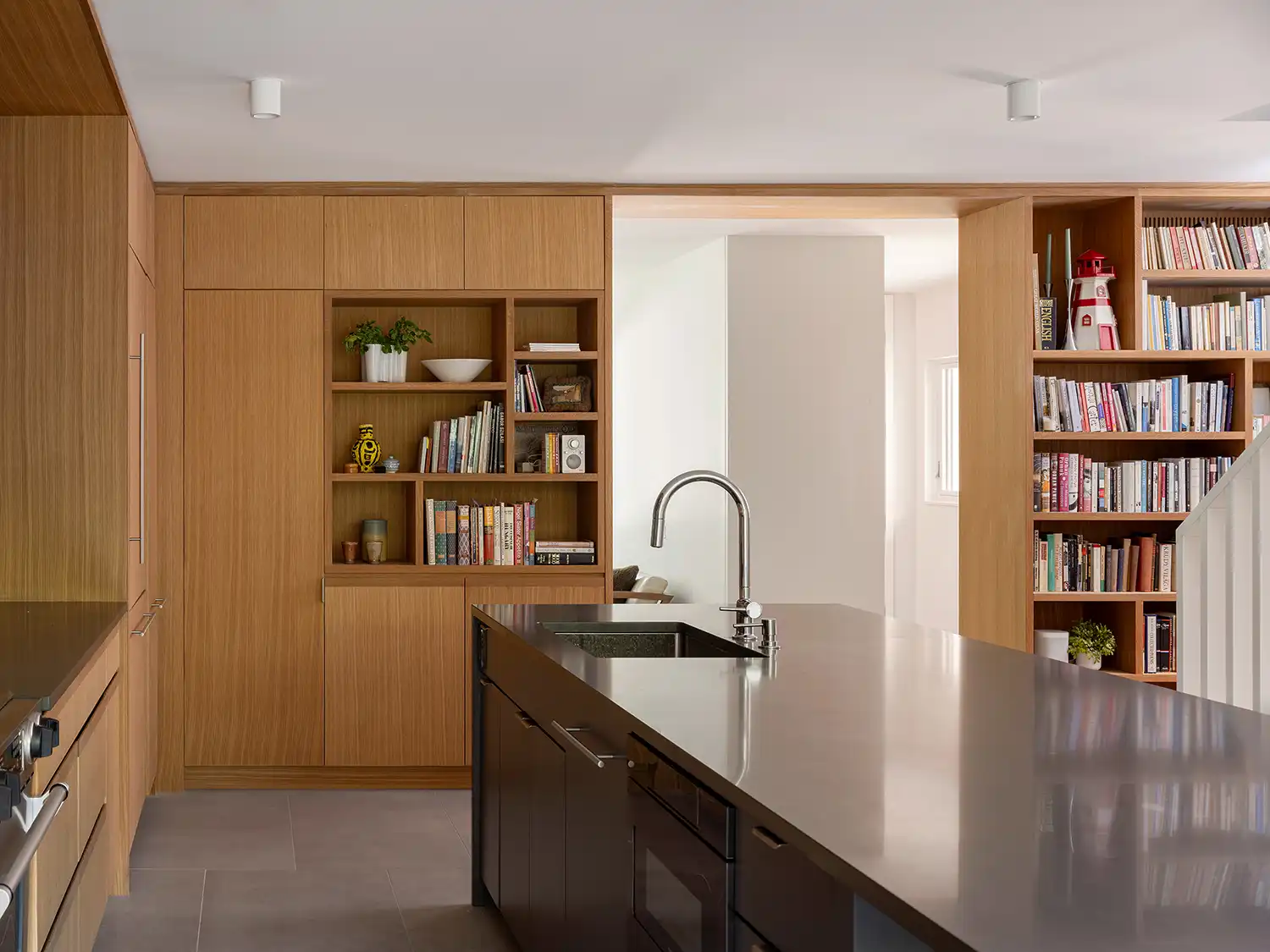
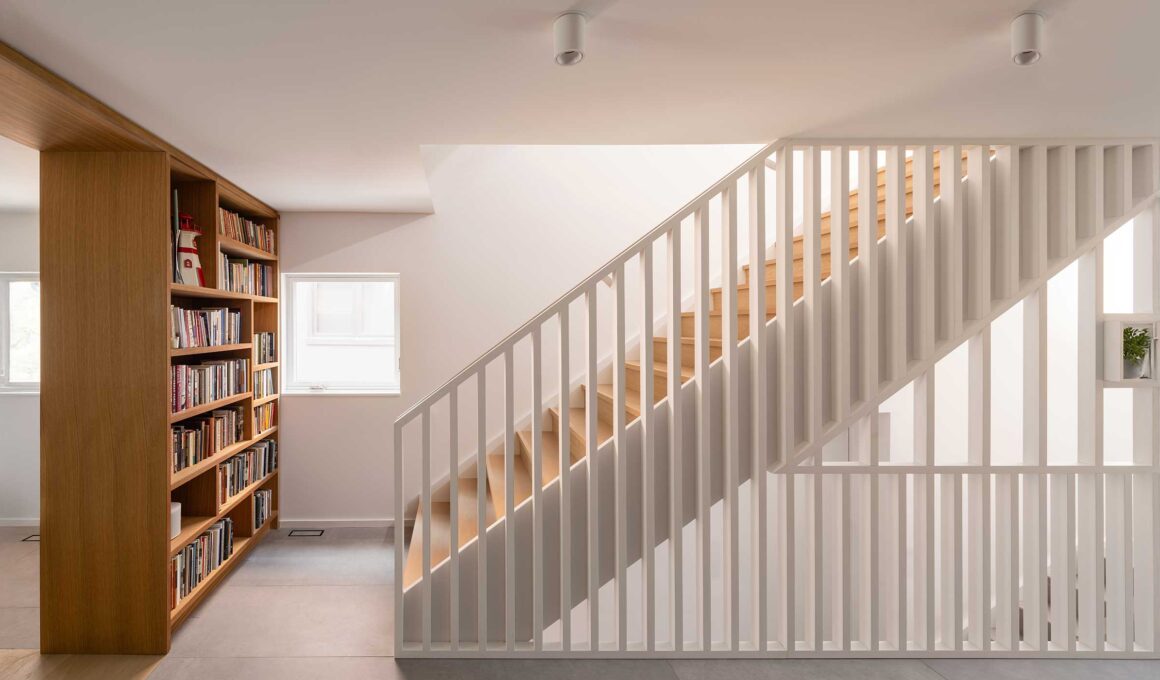
At the heart of the renovation is the kitchen, which evolved from a cramped cooking area into a multifunctional hub where family life and literature intersect. The architects prioritized an open-plan layout, featuring generous counter space and custom-built bookshelves that line the walls. These shelves do more than store books—they transform the kitchen into a living library, where cherished volumes, games, and heirlooms invite exploration. The design ensures that natural light floods the space, creating a warm and inviting atmosphere for cooking, reading, and gathering.
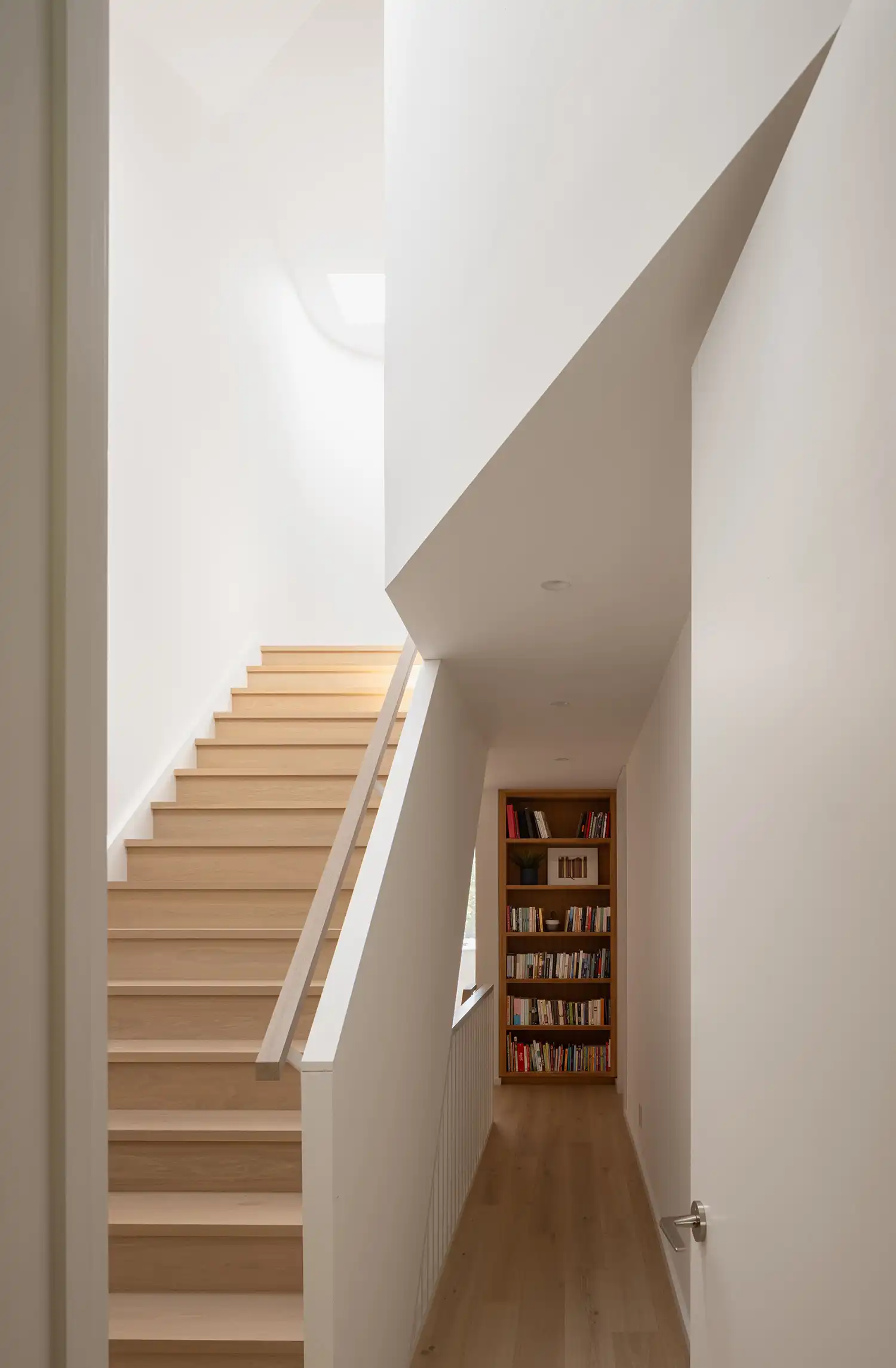
Beyond the kitchen, the House of Books balances minimalist aesthetics with practical storage solutions. The interior design seamlessly integrates the family’s literary treasures into daily life, with built-in shelving and flexible living spaces that adapt to their needs. The addition of a third floorprovides extra room for the growing family, while the fully underpinned basement offers space for recreation and storage.
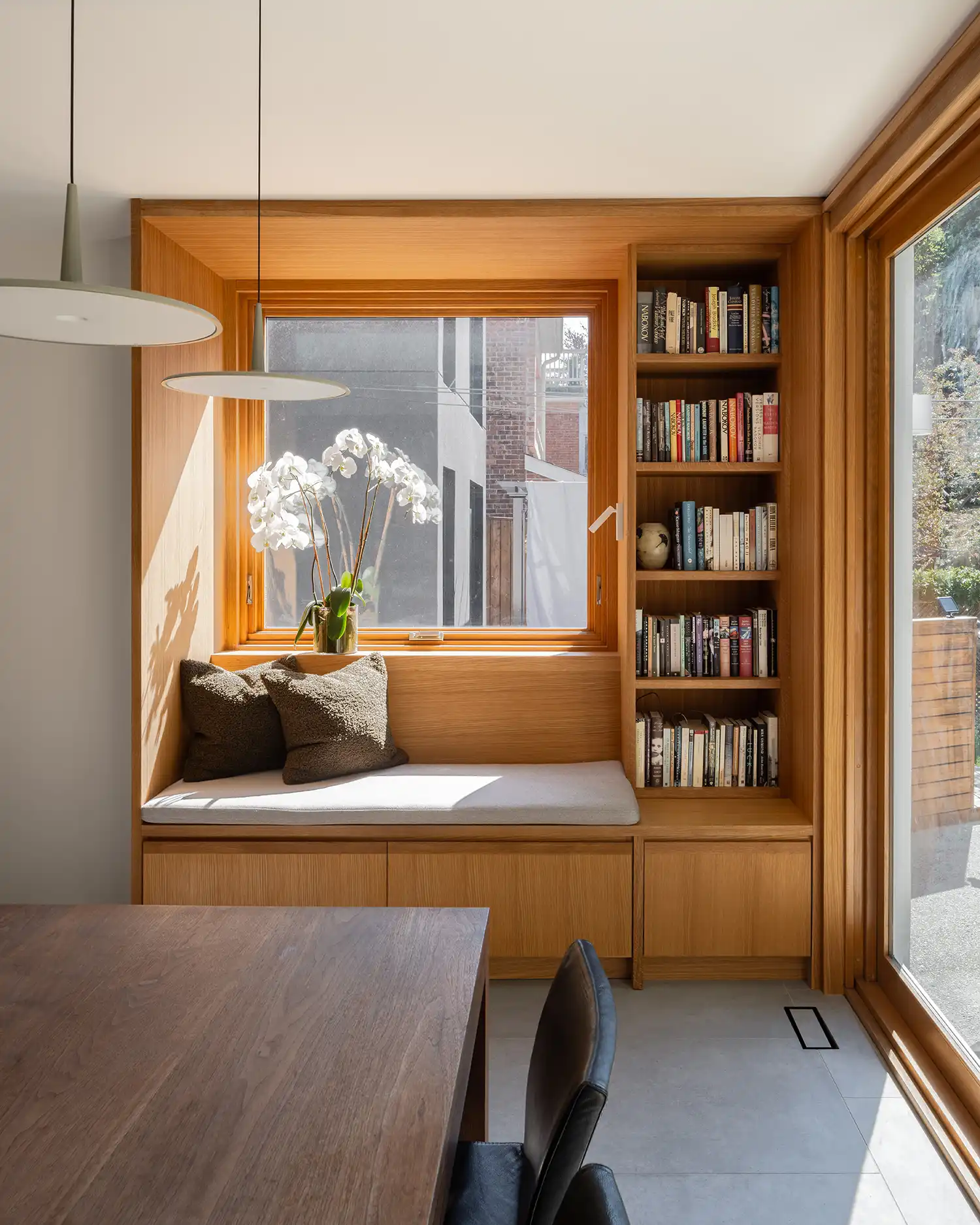
What sets this Toronto renovation apart is its thoughtful approach to sustainable architecture. By working within the original structure and enhancing its efficiency, Williamson Williamson minimized waste while maximizing natural ventilation and daylight. The result is a home that feels both timeless and contemporary—a true celebration of family, learning, and design.
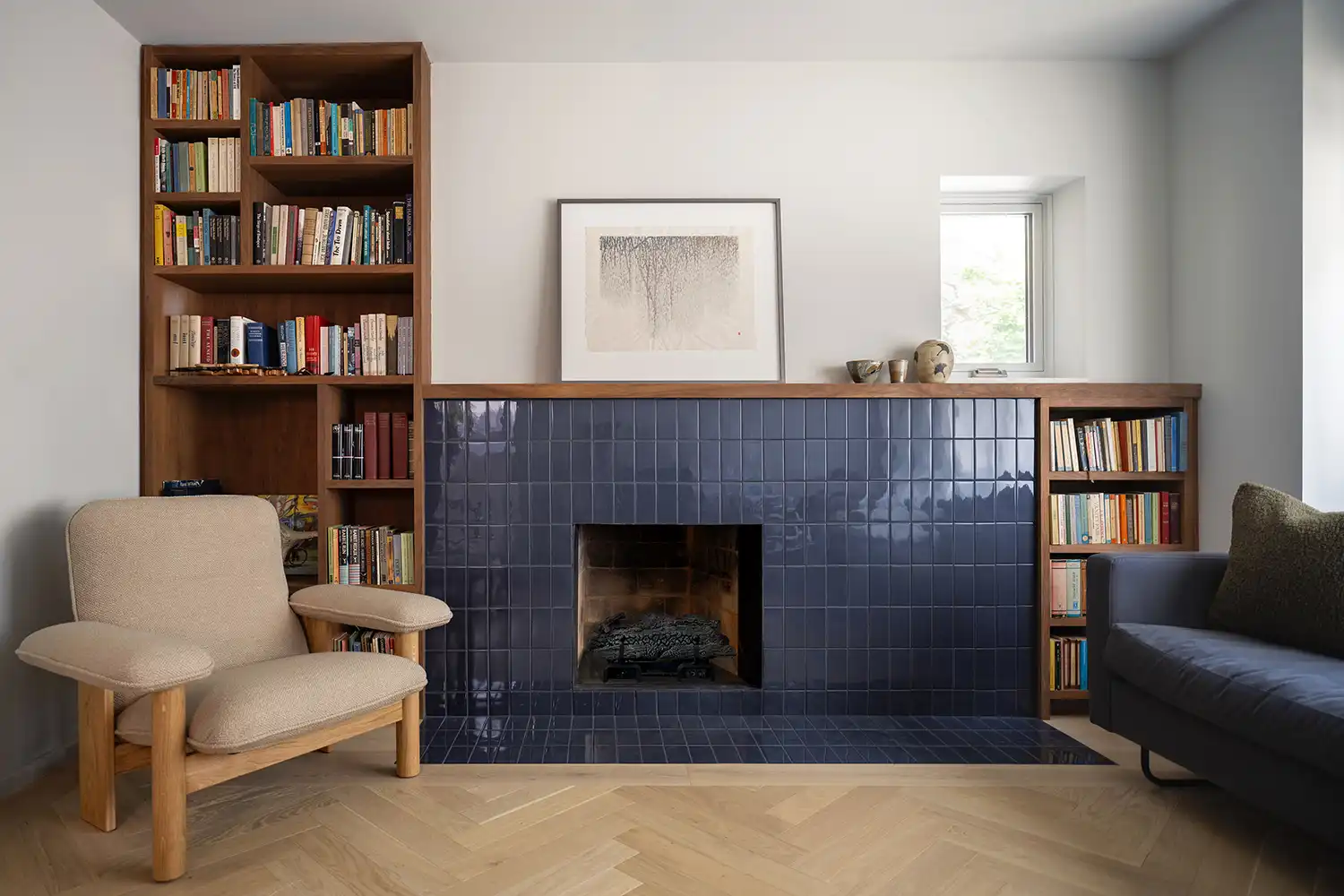
For architecture and design enthusiasts, the House of Books stands as a testament to how adaptive reuse and intelligent space planning can create homes that are as functional as they are inspiring. Whether it’s the kitchen-library hybrid or the seamless flow between old and new, this project proves that even the most modest homes can be reimagined into extraordinary living spaces.