



In Brno’s historic heart, where centuries of architectural layers converge, a modest municipally-owned space has undergone a radical yet respectful transformation. Prague and Brno-based architecture studio KOGAA has reimagined the Tourist Information Centre (TIC Brno) as far more than a simple information point. Their intervention creates a vibrant civic interface, a refined threshold between the city’s rich past and its dynamic cultural present, setting a new benchmark for adaptive reuse architecture and publicly funded design.
Strategically located on Zámečnická Street, a key pedestrian artery linking Náměstí Svobody and Dominikánské náměstí, the centre occupies a crucial spot within Brno’s historic core. KOGAA’s design transcends the conventional tourist information typology, positioning TIC Brno as adaptable civic infrastructure. It functions as a micro-cultural hub: hosting exhibitions, showcasing locally made design products, and providing space for intimate events and launches. Its rotating content, curated with Brno designers and institutions, ensures the space evolves with the city’s creative culture.
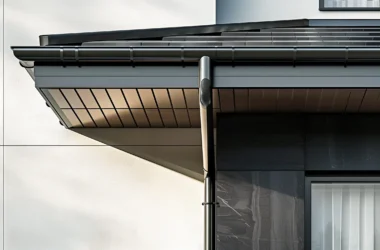
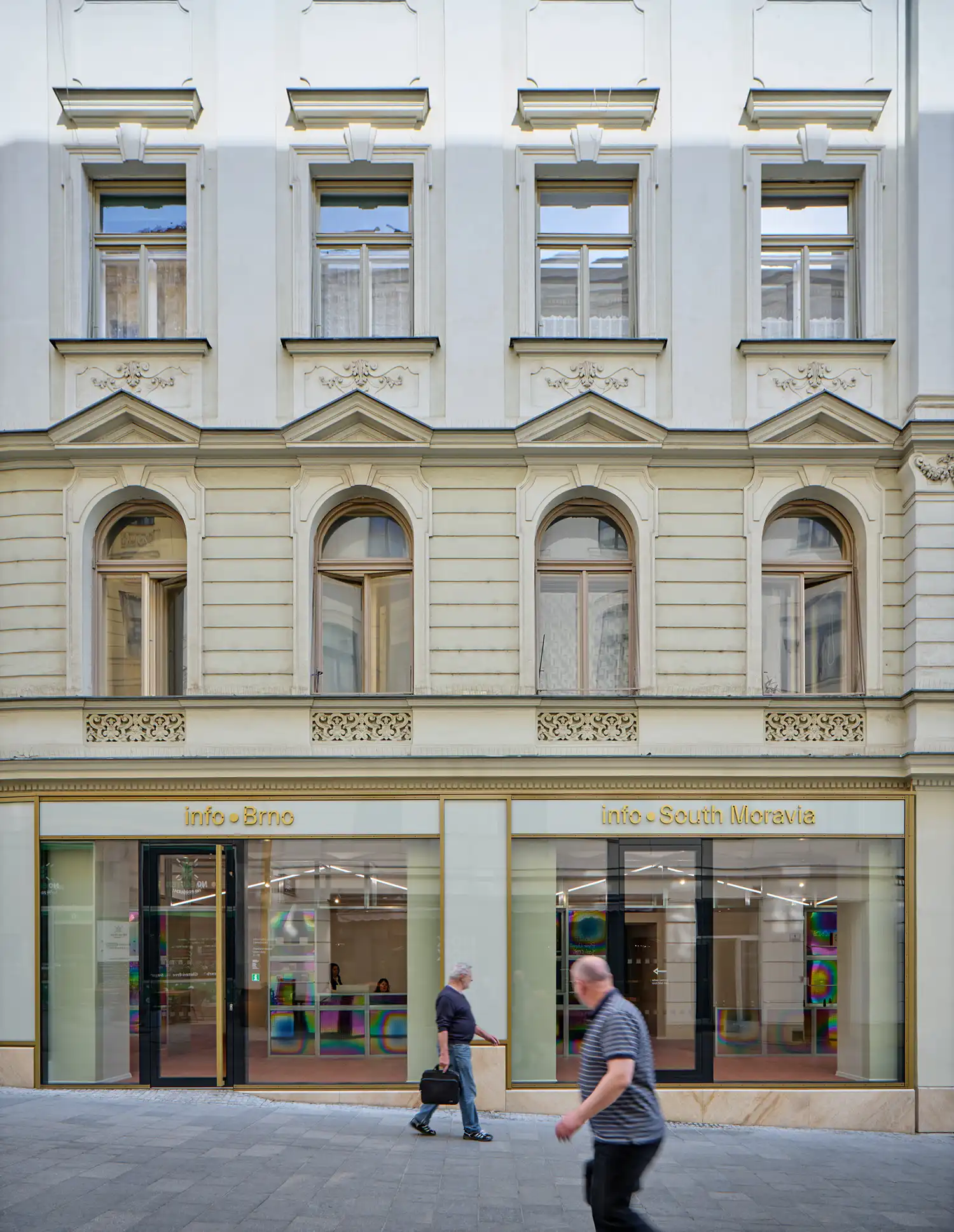
Navigating the constraints of a protected heritage building demanded a delicate balance. The exterior intervention brings coherence to a previously fragmented streetscape. Developed in close consultation with the National Institute of Historical Preservation and Brno’s own heritage department, the design respects the original architectural rhythm. A new, textured travertine stone base anchors the façade, echoing Brno’s historic materiality. Above it, a lightweight external hood unifies essential signage and declutters the elevation, introducing visual calm and improved accessibility. This careful, phased approach minimised disruption and sets a vital precedent for sensitive interventions in saturated urban centres.
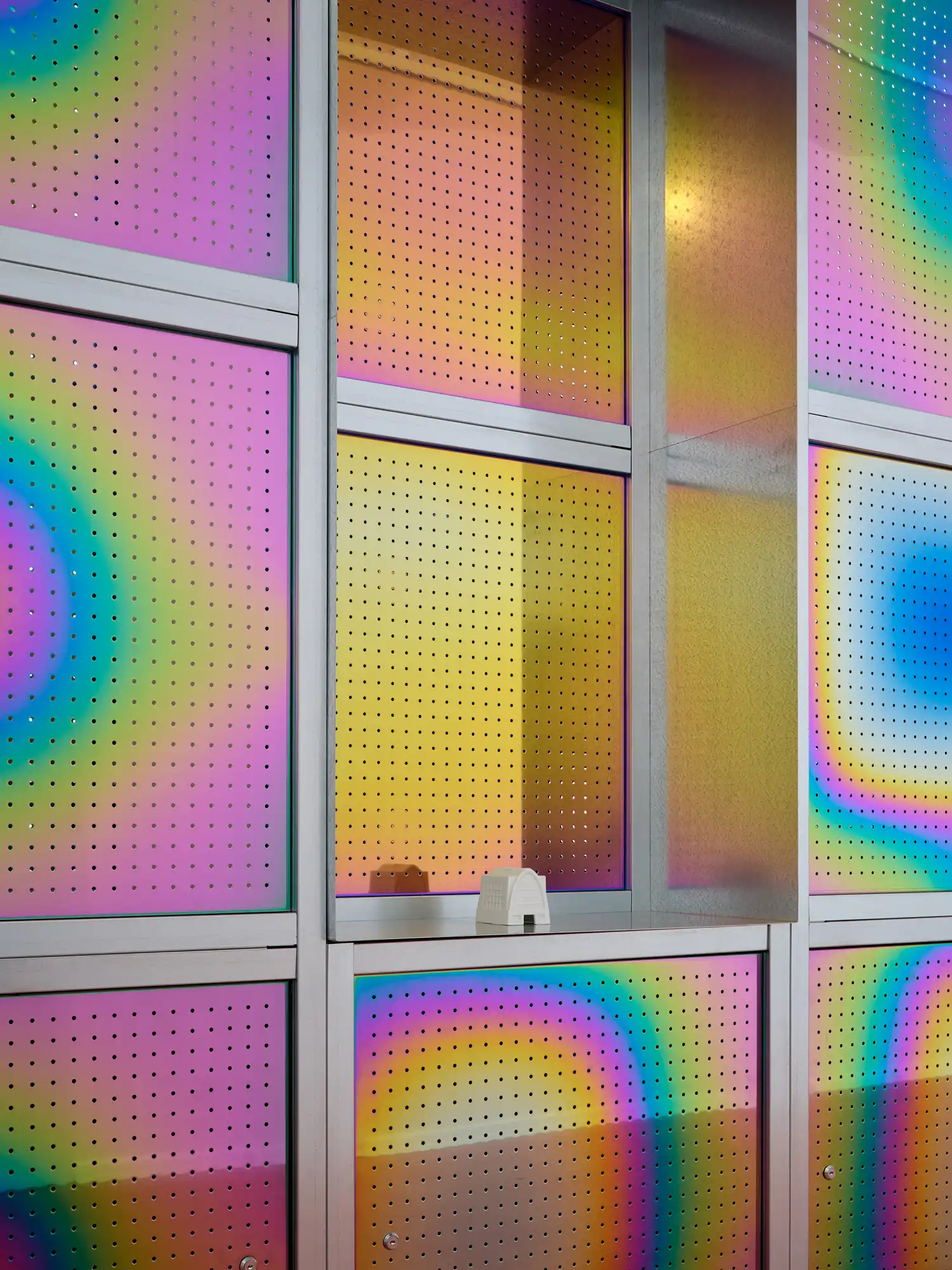
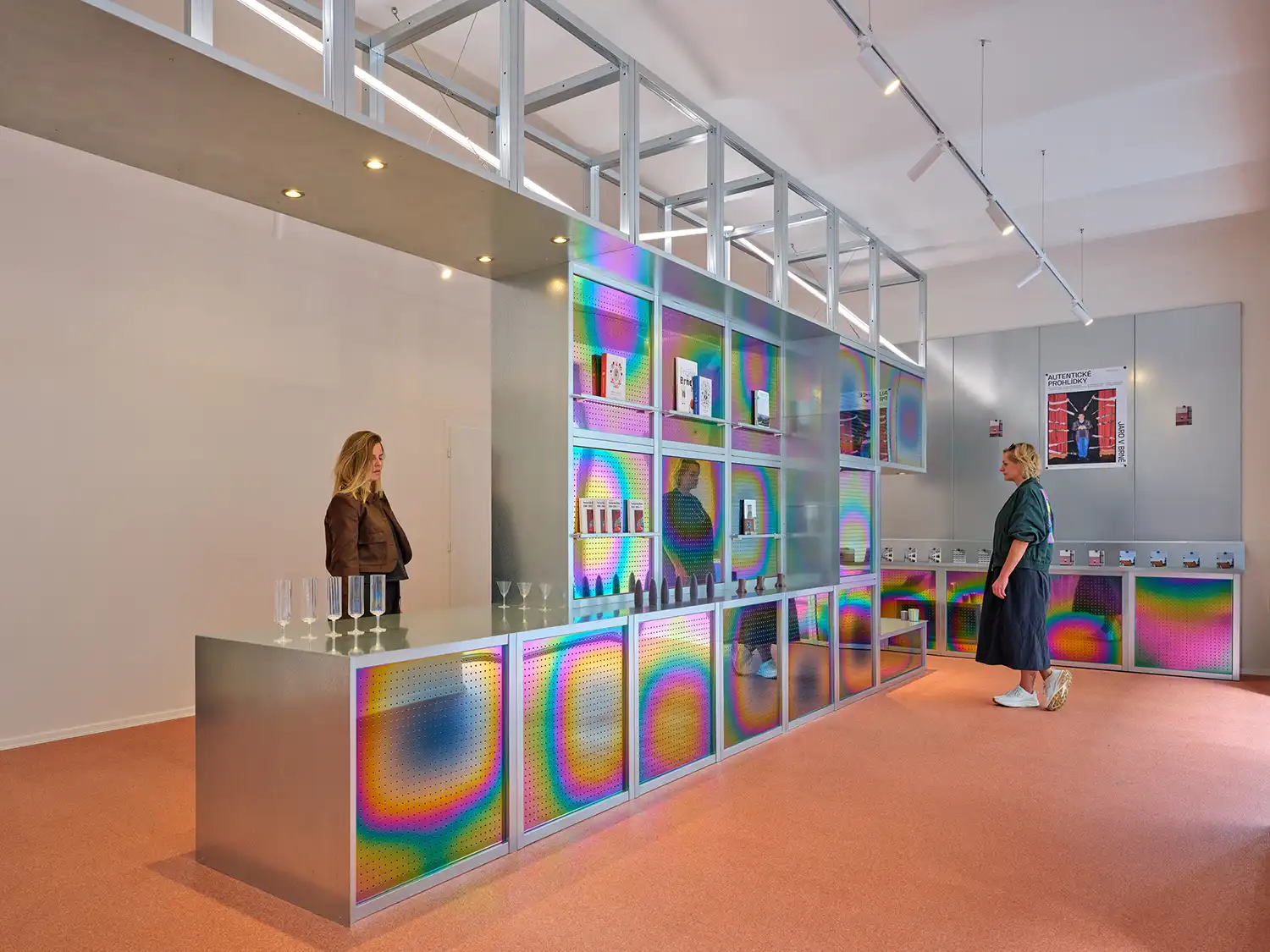
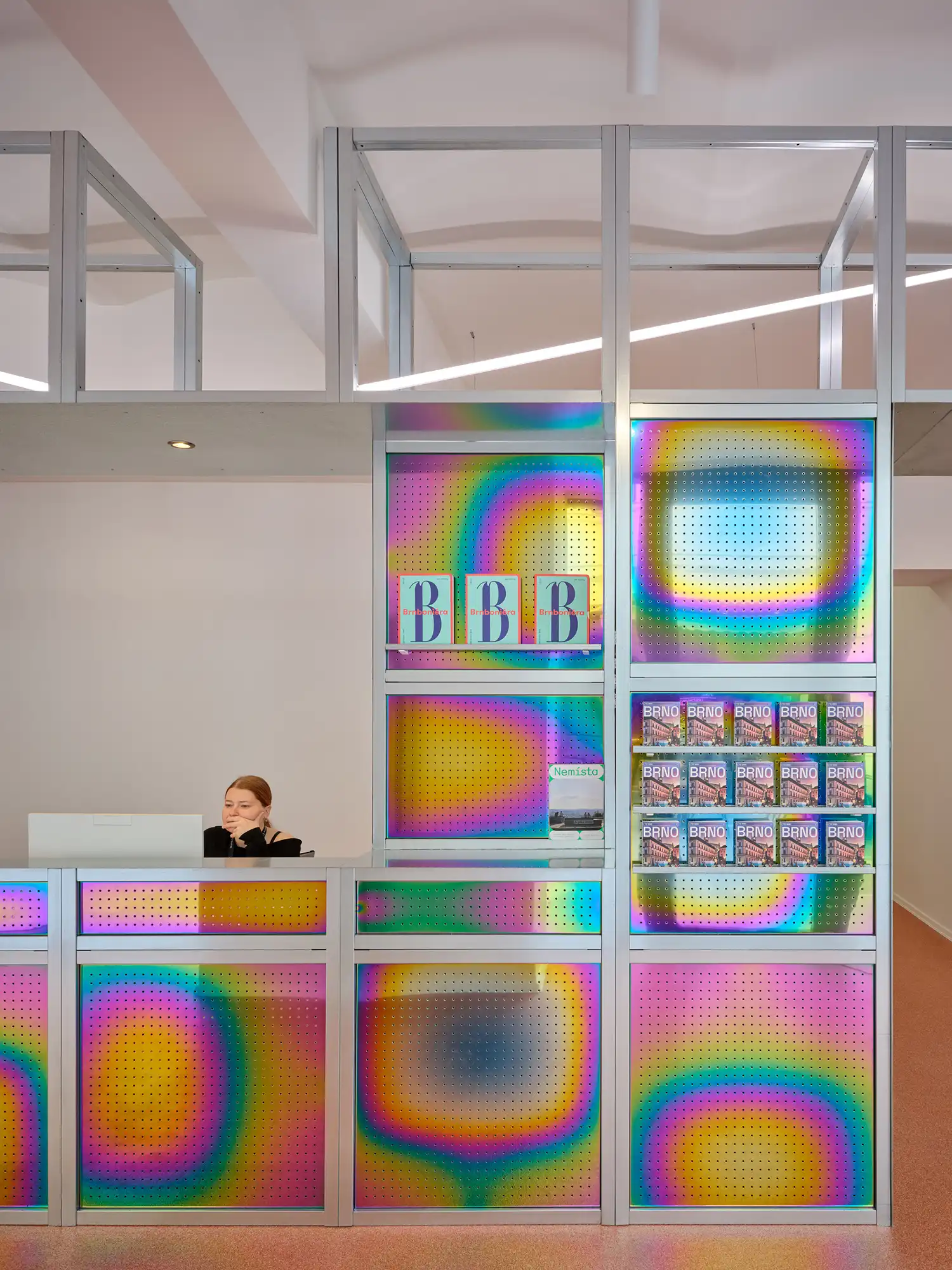
The true revelation lies within the compact interior. KOGAA consolidated all functions—reception, workspace, retail, storage, and display—into a single, sculptural multifunctional insert. Fabricated through a pioneering collaboration with Brno-based DURO DESIGN, specialists in advanced metalwork, this central volume is clad in iridescent titanium panels. Achieving the final shimmering effect involved nearly a year of prototyping. The titanium nitride finish was applied using a Physical Vapor Deposition (PVD) process, where atmospheric gases in the vacuum chamber created unique, unpredictable iridescence on each stainless-steel panel. DURO DESIGN also engineered a bespoke connector system for seamless, monolithic assembly.
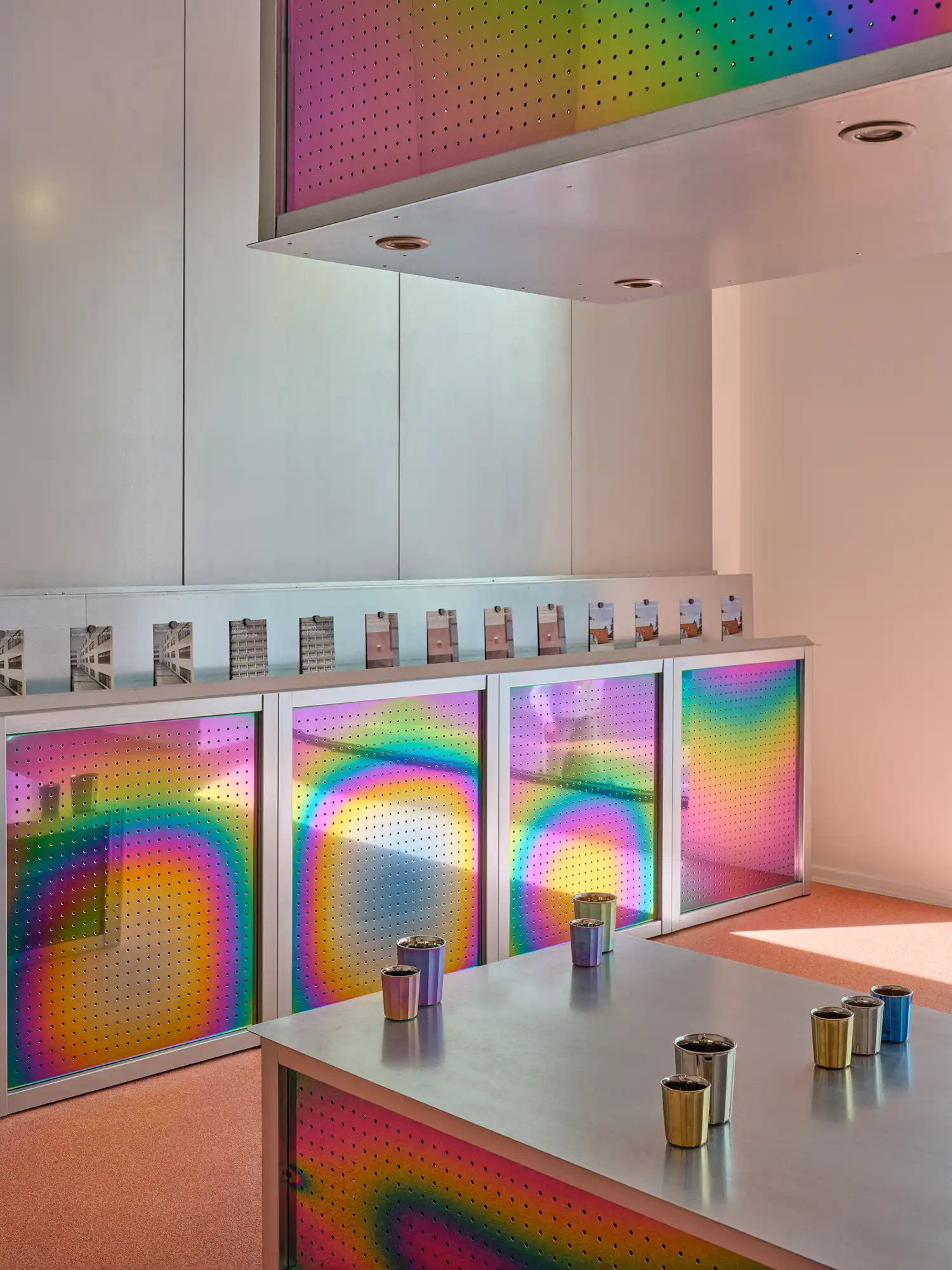
This sculptural core elegantly choreographs the space. Lowered segments form integrated desks, recesses showcase local wares, and deep volumes provide storage, while maintaining fluid circulation. As daylight shifts, the iridescent titanium panels cast dynamic, ever-changing reflections and subtle gradients throughout the interior, creating an ephemeral quality. The contrast between the shimmering insert and the grounded travertine eloquently expresses the project’s core ambition: a dialogue between permanence and transformation, heritage and contemporary identity.
TIC Brno is more than architecture; it’s a strategic embodiment of the city’s vision to promote Brno as a destination rooted in authenticity and public participation. It demonstrates how civic infrastructurecan seamlessly blend symbolic presence with practical utility—hosting culture, supporting local makers, and significantly raising design standards in the public realm. KOGAA’s project proves that even small-scale urban interventions, executed with care, material innovation, and deep respect for context, can powerfully cultivate urban identity and set replicable models for the future. This is adaptive reuse not just of bricks and mortar, but of civic purpose.