




A new era of cross-Channel rail travel has dawned with the 2025 completion of the Eurostar UK Terminal at Amsterdam Central Station. Designed through a compelling collaboration between ZJA Architects & Engineers and Superimpose Architecture, this 2,300 m² terminal seamlessly integrates cutting-edge border crossing facilities into the fabric of a cherished national monument. More than just a functional node, the project represents a significant leap in sustainable design, passenger experience, and cultural integration between the UK and the Netherlands.
Commissioned by NS Stations, Eurostar Group, and ProRail, the architects faced the unique challenge of inserting a modern, Schengen external border facility – requiring passport and baggage checks – into the historic heart of Pierre Cuypers’ iconic station, currently undergoing its own major transformation. The solution involved repurposing the former Amstelpassage tunnel, one of the station’s five north-south arteries.
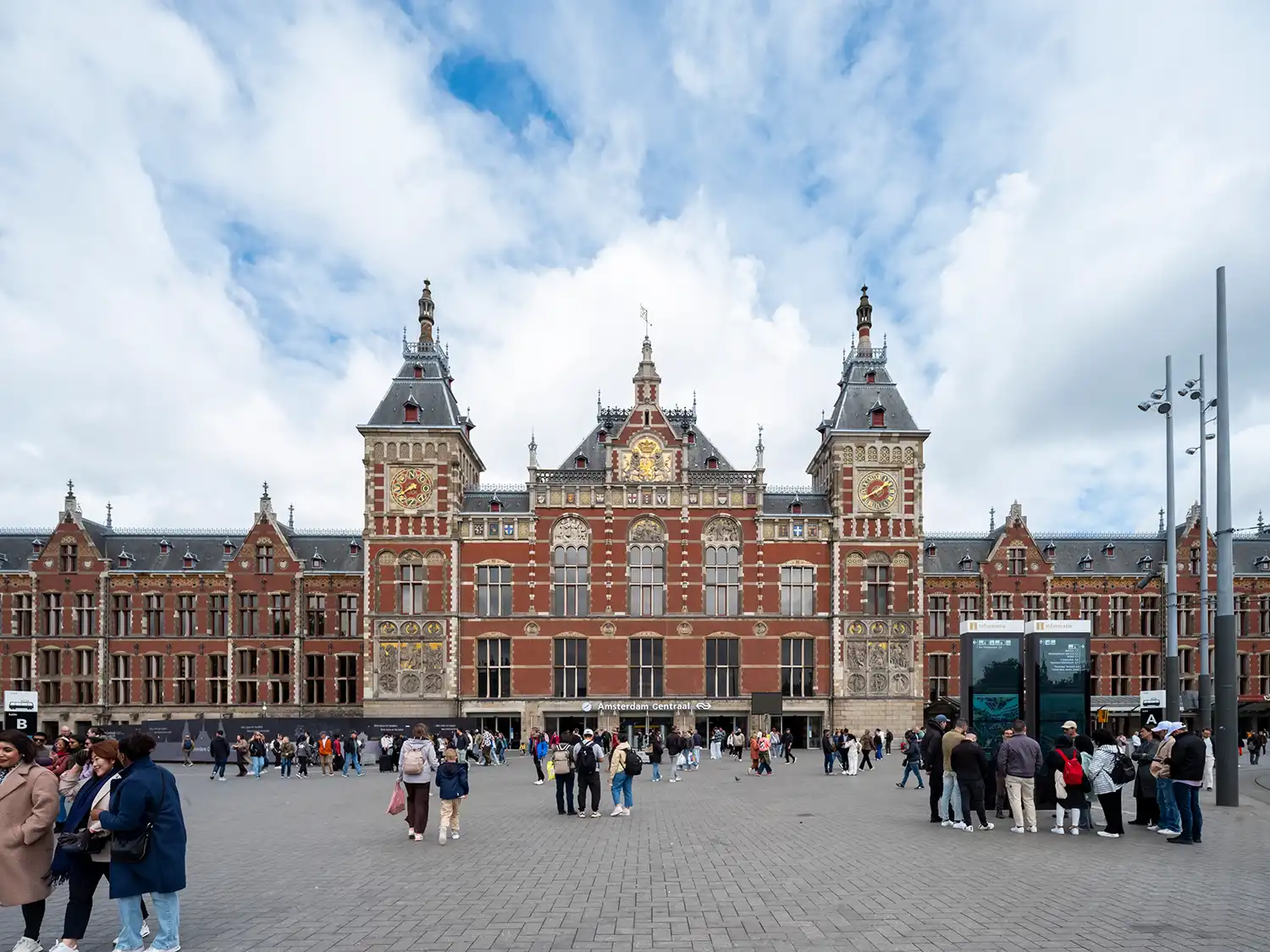
“We have taken great care to develop an architectonic concept that restores the lost monumental layers to their full glory, and makes them an integral part of the spatial experience,” explains Mallika Arora, architect at ZJA Architects & Engineers. The design consciously traverses the station’s timeline, from the 1889 Cuypersgebouw to the contemporary IJhal (2017). Key to this integration is the recent addition of vertical circulation via the Cuypers building. Passengers now ascend to platforms via escalators gliding alongside meticulously lit, exposed historic brick walls and vaulted ceilings – a remarkable architectural element aiding orientation.
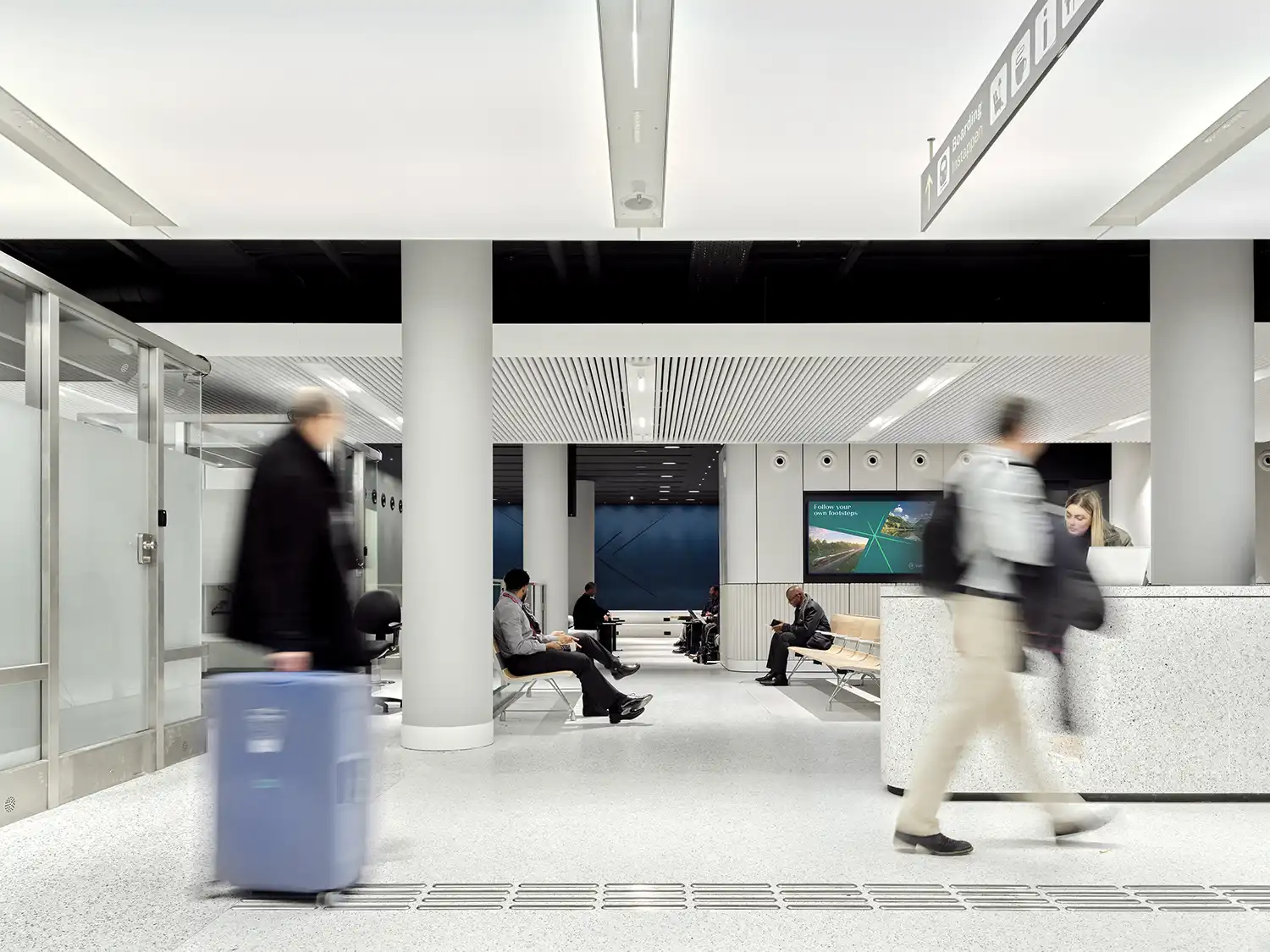
Superimpose Architecture, responsible for the interior design of the passenger areas, masterfully connected past and future. Ruben Bergambagt notes, “The interior connects past and future: curved ceilings reference the barrel vaults of Cuypers’ design, while the Eurostar ‘Spark’ logo is reflected in the design language.” Subtle, green-toned terrazzo floors guide travelers, forming a visual bridge between history and the brand’s contemporary aesthetic.
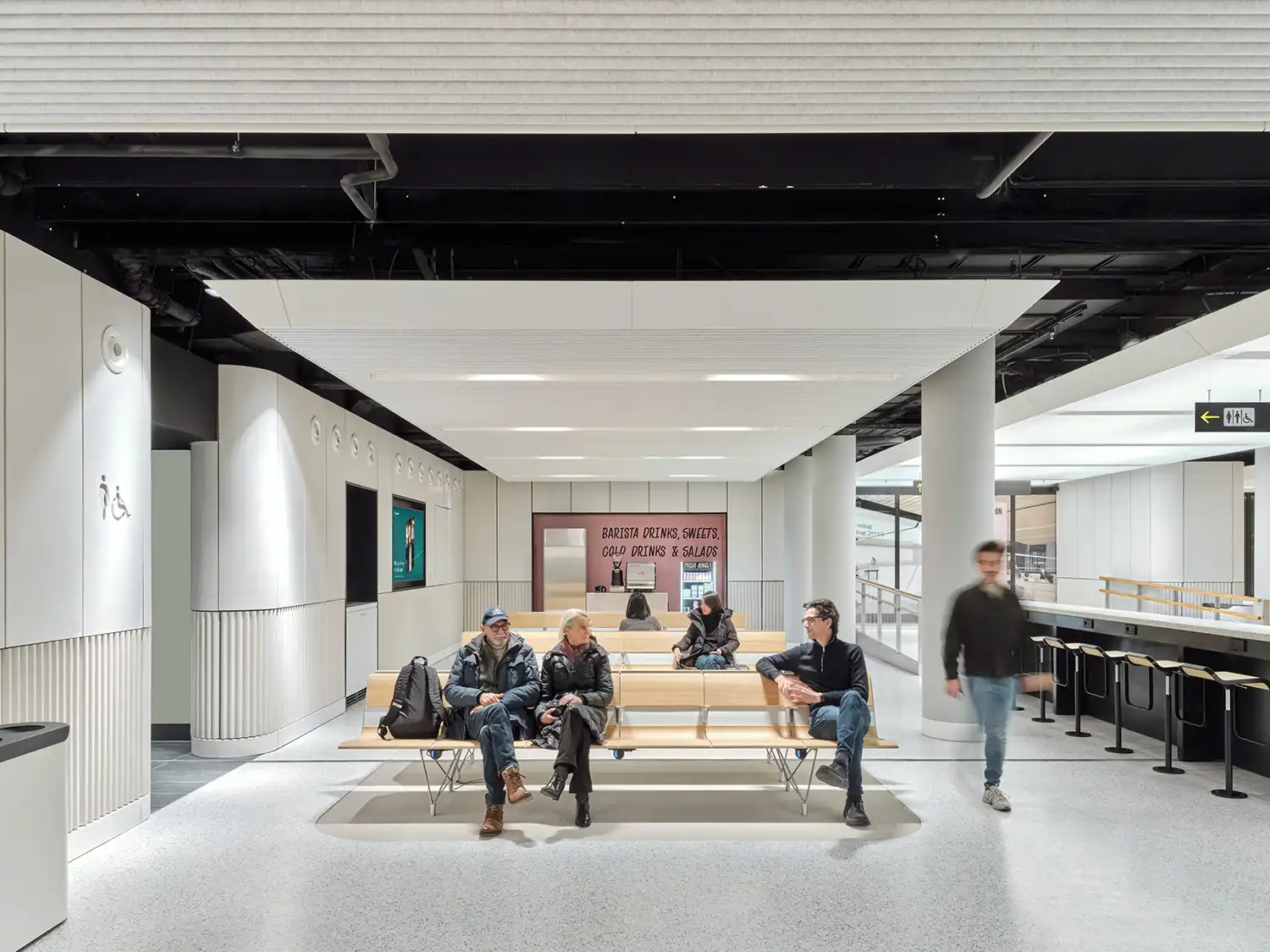
The terminal’s size, quadruple its predecessor on platform 15, demanded a crystal-clear circulation strategy. Travelers enter via the city-facing entrance, proceed through baggage check, Dutch and UK passport controls (with adjacent facilities), before reaching the waiting area. Here, the concept culminates in a space where “earth and sky” converge. The most striking feature is a dynamic floating ceiling – the ‘cloud ceiling’ – featuring projections of moving clouds synchronized with boarding announcements. This dynamic lighting, designed by Beersnielsen, creates an atmosphere that is both calming and activating, subtly evoking themes of travel and landscapes inspired by Dutch and British Golden Age paintings.
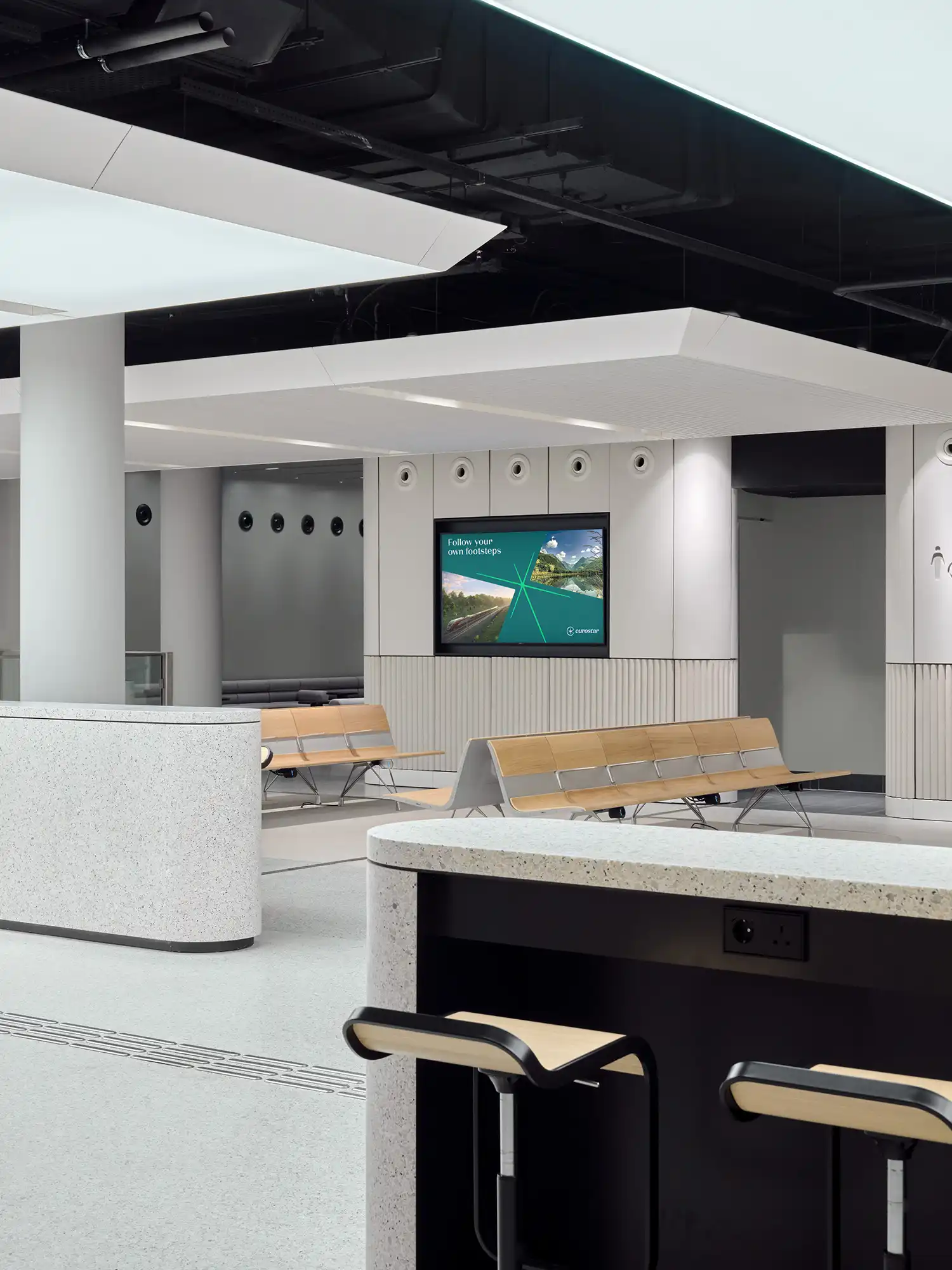
Sustainability was a core principle. The team prioritized repurposing existing structures and reusing technical installations like sprinkler systems, minimizing waste and retaining stored CO₂. Material choices further this commitment: biobased insulation, terrazzo with a negative CO₂ footprint, and recycled felt and aluminium ensure a long lifespan and low environmental impact. Modularity was key for the future-proof terminal; temporary components are designed for reuse, accommodating future developments within the bustling station environment.
Achieving operational continuity amidst multiple parallel construction projects at the central station required a cleverly devised phasing strategy, demonstrating sophisticated project management.
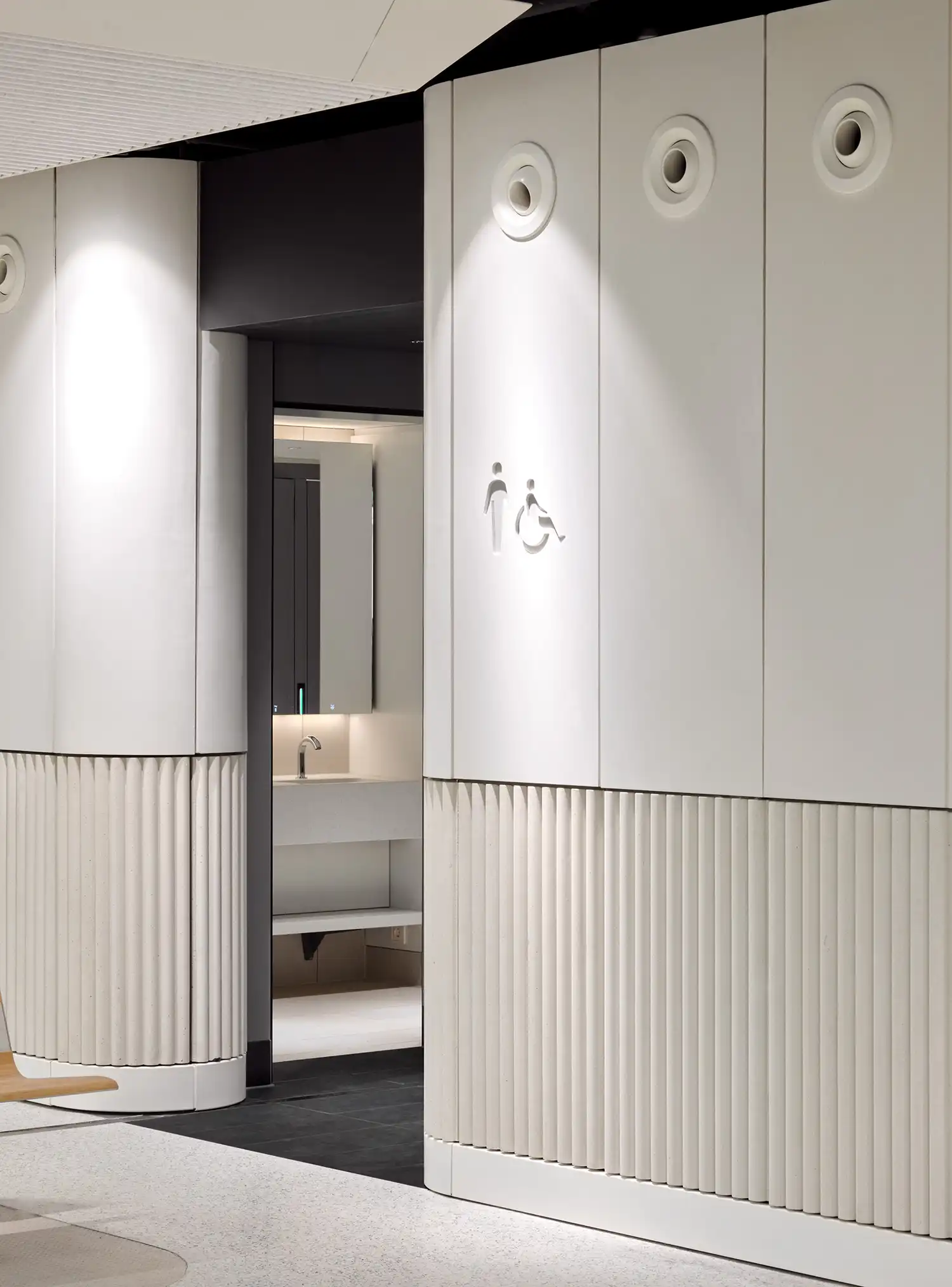
Beyond its architectural and functional achievements, the Eurostar UK Terminal stands as a tangible symbol of closer European connections. It significantly shortens the perceived distance between London and Amsterdam, championing sustainable mobility and strengthening international rail transport infrastructure. At a time when European cooperation and eco-conscious travel are paramount, this project powerfully illustrates how thoughtful infrastructure design can meet stringent functional demands, honour cultural heritage, and actively contribute to climate goals and deeper cultural integration.