



Set to redefine Shanghai’s cultural skyline, the Shanghai Grand Opera House, designed by renowned international firm Snøhetta in partnership with local architects ECADI, is poised to become a global landmark. Emerging from an international design competition, this ambitious project is a cornerstone of Shanghai’s master plan to cement its status as a leading economic, scientific, and cultural hub, explicitly named in China’s 13th Five-Year Plan as crucial for boosting the city’s international influence.

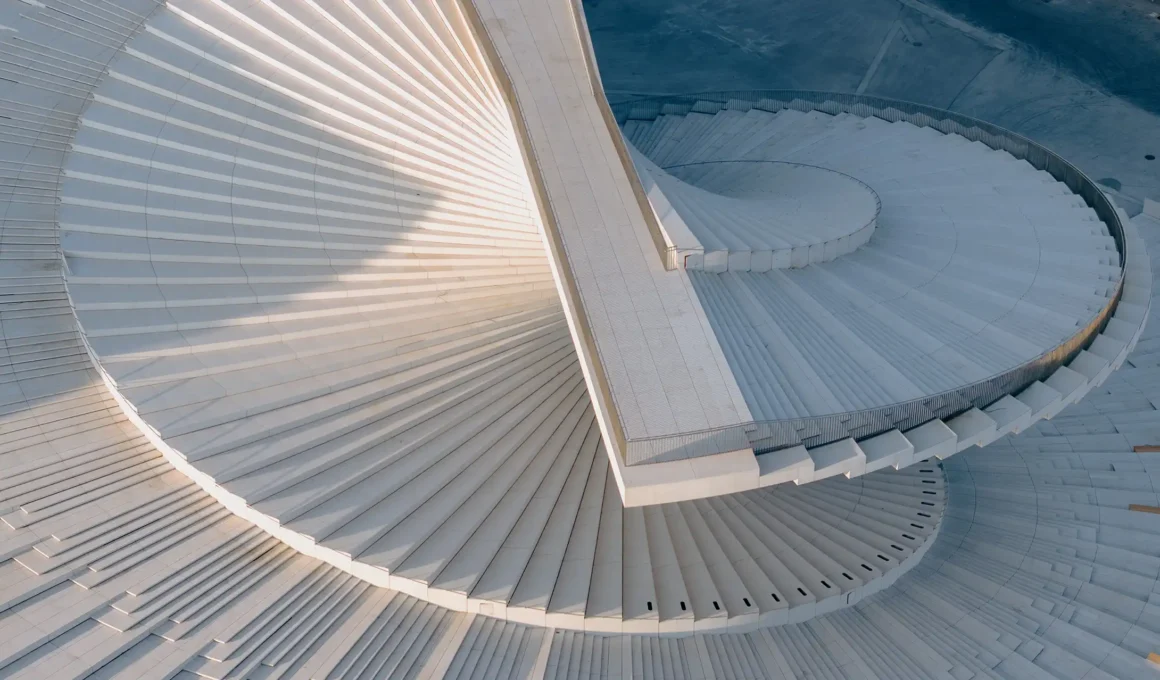
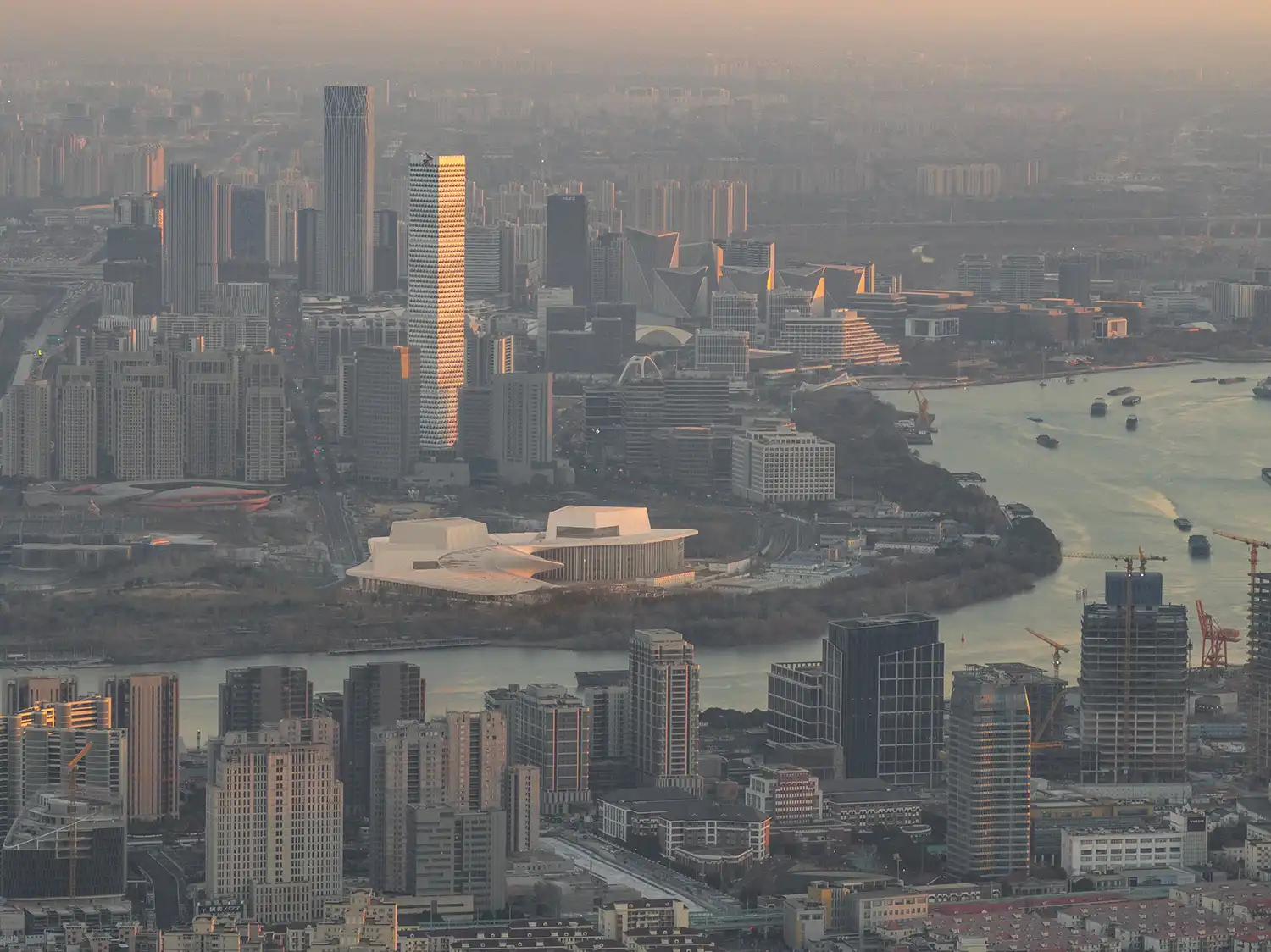
Located strategically within the Expo Houtan neighborhood along the Huangpu River, the opera house embraces an ecological, low-carbon ethos. Its design is a breathtaking interpretation of movement, directly inspired by the dynamism of performance. The structure’s most striking feature is its sweeping, helical roof surface, meticulously crafted to resemble an unfolding fan. This powerful gesture not only captures the fluidity of dance but also generates the building’s defining public space.
“This project is a natural progression of our work with performing arts centers,” states Snøhetta founder Kjetil Trædal Thorsen, referencing precedents like the Norwegian National Opera and Busan Opera House. “It embodies our contextual understanding and values, designed to promote public ownership for the people of Shanghai and beyond.”
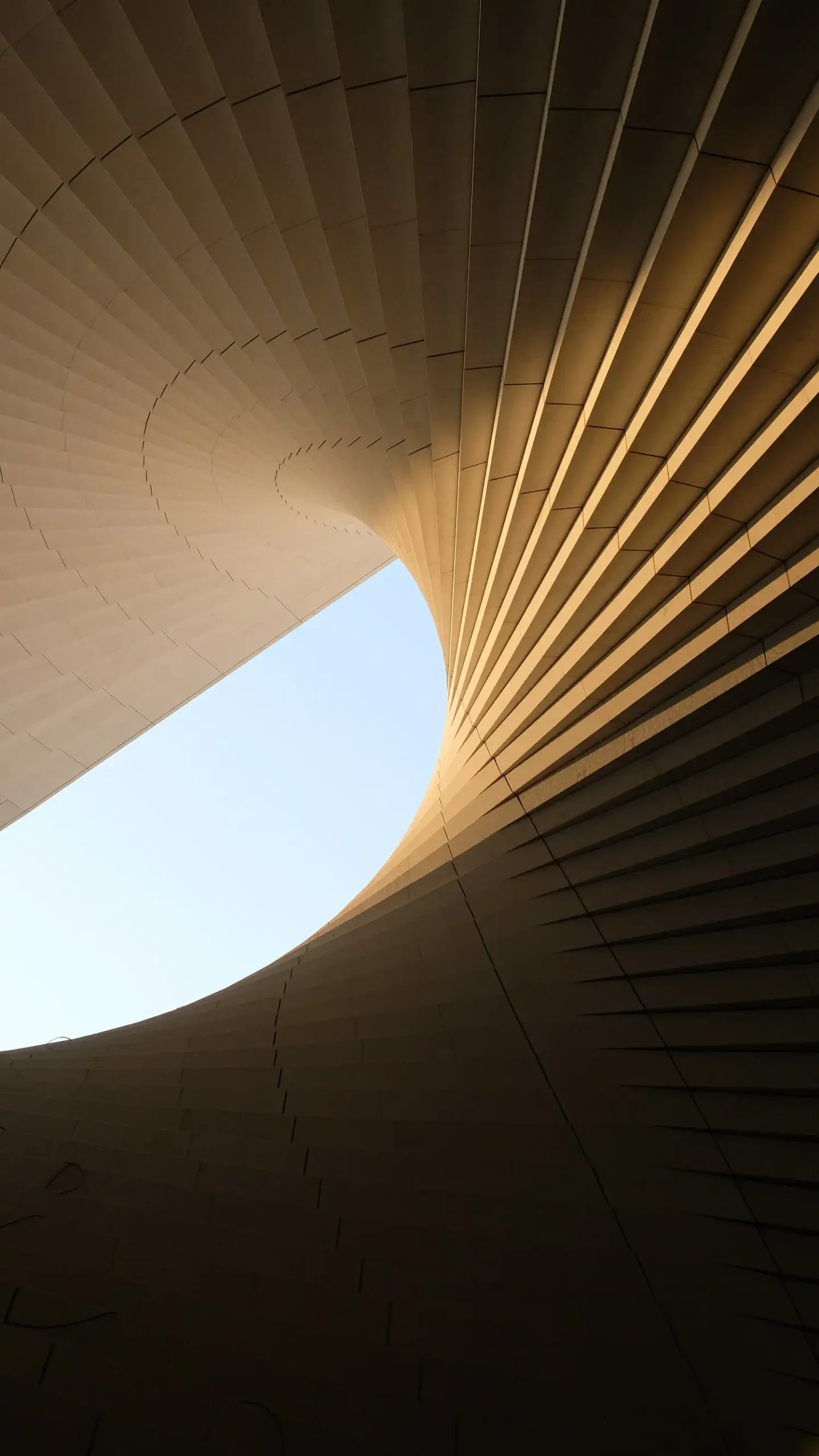
Indeed, public accessibility is fundamental. The magnificent roof transforms into an accessible public rooftop, a 24/7 urban stage and meeting place for large events or everyday visitors. This spiraling staircase seamlessly connects the ground-level landscape plazas to the heights, offering panoramic views towards the city and the Huangpu River banks. The radial, fanning motif extends throughout the entire structure, flowing into the grand lobby, circulation spaces, and crucially, into the design of its three distinct performance venues.
At its heart lies a 2,000-seat main auditorium, conceived as a finely tuned instrument boasting state-of-the-art technical solutions and superior acoustics. Complementing it are a more intimate 1,200-seat second stage and a highly flexible 1,000-seat third stage. This third space, with adaptable stage and seating, is specifically designed to host experimental performances, aiming to attract a younger audience and broaden the appeal of opera beyond traditional forms.

Materiality plays a key role in the experience. The stark white exterior gives way to an interior lined with soft silk-like textures. Oak wood dominates gallery floors and hall interiors, chosen for its excellent acoustic properties, stained a deep, resonant red within the main hall itself. Expansive glass panesflood the interior with natural light, creating an ever-changing atmosphere throughout the day and seasons. As night falls, exterior lighting transforms the stage towers into glowing lanterns, illuminating the rooftop and adding a luminous signature to the Shanghai skyline.
Beyond world-class performances, the Shanghai Grand Opera House is conceived as a vibrant cultural destination. A constellation of restaurants, galleries, exhibition spaces, museums, education centers, libraries, and small cinemas will activate the complex daily, ensuring its role as a beating heart for the community. More than just a building, Snøhetta and ECADI’s design offers an accessible canvas– a fluid, generous, and technologically advanced world-class venue where artists, global visitors, and local citizens converge under one iconic, fan-inspired roof, forever altering Shanghai’s cultural landscape.