

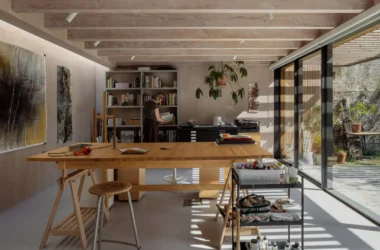
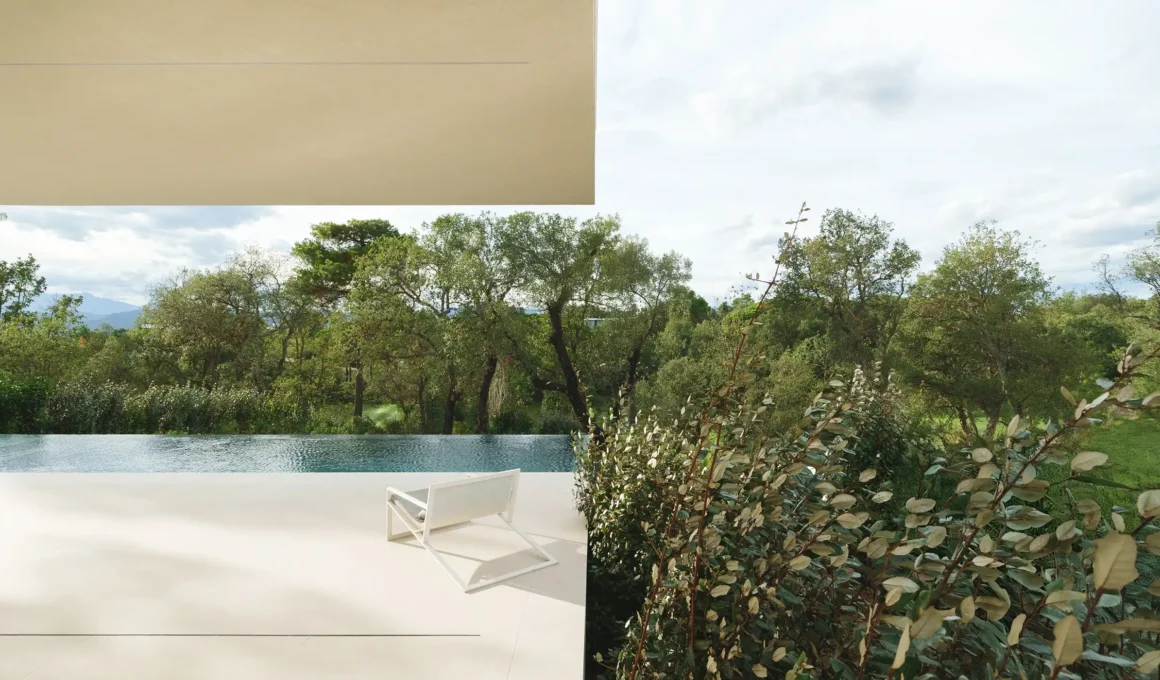
In an era of relentless digital noise, architects and designers are staging a quiet revolution. They’re crafting physical spaces that actively resist screens, algorithms, and virtual overload—prioritizing tactile engagement and human presence. This isn’t nostalgia; it’s a radical reimagining of how built environments can heal our fractured attention spans. Welcome to the rise of analog architecture.
The Blueprint for Disconnection
Digital overload has reached crisis levels. Studies show the average person touches their phone 2,617 times daily. In response, forward-thinking architects design “screen-free sanctuaries”—spaces engineered to foster non-digital experiences:
Seattle Central Library’s “silent rooms” (Rem Koolhaas/OMA) use warm timber and diffused light to create focus oases.
Tokyo’s “No Wi-Fi” cafés feature communal tables and tactile materials (rough stone, unfinished wood) to spark conversation.
Bosco Verticale (Stefano Boeri) integrates 20,000 plants into façades, using biophilic design to lower stress hormones by 15% (University of Milan data).
“Architecture must counter digital intrusion by rewarding physical presence,” argues Snøhetta’s Kjetil Trædal Thorsen. “We design friction—textures, acoustics, spatial flow—that makes phones feel alien.”
Materiality as Therapy
The non-digital experience thrives on sensory richness. Projects like Salk Institute (Louis Kahn) reveal how raw concrete and travertine can heighten awareness of light, shadow, and sound. Today’s innovators amplify this:
Patricia Urquiola’s Cassina collections use hand-ripped wool and unpolished marble to trigger neural responses linked to calmness.
Muji Hut’s 9m² cabins reject smart tech, instead framing views of forests through asymmetrical windows—a practice dubbed “slow viewing.”
Neuroarchitecture principles guide spaces like The Forestias Bangkok: curved walls lower cortisol, while variable acoustics (fabric panels, cork) reduce digital echo.
Topiaris Unfolds a Slow-Paced Ecological Boardwalk Along Lisbon’s Loures Riverfront
Designing for Tactile Engagement
True analog architecture manipulates space to prioritize human interaction:
| Design Strategy | Real-World Example | Non-Digital Experience Created |
|---|---|---|
| Forced Circulation | Spiral staircases over elevators | Unplanned conversations (New York’s The Shed) |
| Acoustic Zoning | Felt-lined reading nooks | Deep focus without headphones |
| Ephemeral Materiality | Chalkboard walls, movable partitions | Collaborative creation (Second Home’s Lisbon workspace) |
“The staircase is the ultimate anti-algorithm device,” notes architect Alison Brooks. “Its physical demand creates accidental community—something no app can replicate.”
The Slow Design Manifesto
This movement transcends aesthetics—it’s ethical. Slow design principles champion:
Craft integration: Spaces like Fogo Island Inn (Todd Saunders) showcase handwoven textiles and local carpentry.
Seasonal adaptability: Retractable glass walls (e.g., House NA by Fujiwara Muro) sync interiors with weather cycles.
Participatory spaces: Lisbon’s LX Factory repurposed industrial ruins into ceramic studios and print shops where visitors make, not scroll.
“Digital minimalism isn’t enough. We need spatial maximalism—environments so sensorially compelling, screens lose their appeal.”
—Carlos Martínez, Slow Design Foundation
The Data-Driven Case for Analog
Science validates what designers intuit:
A 2023 MIT study found 3 hours in screen-free spaces boosts creative problem-solving by 47%.
Tactile materials (wood, linen, stone) reduce heart rates 22% faster than digital interfaces (University of Delft).
Offices with “analog zones” report 30% fewer burnout cases (Gensler Research).
Your Non-Digital Experience Toolkit
Ready to transform spaces? Start here:
Material Layers: Combine rough (brick) with soft (bouclé) for tactile contrast.
Light Sculpting: Use paper screens or perforated metal to cast shadow patterns that change hourly.
Sound Landscaping: Install cork ceilings or textile baffles to absorb digital hum.
Flow Disruption: Replace open-plan with “journey-based” layouts—narrow corridors opening to sunlit courtyards.
“We’re not rejecting technology,” summarizes designer Ilse Crawford. “We’re demanding architectural counterweights—places where human hands, eyes, and voices reclaim primacy.”
Share your #AnalogArchitecture discoveries with @urdesignmag. What space liberated you from screens today?
urdesignmag charts the future of conscious living. For cutting-edge design intelligence, subscribe to our newsletter.