

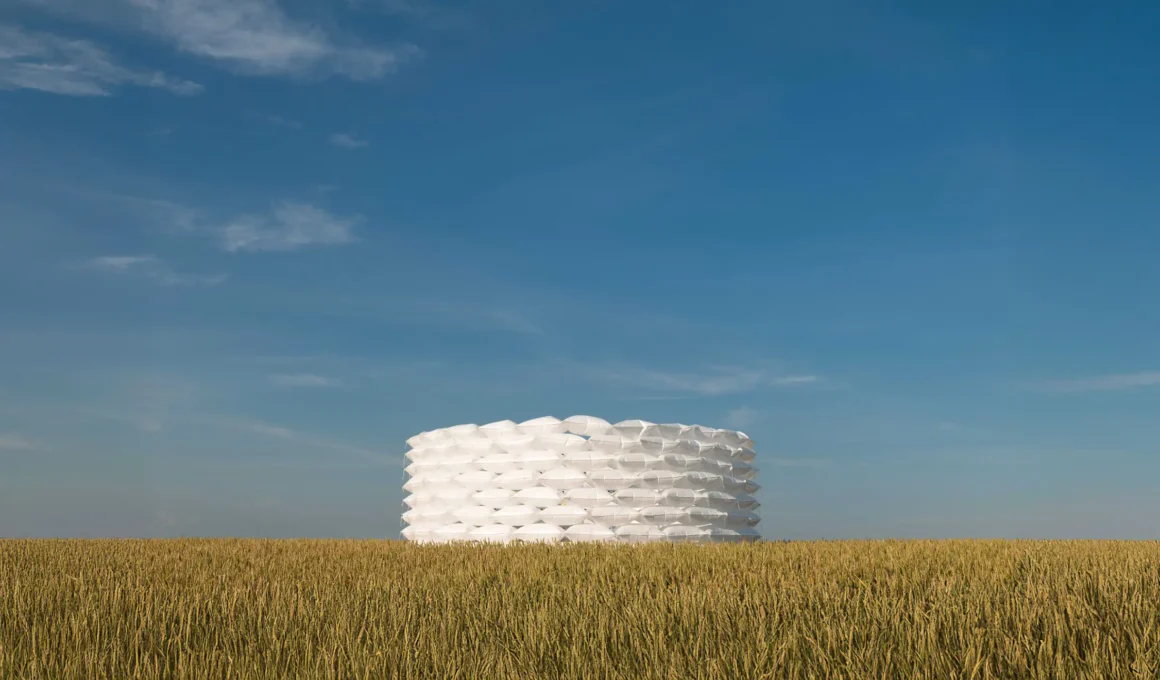
Of all the objects loaded with the heavy symbolism of conflict, the humble sandbag is perhaps the most ubiquitous. Its image is immediately associated with fortification, with the urgent need for protection against impending threat. It is an architecture of desperation. But what happens when that symbol is emptied of its fear, stripped of its weight, and transformed into a gesture of quiet resilience? This is the precise provocation of Gregory Orekhov’s latest work, the deeply contemplative SoftPower installation. Recently unveiled in France, the work recontextualizes the familiar form of the sandbag, creating not a barricade but a temporary sanctuary for introspection and silence.
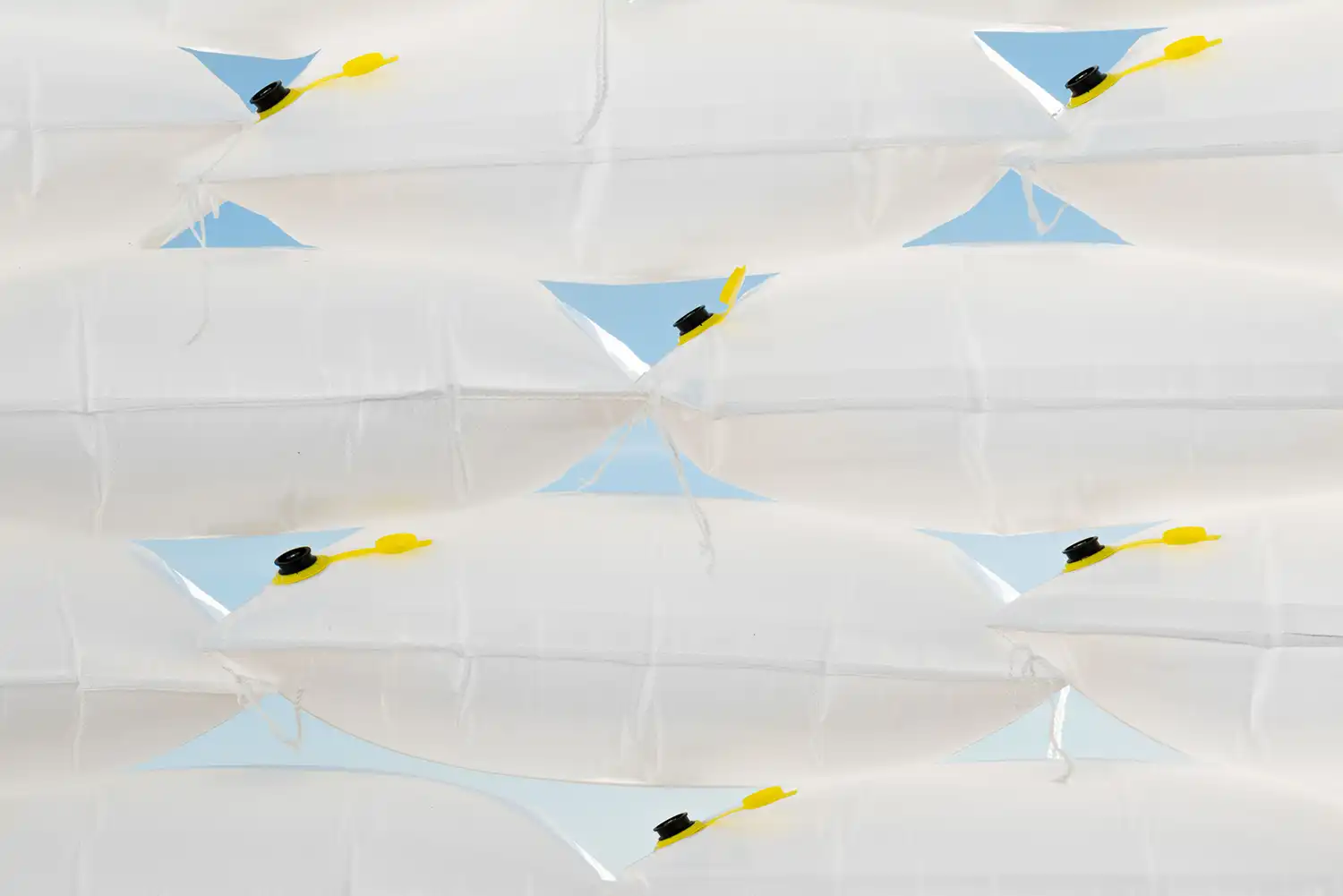
Orekhov’s method is one of profound inversion. The installation consists of numerous pillow-like forms, stacked in a deliberate circle. Yet, where one expects the gritty texture and crushing weight of sand, there is only air. These are inflatable sculptures, lightweight and soft to the touch. This simple material shift is everything. The symbol of fear and defense is dismantled, replaced by an invitation. The ring of forms does not seek to keep people out; it gently encourages them to step inside, to occupy a center of stillness. It is a monument to fragility, asserting that strength can be found not in rigid resistance, but in adaptable, quiet presence.

The choice of France as the setting for this public art intervention is far from incidental. The country stands as a historical global exemplar of wielding cultural influence—of soft power—as a primary tool of international dialogue and prestige. Orekhov’s work enters into a direct dialogue with place, engaging with a national tradition that has long understood the persuasive force of art, cuisine, language, and philosophy. In this context, SoftPower becomes more than an installation; it is a commentary on a national identity built on cultural projection rather than sheer force. It asks how a nation, or an individual, builds defenses in the modern world.
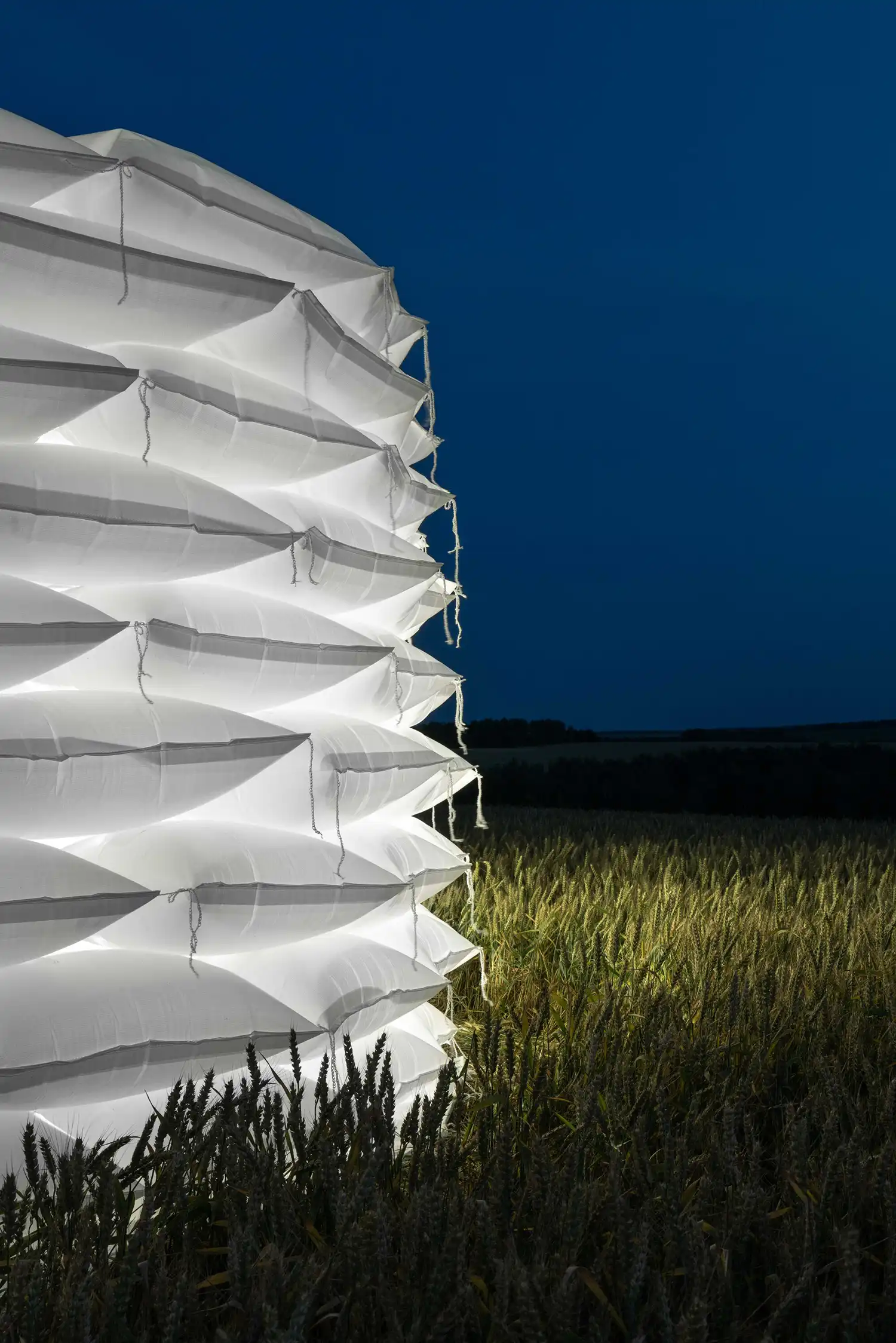
Visually, the work is a study in contrasts. The stark, industrial aesthetic of the sandbag is softened into something approaching the ethereal. The installation is an architecture of silence, a defined space in the landscape that commands a different kind of attention. It functions as a space for retreat, offering a moment of pause and concentration amidst the noise of everyday life. To experience it is to engage in a form of contemporary meditation, surrounded by a protective ring that symbolizes security without implying seclusion.

Ultimately, Gregory Orekhov’s SoftPower is a potent metaphor for inner strength. It proposes that the most durable forms of protection are often intangible. The work argues for defending ourselves and our values not with walls and weapons, but with the potent, delicate tools of culture and art. It is a gesture full of meaning, a silent argument for creating sanctuaries of thought and reflection. In transforming an icon of conflict into a haven for peace, Orekhov does not just create an artwork; he offers a blueprint for a different kind of resilience, proving that art can become a form of protection not from the world, but for its very soul.