


Nestled amidst the lush Costa Rican jungle of Playa Hermosa, Uvita – Bahia Ballena, the Studio House by Formafatal emerges as a testament to an intimate and immersive architectural vision. Conceived as the personal sanctuary of Dagmar Štěpánová, the co-founder of the internationally acclaimed Formafatal studio, this villa is a profound dialogue between human design and the untamed beauty of its natural setting. Following the success of the nearby Art Villas and Achioté villas, the Studio House continues Štěpánová’s exploration of living in profound harmony with the landscape.
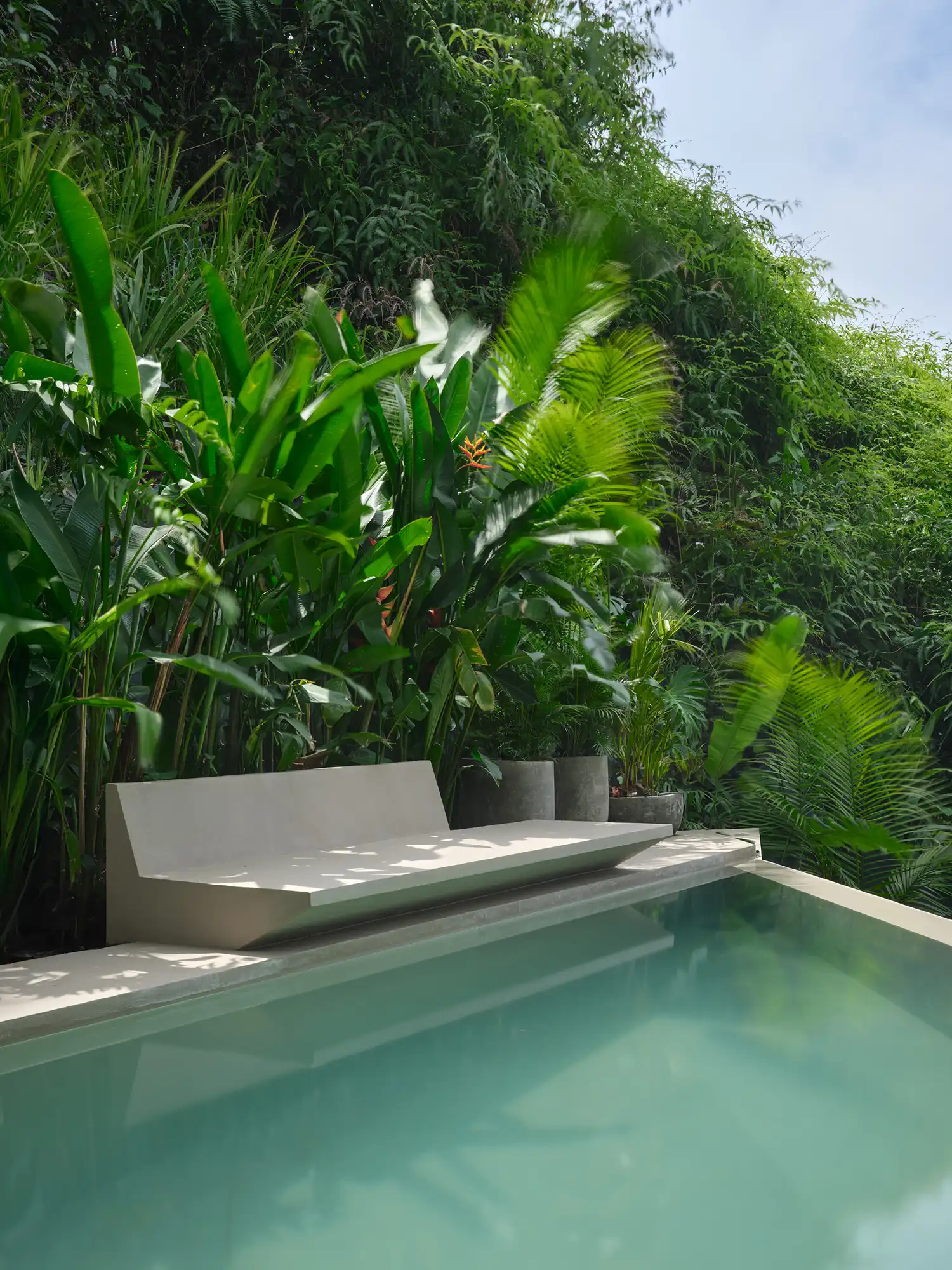
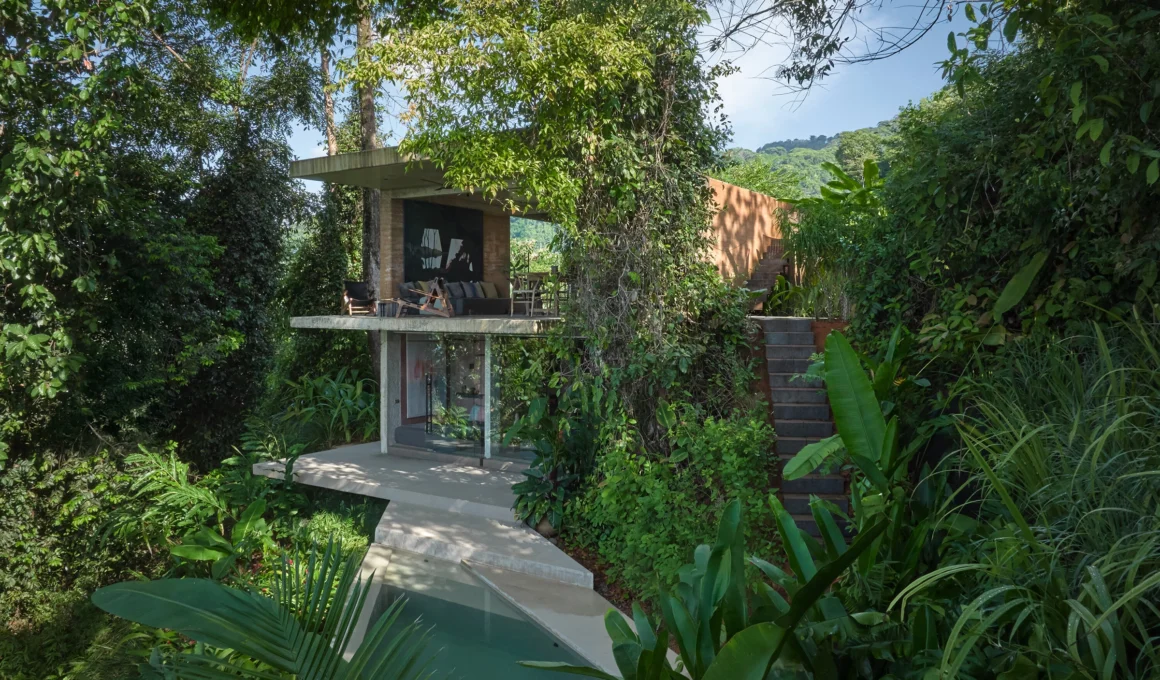
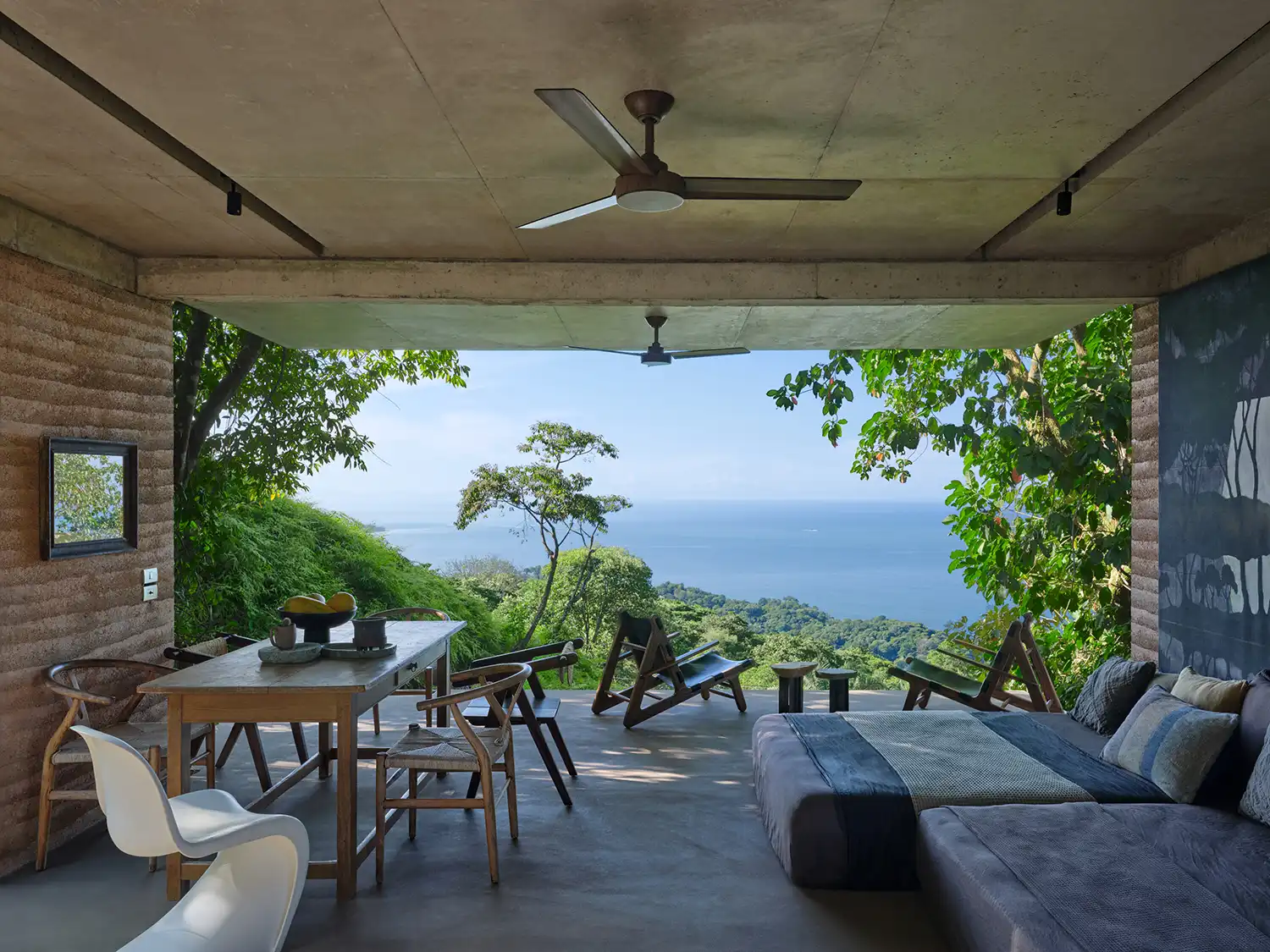
The very essence of the Studio House lies in its commitment to dissolving boundaries, inviting nature to flow unimpeded through its core. The main living space is strikingly devoid of one façade, a bold architectural gesture that transforms the interior into a dynamic extension of the jungle and ocean. Perched dramatically above the Pacific on a challenging double-sloped terrain, the house, despite its modest volume, unfolds a rich spatial experience through a thoughtful choreography of terraces, platforms, and breathtaking sightlines. Rooted in the wabi-sabi philosophy, and constructed with rammed earth and COR-TEN steel, the Studio House is both elemental and elegantly refined, a true architectural retreat shaped by the interplay of light, landscape, and the passage of time.
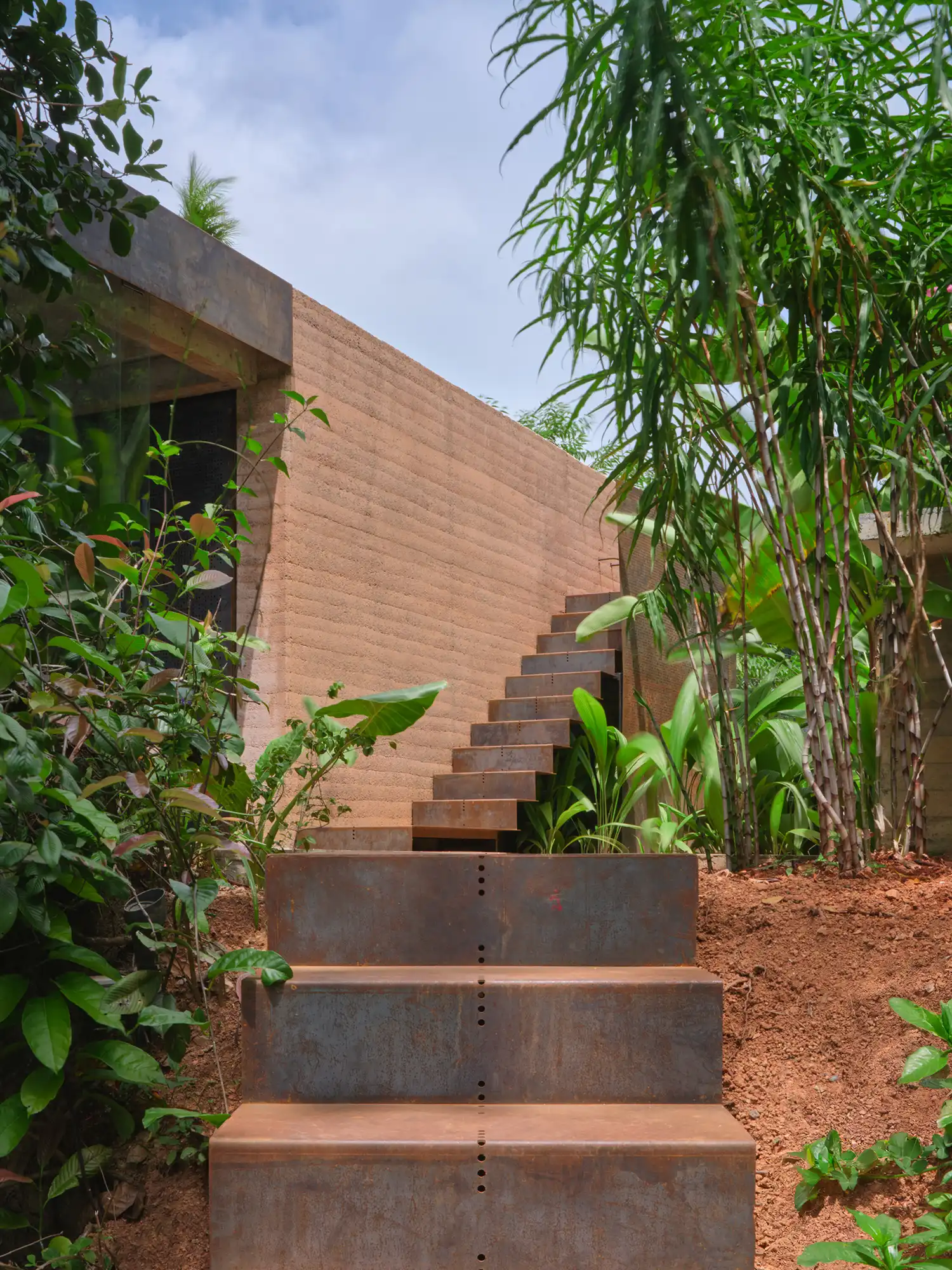
This unique residence is a masterclass in adapting to its environment. The complex, dual-sloped terrain, initially a challenge, became the guiding force behind the design process. Formafatal meticulously shaped the house’s form to embrace the land’s contours, avoiding tree roots and allowing the surrounding vegetation to become an integral part of the project. The sensory experience of the unparalleled scenery is heightened by the openness of the main living area, where the ever-shifting jungle scene—with its air, sounds, and light—awakens all senses, blurring the lines between indoor and outdoor living. Here, one doesn’t passively observe nature through a window, but actively becomes a part of it. Each space is intentionally designed to frame the sun or stars at a particular moment, materializing a harmonious conversation between architecture and the natural world.
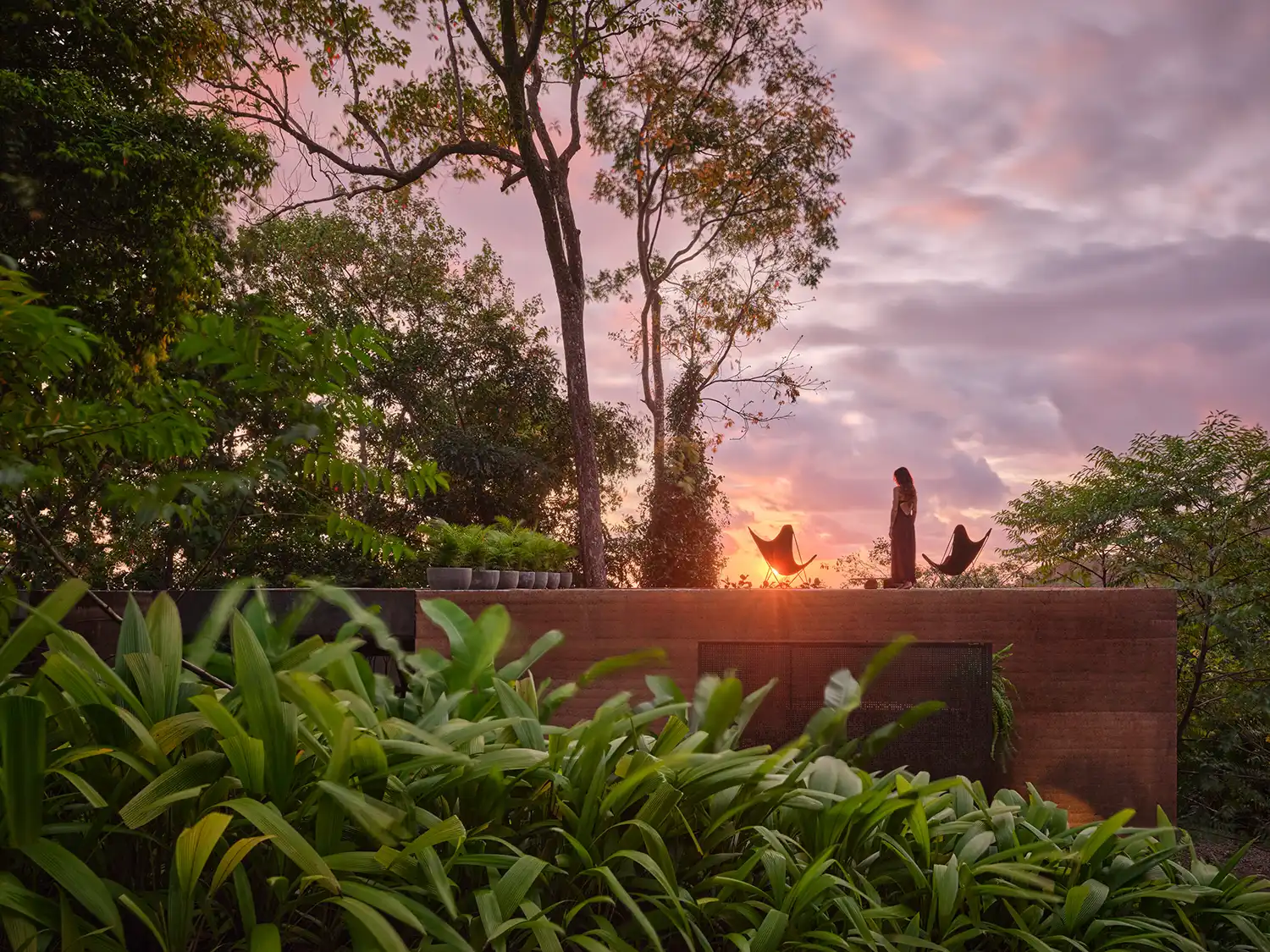
The Studio House, located near the vibrant town of Uvita, serves as Dagmar Štěpánová’s permanent home and a seasonal retreat for her long-time friend and partner, Karel Vančura. Situated on the same site as the Achioté villas, it offers an ideal backdrop for both adventurous escapes and serene daily life. From the access road, the house appears as a minimalist volume, its rammed earth walls punctuated by expansive openings fitted with sliding glass panels that reveal glimpses of the surrounding jungle-covered hills.
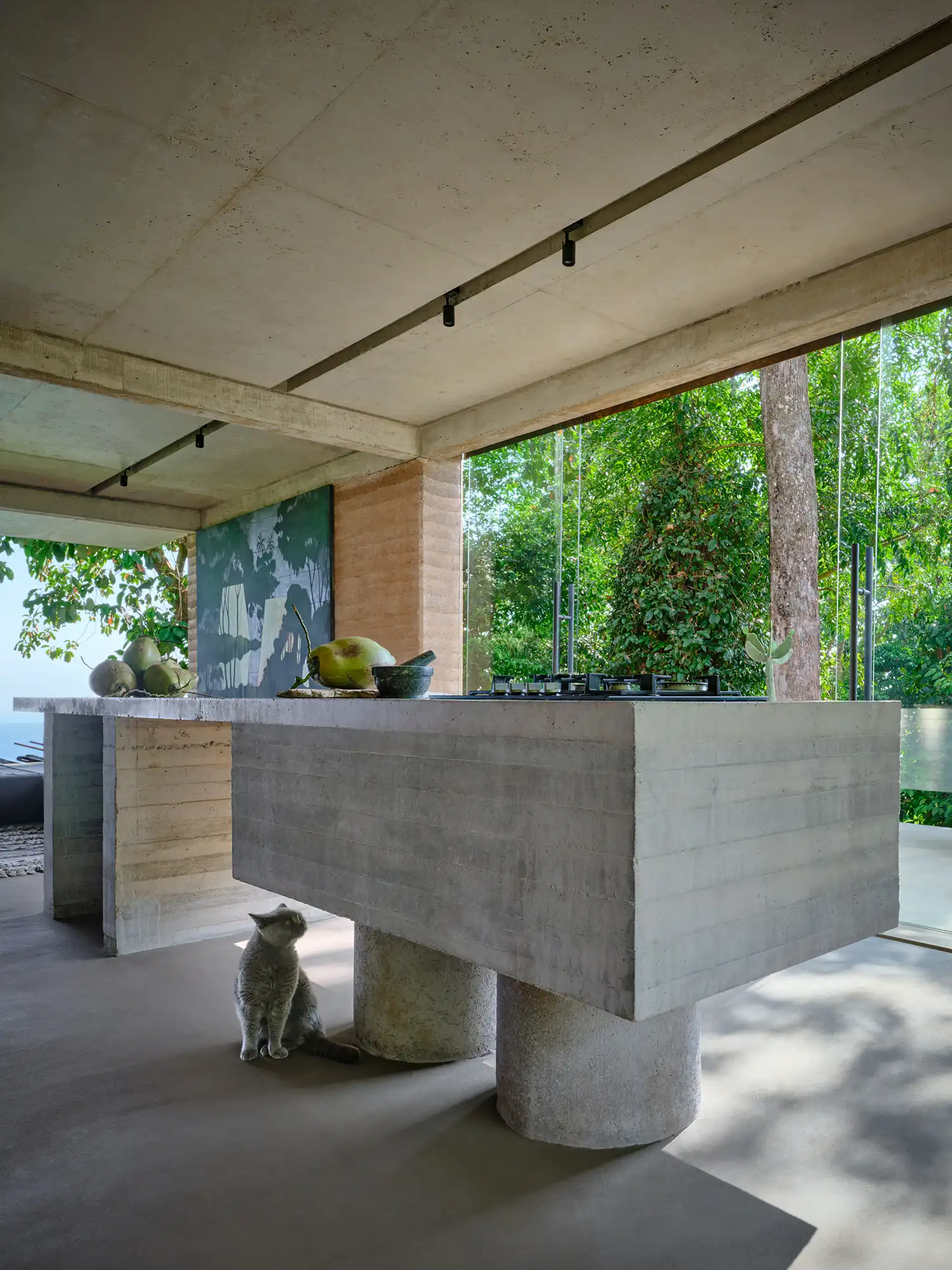
More than half of the two-level villa’s footprint is dedicated to outdoor living, featuring a stunning array of terraces and a pool. The upper-level main living area seamlessly merges with the ocean, functioning partially as a covered terrace. Outdoor spaces extend along both sides of the interior. A captivating levitating platform, accessed via concrete slabs, leads to the main entrance and cleverly doubles as a roof over the bathroom. Moving through the living area and kitchen, one arrives at a ground-level terrace with a built-in grill. From here, a long COR-TEN steel staircase descends to the inviting infinity pool, while another leads to the rooftop terrace. The 10-meter-long infinity pool gracefully follows the topography, its dynamic form echoed on the rooftop terrace, a serene spot among the treetops where the sky opens up, offering breathtaking views of sunsets over the ocean and the majestic night sky.
Despite its openness, much of the house maintains a sense of discreet intimacy. The lower level, housing the bedrooms and a bathroom, is visible only from a private section of the garden. Interior and exterior stairs, along with a path of stepping stones, gracefully connect the home’s various components.

The upper-level living area is conceived as a single, expansive open space, anchored by a striking four-meter concrete kitchen island. A wall of cabinetry featuring laser-cut steel doors transforms into a luminous art piece at night, casting patterns that evoke a starlit sky. This celestial theme continues on the ground floor, where bedroom doors glow softly, blending reflections of real stars with those cast inside, creating a profound connection between the home, its surroundings, the sky, and the universe.

The ground floor, set back from the upper level’s outline, subtly follows the terrain’s natural contours. At the rear, a spacious laundry room and utility area occupy the windowless section. A sunlit hallway, bathed in a warm gold-red glow during sunset, leads to two smaller bedrooms, a bathroom alcove, and a toilet. Despite their compact size, the bedrooms, accessible from the pool area, offer expansive views of the ocean, extending beyond the limits of imagination. The bathroom also provides direct pool access and boasts an unparalleled ocean view directly from the shower.
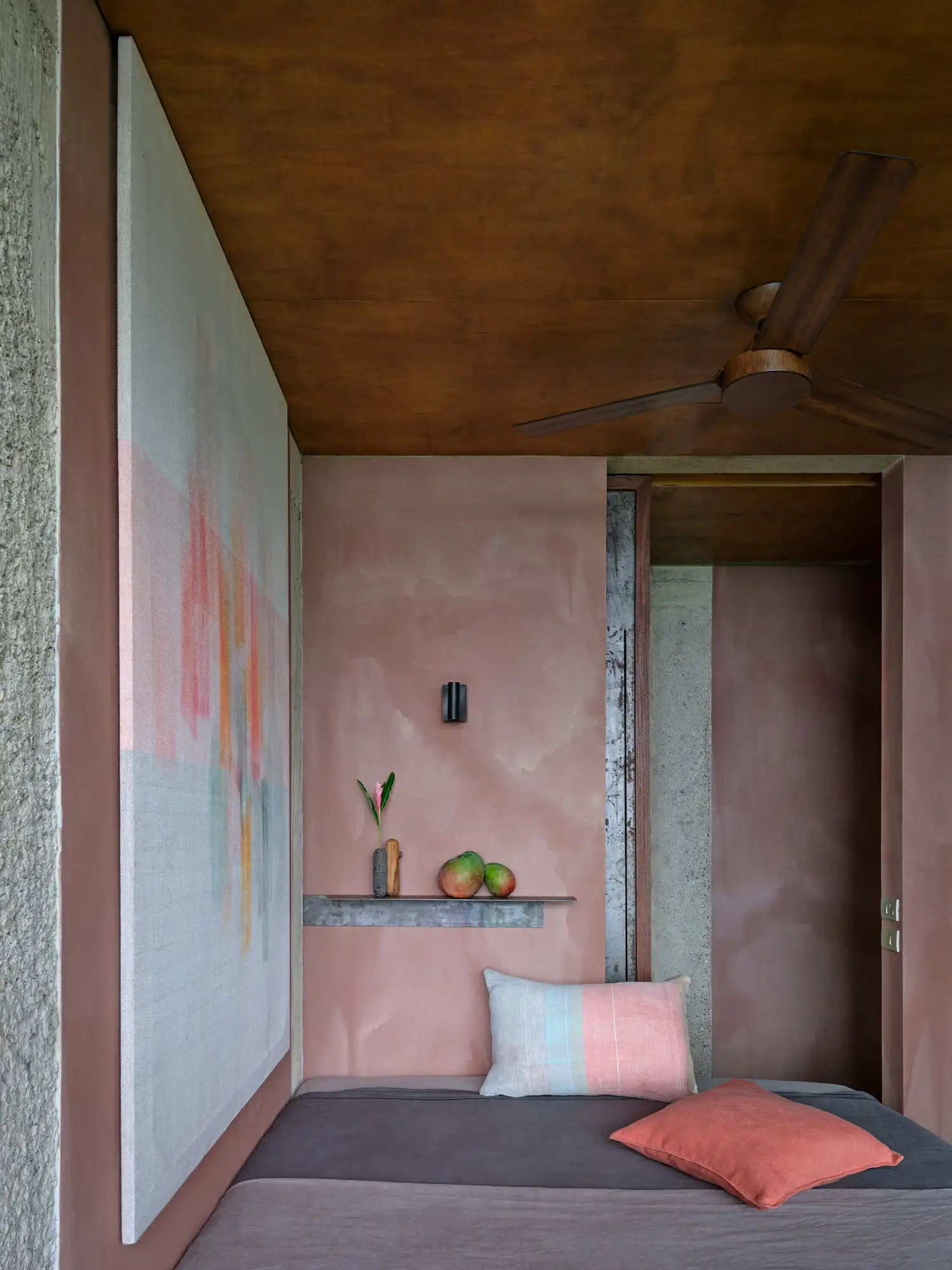
The home’s earthy and natural palette resonates deeply with the surrounding tropical greenery. The wabi-sabi philosophy is evident in the selection of materials, whose natural aging and transformation over time are embraced as an integral part of the aesthetic, leading to a new vision of natural elegance. The interior’s authenticity is further enhanced by compelling works from academic painter Josef Achrer Jr., artist Lukáš Musil, and the unique textile abstractions by Geometr studio. Handmade furniture, thoughtfully designed by the architect herself, is complemented by iconic pieces and lighting fixtures sourced from around the globe, creating a truly bespoke and harmonious living environment. The Studio House is not just a dwelling; it’s a profound experience of living in symbiosis with nature.