






Audi’s entry into Formula 1 for the 2026 season is not merely a competitive leap; it is a meticulously calculated design statement—a complete aesthetic overhaul intended to be the spearhead for the brand’s global visual identity. Unveiled as the Audi R26 Concept, this machine strips away the visual noise typical of modern motorsport, delivering a lesson in uncompromising clarity that will be rolled out across the entire company, from race track to production models.
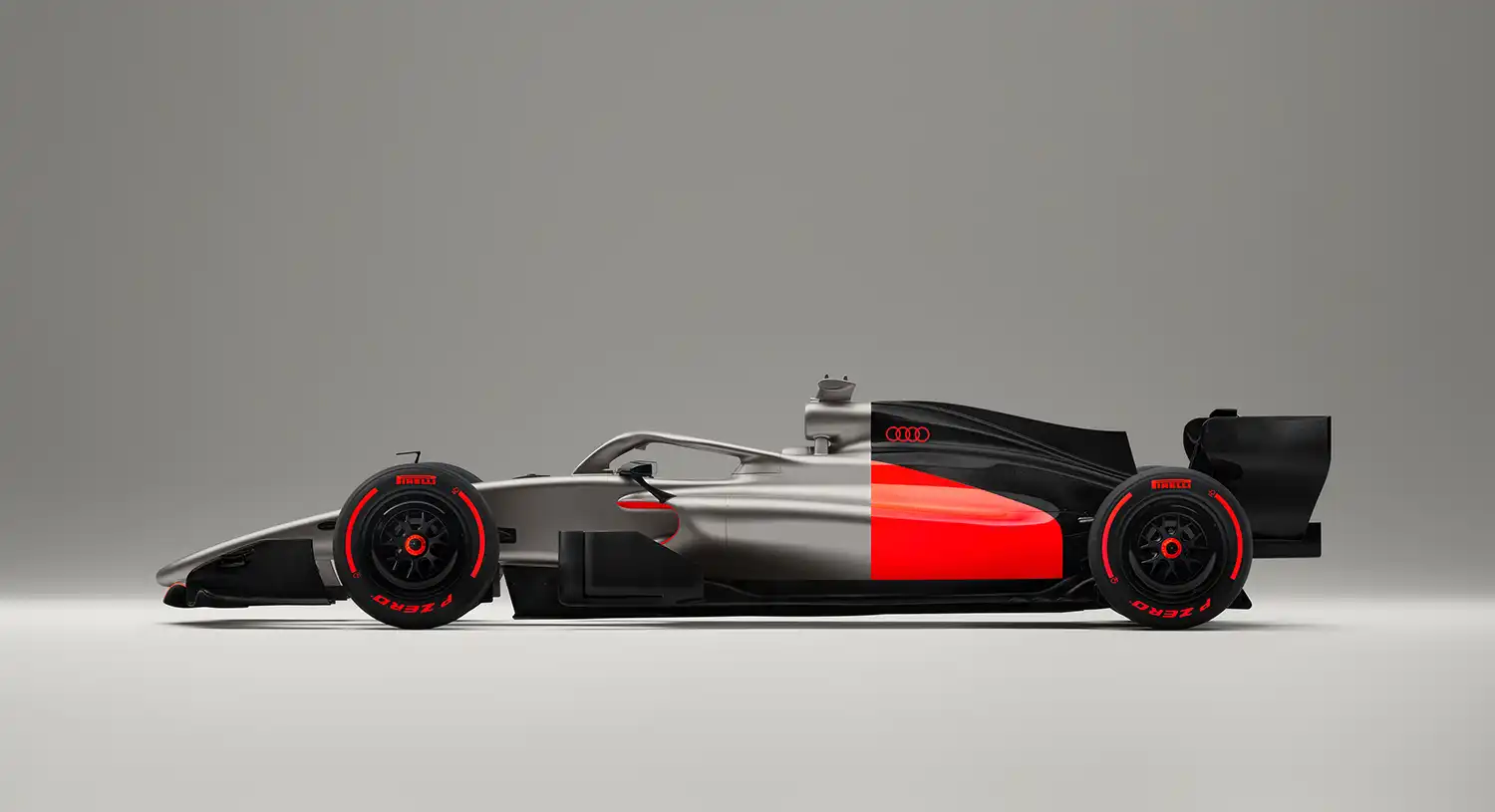
At the core of this transformation is a new design philosophy, articulated by Chief Creative Officer Massimo Frascella, which he describes using four guiding principles: clear, technical, intelligent, and emotional. The R26 Conceptembodies this through minimalist graphic surfaces and precise geometric cuts that flow organically with the car’s aerodynamic geometry, eliminating superfluous layers. This approach treats the car as a single, sculpted object, allowing the technical integrity of the structure to drive the form. The goal is not just a fast car, but one that visually champions functional design and material honesty.
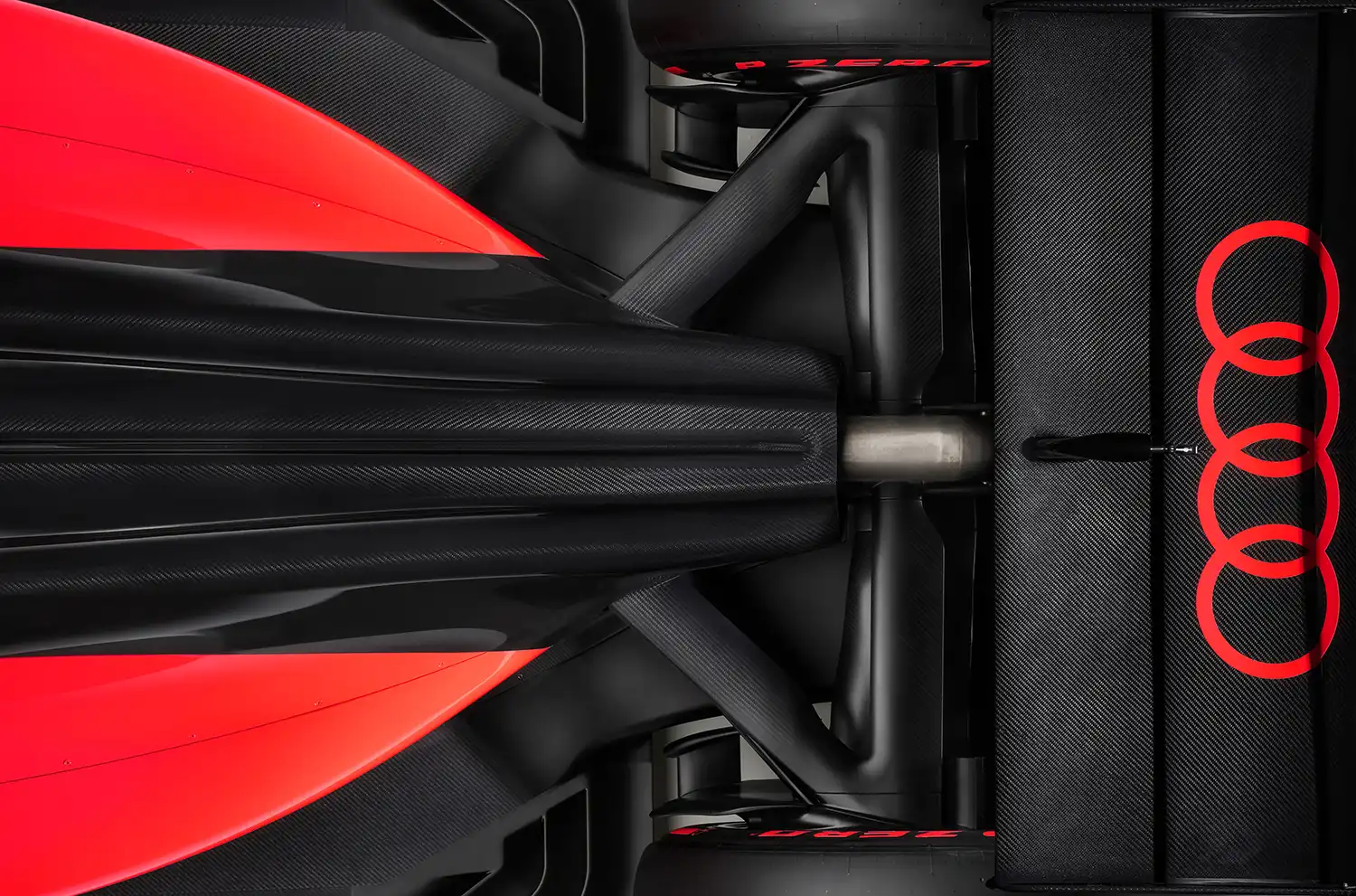
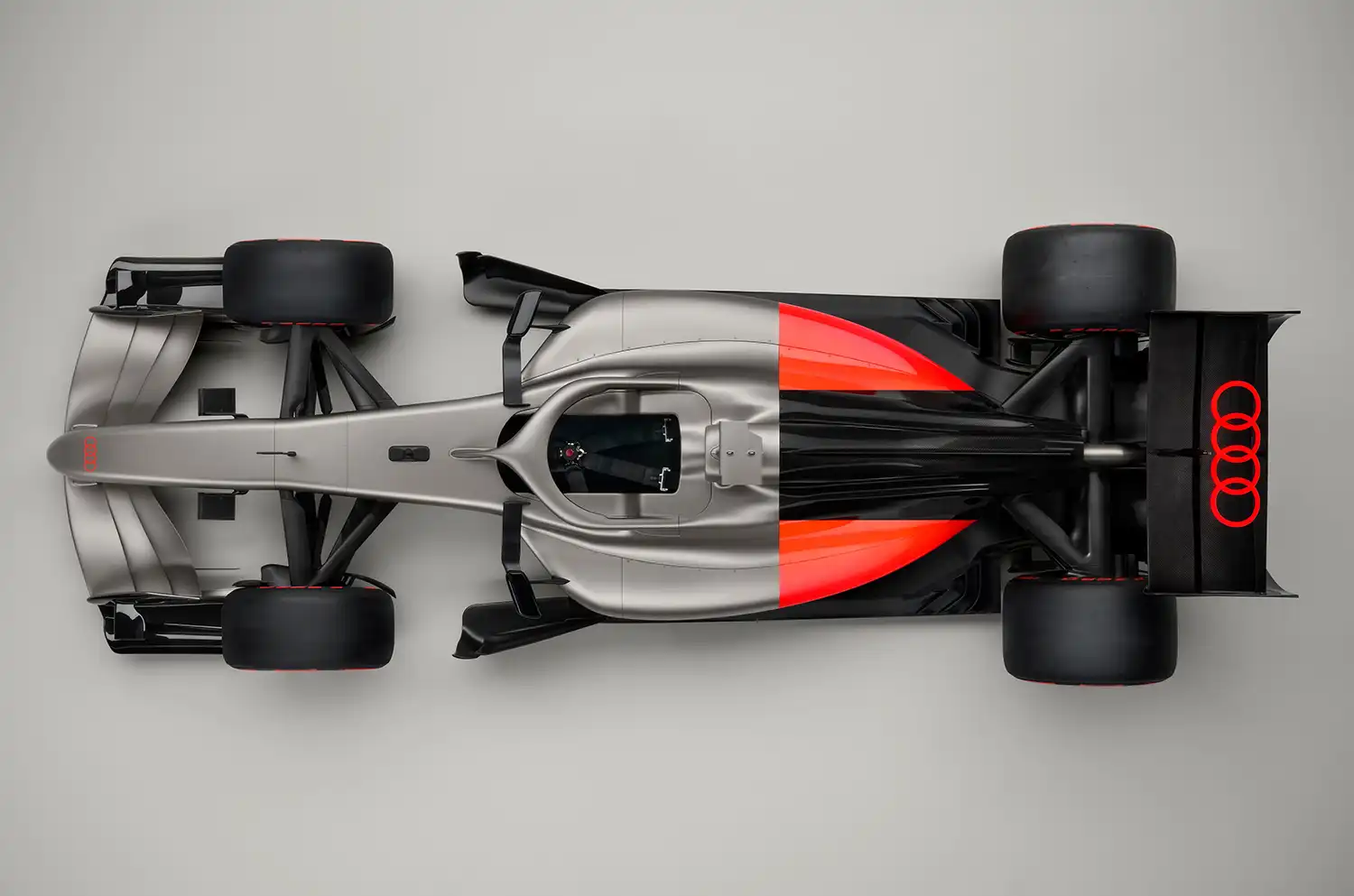
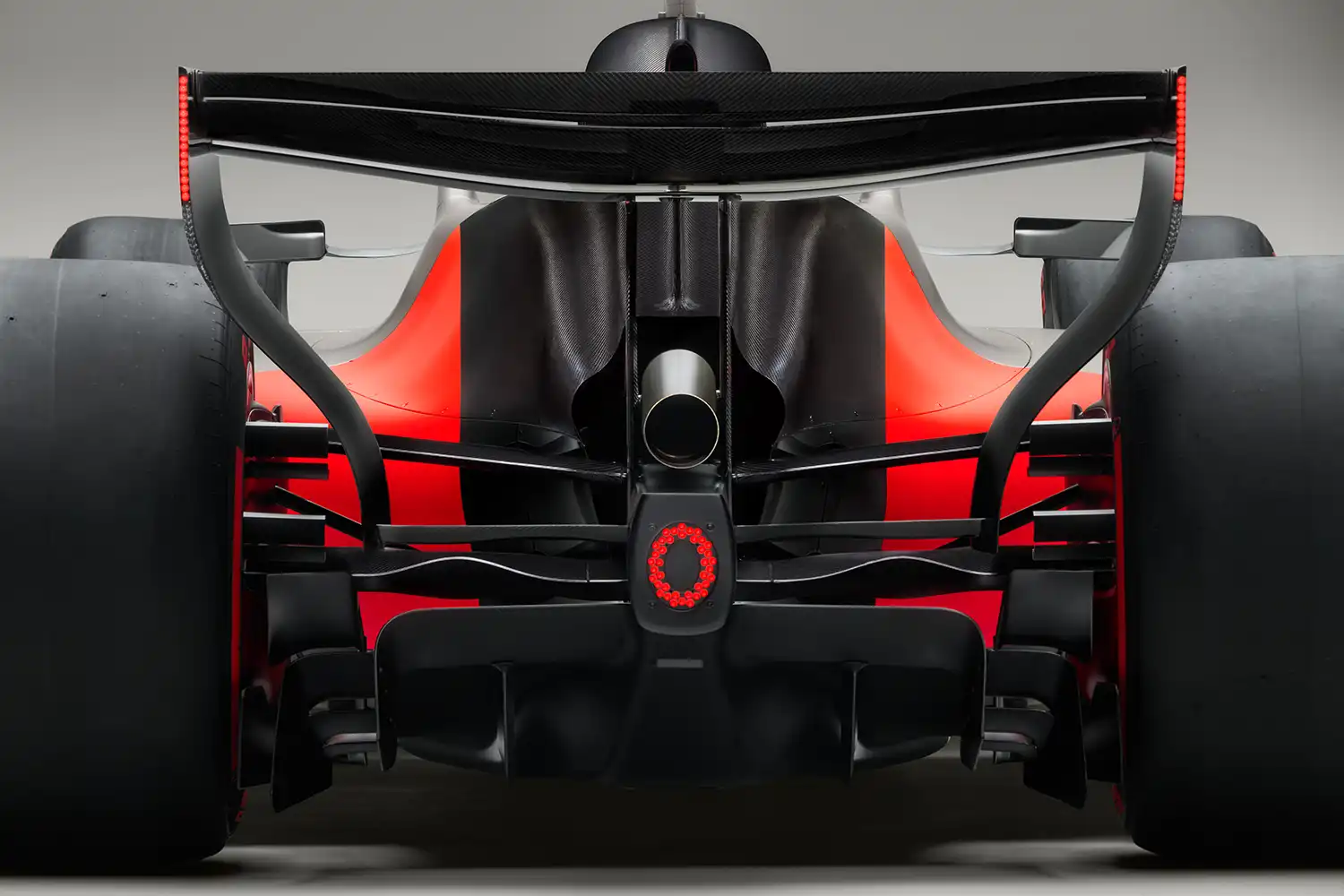
The concept’s livery is a highly controlled composition, utilizing a curated palette of three essential tones: titanium, carbon black, and the new signature Audi red. The majority of the surface is dominated by a warm, metallic titanium finish—a colour that debuted on the Concept C production car—which visually differentiates it from the traditional cold silver of racing history. This is dramatically contrasted with the raw, textured finish of exposed carbon fibre, emphasizing the lightweight, technical construction of the chassis. The deliberate contrast allows the woven structure of the material to become an integrated part of the aesthetic.
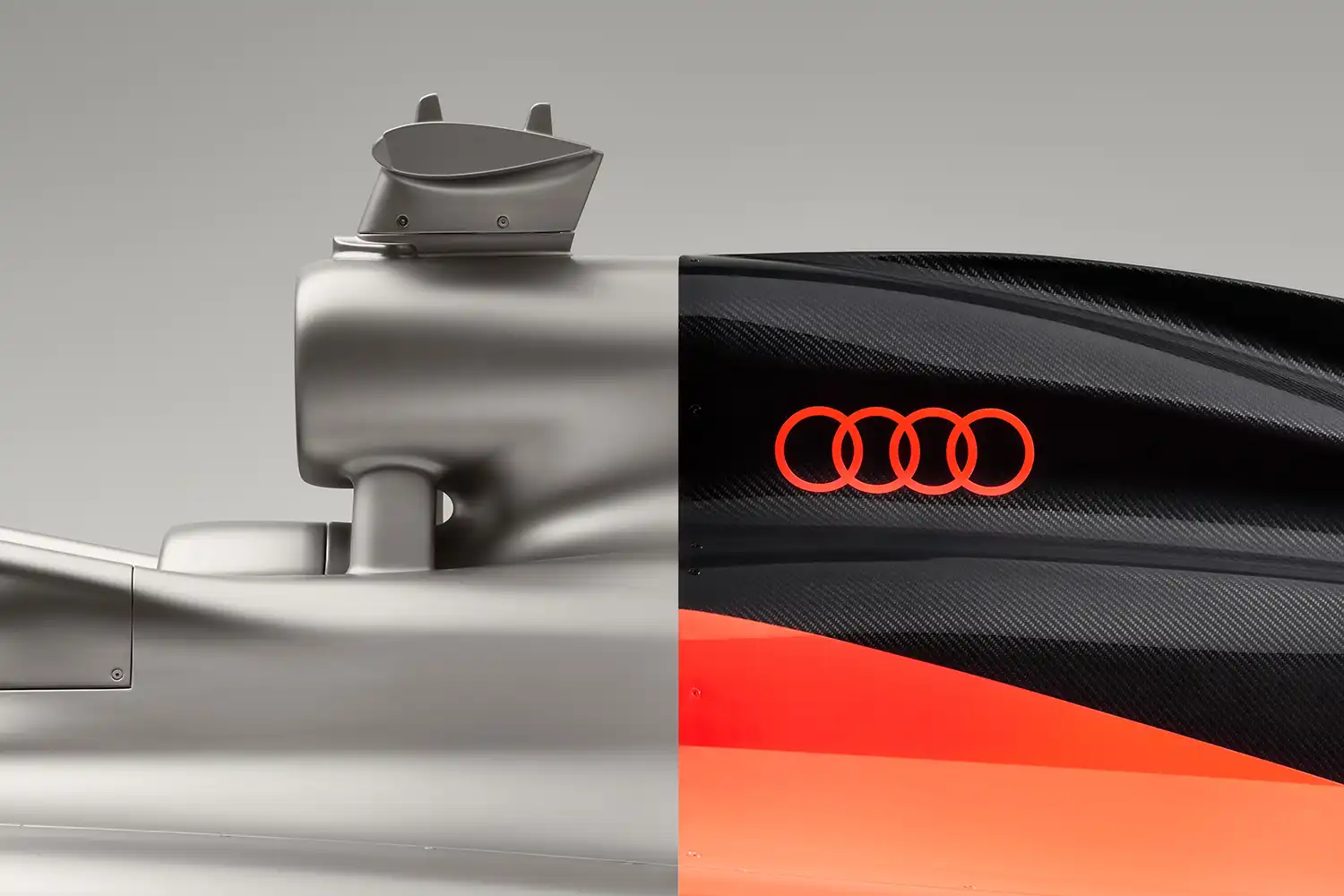
Crucially, the new Audi red is deployed selectively for maximum emotional impact and punctuation. It highlights critical, functional areas like the halo and wing elements, strategically guiding the eye to the car’s most potent components. In a bold visual move, the brand’s iconic four rings are rendered in red exclusively for the F1 programme, creating instant, high-contrast recognition against the titanium and carbon backdrop. Frascella’s vision pushes the boundaries of a Formula 1 livery, proving that a brand can make the boldest statement by choosing to whisper rather than shout in an environment defined by excess.
This move transcends mere livery design; it is an organizational blueprint. Audi is leveraging the extreme, high-pressure, and fast-paced technological development cycles of the F1 laboratory—the toughest test laboratory in the world—to model a leaner, faster, and more innovative culture company-wide. The focus on the new 2026 regulations, which mandate increased road-car relevance through a vastly more powerful hybrid concept and sustainable fuels, provides the perfect opportunity for a newcomer to establish an immediate technical advantage.
The project is structured as a strategic flagship with integrated operations: the development of the high-tech power unit in Neuburg, Germany, and the chassis in Hinwil, Switzerland, now fully supported by a technology office in the UK’s “Motorsport Valley.” This holistic, intelligent approach, paired with the car’s minimalist and technical visual identity, positions Audi not just to participate but to fundamentally challenge the visual and engineering status quo when they debut at the Australian Grand Prix in March 2026. The ambition, CEO Gernot Döllner has made clear, is not just to enter, but to be fighting for the World Championship title by 2030.