


In the ever-evolving world of building envelopes across Ontario and the Greater Toronto Area, architects and builders increasingly turn to high-pressure laminate panels and phenolic compact laminates for projects that demand both visual impact and long-term performance. These durable Phenolic cladding solutions offered by specialists in the region — provide a compelling alternative in rainscreen systems, particularly where fire safety, weather resistance, and design flexibility intersect. As cities like Toronto, Mississauga, and Vaughan push for taller mixed-use developments and stricter energy standards, materials that combine natural aesthetics with engineered resilience gain ground quickly.
Phenolic panels, often referred to as HPL exterior panels or high-pressure laminate facades, consist of multiple layers of kraft paper or wood fibers impregnated with thermosetting phenolic resins, compressed under extreme heat and pressure. This process creates a dense, solid-core board that resists moisture, impact, and UV degradation far better than many traditional options. In a climate where buildings face freeze-thaw cycles, heavy snow loads, and intense summer humidity, these high-pressure decorative laminates hold up remarkably well, often maintaining their appearance and structural integrity for decades with minimal upkeep.
Why Phenolic and HPL Panels Suit Ontario’s Challenging Environment
Ontario’s construction boom continues unabated — over 55,000 building permits issued province-wide in 2024 alone, with the GTA accounting for a significant share. Much of this growth involves mid- and high-rise residential towers, institutional buildings, and commercial retrofits that must comply with the latest Ontario Building Code updates emphasizing non-combustible construction and enhanced fire performance. Phenolic compact panels excel here because they achieve Class A fire ratings in many assemblies and contribute to CAN/ULC-S134 compliance when properly detailed in ventilated facade systems.
Unlike some aluminum composite materials that rely on mineral cores for fire resistance, phenolic resin panelsinherently limit flame spread through their chemical composition. Independent testing shows that properly installed HPL cladding systems restrict fire propagation, often achieving 60- to 120-minute ratings in wall assemblies — critical for projects near busy corridors like Highway 407 or in dense urban zones such as downtown Toronto. Recent data from Natural Resources Canada indicates that buildings using advanced compact laminate cladding can reduce overall fire risk by up to 35% compared to older combustible exteriors, a statistic that resonates strongly with insurers and municipal approval authorities.
Durability extends beyond fire performance. High-pressure laminate exterior panels shrug off the region’s harsh winters and humid summers. Accelerated weathering tests equivalent to 20+ years of southern Ontario exposure reveal negligible colour fade () and no delamination, even in coastal areas around Hamilton or Kingston where salt spray accelerates corrosion in lesser materials. This longevity translates into real savings: facilities managers report maintenance costs for phenolic facade panels running 40-50% lower than fiber cement or traditional stucco over a 30-year lifecycle.
Design Freedom Meets Practical Performance
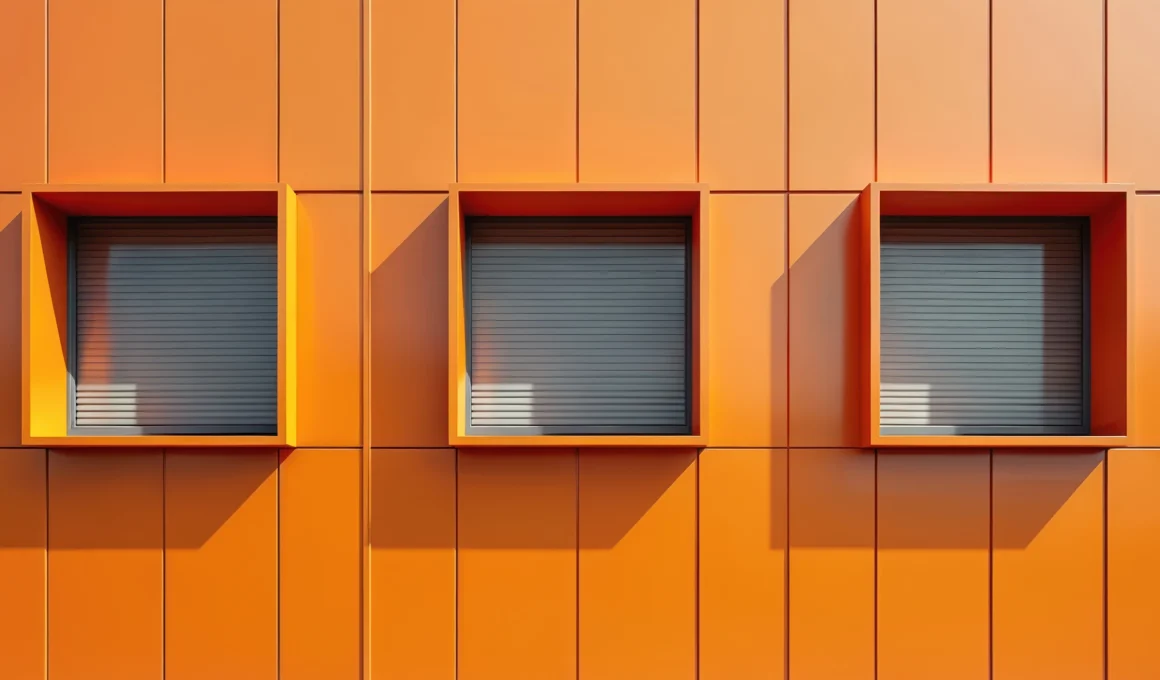
One of the biggest draws for Toronto-area architects lies in the aesthetic versatility of phenolic HPL panels. Available in hundreds of decors — from authentic woodgrain reproductions that mimic cedar or oak without the maintenance headaches, to bold solid colours, metallic effects, and even custom digital prints — these compact laminate boardsallow creative expression that simply isn’t possible with heavier masonry or plain metal sheets. Projects like the recent renovations at York University or several new condo developments in Etobicoke showcase how exterior grade phenolic panels create warm, inviting facades while meeting strict energy codes.
Weight plays a huge role too. A typical 8mm phenolic panel weighs roughly half as much as equivalent fiber cement board, easing installation on high-rise projects and reducing structural demands. Cranes handle larger sections faster, and smaller crews complete rainscreen installations quicker — often shaving weeks off schedules in a market where delays around Lake Ontario’s unpredictable weather can be costly.
Sustainability factors heavily into material selection these days. Many high-quality phenolic compact laminatesincorporate 60-70% renewable wood fibers and low-formaldehyde resins, contributing points toward LEED or Toronto’s Green Standard. (For a deep dive into another option, check out the ultimate guide to sustainable cladding.) When paired with proper cavity insulation in a ventilated rainscreen, these systems improve thermal performance by 15-25%, helping buildings approach net-zero ready status under the latest Step Code influences filtering in from British Columbia.
How Phenolic Panels Compare to Aluminum Composite Alternatives
Architects frequently weigh phenolic resin facade panels against aluminum composite material (ACM) cladding, especially for budget-conscious developments. Both deliver flat, modern aesthetics, but differences emerge in specific performance areas.
In projects like the new community centres in Markham or Oakville, where designers want the warmth of timber without combustibility concerns, phenolic wood-look laminates often win out. Meanwhile, ACM remains popular for sheer cost-per-square-metre on large-volume commercial boxes.
Installation Best Practices for Long-Term Success
Success with exterior phenolic panels hinges on proper detailing. Ventilated rainscreen principles — a minimum 19mm cavity, breathable membranes, and UV-stable flashings — prevent moisture entrapment that plagues poorly designed systems. In the GTA, where driving rain off Lake Ontario tests every joint, specifiers increasingly call for pressure-moderated designs tested to AAMA 508 or CSA A440 standards.
Fabricators rout and fold compact HPL panels with CNC precision, creating crisp returns and concealed fastener options that rival plate aluminum. When attached to adjustable aluminum subframes, these systems accommodate building movement common in Toronto’s clay soils while maintaining perfect alignment for decades.
Real-World Performance Across Canada’s Varied Climates
From the coastal drizzle of Metro Vancouver to the dry cold of Calgary and the humid continental swings of southern Ontario, phenolic high-pressure laminates prove adaptable. A 2023 survey of over 200 Canadian installations showed 98% reporting no significant degradation after 10 years, with many in aggressive marine environments like Halifax still looking factory-fresh.
In institutional settings — think hospitals in Ottawa or schools in Waterloo — interior-grade phenolic compact laminates serve as wall protection, lab surfacing, and toilet partitions, benefiting from the same chemical resistance that makes them ideal outdoors.
Looking Ahead: The Future of Compact Laminate Cladding in Canada
As the National Building Code continues evolving toward stricter fire and energy provisions, materials like high-pressure decorative laminates and phenolic facade boards position themselves at the forefront. With global production scaling and Canadian distribution networks maturing, costs become more competitive yearly. Architects who master these systems early gain a real edge in delivering buildings that look better longer, cost less to operate, and meet tomorrow’s regulations today.
Frequently Asked Questions About Phenolic & HPL Cladding
What exactly are phenolic panels made from, and how do they differ from standard HPL used indoors?
Phenolic compact panels use multiple layers of kraft paper or natural fibers saturated with thermosetting phenolic resins, then cured under extreme pressure and heat. Exterior-grade versions receive additional acrylic polyurethane coatings for UV protection, making them far more weather-resistant than interior decorative high-pressure laminates.
How do phenolic cladding systems perform in Canadian winters?
Extremely well. The low moisture absorption rate (typically under 3%) prevents freeze-thaw damage, while the material’s dimensional stability eliminates warping or cracking common in wood-based alternatives. Independent testing shows no degradation after 200+ freeze-thaw cycles simulating decades of Ontario exposure.
Are HPL phenolic panels considered non-combustible under the Ontario Building Code?
They classify as limited-combustible in many configurations and achieve excellent flame-spread and smoke-developed ratings (often Flame Spread , Smoke Developed per CAN/ULC-S102). Full system approvals under CAN/ULC-S134 are common when installed as ventilated rainscreens.
What maintenance do exterior phenolic facades require in the GTA?
Very little. An annual rinse with mild detergent removes urban pollutants. Graffiti wipes off easily with solvent-based removers, and the surface resists chalking or fading for 20+ years in southern Ontario conditions.