



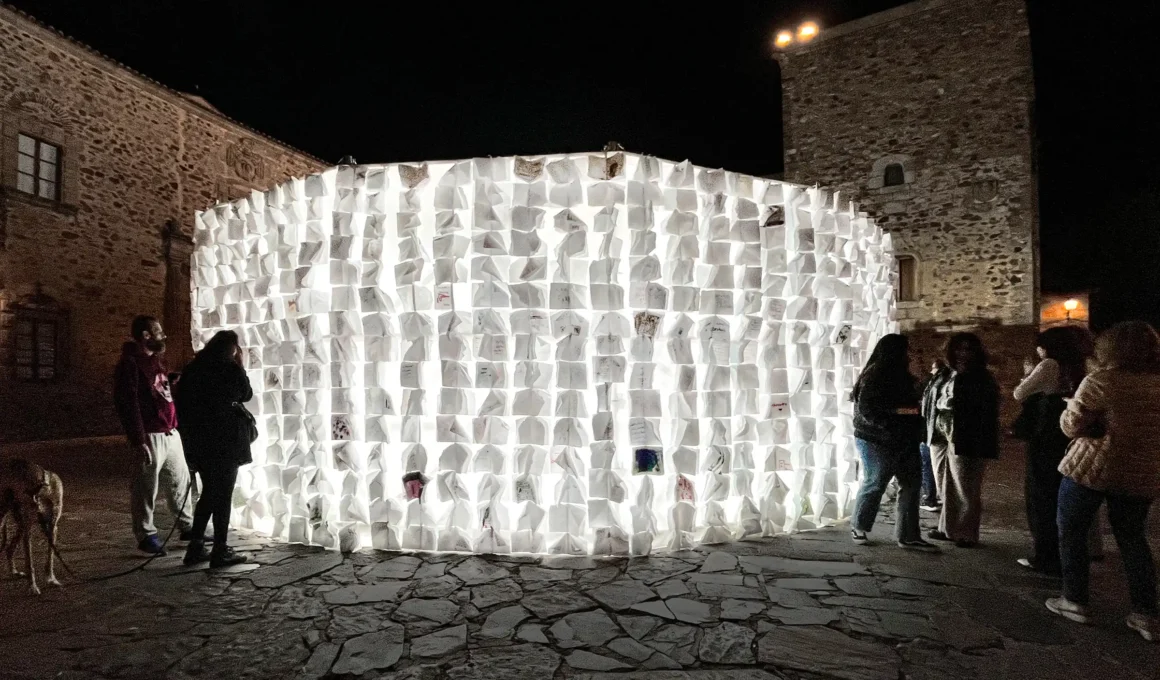
In a powerful demonstration of civic design and temporary architecture, the Luzinterruptus Art Collective inaugurated Cáceres’ official bid for European Capital of Culture 2031 with “On Blank Pages,” a spectacular ephemeral installation. Erected in the city’s historic Plaza de Santa María, the project centred around a vast, glowing wall constructed entirely from thousands of notebooks filled with citizen input. This unique design intervention transcended mere aesthetics, immediately transforming the public square into a physical manifestation of communal thought. Its profound symbolic value and sheer scale mark it as one of the most ambitious and socially-charged projects executed by the Madrid-based collective to date.
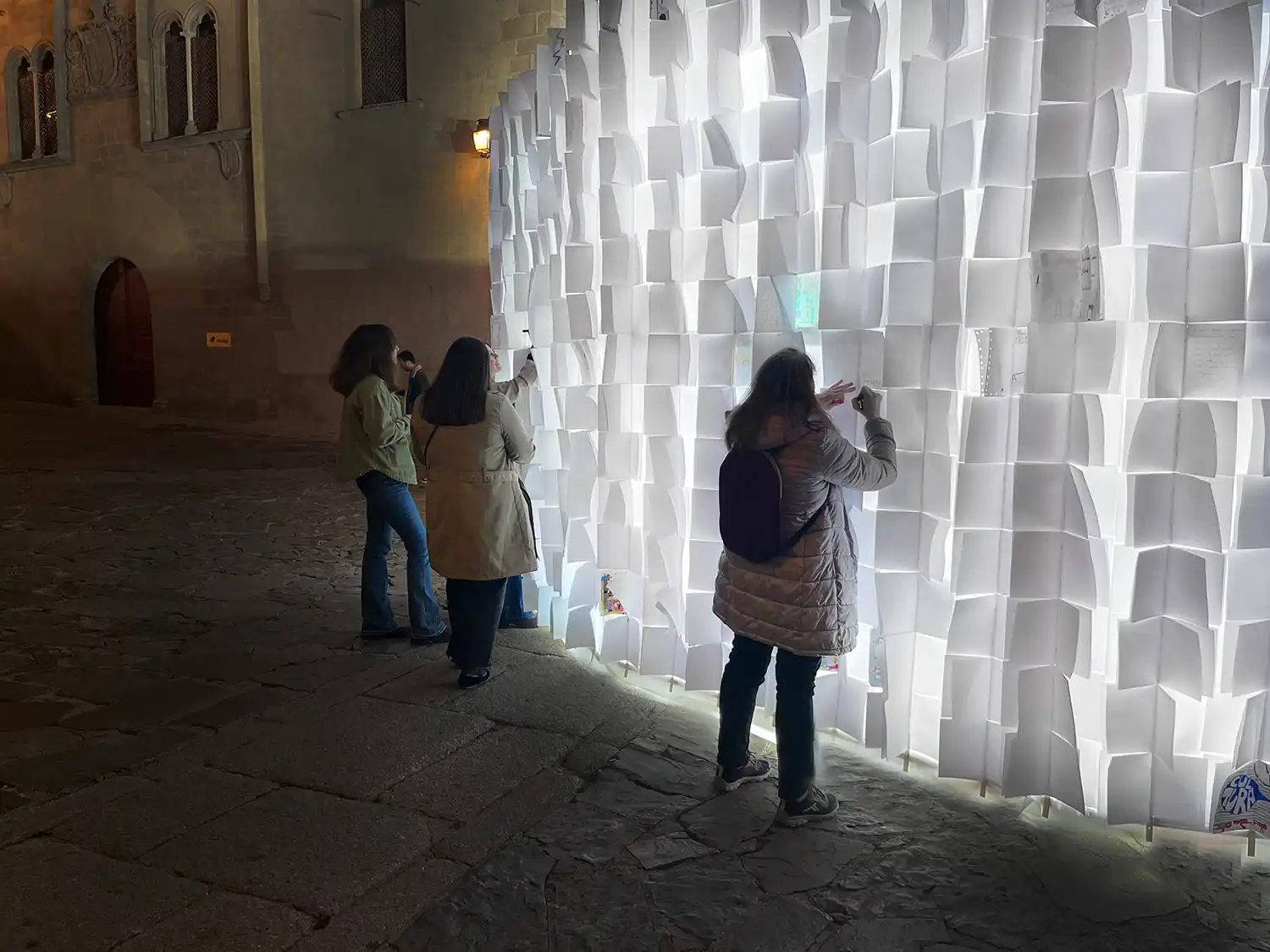
The core of the work functioned as both an immersive artwork and a colossal collective archive. The towering circular structure, intentionally illuminated from within, created an immediate focal point, casting a soft, inviting light across the plaza. It was covered edge-to-edge in pages containing messages from residents, all revolving around vital themes of Europe, culture, and the essential role of its citizens. The fragility of the paper contrasted sharply with the imposing scale of the wall, emphasizing the precious nature of the voices it held.
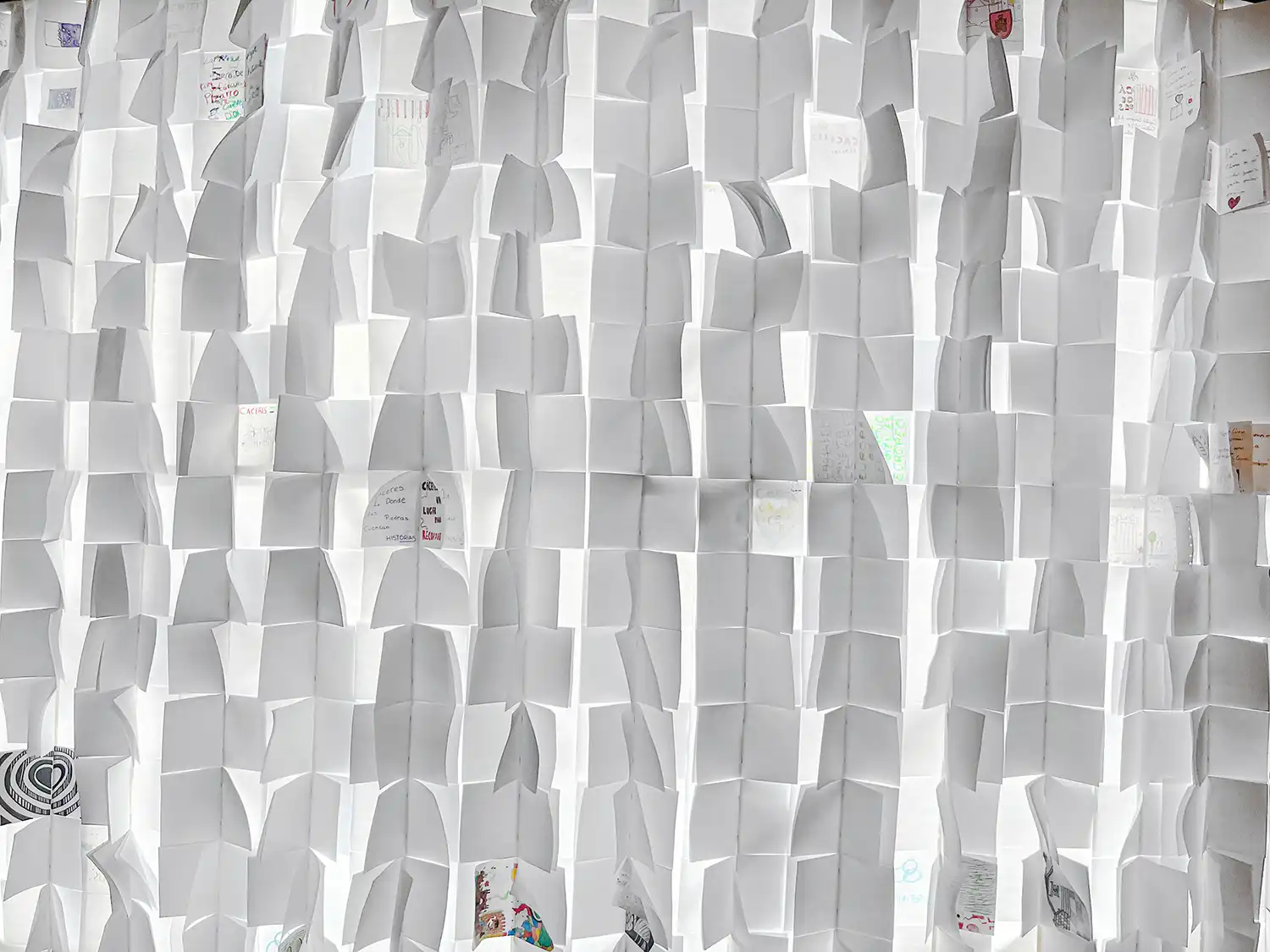
The brilliance of the interactive design lay in its constant state of flux. Unlike static monuments, the paper pages of the notebooks were subject to the environment. The wind acted as an unseen collaborator, rustling the thousands of sheets and creating an unpredictable, ever-changing soundscape and visual collage of shared sentiments. This constant motion transformed the installation from a temporary architectural structure into a dynamic, living document, fully integrating the atmosphere of Cáceres, Spain.
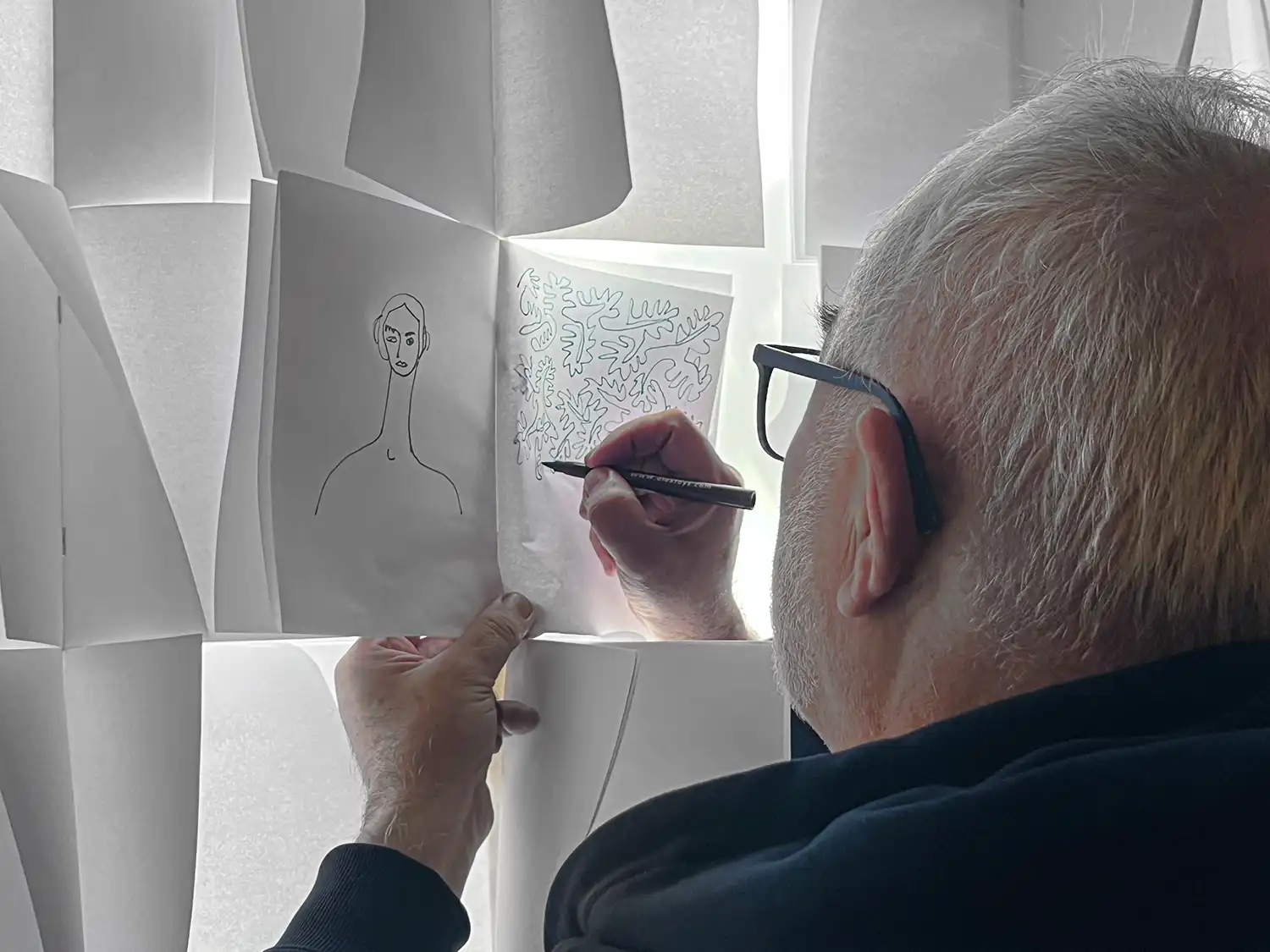
The methodology employed to gather contributions was meticulously planned and integral to the project’s success. Participation was structured across three levels: organized preliminary workshops were held in local schools and senior centres, ensuring a broad demographic was represented; spontaneous contributions from visiting citizens were encouraged throughout the three-day installation; and remote messages were accepted, providing a channel for those unable to attend in person. This comprehensive strategy ensured the resultant wall was a truly collective and representative voice of the city’s aspirations for urban regeneration.
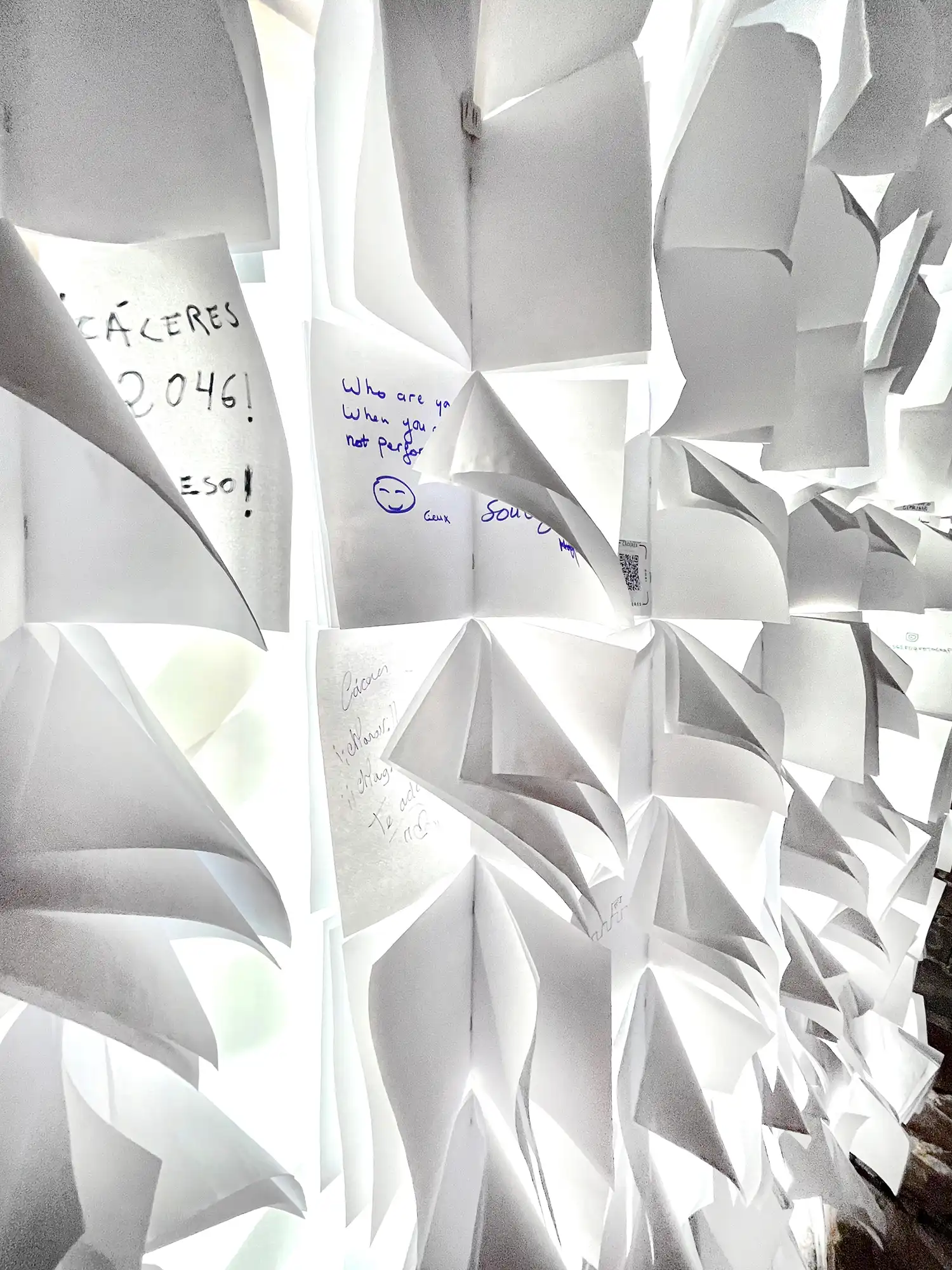
The project’s encounter with natural elements added an unscripted layer of texture. Unexpected rainfall during the event significantly altered the physical appearance of the wall, soaking and softening the material. This environmental integration reinforced the installation’s intended character as an organic and mutable canvas, demonstrating that even unpredictable conditions can be absorbed and utilized within public art .
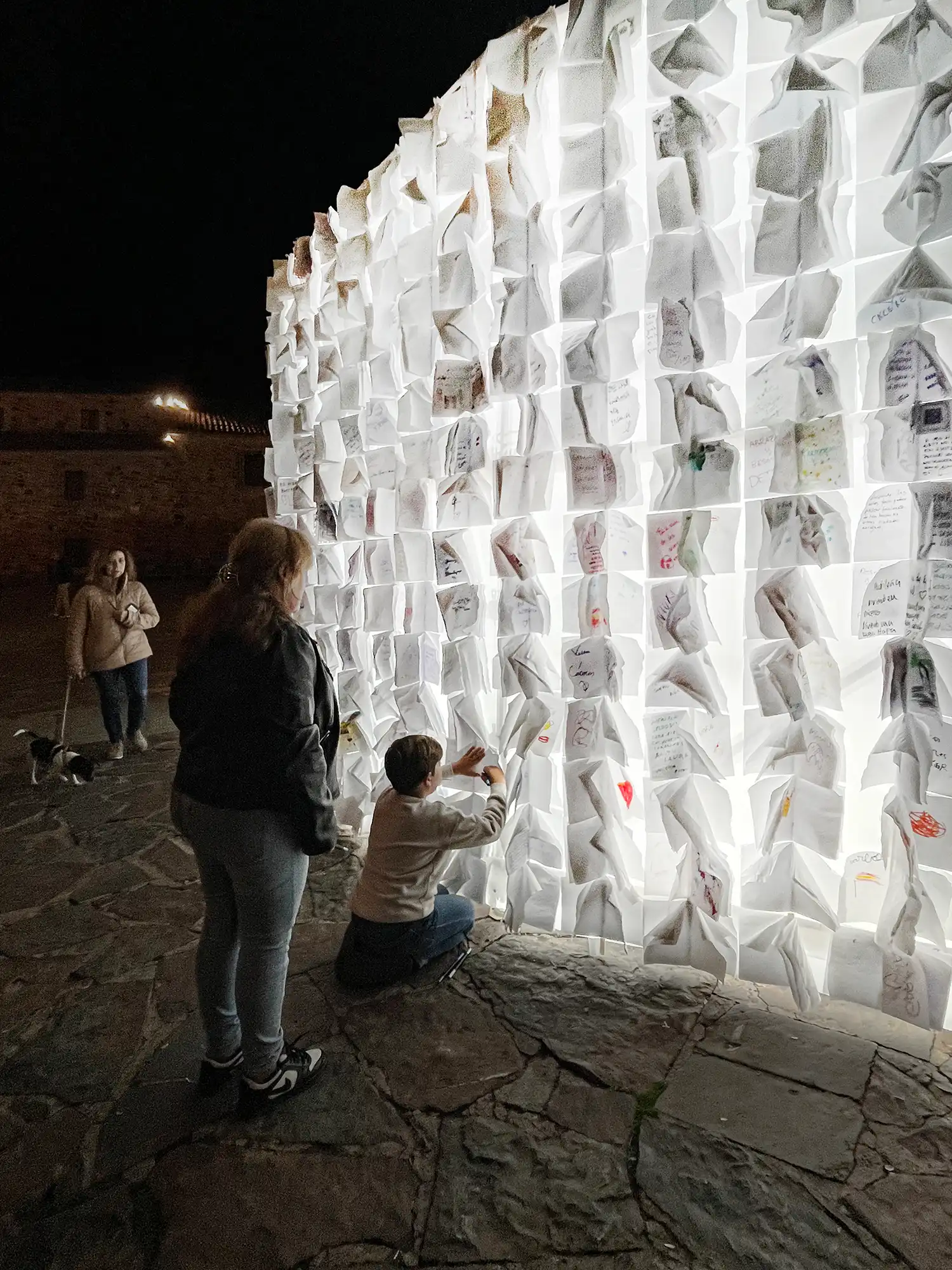
Following the intervention, a carefully selected group of these illuminated notebooks will journey to Brussels. This act elevates the project beyond an ephemeral event, solidifying its legacy as a tangible testament to the public’s investment in the city’s bid for the European Capital of Culture 2031. Through the masterful use of light and the simplest of materials—paper and community voice—the Luzinterruptus Art Collective successfully generated a powerful civic conversation, positioning this socially-charged artwork at the forefront of contemporary interactive design.