



A consortium led by Zaha Hadid Architects (ZHA) has been selected to design the new Grande Ospedale della Malpensa, a sprawling healthcare campus set to fundamentally redefine medical architecture for nearly one million residents in the Italian region between Milan and Varese. Led by Principal Patrik Schumacher, the firm won the international competition to unify the legacy Gallarate and Busto Arsizio hospitals into a single, state-of-the-art facility commissioned by the Lombardy Regional Health Authority. The project is a conscious move away from the institutional rigidity of past medical complexes, proposing a modular, resilient structure that merges clinical excellence with ecological regeneration.
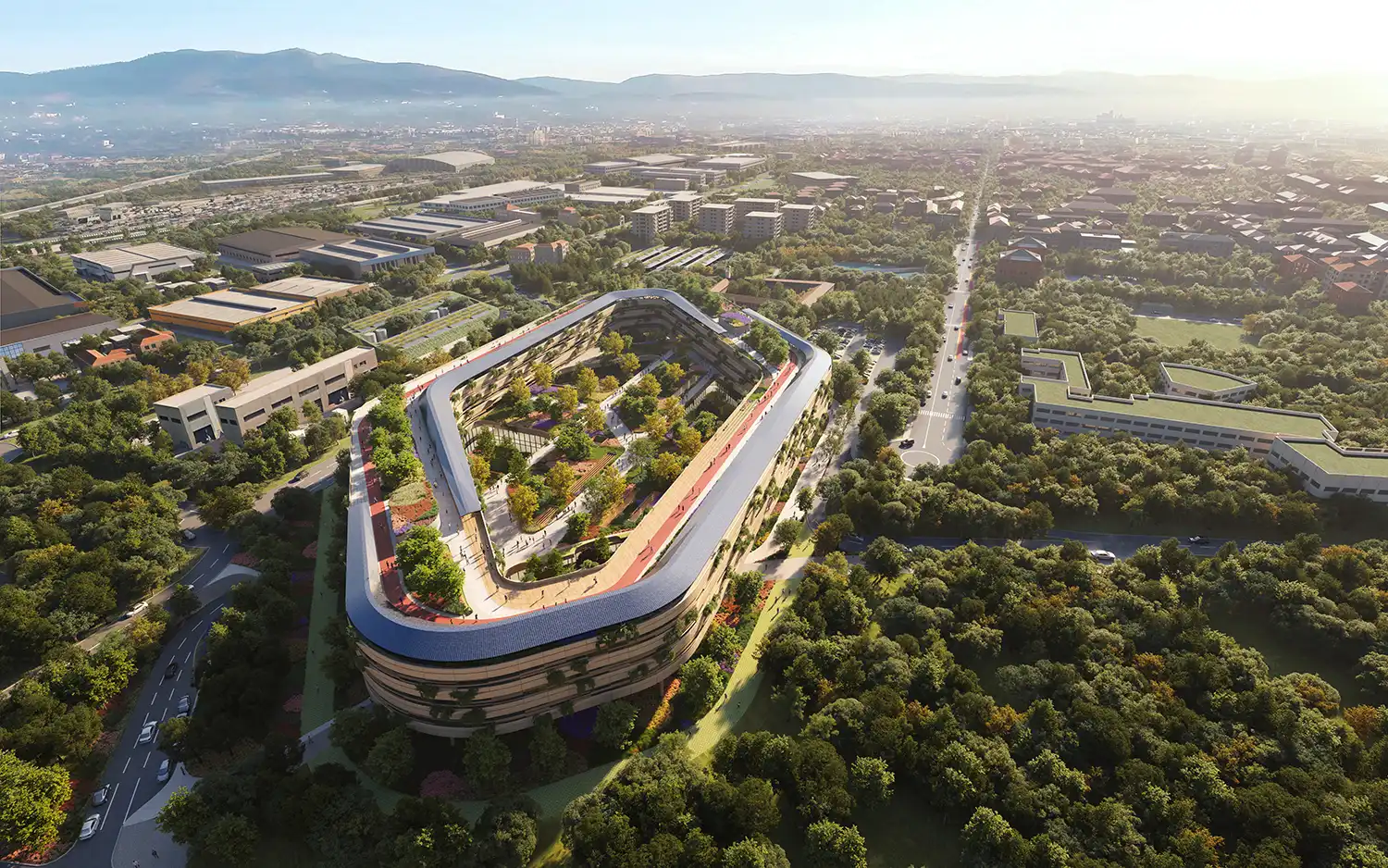
The 90,000 square meter structure spans five above-ground levels and one basement, carefully organized to ensure clear operational logic. This compact yet highly adaptable approach introduces a flexible framework capable of accommodating the rapid evolution of advanced medical technology and future expansion. Crucially, this modular strategy allows the campus to be quickly reconfigured in response to emergency scenarios, positioning it as a proactive model for post-pandemic healthcare design and a genuinely future-ready piece of architecture.
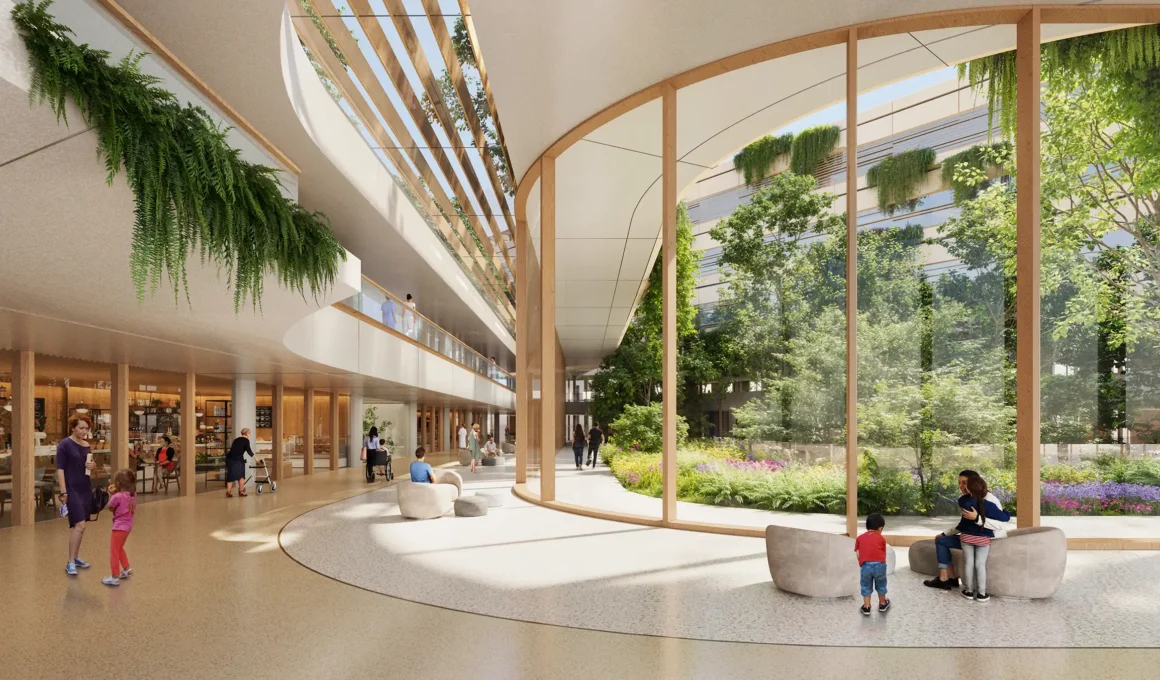
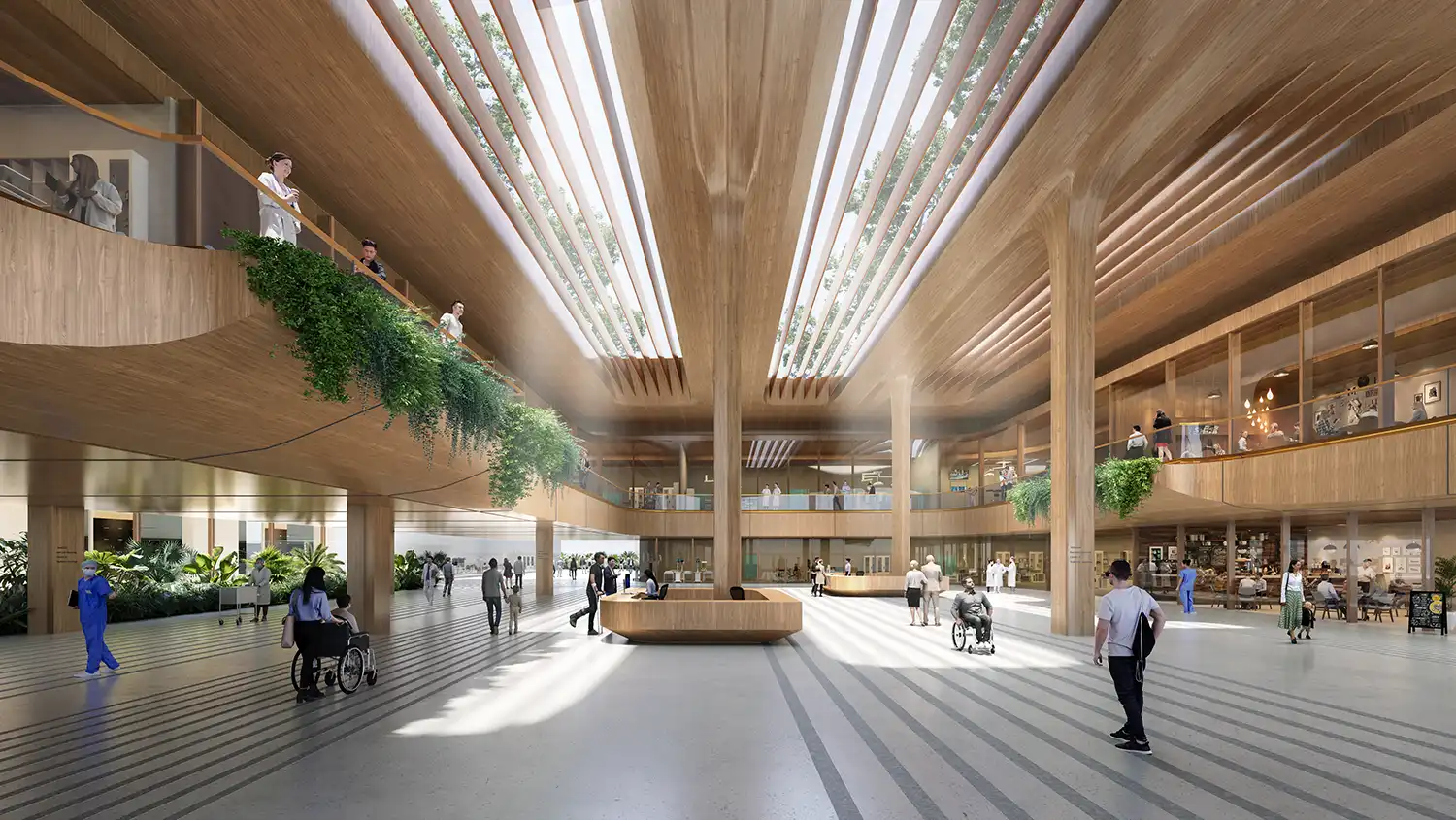
Central to the hospital’s civic identity is a linear “Main Street” at ground level, conceived by ZHA as a true social spine. This public axis links the entrance plaza with extensive landscaped areas, deliberately blurring the boundaries between the clinical environment and the wider Milan community. Furthermore, the internal spatial logic prioritises safety and efficiency: distinct circulation paths for visitors, patients, staff, and essential goods minimise cross-interference and contamination risks, supported by an advanced automated delivery system for optimal logistics throughout the design.
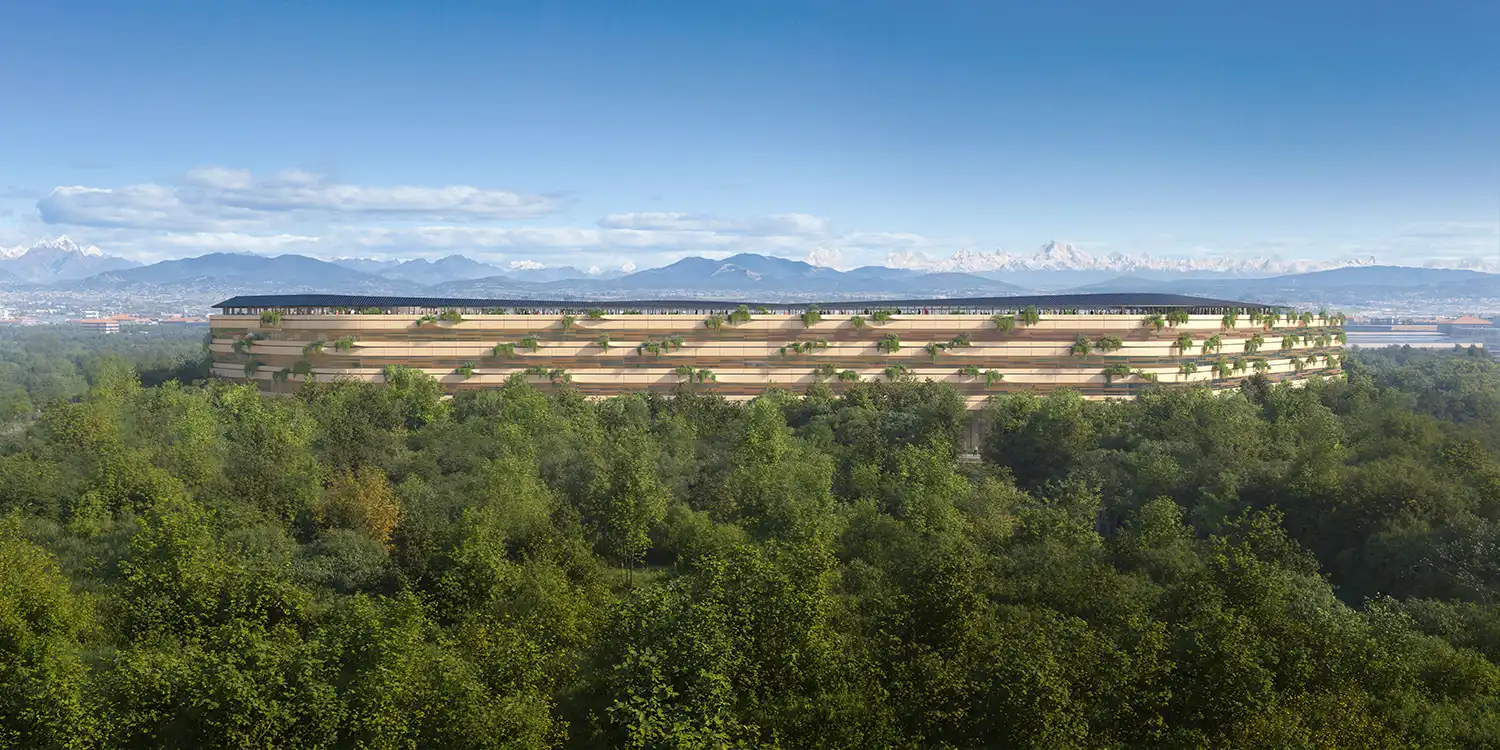
The interiors move beyond clinical sterility to actively promote well-being. Rejecting the cold aesthetic often associated with large medical centres, ZHA specifies a therapeutic material palette of natural wood and textiles. The use of natural light, optimized acoustics, and clear wayfinding systems are paramount to reducing stress. Respite zones are strategically integrated for both patients and staff, alongside numerous gardens, courtyards, and rooftop terraces that ensure constant visual and physical connection to nature—a foundational element of the human-centric design.
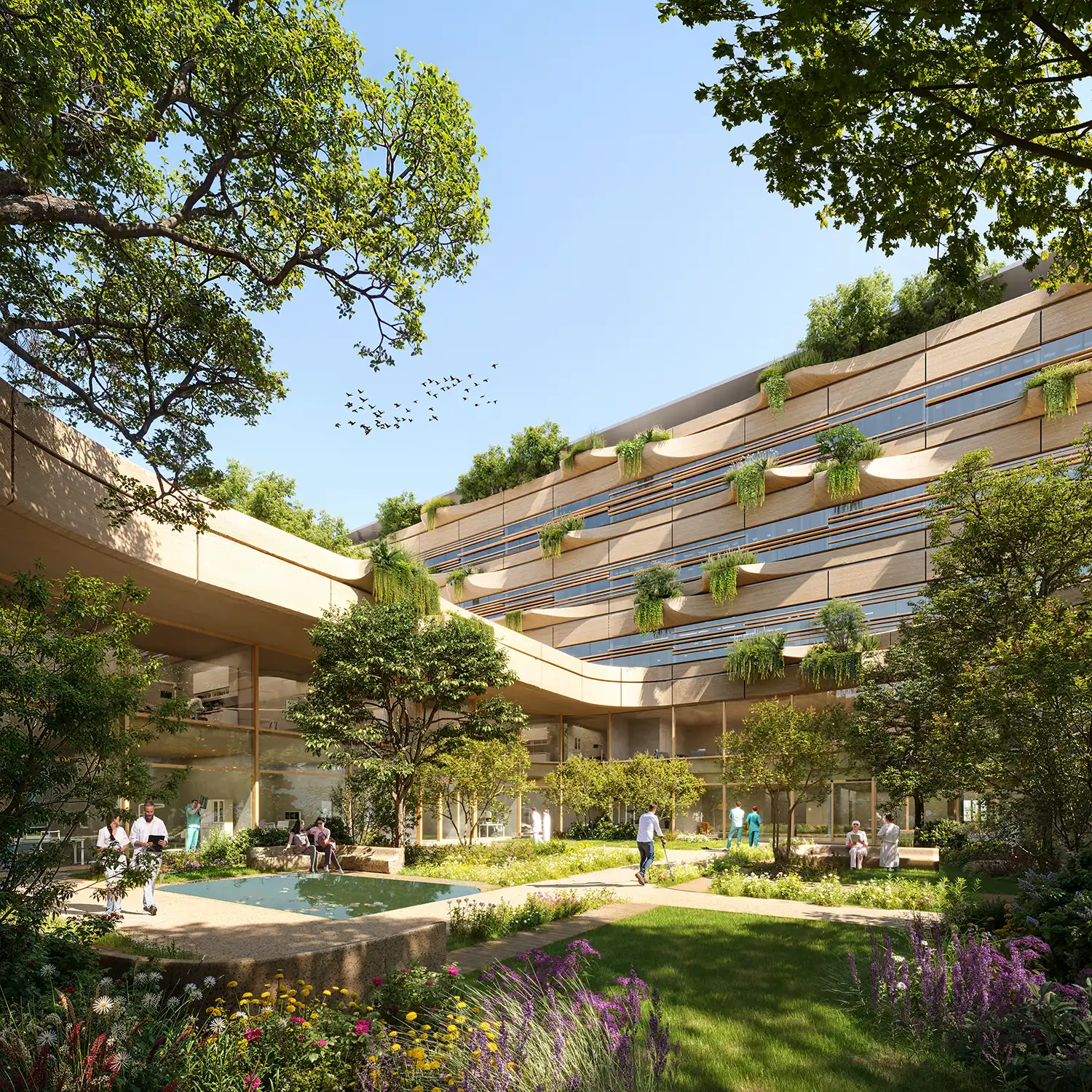
The campus’s site, located near the Parco Regionale della Valle del Ticino, is embraced through a comprehensive biophilic strategy. The design preserves existing woodlands and introduces new wetlands and bioswales to manage stormwater and enhance local biodiversity. This commitment extends to the thoughtful integration of the historic Cascina dei Poveri, a 12th-13th century rural complex on the site, which will be converted into a new community hub, seamlessly tying the region’s cultural heritage to its contemporary healthcare infrastructure.
In terms of sustainability, the Malpensa Hospital sets a new benchmark. The building envelope features high-performance modular aluminium rainscreen panels with integrated solar shading, calculated to reduce cooling demand by an ambitious 30%. The facility is targeting top-tier environmental certifications, exceeding Italian CAM standards. On-site renewable energy is harnessed via a photovoltaic system exceeding 1 MWp, designed to supply approximately a quarter of the hospital’s electricity, with a hybrid heating system ready for future hydrogen integration. This combination of low-carbon construction and advanced smart technologies ensures the Malpensa Hospital is not merely a statement in architecture but a genuinely climate-responsive piece of civic design for the Olona Valley.