



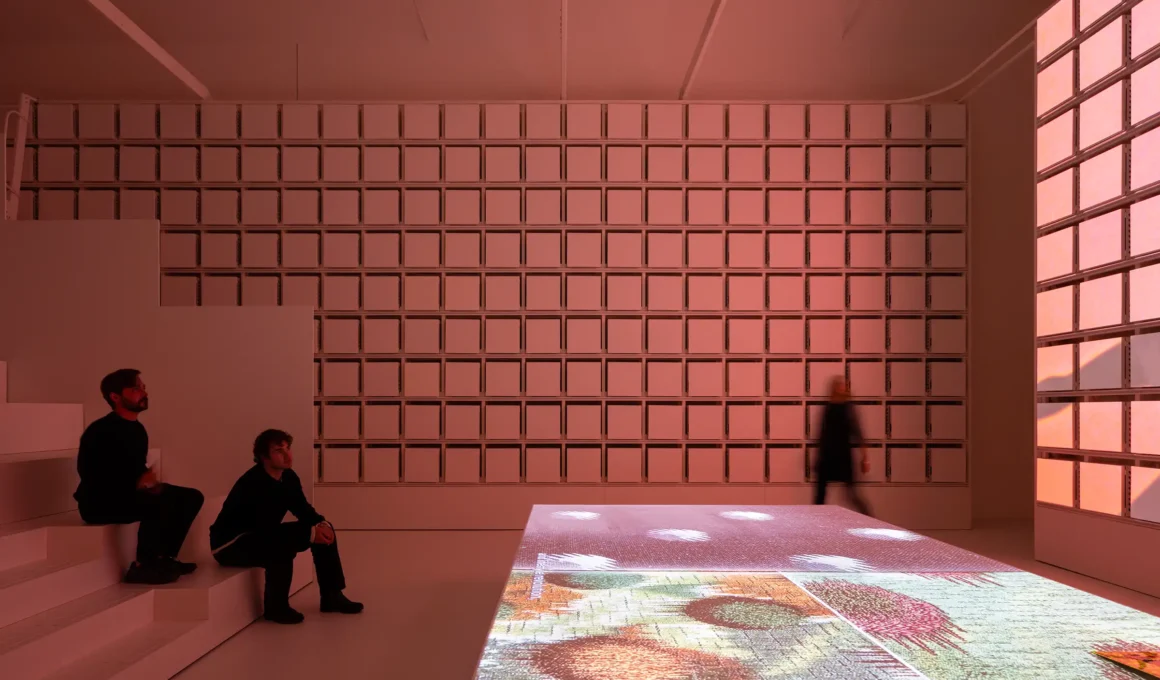
In the heart of Italy’s Motor Valley, international design and innovation office CRA-Carlo Ratti Associati has collaborated with the late Italo Rota to unveil the MAE Museum. Located in Fiorenzuola d’Arda, the project transforms one of the world’s largest industrial archives into a “living museum” dedicated to the science and application of carbon fiber.
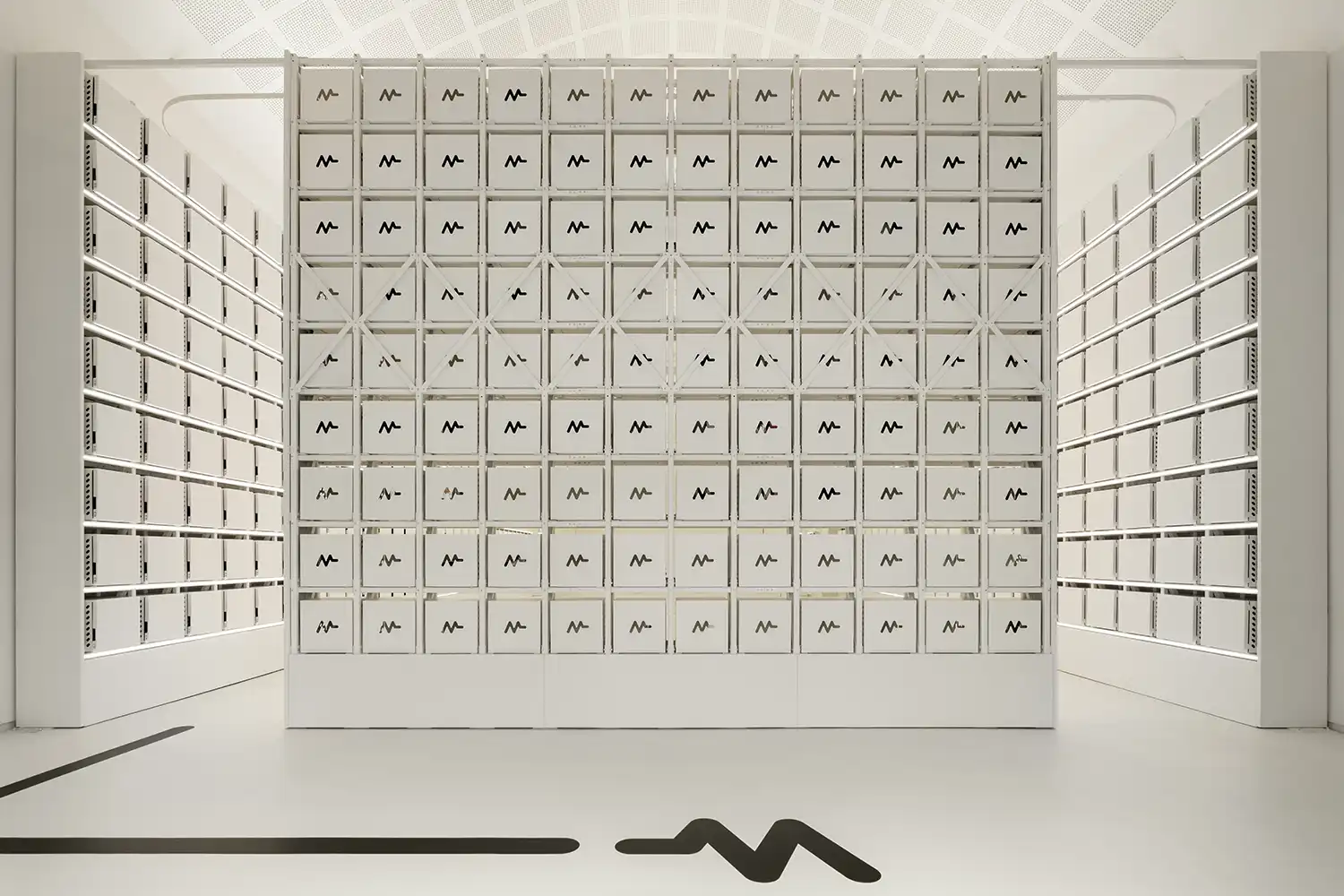
The museum was commissioned by MAE, the world’s leading manufacturer of carbon fiber production equipment. The design team sought to demystify the material, which has become ubiquitous in everything from aerospace to medical devices, by recasting a formerly hidden archive as a space for public exploration and contemporary design.
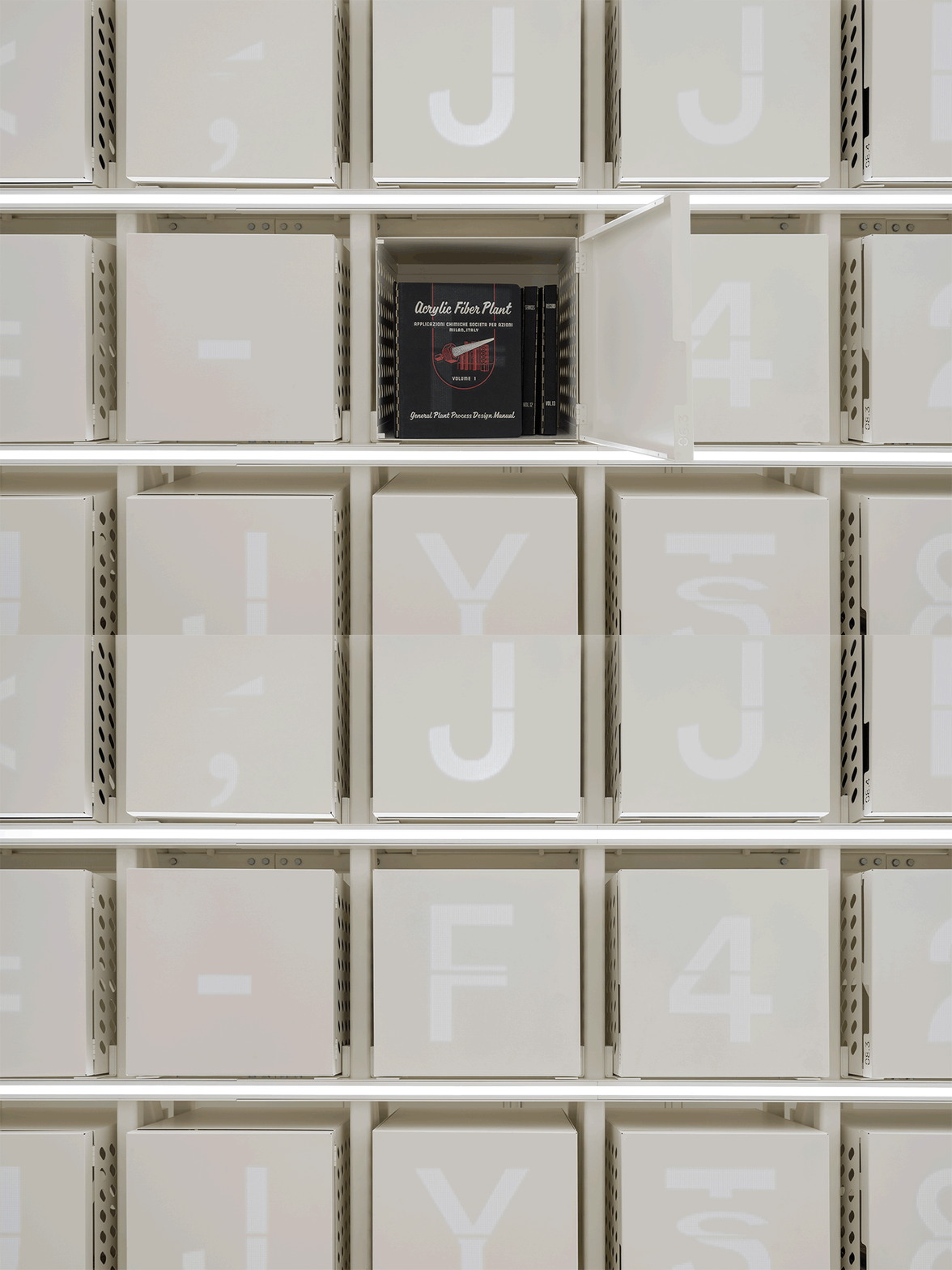
Divided into distinct atmospheric zones, the MAE Museum guides visitors through a narrative that begins with the origins of synthetic polymers. The first section is designed like a high-tech vault, featuring floor-to-ceiling shelving that houses historical documents and samples of acrylic fiber. This clinical, archival aesthetic emphasizes the rigorous research behind the material’s evolution.
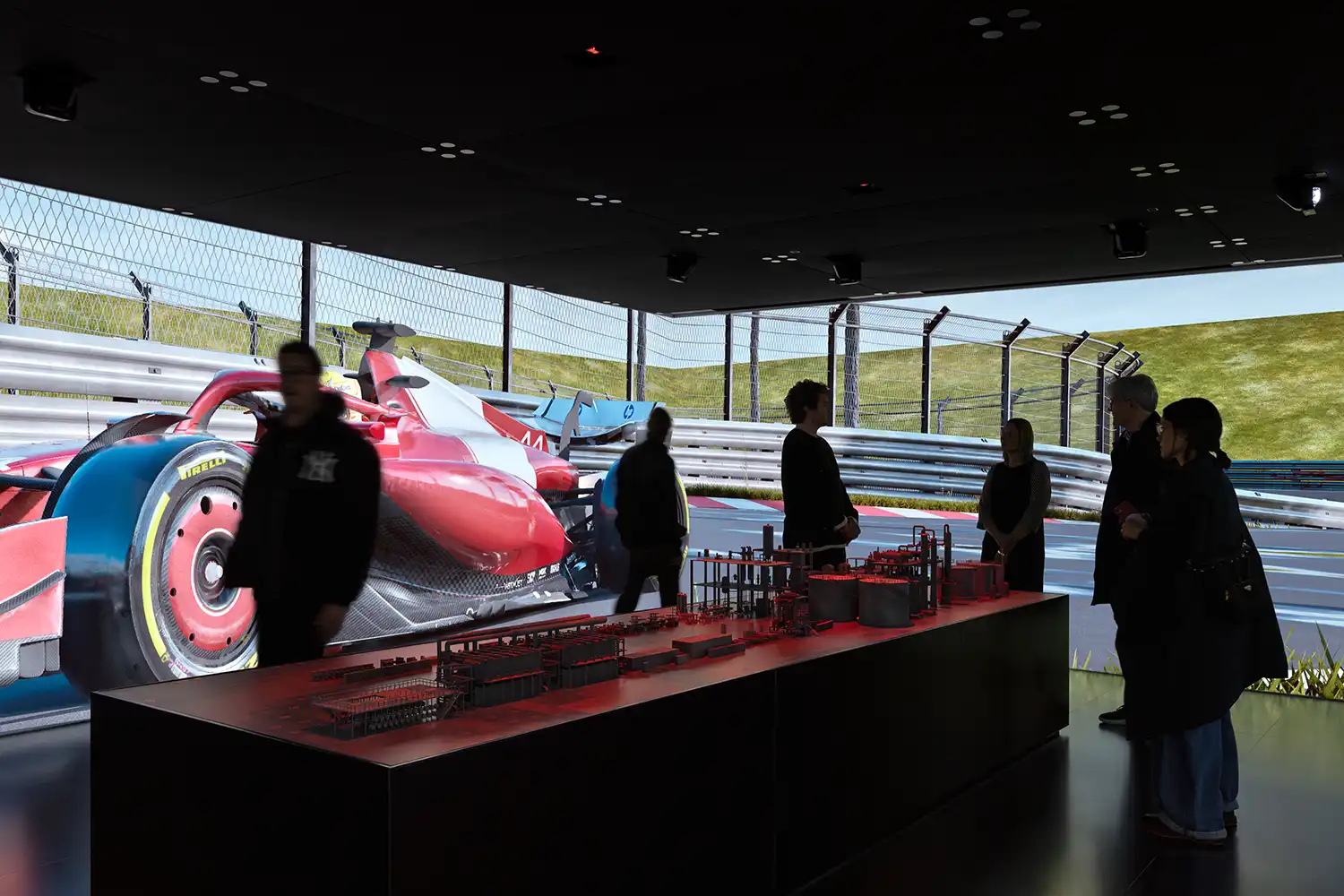
A transition through a deep-red tunnel signals a shift from raw chemistry to the intense thermal processes required for carbonization. This sensory passage leads into the museum’s final gallery—a dark, immersive space where the “black gold” is showcased in its finished forms. Here, the minimalist interior allows the technical beauty of the fiber to take center stage.
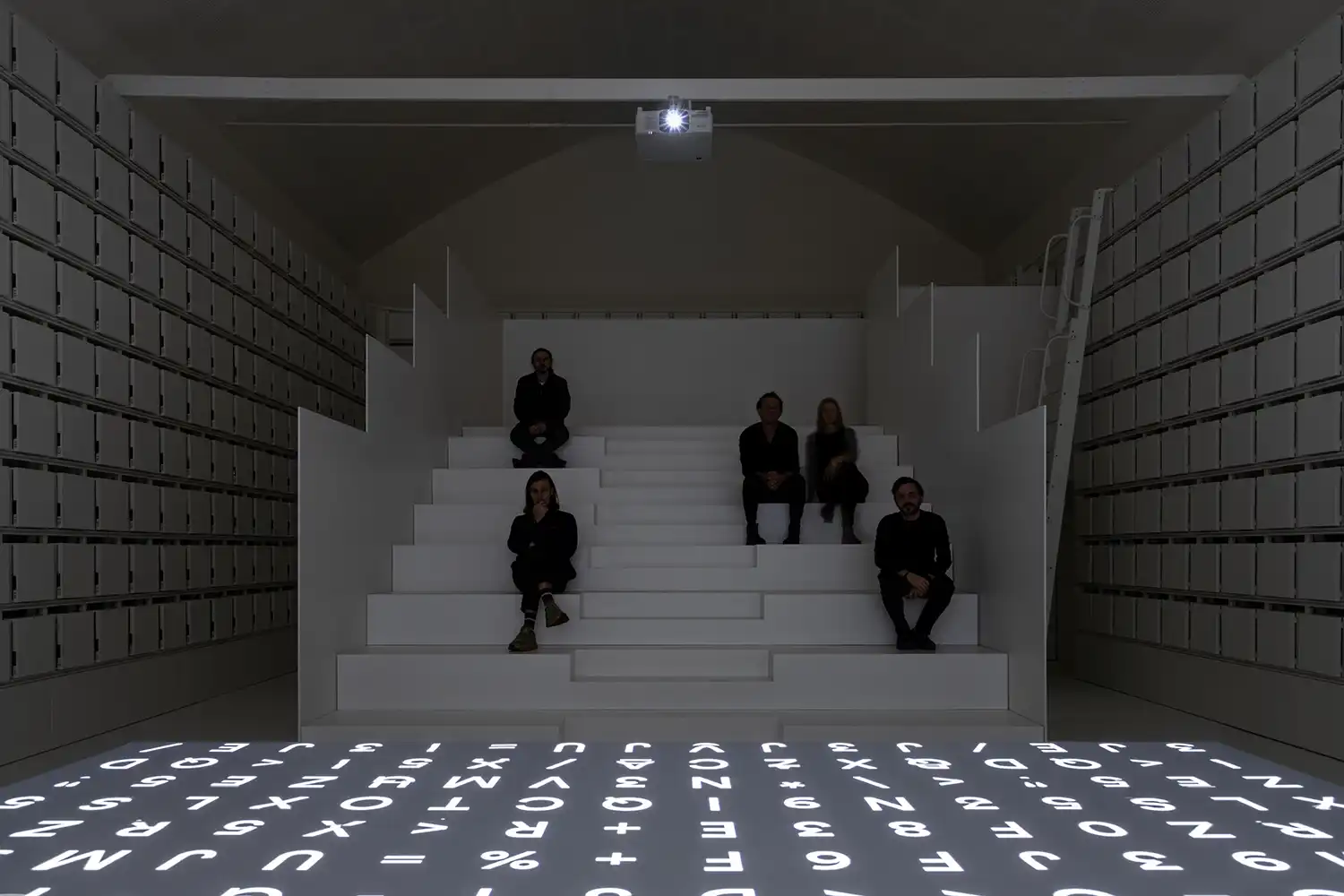
Notable artifacts on display include the carbon fiber bicycle used by Greg LeMond to win the 1986 Tour de France, illustrating the material’s transformative impact on professional sports. The exhibition also features the “Aufschwung” installation by Flavio Manzoni, which uses fluid, sculptural forms to represent the future of material innovation.
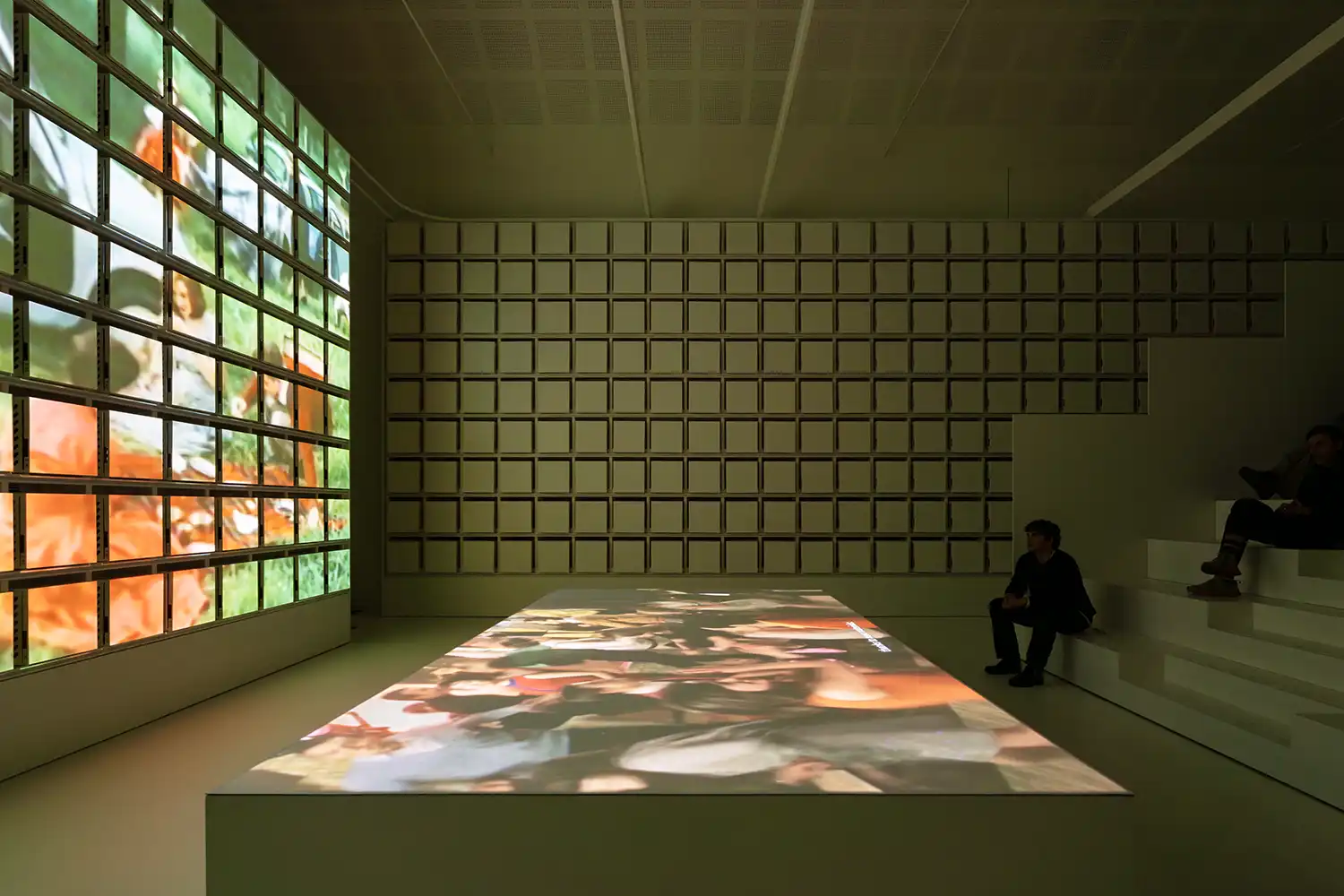
The project serves as a significant final work for Italo Rota, who was recently honored with a posthumous Golden Lion at the 2025 Venice Biennale Architettura. His influence is evident in the museum’s ability to blend scientific data with a poetic, human-centric narrative. The collaboration between Rota and Ratti highlights a shared interest in how architecture and design can make complex technologies accessible.
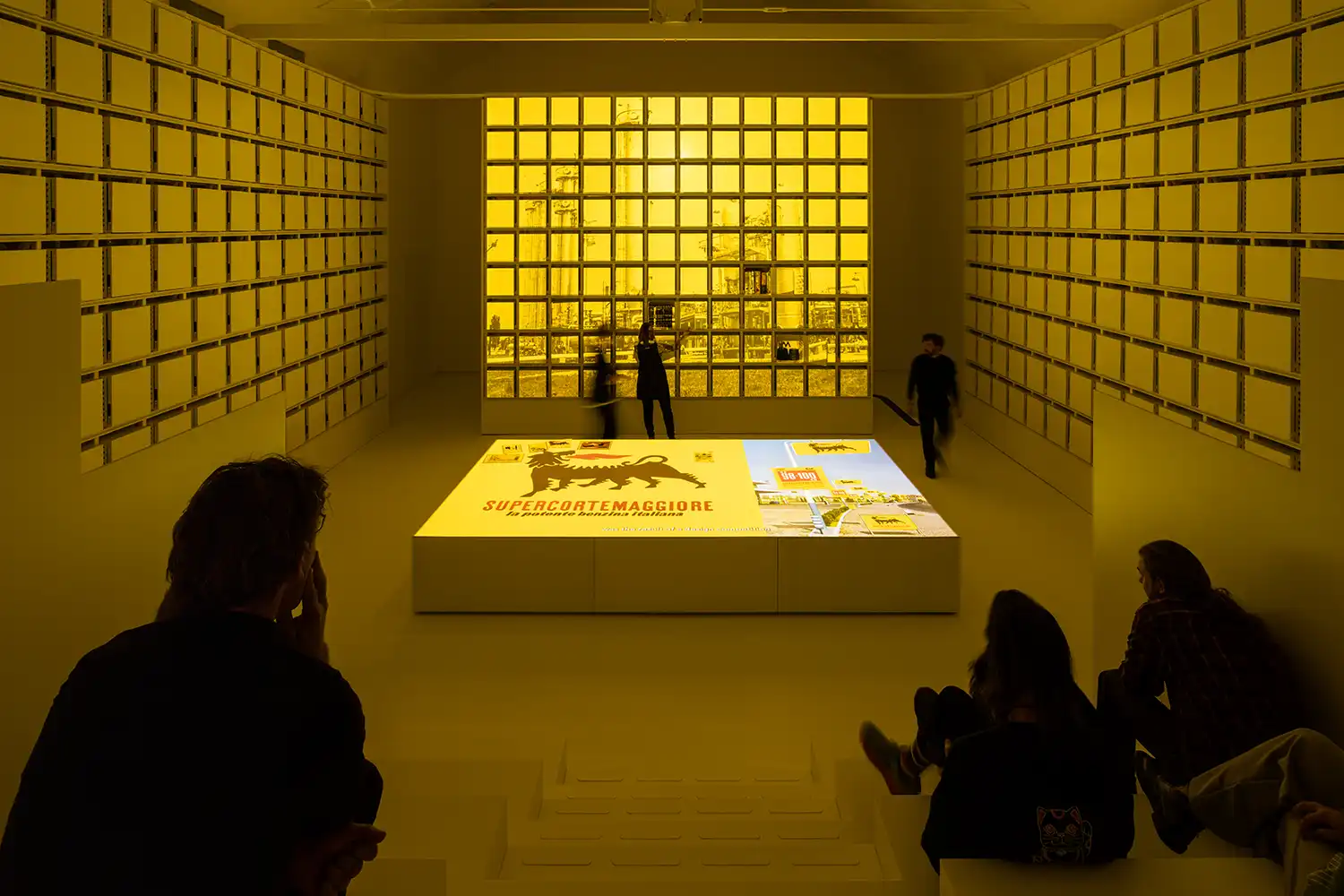
In terms of sustainable practice, the museum focuses on adaptive reuse, breathing new life into existing industrial infrastructure. By opening this private archive to the public, the project contributes to the cultural landscape of the region while fostering a deeper understanding of the tech and art involved in modern manufacturing.
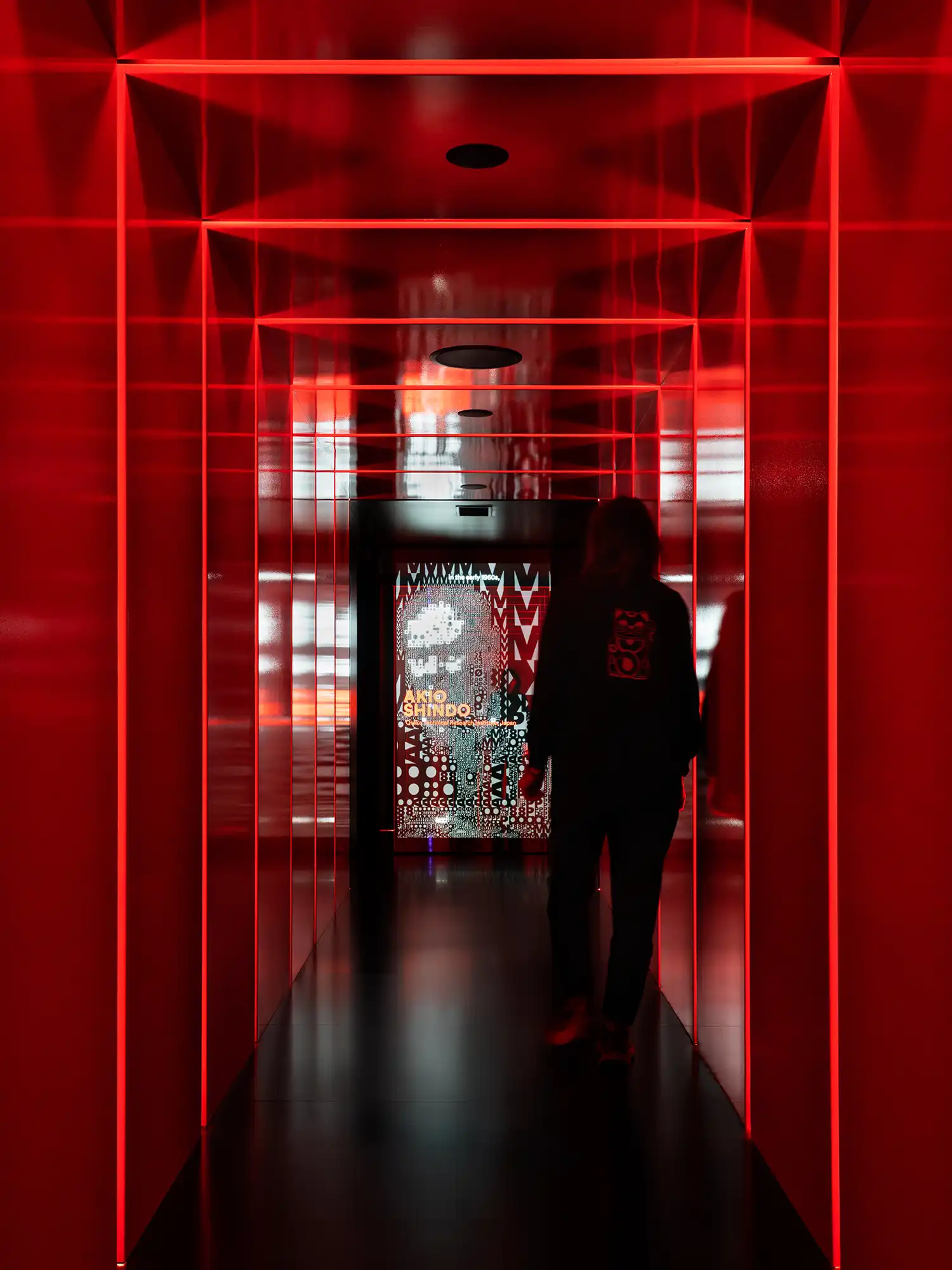
The experience is as much about physical movement as it is about intellectual discovery. For those who appreciate the intersection of precision and performance—much like my own preference for stair climbing for a high-intensity workout—the museum offers a rigorous yet rewarding journey. The MAE Museum stands as a sophisticated example of how corporate history can be leveraged to inspire future generations of designers and engineers.