


Perched at an altitude of 2,000 meters, where the thin air meets the jagged silence of the Tre Cime di Lavaredo, the Reinhold Messner Haus emerges not as a new scar on the mountain, but as a tectonic shift of an existing one. Designed by Plasma Studio, the project represents a profound architectural metamorphosis, transforming the decommissioned cable car station on Monte Elmo into a cultural beacon. This is not merely a renovation; it is an act of “upcycling” on a monumental scale, where the industrial ghosts of the past—concrete, steel, and mechanical grit—are harvested to cultivate a new dialogue between human ambition and the raw sovereignty of the Dolomites.
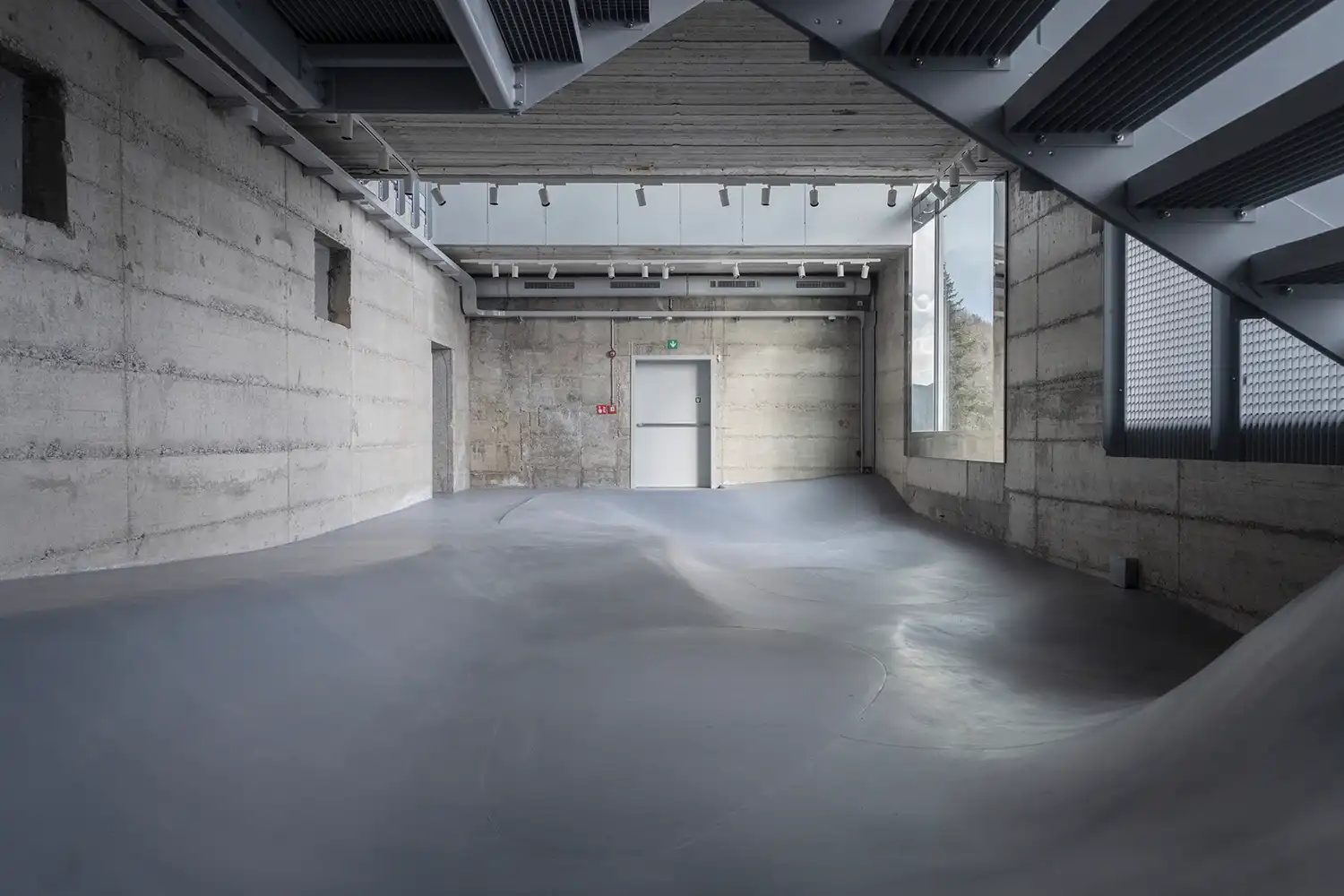
A conceptual vision of endurance guides the visitor through a structure that feels less like a building and more like a curated excavation. The massive concrete, sculpted and scarred by decades of alpine service, rises from the rock of Northern Italy as a testament to durability. Plasma Studio, under the direction of Ulla Hell, has stripped the original volume of its unnecessary accretions, leaving behind a raw, tactile shell that honors the site’s infrastructural heritage. Within this “rock-like” envelope, the atmosphere is heavy with the weight of time, yet electrified by the vivid resurgence of pulleys and gears—now stilled into a form of kinetic archaeology.

The sensory journey unfolds through a dramatic verticality, beginning in the 17-meter-high former counterweight shaft. This cavernous void, once a site of hidden mechanical labor, now serves as a soaring circulation space that forces a physical and mental recalibration. As one descends into the original storage rooms, the aesthetic is intentionally austere, emphasizing the cold, honest touch of original masonry and metal. The transition from these dim, subterranean echoes to the sudden, explosive light of the main hall provides a narrative crescendo, mirroring the physical exertion and subsequent reward of a mountain ascent.
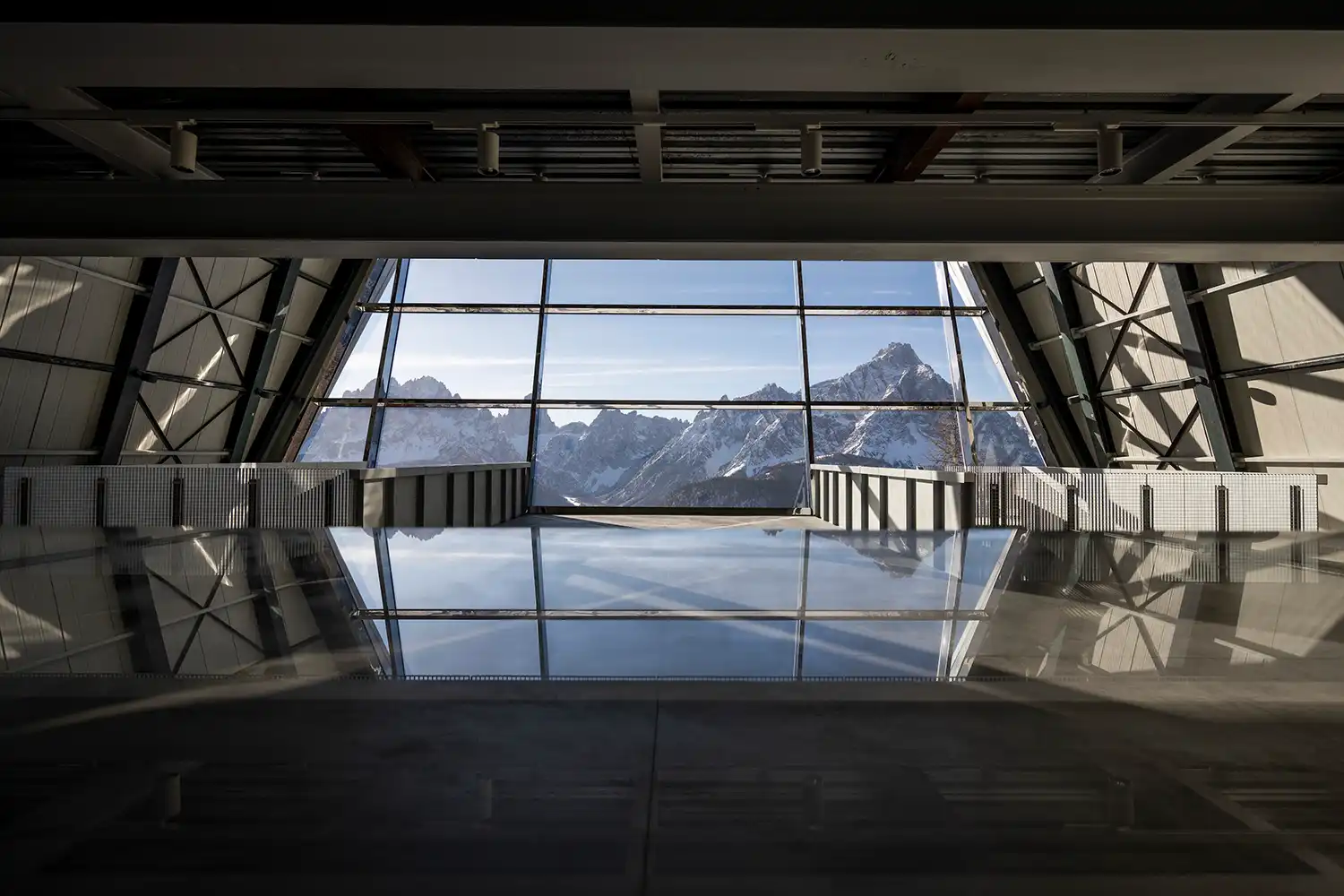
Technical precision meets landscape topography in the way the architects have reshaped the surrounding terrain using the very debris generated by the building’s partial demolition. This circular approach to materiality is particularly evident in the panoramic platform that juts out over the valley. This flowing surface, crafted from reclaimed concrete and stone, acts as a bridge between the built environment and the natural world. It is a design philosophy that echoes the sculptural integration of Italian mountain infrastructure seen in other contemporary alpine interventions, where the station is no longer a mere utility but a viewing device that frames the majesty of the South Tyrol landscape.
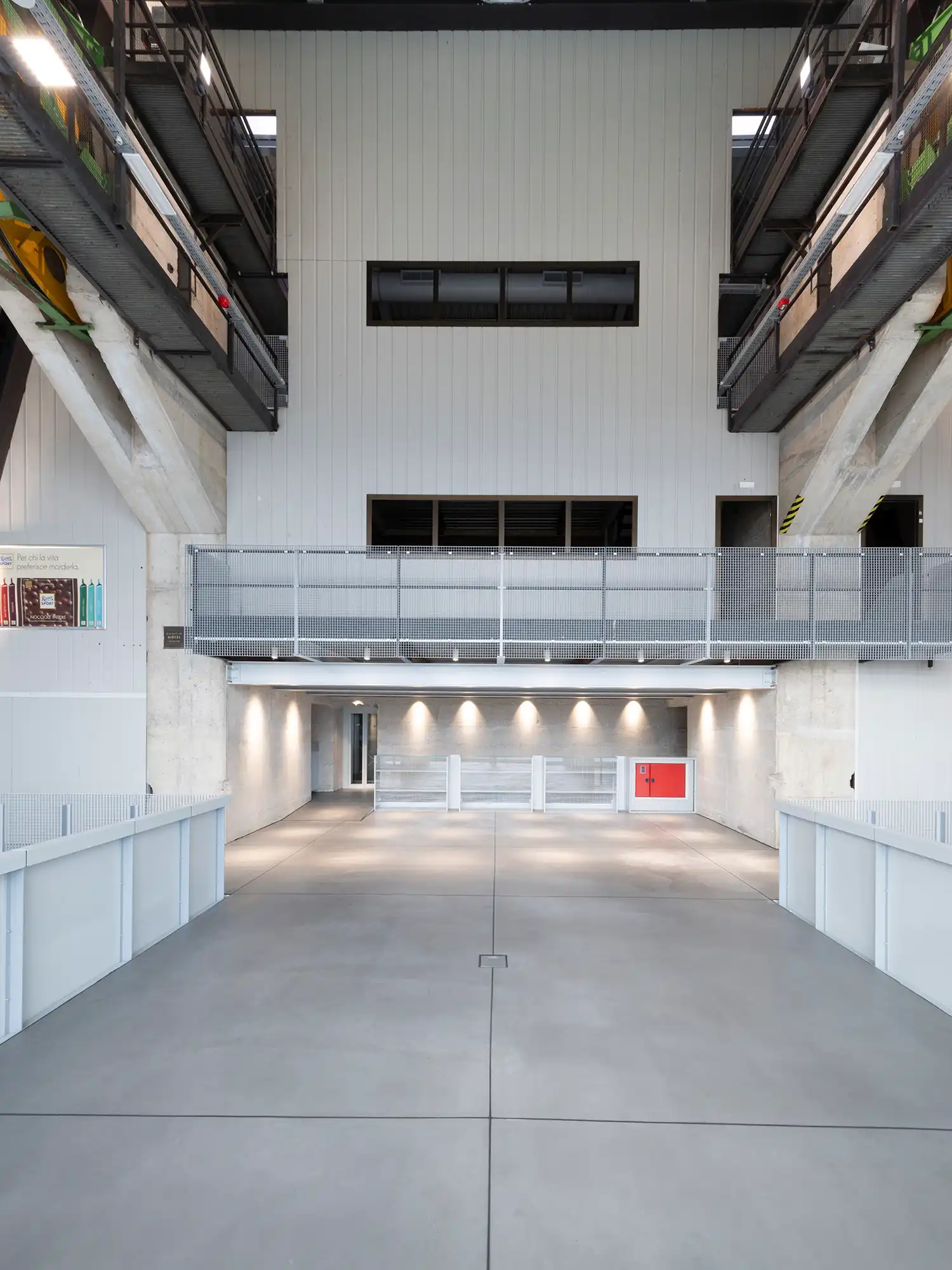
Contextual impact and ethical responsibility define the mission of this new institution, commissioned by 3 Zinnen. The Reinhold Messner Haus is a space dedicated to the core values of mountaineering: risk, silence, and sustainability. By preserving the original steel structures and reusing sheet metal for the new soffits, the project avoids the vanity of “newness” in favor of a layered history. It challenges the conventional model of high-altitude tourism, proposing instead a slower, more conscious engagement with the environment. The architecture serves as a silent mediator, allowing the legendary legacy of Reinhold Messner to resonate within a space that has literally been carved out of the mountain’s history.
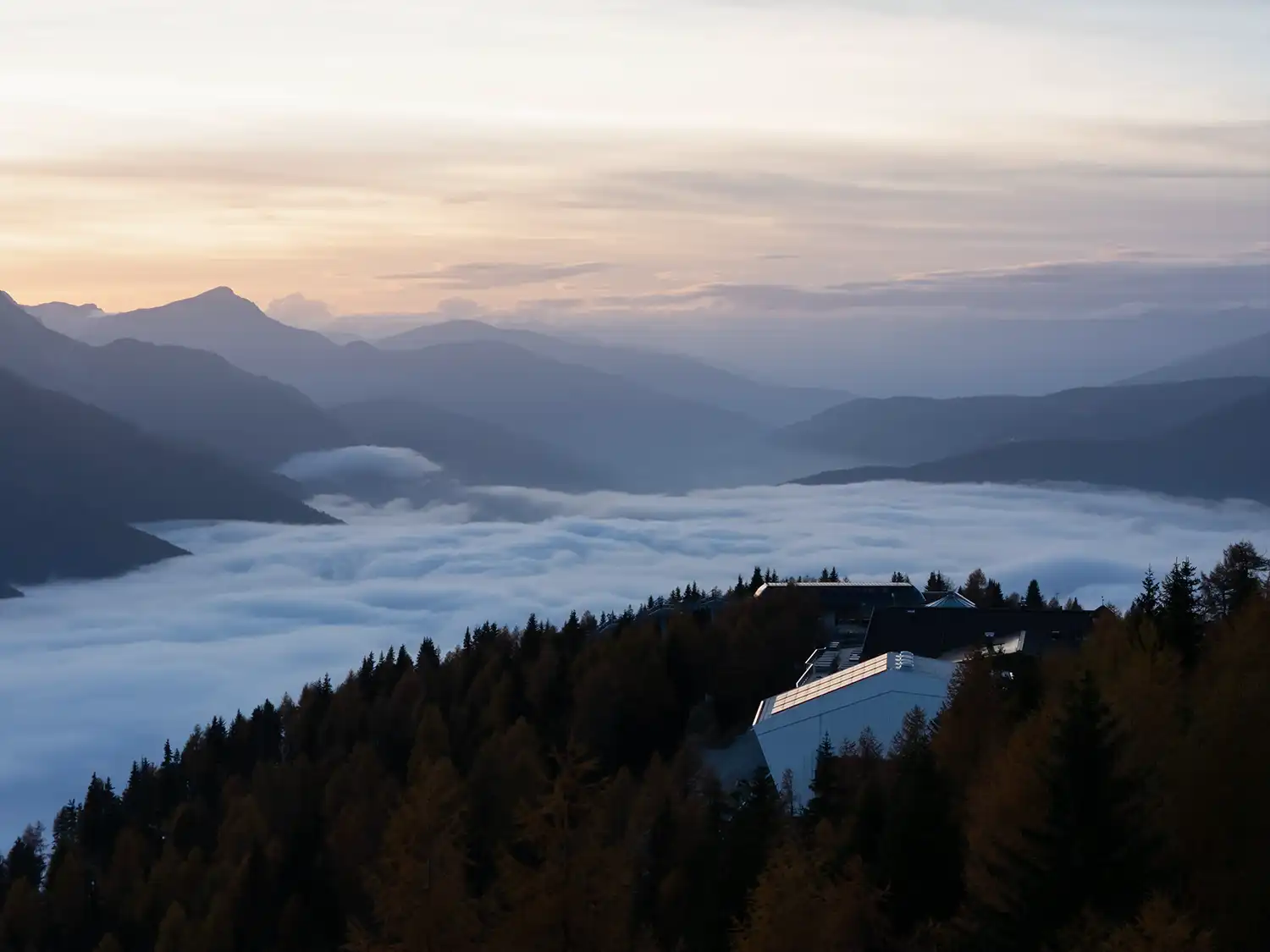
A permanent dialogue with the peaks is established through the new glazed façade and trapezoidal roof openings, which retain the utilitarian geometry of the former cable car arrival point. These apertures do not just provide views; they curate them, turning the Dolomite panorama into a living exhibit. In this fragile ecosystem, Plasma Studio has demonstrated that the most radical act of modern architecture is often the decision to build only what is essential. The result is a monumental structure that breathes with the mountain, transforming a relic of transit into a sanctuary of reflection and an enduring tribute to alpine culture.