

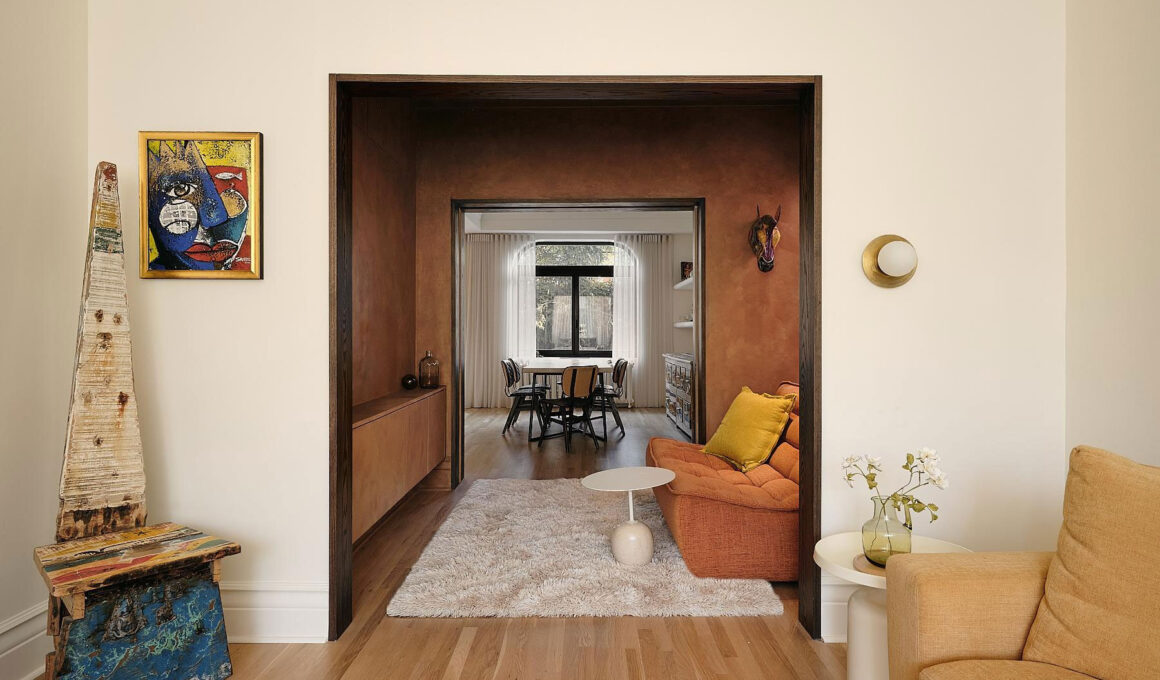
In the tree-lined enclave of Outremont, Montreal, the de l’Épée Residence stands as a clear manifesto of slow, intentional architecture. What began as an informal conversation between a creative couple and Michael Godmer Studio evolved into a year-long collaborative journey, transforming a storied heritage house into a deeply personal “sensitive laboratory.” The clients—an art therapist whose work centers on the body’s gestures and a social programs manager dedicated to sustainable human structures—brought with them a lifetime of international travel. Their return to Canada was not merely a homecoming but a deliberate act of anchoring, seeking a space that could balance their eclectic cultural fragments with the stability required for a growing family.
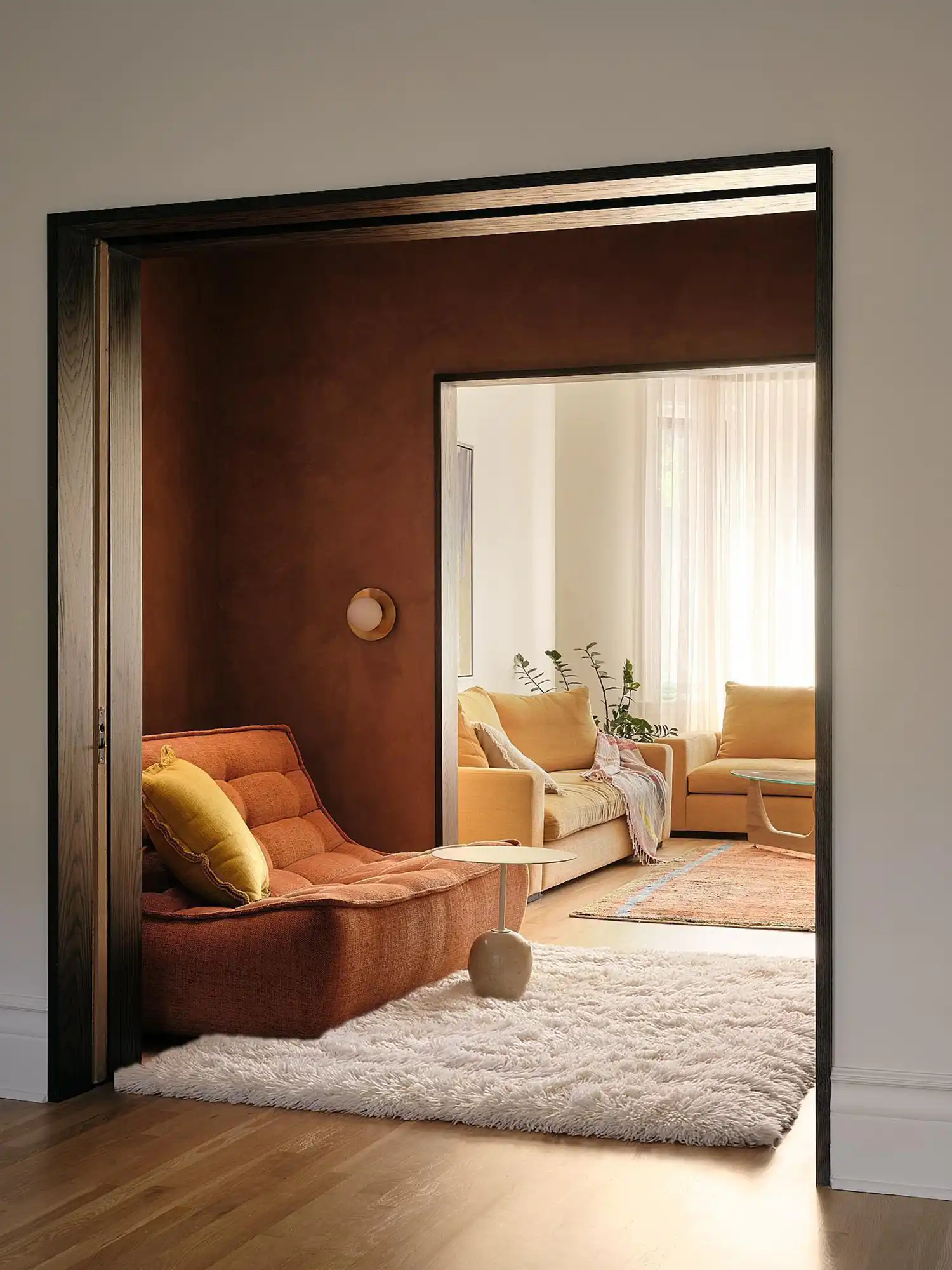
A narrative of architectural preservation and evolution guided the intervention from the outset. Rather than stripping the residence of its historical character, the studio chose to engage in a dialogue with its existing soul. The original woodwork and the central staircase were preserved as anchors of memory, around which a refined contemporary language was woven. This approach mirrors the sensitive transformations seen in other local projects, such as the reimagining of Montreal’s vernacular shoebox typologies, where the past is not erased but elevated. In the de l’Épée Residence, new openings and rounded door frames soften the transitions between rooms, creating a palimpsest where each architectural layer reveals the next without obscuring the history beneath.
The functional choreography of the interior responds directly to the multiplicity of modern domestic life. With the home serving as both a sanctuary and a professional hub, the layout integrates a dedicated art-therapy studio and a secluded upstairs office. To maximize the floor plan, Michael Godmer Studio utilized bespoke integrated cabinetry as the primary spatial tool, replacing traditional partitions with functional, aesthetic boundaries. This commitment to artisanal precision is evident in the custom wood-framed glazed doors and louvered wardrobes—pieces developed alongside local craftsmen to ensure the home remains a unique reflection of its inhabitants rather than a catalog of standardized trends.
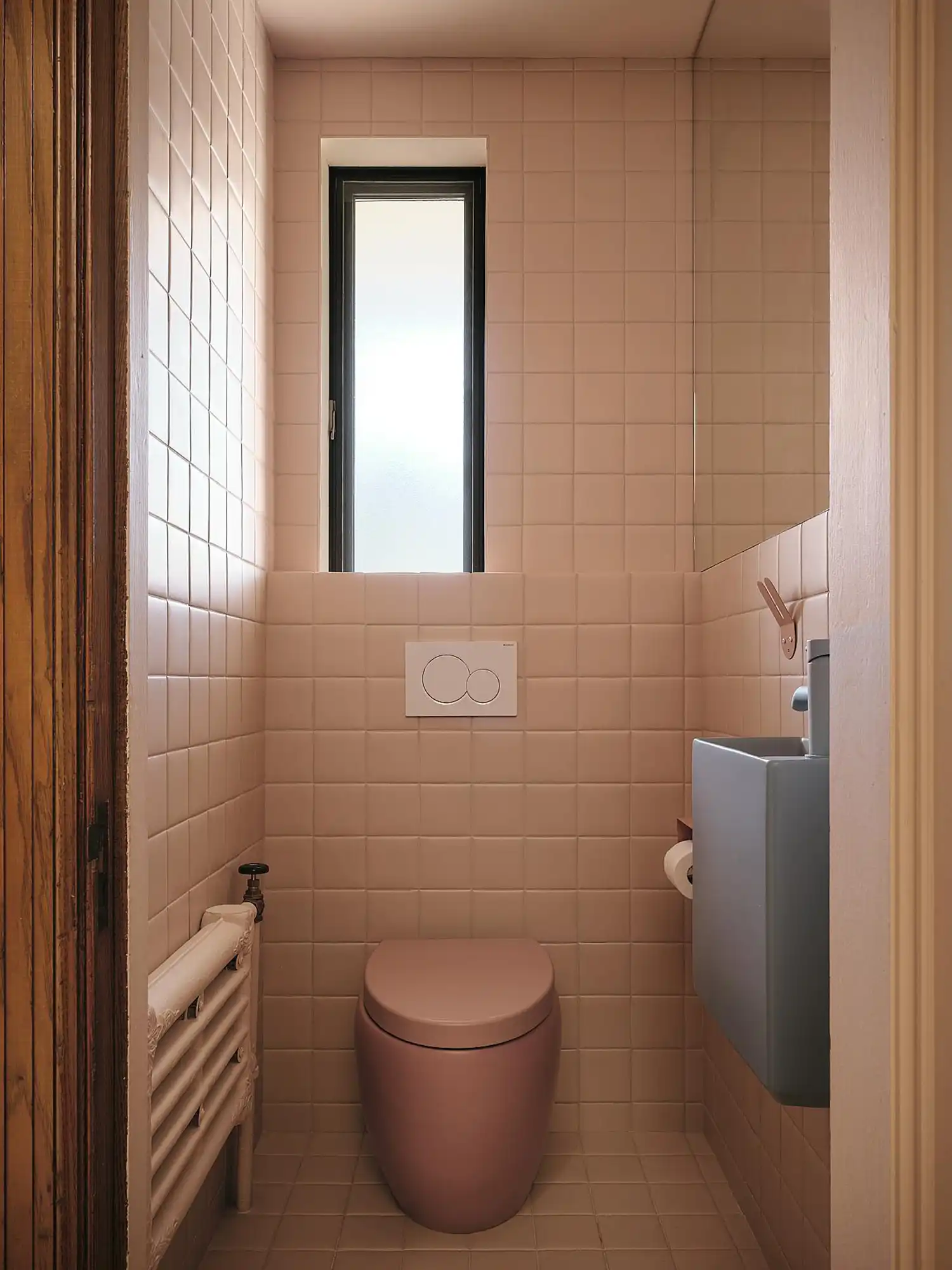
A sensory exploration of color and atmosphere defines the private quarters, where the “rhythm” of the house shifts to match the emotional intent of each zone. There is a playful theatricality at work; a powder room bathed in Wes Anderson-inspired pinks offers a moment of joyful artifice, while the children’s rooms vibrate with dynamic energy. Conversely, the parents’ wing retreats into a calmer, more sensual realm. This nuanced approach to residential volume recalls the meticulous material transformations that characterize high-end Quebec design, where the interface between old and new is handled with surgical grace.
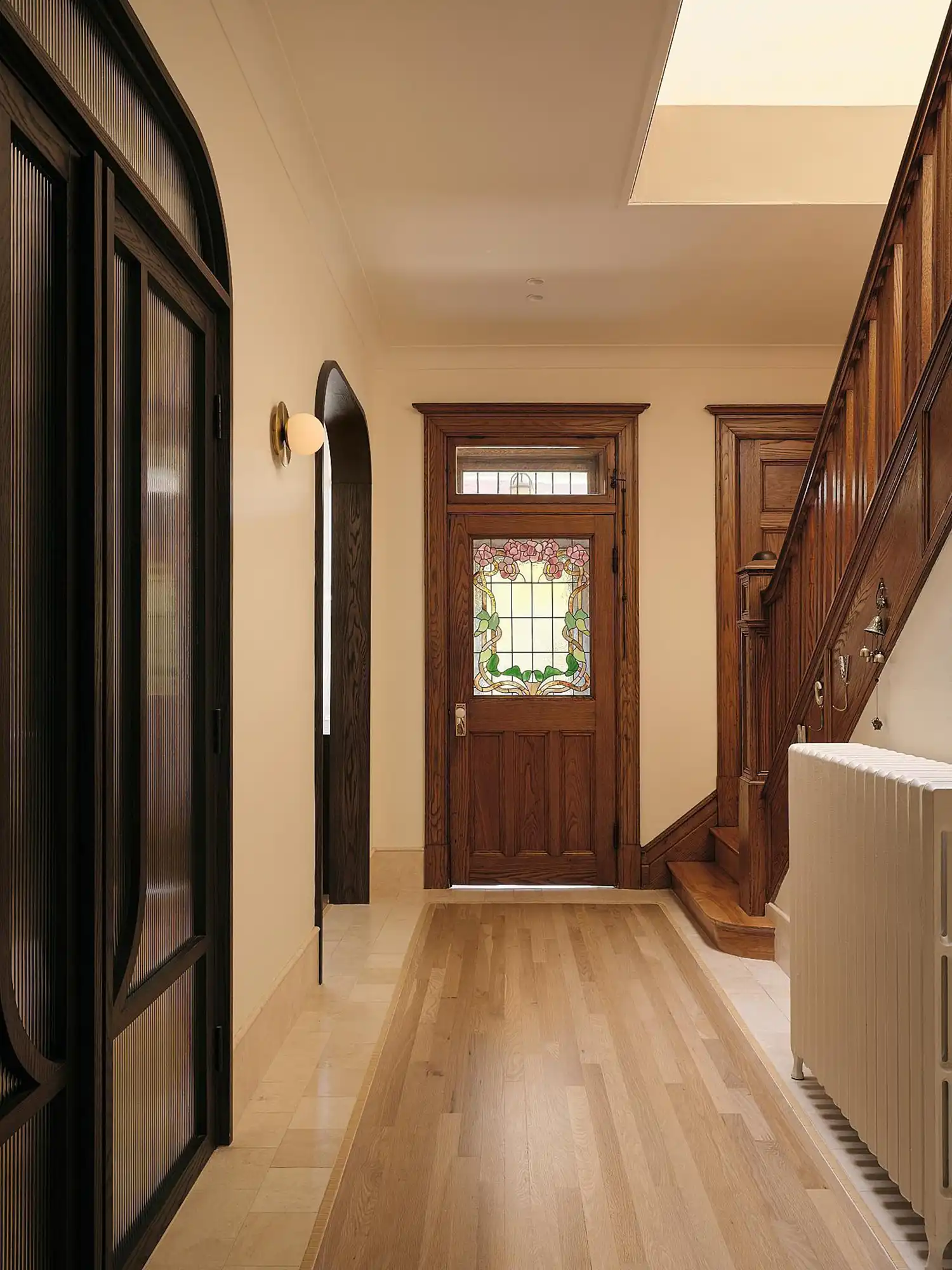
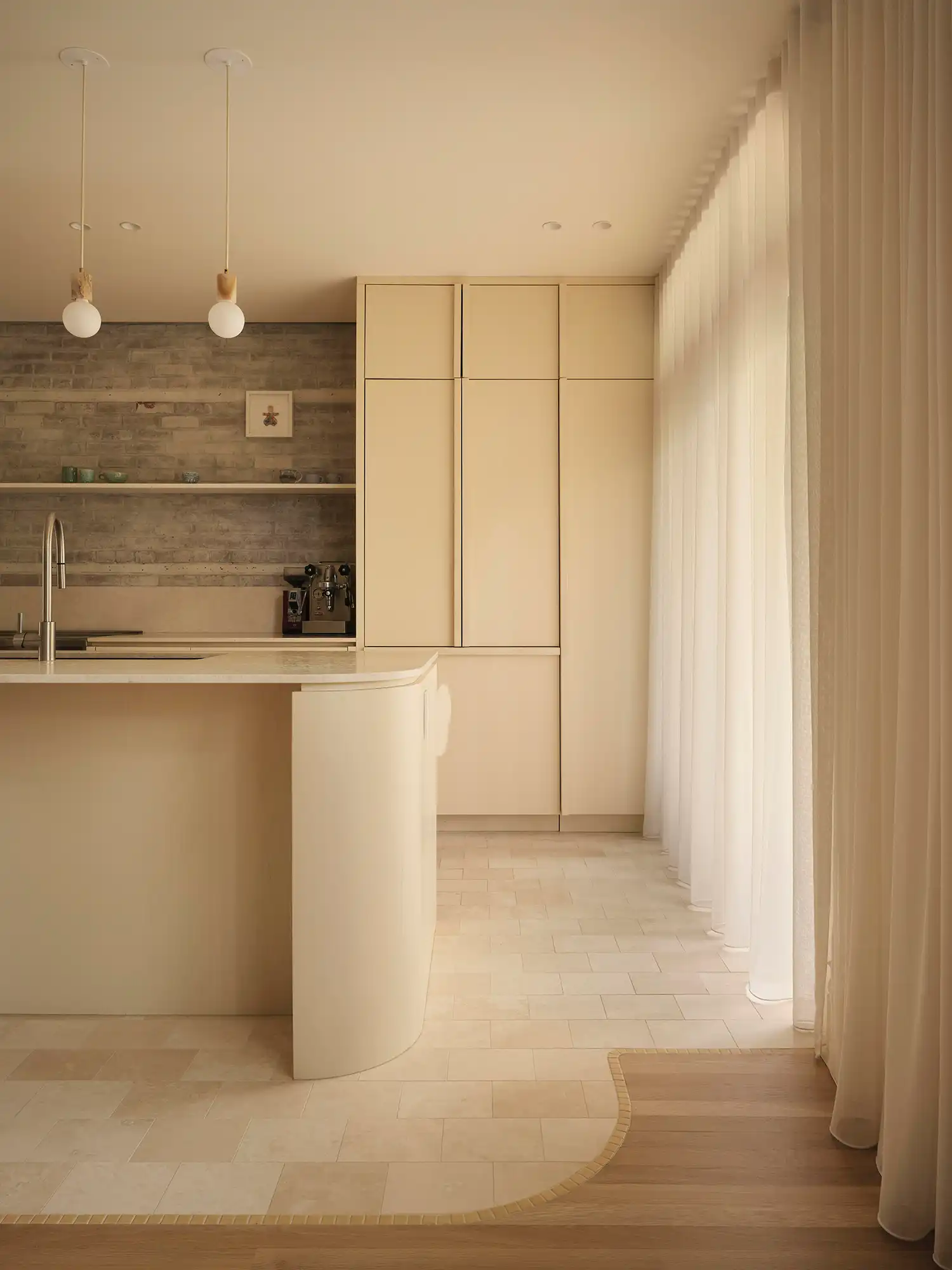
The materiality of the residence is layered with a soft, tonal precision. A “mayonnaise-toned” backdrop envelops the communal spaces, providing a warm canvas for a rich palette of Botticino Fiorito marble, travertine, and brushed lacquers. Limewash textures introduce a tactile, sandy quality to the walls, interacting with sculptural elements that evoke the clients’ global travels. A recurring motif of curves—found in the softened lines of the kitchen island and arched frames—provides a fluid visual language that guides the eye through the home. In the kitchen, the design avoids clichés, opting for an abstract repetition of tile lines that move seamlessly from the floor to the vertical surfaces.
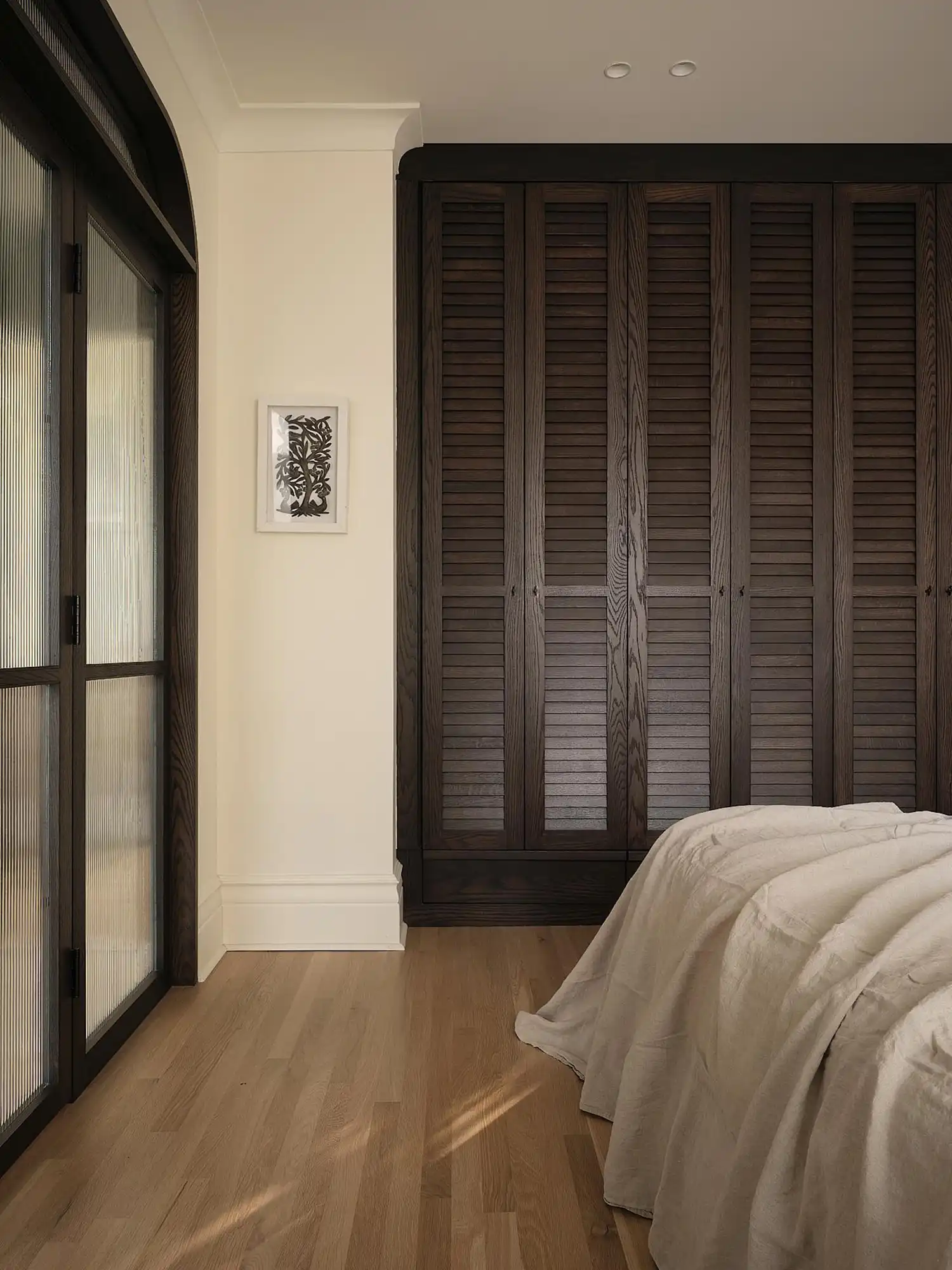
Technical precision manifests in the smallest details, weaving a discreet narrative thread throughout the property. The narrow-plank white oak flooring, a nod to the home’s origins, is framed by tiled borders that mark the transition between different zones. This “stitch” in the flooring is repeated with rhythmic consistency, echoed by a lighting scheme that prioritizes subtle points of light to reveal the inherent textures of the stone and wood. Ultimately, the de l’Épée Residence is more than a renovation; it is a sensitive, coherent composition that celebrates the relationship between architecture, craftsmanship, and the evolving story of a family.