


The soft glow of a screen illuminates a designer’s tired face. It’s 3 AM, a tight deadline looms, and that perfect visual for their campaign remains stubbornly out of reach. This all-too-familiar scene of creative struggle is now undergoing a monumental transformation. Across bustling studios, innovative agencies, and independent practices, a powerful new collaborator is stepping into the creative space: Artificial Intelligence. Far from being a replacement for human artistry, AI image generation is rapidly becoming an indispensable tool, empowering creators to experiment freely, save precious time, and push artistic boundaries further than ever before. The pressing question is no longer “if” but rather, “how” and “why” this embrace is happening with such incredible speed.
Overcoming Creative Hurdles: AI as an Ideation Powerhouse
The “why” behind this rapid adoption is deeply rooted in overcoming fundamental creative obstacles. Creative blocks are the arch-nemesis of consistent artistic output. AI image tools are emerging as instant ideation engines, capable of generating a flood of diverse visual concepts from simple text prompts. Imagine a fashion designer, stuck on textile patterns, now able to explore hundreds of unique iterations in mere minutes. Or an architect visualizing a building façade in a dozen distinct historical styles before their morning coffee. This unparalleled speed to ideation shatters traditional barriers to visual experimentation, allowing designers and artists to fearlessly explore avenues they might never have pursued manually due to time or technical limitations.
Streamlining the Laborious: Reclaiming Time for True Creativity
Crucially, AI truly shines when it comes to tackling laborious tasks. Rendering complex scenes, generating intricate background elements, or producing multiple variations for client presentations—tasks that once consumed countless hours—can now be dramatically streamlined. A prime example of this trend is Artlist’s new AI image generator, launching in July 2024. Designed with creators in mind, it seamlessly integrates into existing creative workflows, delivering high-resolution outputs and features like in-painting and out-painting directly within its platform. This focus on significantly cutting down execution time allows professionals to redirect their valuable energy towards higher-level conceptual thinking, meticulous refinement, and strategic direction—the truly irreplaceable human elements of any creative project.
A New Creative Dialogue: The “How” of Human-AI Collaboration
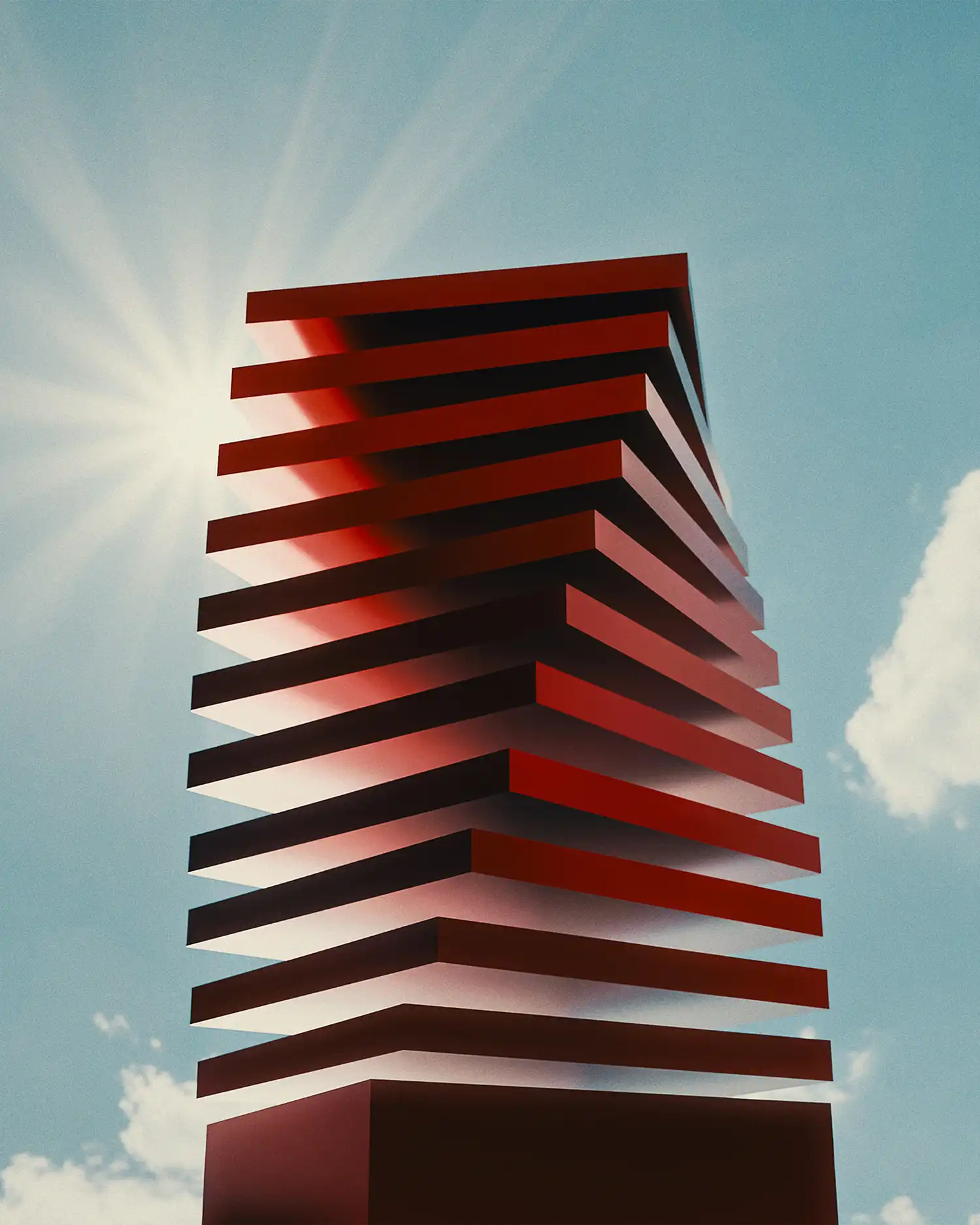
The “how” involves a fundamental rethinking of the creative process itself. AI image generation isn’t about typing a single command and passively accepting the result. Instead, it’s an iterative dialogue. Creators meticulously craft and refine text prompts, carefully analyze the generated results, inject their own unique stylistic preferences, and frequently combine AI outputs with traditional techniques. This dynamic human-AI collaboration fosters a new kind of visual experimentation. A graphic artist might generate abstract forms with AI, then meticulously manipulate and layer them in Photoshop. A product designer could leverage AI to brainstorm unexpected shapes, then refine them in CAD software. Tools like Artlist’s, which emphasize non-derivative outputs and clear commercial usage rights, are absolutely vital here, providing the legal safety and originality that creators demand for professional work.
Pushing Boundaries: Democratizing Creative Exploration
The drive to push creative boundaries is equally powerful. AI tools are democratizing access to styles and techniques that previously required years of specialized training. A small studio can now explore visuals reminiscent of renowned photographers or illustrators—not to copy, but to spark unique, hybrid creative directions. It enables the rapid prototyping of wildly imaginative concepts—think surreal environments, impossible materials, or futuristic aesthetics—that can serve as springboards for tangible designs, compelling artworks, or impactful marketing assets. This fearless exploration expands the very definition of what’s visually possible, even within tight deadlines and restrictive budgets.
The Future of Visual Expression is Collaborative
Of course, this embrace of AI isn’t without its critical considerations. Concerns about originality, copyright, and the ethical sourcing of training data are all vital, ongoing conversations within the creative industries. However, the trajectory is undeniably clear. AI image generation, particularly within integrated, ethically developed platforms like Artlist’s AI image generator, is rapidly maturing from a mere novelty into a core component of the modern creative workflow. It’s becoming the digital sketchpad, the instant mood board, the tireless production assistant. Creators who are strategically leveraging these tools aren’t relinquishing control; rather, they’re powerfully augmenting their capabilities, dramatically accelerating their processes, and unlocking unprecedented levels of creative freedom. The algorithmic atelier is officially open for business, and the most innovative minds are already inside, actively forging the future of visual expression.