


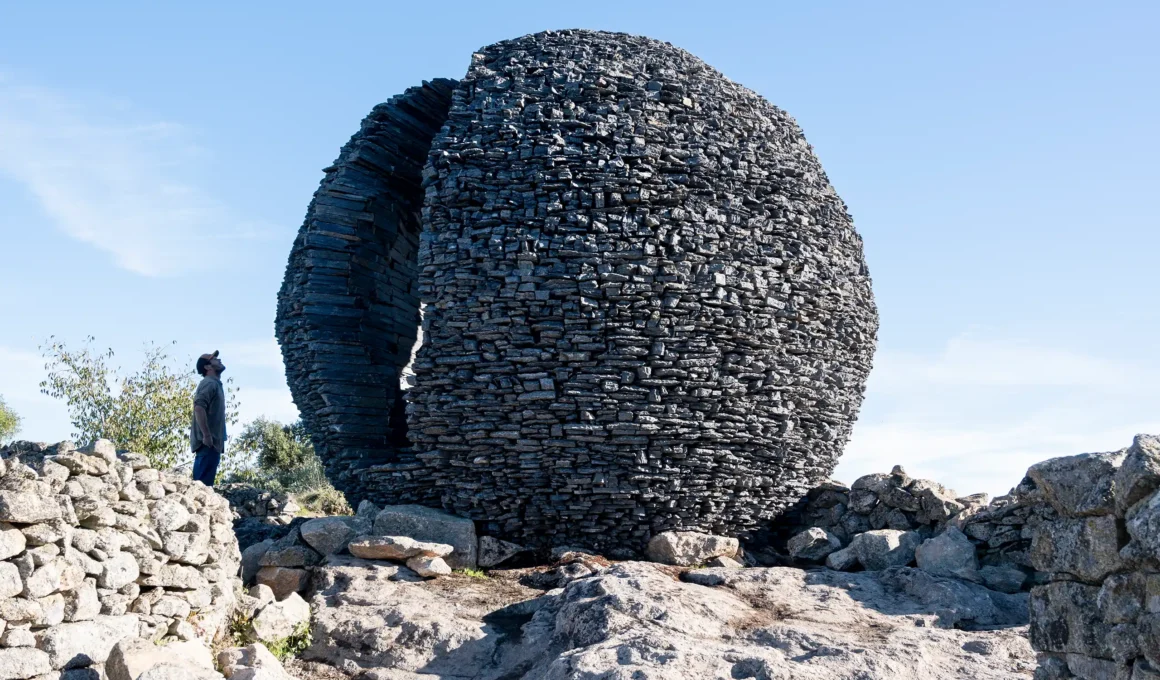
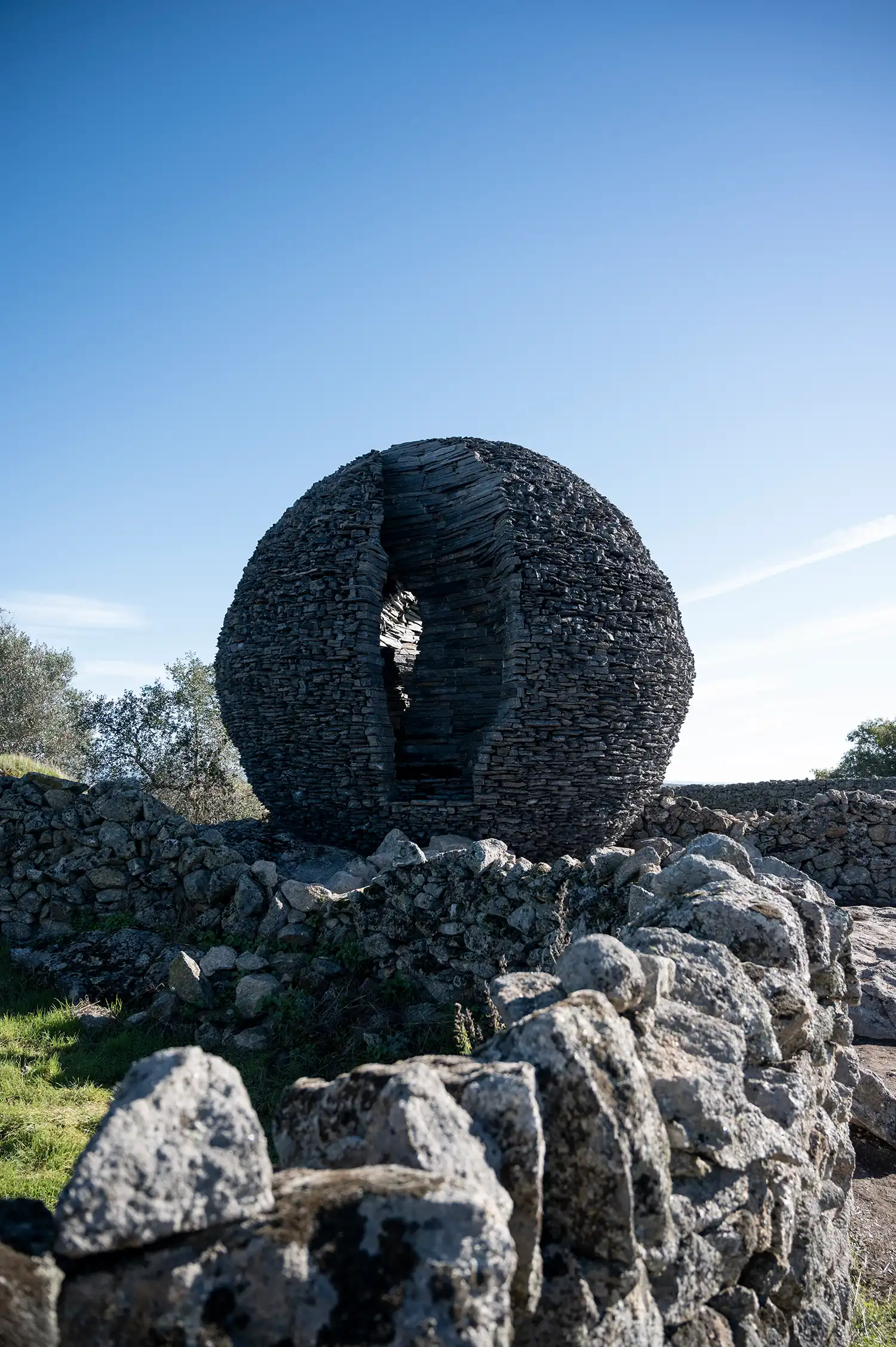
A monolithic geometry on the Iberian horizon. Rising from the windswept plateaus of Salvaterra do Extremo, Portugal, the Ninho Globo emerges as a monumental intersection between primordial symbolism and terrestrial weight. Created by the Paris-based Atelier YokYok, this five-meter-diameter sphere functions as a landmark that bridges the rugged topography of the Idanha-a-Nova municipality with a contemporary, low-tech sensibility. Perched near the defensive promontories overlooking the Rio Erges gorges, the installation is not merely a sculptural object but a physical inquiry into how we inhabit a shared planet. Its form—the most “economical” geometric expression of space—evokes both the fragility of a bird’s nest and the enduring presence of a silent planet, inviting a direct, physical encounter with the geological memory of the land.
From ephemeral textiles to mineral permanence. This transition toward heavy, site-specific materiality marks a significant evolution for the studio, which has long explored the poetic tension between space and the human body. While their previous patchwork textile installation at the Grand Pic Saint-Loup utilized vibrant, translucent layers to redefine a forest canopy, Ninho Globo opts for a chthonic, stone-bound presence. Where the French project leaned into the ephemeral and the light, this Portuguese intervention embraces the permanent and the structural. Both works, however, remain anchored in Atelier YokYok’s signature ability to shift scales and subtly reframe the essence of a landscape through repetitive geometric elements.
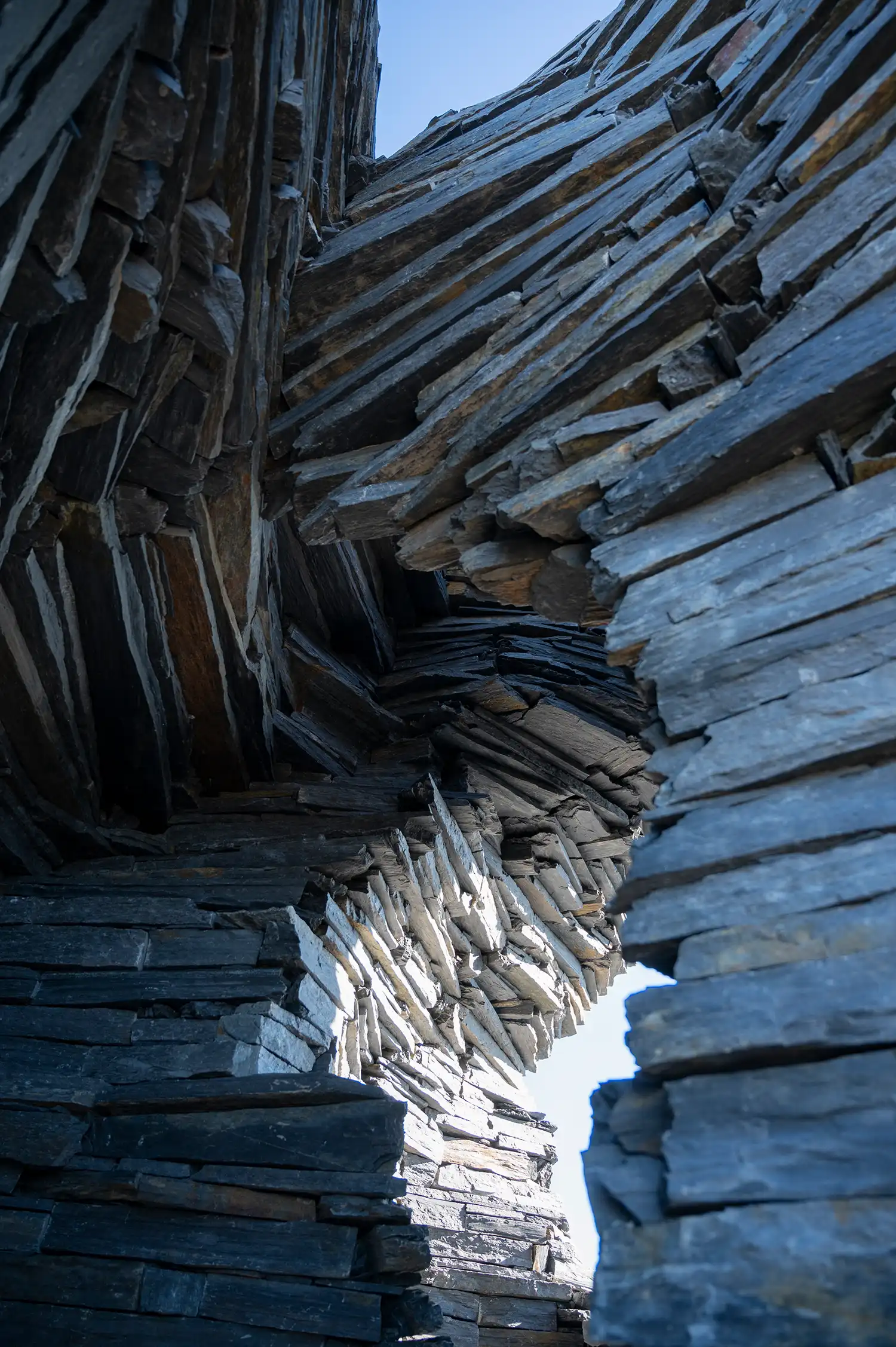
The tactile weight of geological memory. The primary medium of the sphere is Xisto Preto, a local black schist that defines the identity of central Portugal. By utilizing this layered stone, the creators have established a dialogue between the vast timelines of geology and the immediate timeframe of construction. The dark, jagged surfaces of the schist contrast sharply with the sun-bleached granite base of the site—a former “furdas” or pig-farming enclosure characterized by ancient dry-stone walls. There is a profound sensory friction here; the cold, rough edges of the stone demand a tactile exploration, grounding the viewer in the heritage and archaeological significance of a site that feels as though it has been shaped as much by the elements as by human hands.
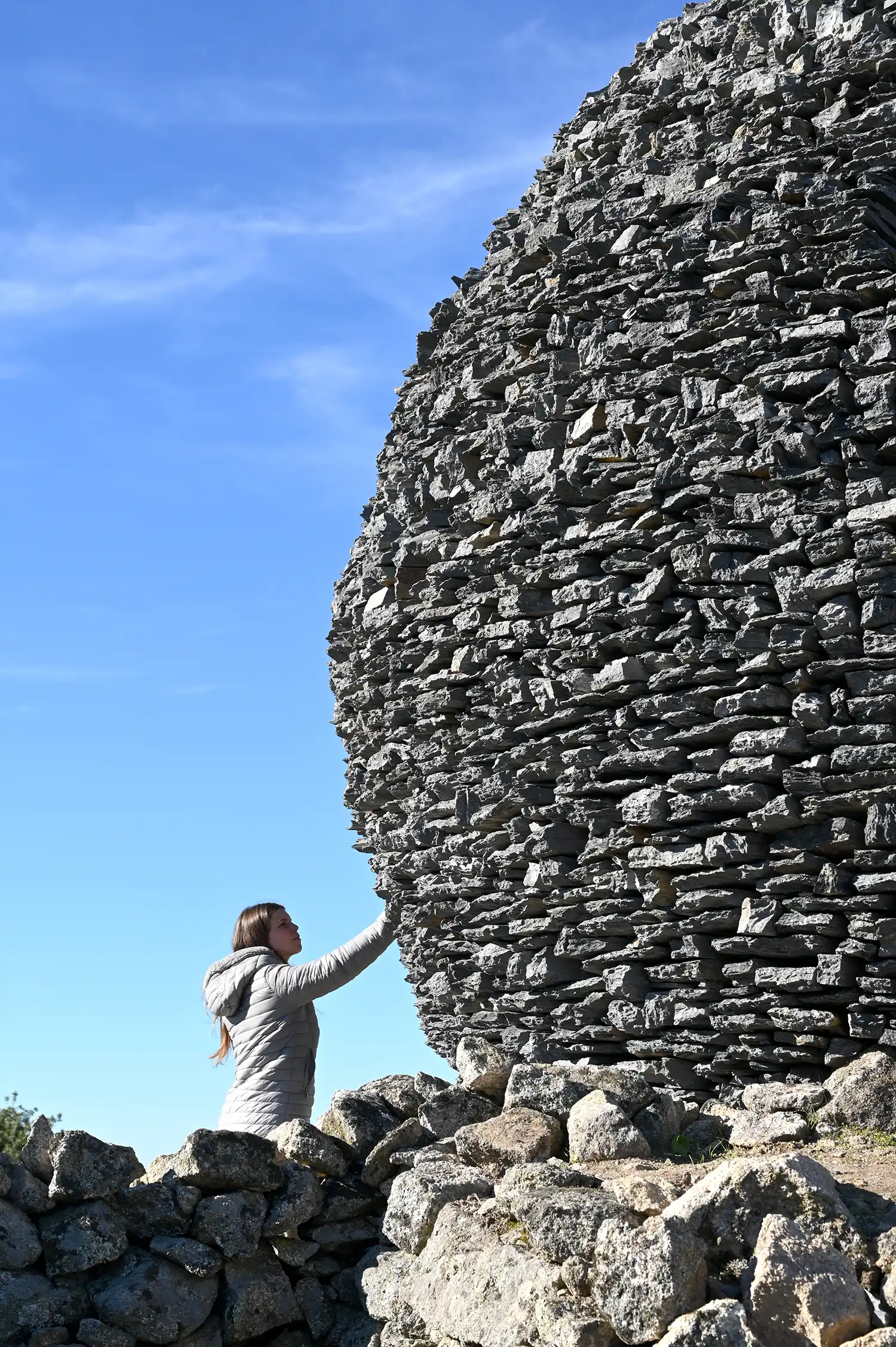
Synthesizing digital precision with low-tech labor. Despite its primordial appearance, the technical execution of the Ninho Globo relied on a sophisticated synthesis of modern modeling and communal craftsmanship. The project was first conceptualized through 3D modeling, which allowed the sphere to be decomposed into successive layers. This digital blueprint was then translated into a simplified constructive approach, enabling the work to be built entirely by hand. For several months, the artists collaborated with local workers and residents of Salvaterra do Extremo, employing a low-tech methodology that respected the delicate environmental balance of the site. This collective energy transformed a complex mathematical volume into a tangible, “handcrafted” reality, reinforcing the ties between the territory and its inhabitants through shared labor.
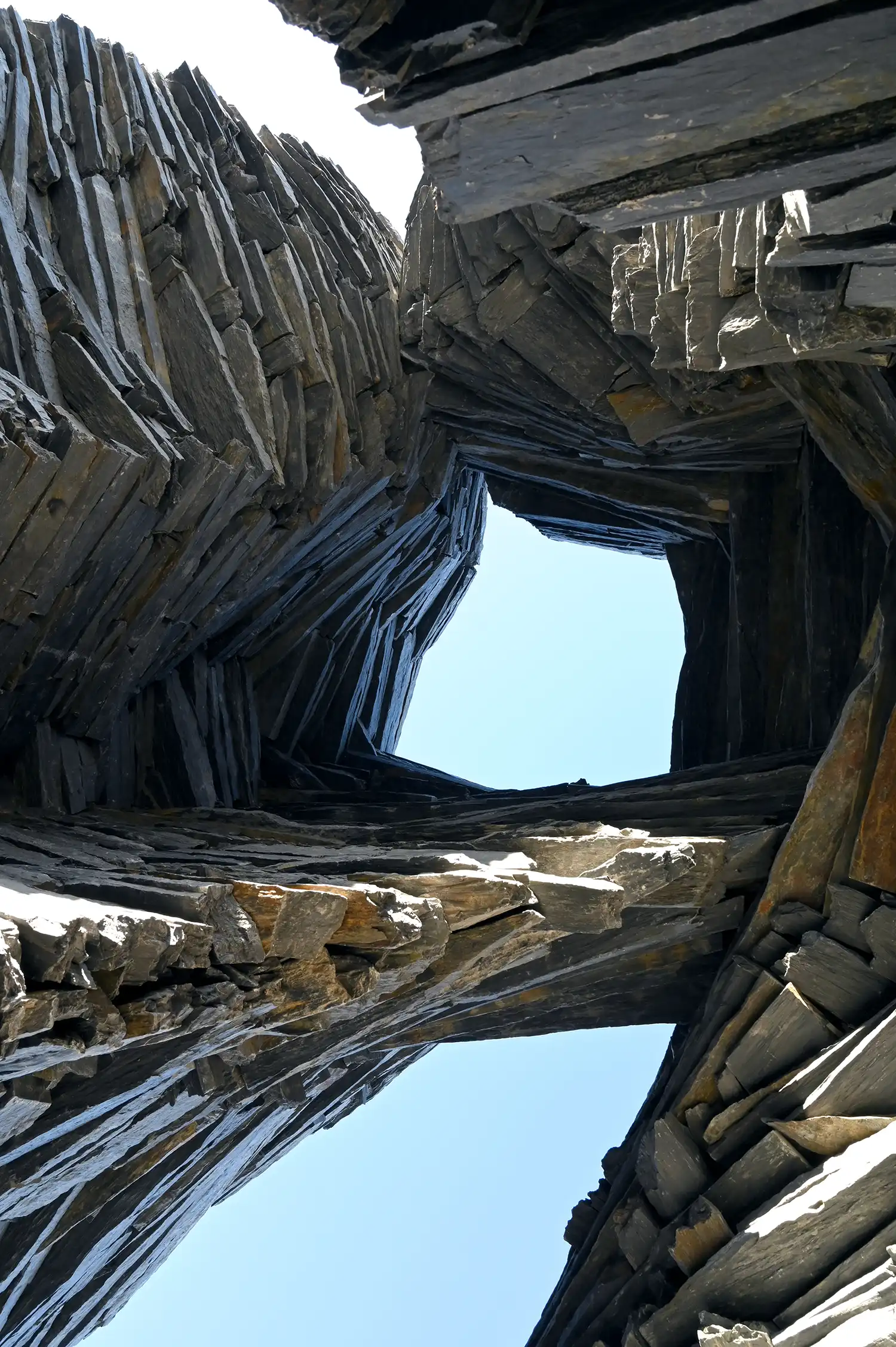
A hollowed interior of shadows and silence. The experience of the installation shifts dramatically as one approaches the “Canyon,” a deliberate fissure that invites entry into the sphere’s hollowed core. Inside, the monumental weight of the schist gives way to a sheltered void, evoking the rocky cavities and natural architectures that provide sanctuary for life. This interior space is a meditation on the absence of water—a vital element in this arid borderland—and the fluid forces that have sculpted the surrounding Rio Erges canyon over millennia. Within this quiet, shaded chamber, the play of scale becomes intimate; the visitor is no longer looking at a globe from afar but is nestled within it, questioning the responsibility of the “common good” and what we leave behind for those who come after us.
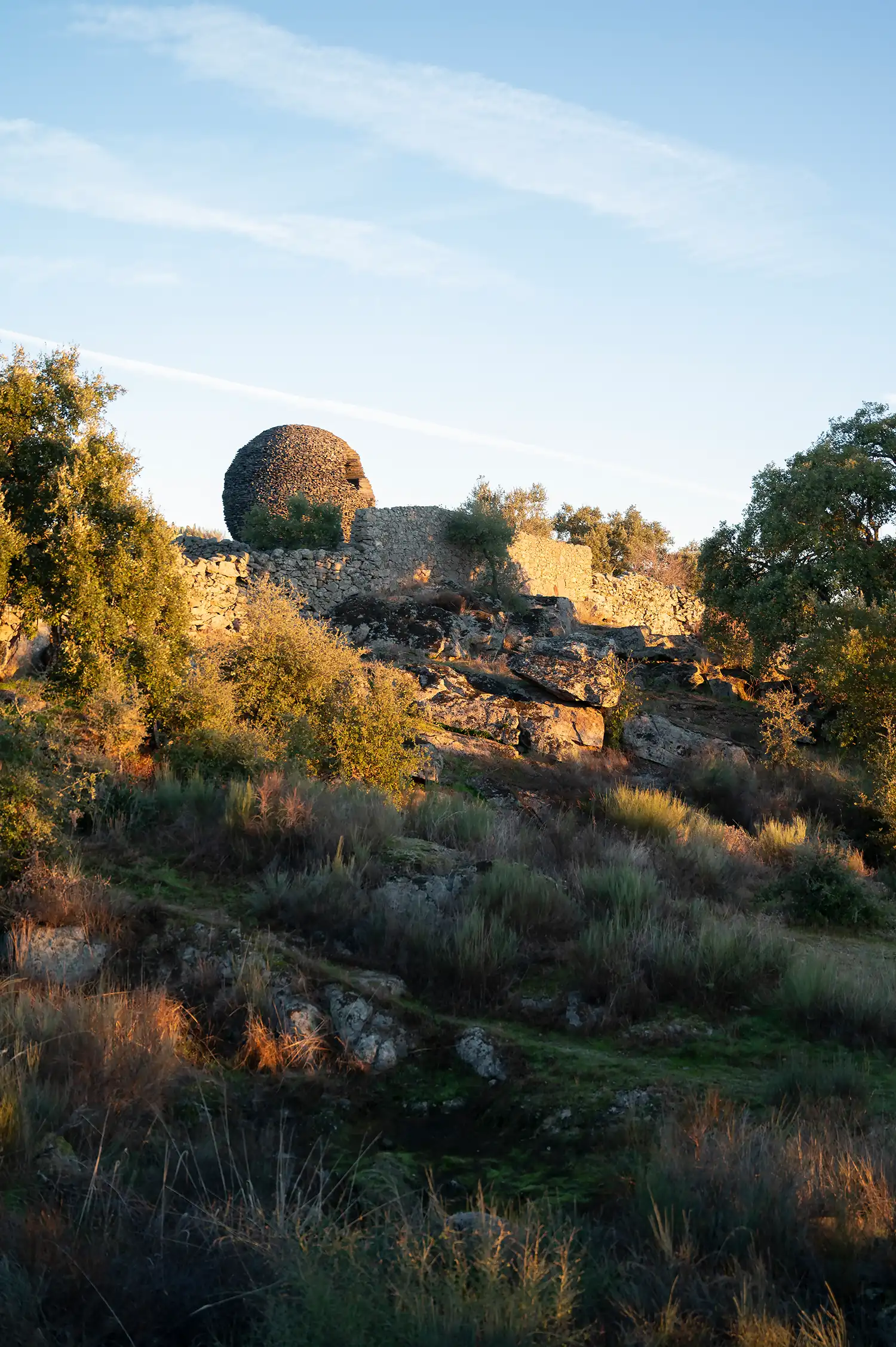
Anchoring community within a cross-border landscape. Realized as part of the Landscape Together initiative and curated by MAG – Marques de Aguiar, the Ninho Globo is a cornerstone of the Museu Experimenta Paisagem. The project, co-funded by the European Union, serves as a cultural bridge at the eastern border with Spain, looking out toward the fortresses of Peñafiel across the gorge. By integrating sustainable design with community participation, the installation acts as a silent sentinel for rural development, anchoring the village within a broader network of art-driven hiking trails and social activities. Standing at the crossroads of history and contemporary practice, the sphere remains a permanent resident of the wind-swept plateau, evolving daily under the path of the sun and the stars.