

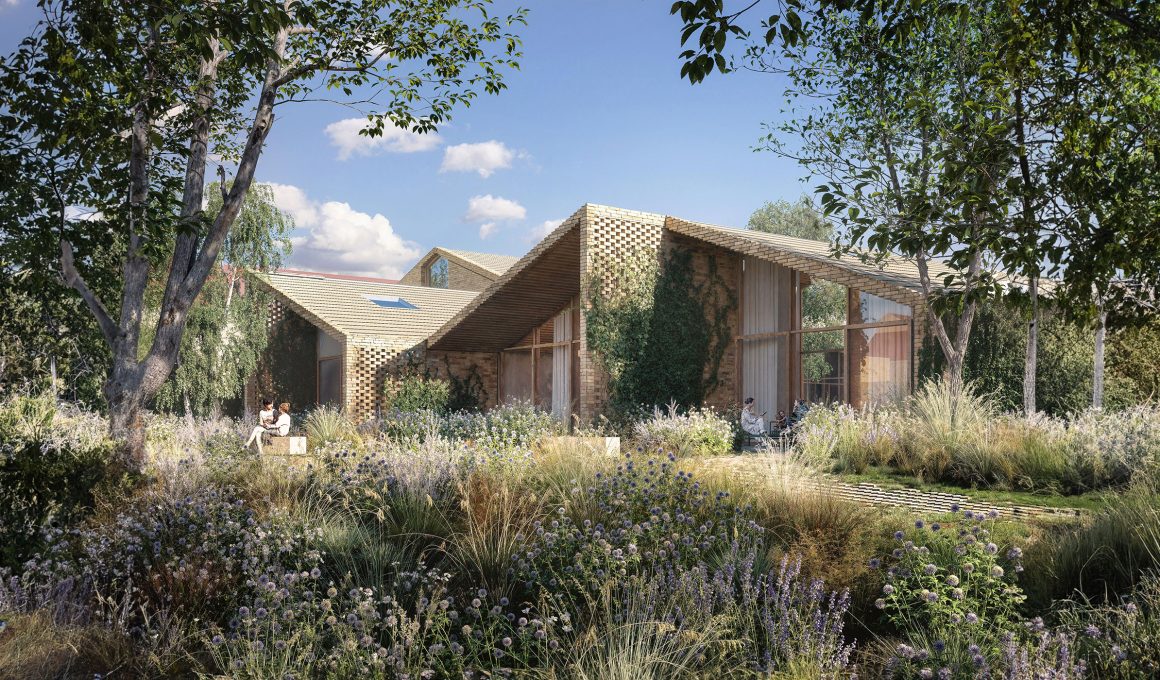
Copenhagen‘s landscape of compassionate care is poised to welcome a new paradigm: the Sankt Lukas Hospice and Lukashuset. Designed by Bjarke Ingels Group (BIG), this ambitious 8,500 m2 palliative care center promises to redefine the hospice experience, prioritizing nature, community, and the deeply personal journey of end-of-life care. Rooted in the history of the Sankt Lukas Foundation, the project, currently in development, will more than triple the existing capacity, offering a haven for approximately 2,100 patients annually, encompassing outreach hospice, Denmark’s first day hospice, and dedicated units for children, youth, and adults.
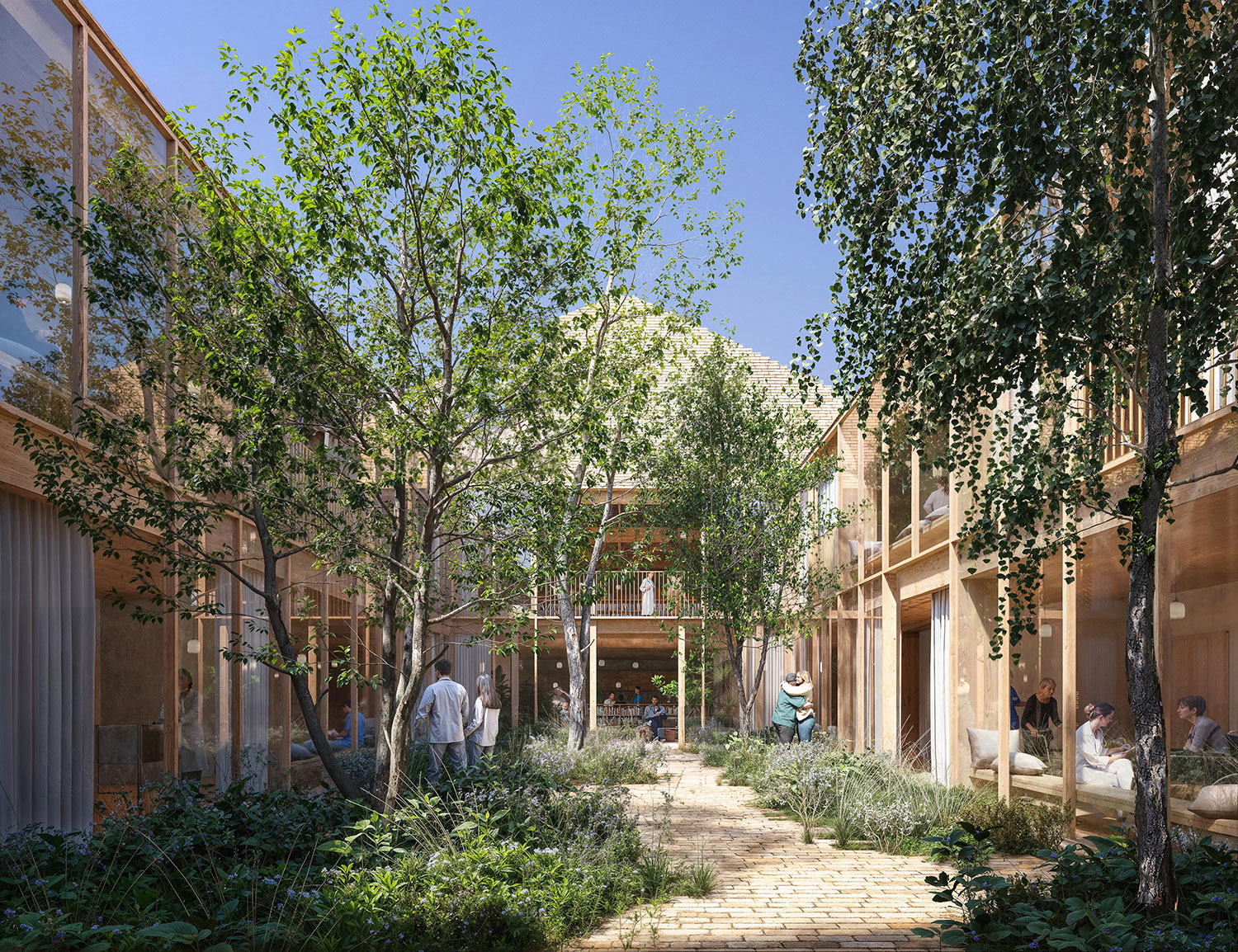
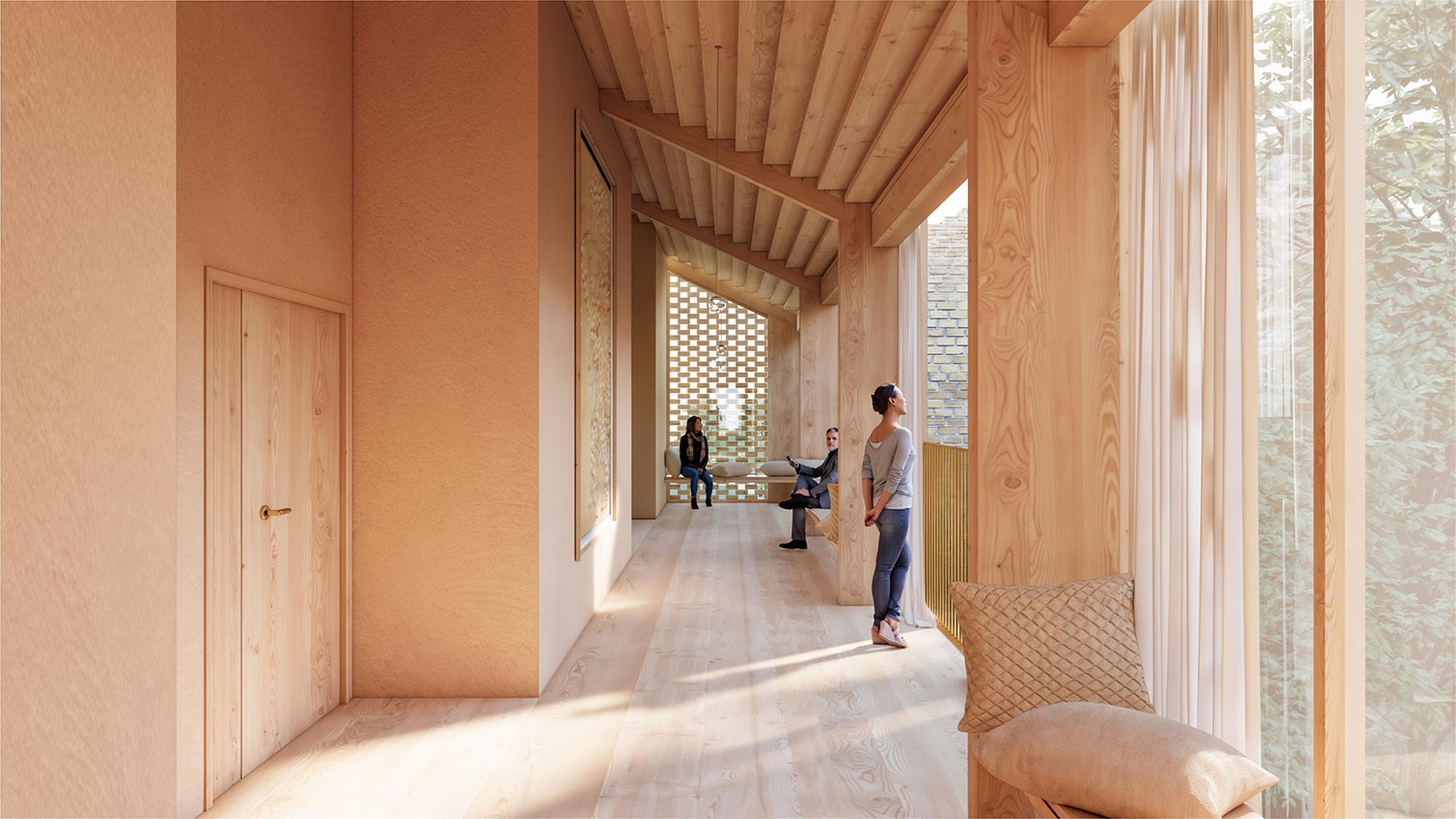
BIG‘s vision, as articulated by Bjarke Ingels, centers on creating “a peaceful and poetic environment” where tranquility and immersion in the natural world take precedence. This philosophy permeates every aspect of the proposed design, from the selection of “living materials with organic textures” like wood and burnt clay, to the unconventional layout. Instead of sterile hospital corridors, the hospice will be comprised of smaller buildings clustered around protected gardens, fostering a sense of intimacy and community – a “condensed village for life’s final days.”
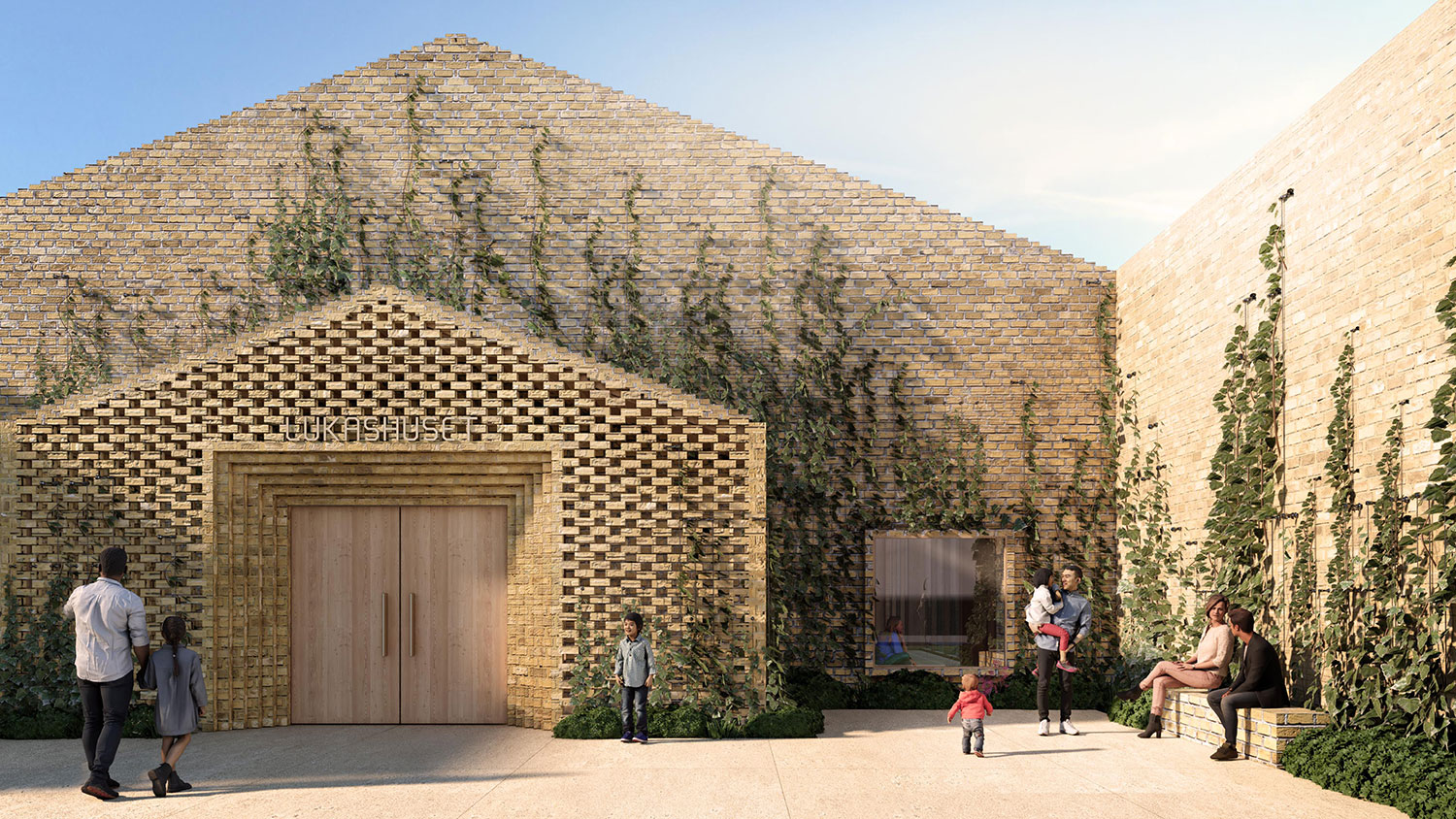
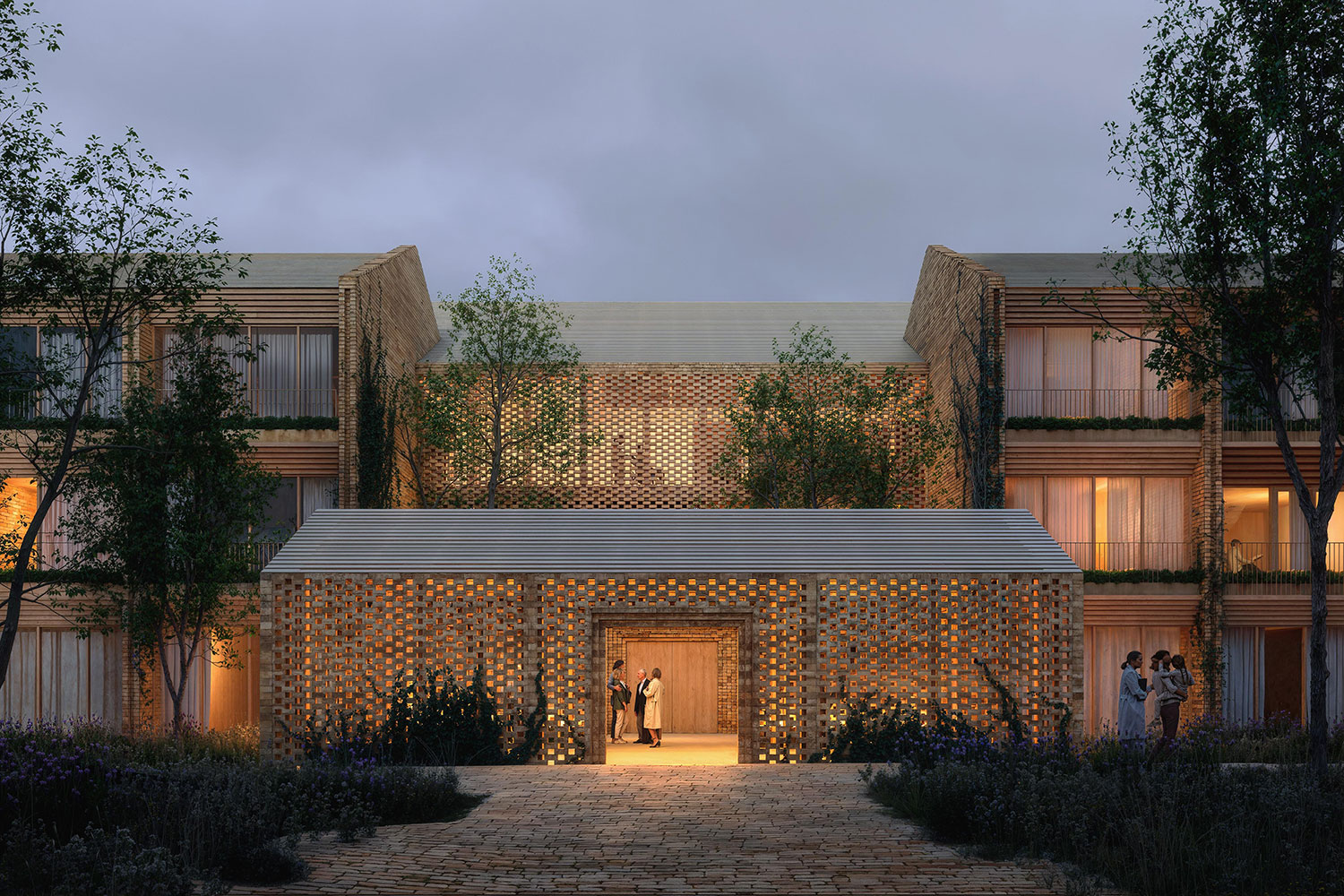
The architecture itself is envisioned to speak to this ethos. Simple in form yet grand in scale, the buildings are planned to harmonize with the surrounding historic structures, echoing their pitched roofs and employing repurposed yellow bricks from the original site. This thoughtful approach aims to create a sense of continuity and belonging, grounding the new center in its historical context.
The anticipated experience within is equally transformative. Guests will be greeted by an expansive foyer that unveils a stunning array of lush courtyard gardens. These vibrant green spaces are designed to be an essential part of the hospice experience, seamlessly merging the indoors with the outdoors. Centrally located heart spaces in both Lukashuset and the adult hospice will act as communal hubs, nurturing a sense of community and shared connection among visitors.
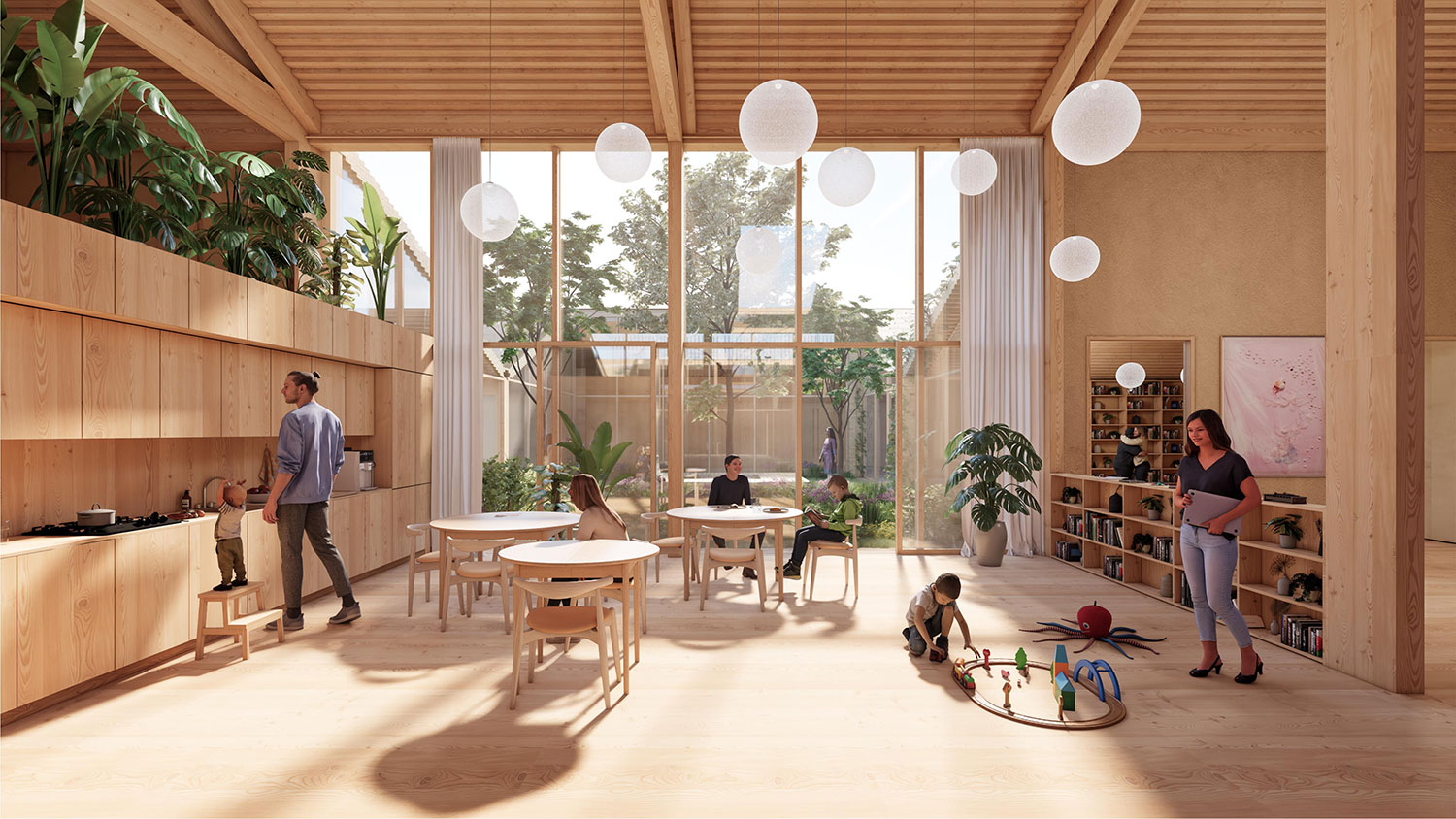
Inside Lukashuset, family rooms will strike a harmonious balance between privacy and togetherness, complemented by activity spaces that encourage both play and contemplation. In the adult hospice, larger common areas will be available for gatherings and events, providing ample opportunity for connection and celebration among guests.
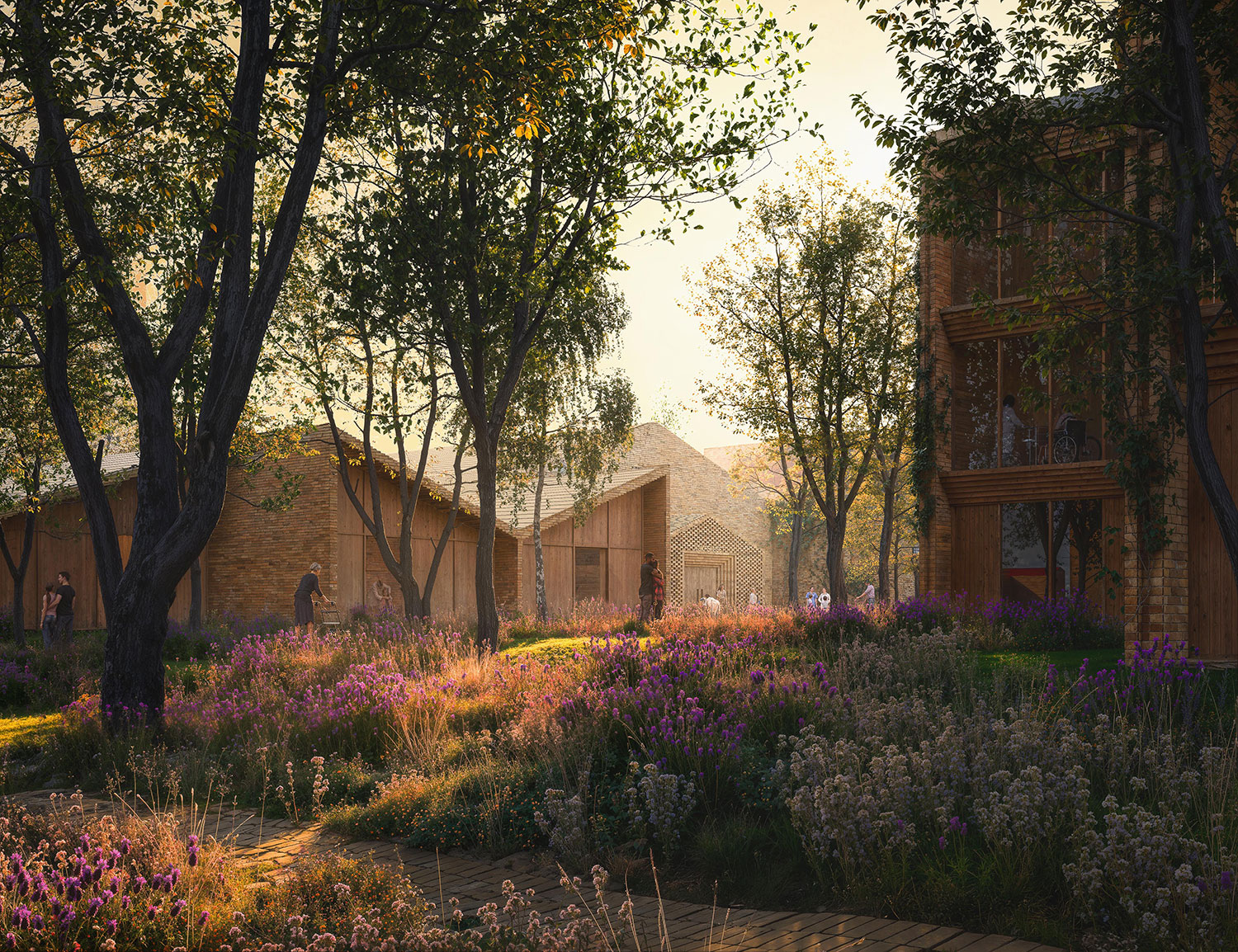
The landscape surrounding the buildings is conceived as more than just scenery; it’s an integral part of the healing process. Planned as a series of interconnected environments, the grounds will feature open lawns, intimate gardens, a sensory garden, and winding paths that meander through trees and plantings. A wild grass meadow, seasonal flowering plants, and gardens inspired by Danish landscapes will create a rich tapestry of natural beauty. A rainwater pond will not only enhance biodiversity, attracting local flora and fauna, but also provide a focal point for contemplation. Benches and small niches nestled along the pathways will offer quiet moments for patients, families, and staff to pause and reflect.
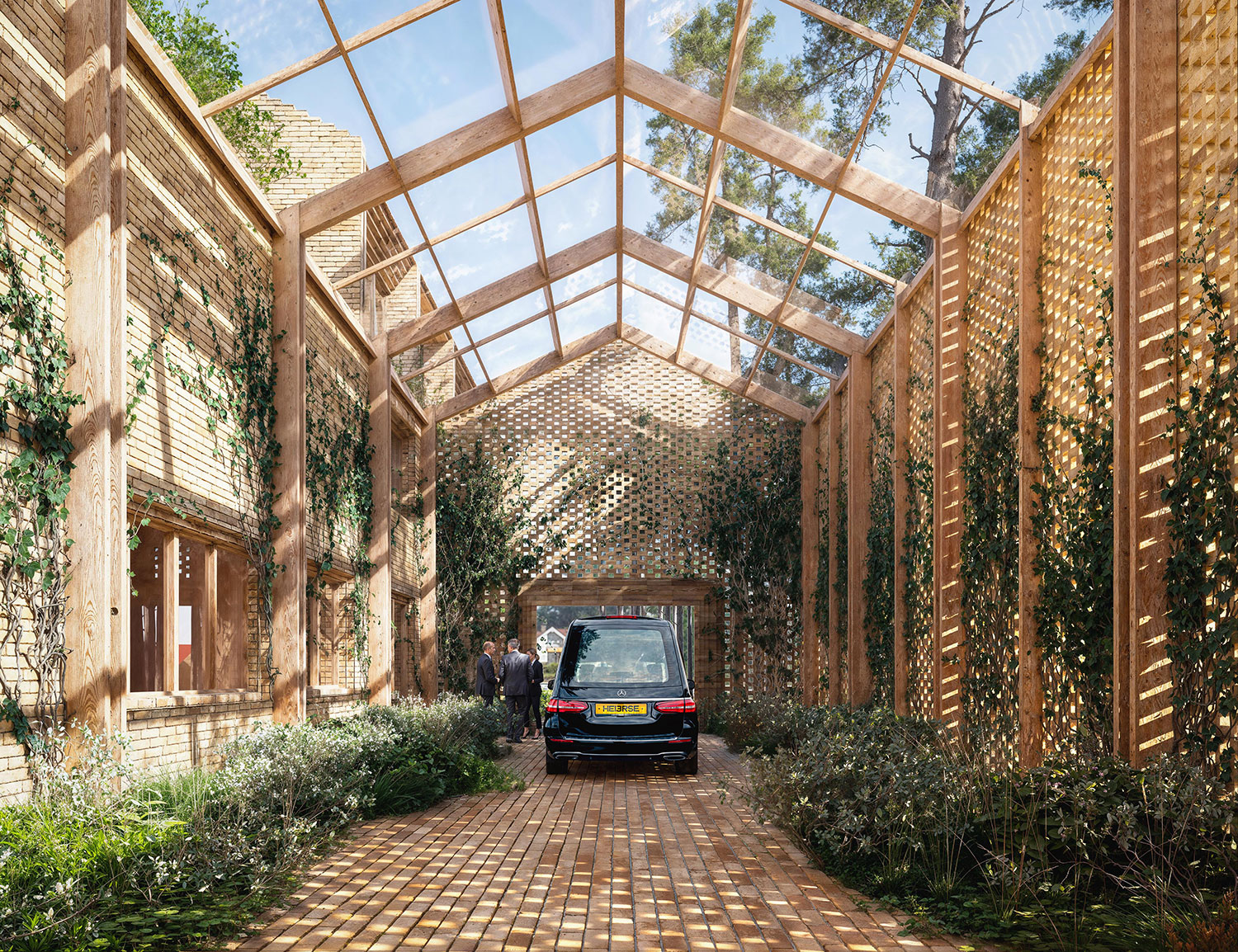
Perhaps the most poignant element of the design is the envisioned farewell garden. Located at the western end of the hospice within a woodland-inspired atrium, this space will provide a peaceful setting for final moments. With its open view of the sky, the garden will offer a symbolic connection to the infinite, a quiet and contemplative space for farewells.
The Sankt Lukas Hospice and Lukashuset, as it is currently envisioned, promises to be more than just a healthcare facility; it’s a testament to the power of architecture to create spaces of comfort, dignity, and connection in the face of life’s most challenging moments. BIG’s design, still to be realized, transcends the functional, offering a profound and moving experience for patients, families, and staff alike. It’s a place where nature, community, and thoughtful design will converge to create a true sanctuary.