


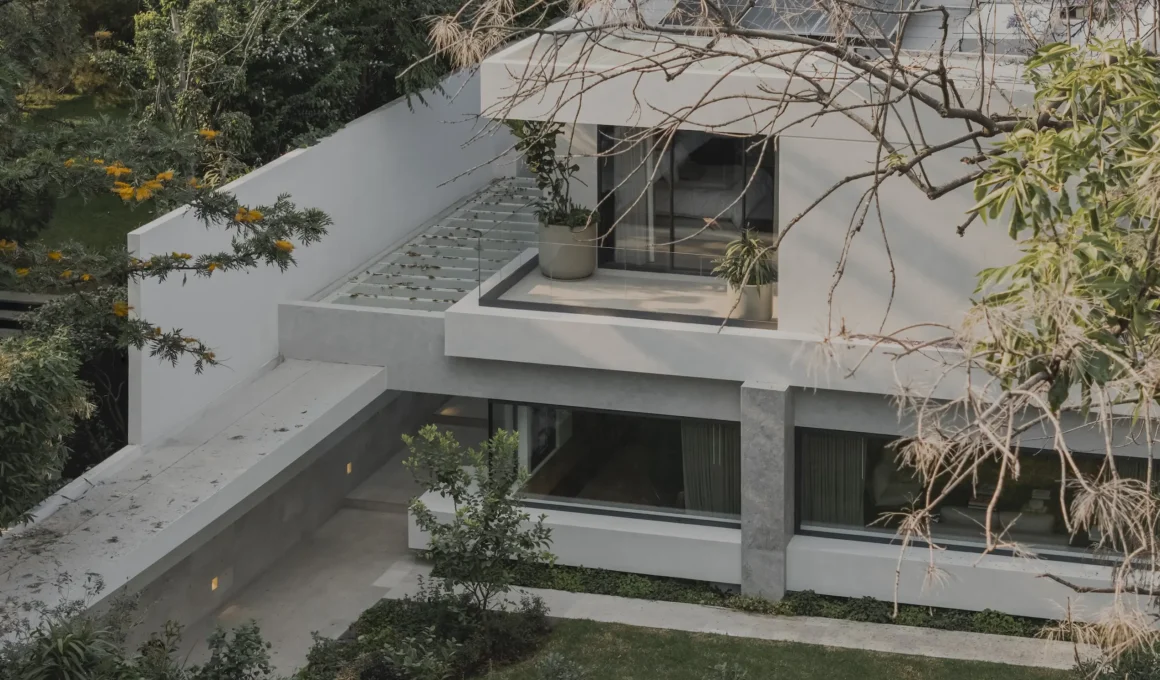
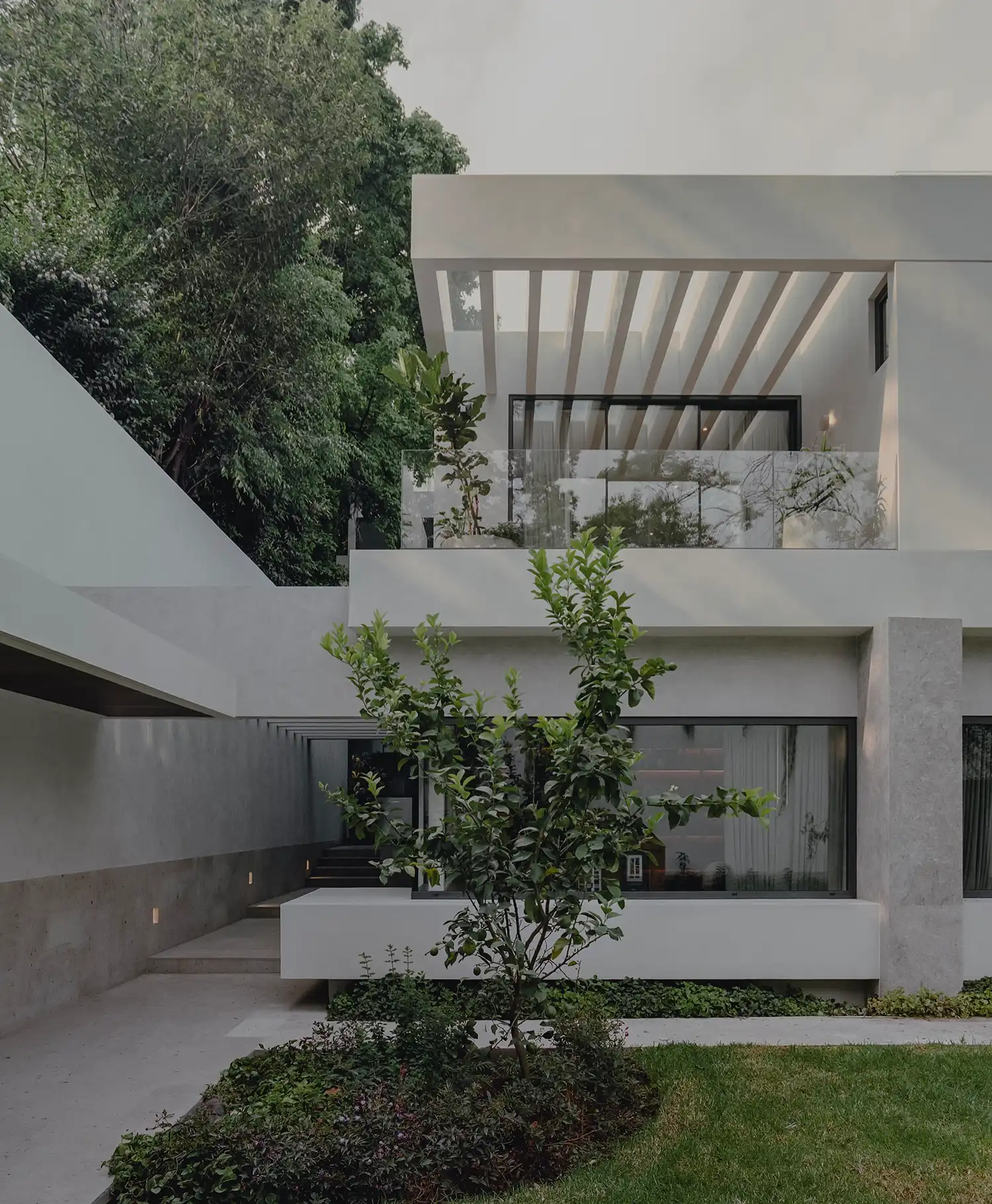
In the renovation of the CDLA House in Mexico City, CAAM Arquitectos pursued a strategy of respectful transformation, retaining the original sober volumetry of the façade while entirely reconfiguring the interior to prioritize a contemporary logic of light and fluid continuity.
The conceptual vision of the project began with a renovation where the existing volume was treated not as a constraint, but as a foundation for a new identity. By preserving the original exterior, the studio maintained a silent dialogue with the neighborhood, focusing their intervention on a radical reorganization of the internal layout. This approach prioritizes a sense of continuity that was previously absent, allowing the dwelling to breathe through a sequence of interconnected spaces that respond to the nuances of daily life.
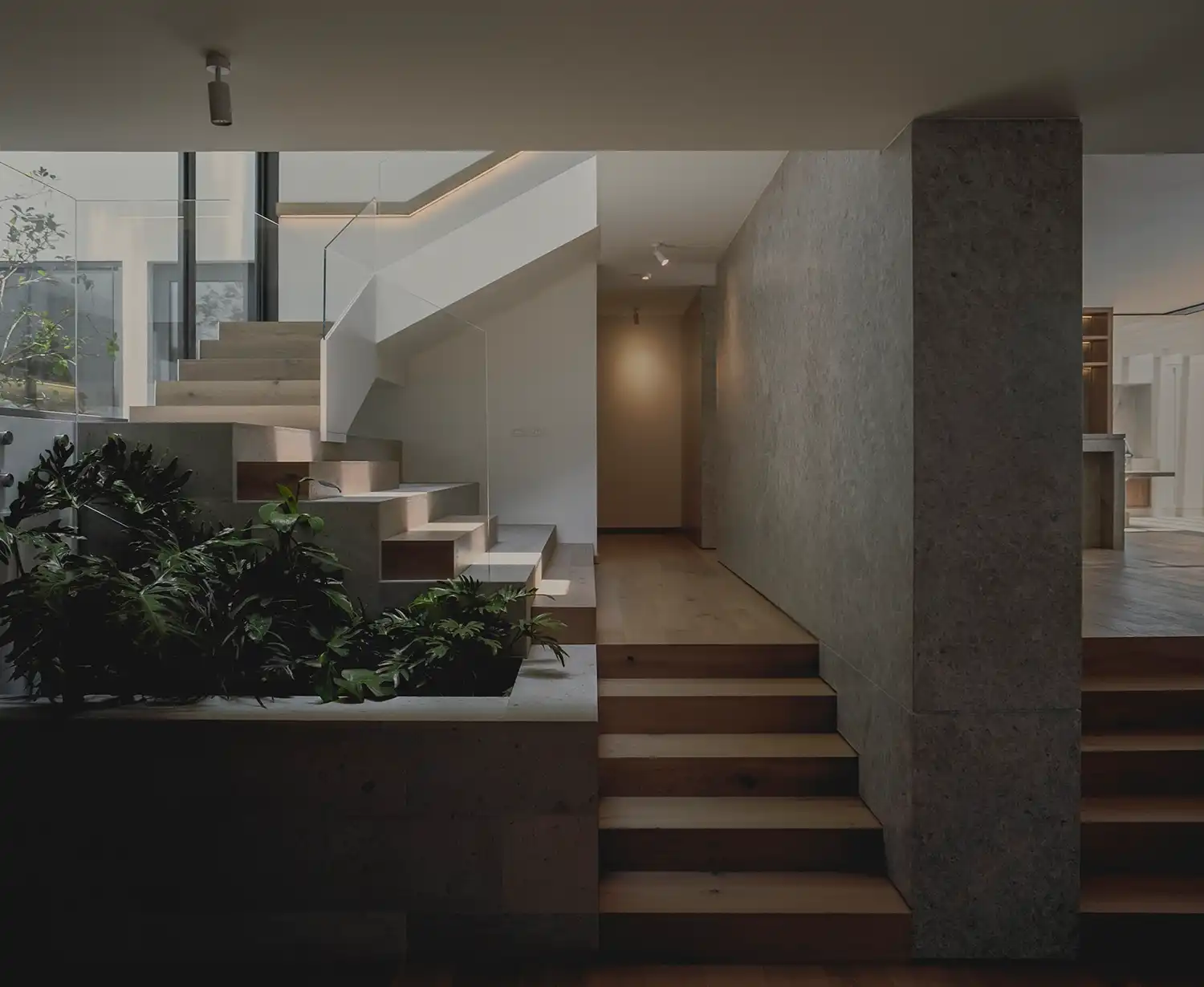
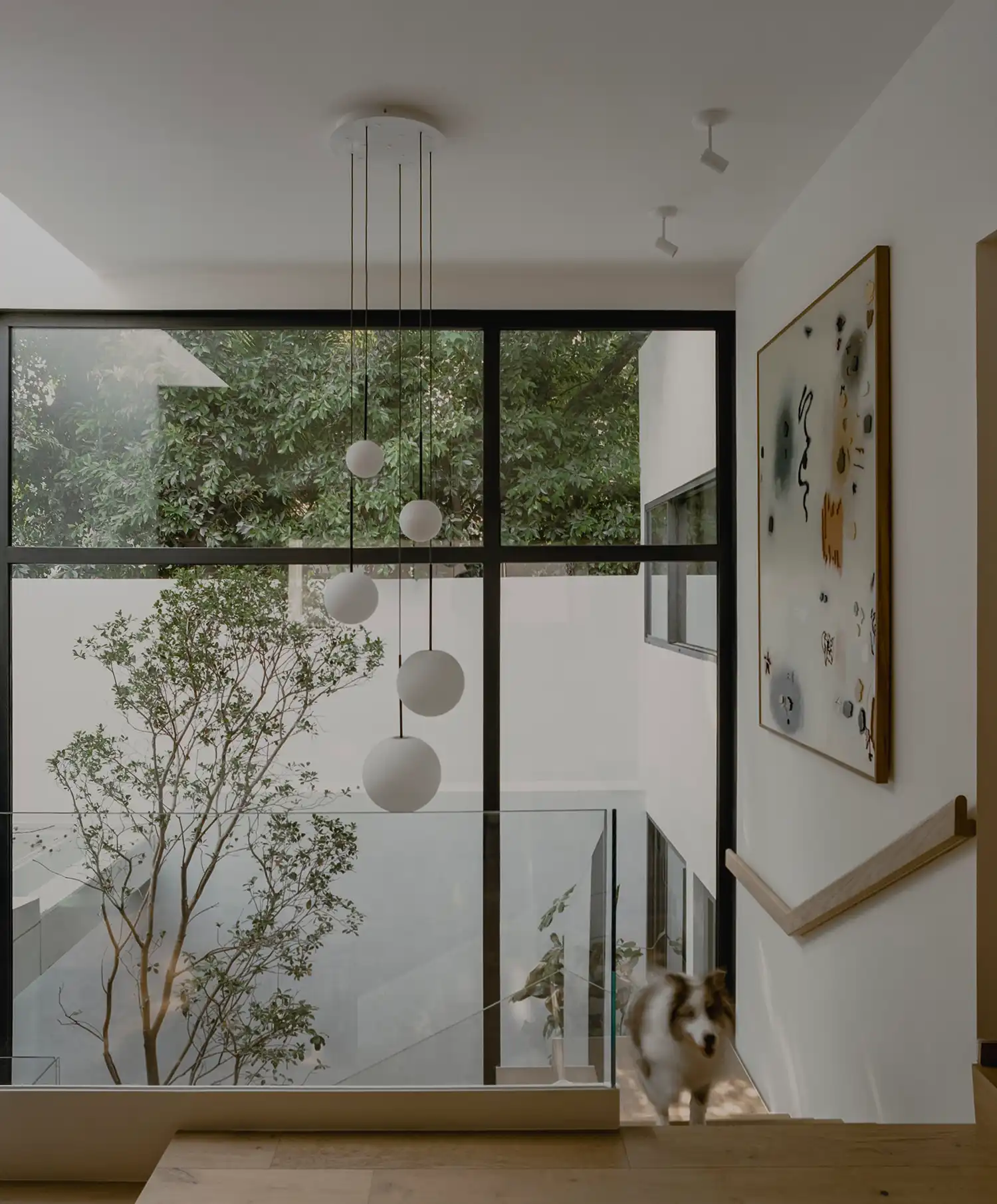
Structural and symbolic shifts anchor the new layout, specifically through the complete reimagination of the staircase. No longer just a functional element for circulation, the stairs now act as a rhythmic focal point that connects the different levels with a newfound lightness. This architectural gesture is complemented by a reorganized entrance, which sets a tone of openness the moment one crosses the threshold, guiding the eye toward the social heart of the home.
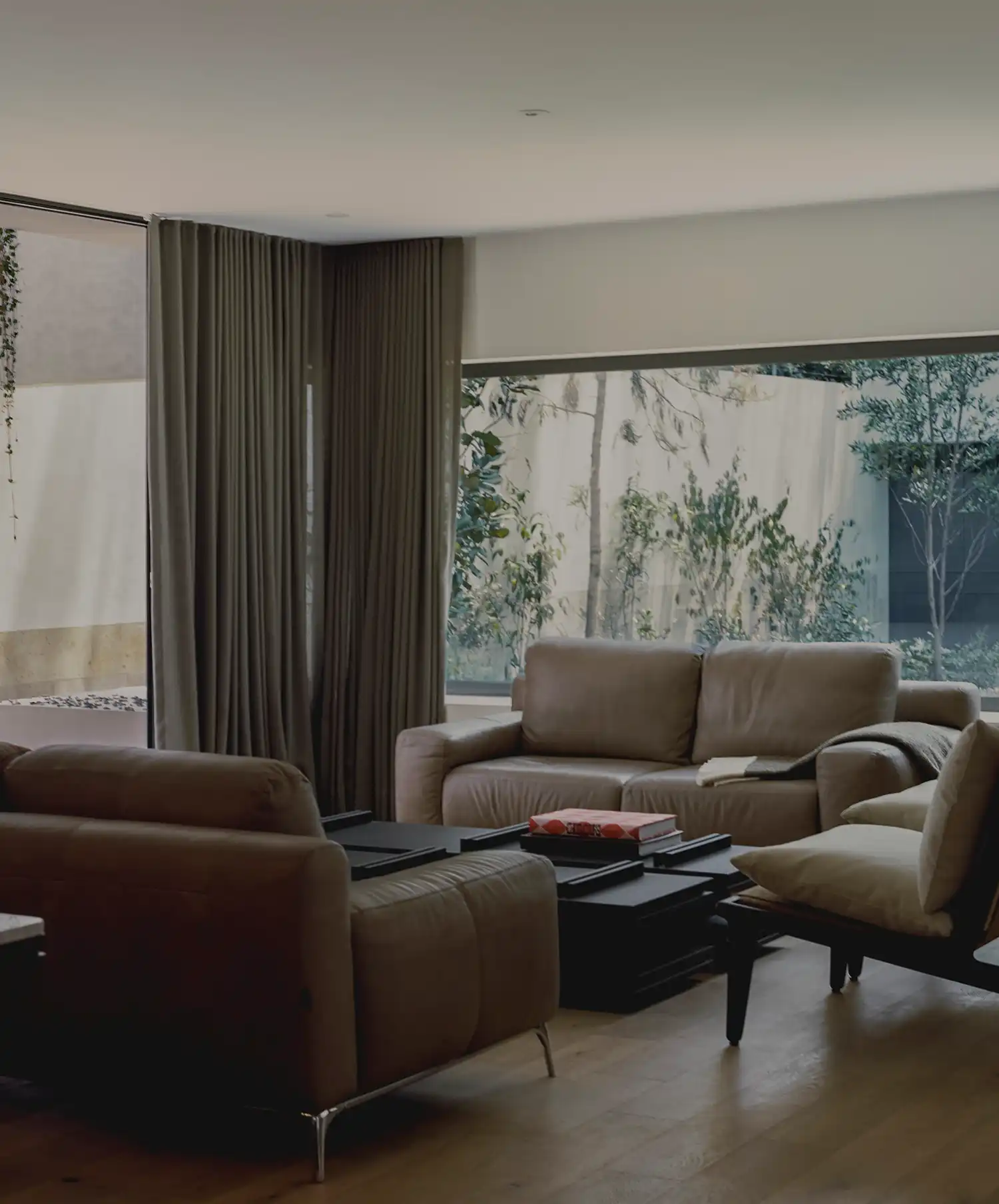
A fluid social core emerges from the seamless integration of the kitchen, TV room, and outdoor terrace. By treating the kitchen as the primary gathering point, the designers have created a domestic hub where materials like quartz and natural wood emphasize warmth. These three distinct areas function as a singular continuum, encouraging a spatial dialogue where family life can unfold without the interruption of rigid walls or traditional partitions.
The sensory experience of the interior is defined by a restrained palette of lime-plastered walls, olive accents, and earthy tones. These finishes were selected for their ability to age gracefully, capturing the changing quality of light throughout the day. The atmosphere is one of deliberate serenity, where the tactile nature of the surfaces provides a quiet backdrop to the play of shadows cast by the architectural interventions.
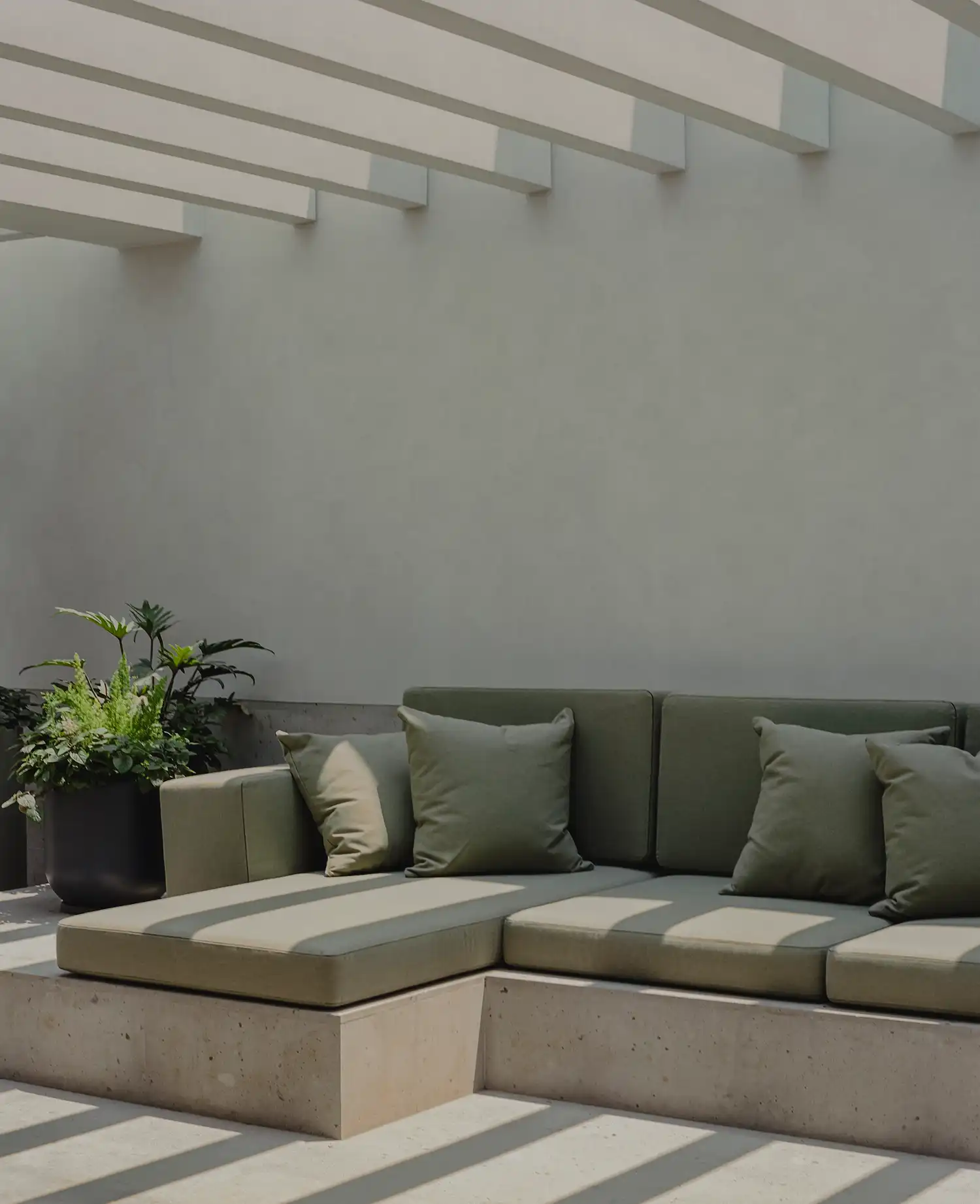
Dissolving boundaries between the interior and the garden was a primary objective of the renovation. Large sliding glass planes and horizontal openings allow the greenery to penetrate the living spaces, effectively blurring the limits of the built environment. A white, lightweight pergola extends over the terrace, filtering the intense Mexican sun into a soft, textured pattern that brings a dynamic energy to the transition between the lounge and the courtyard.
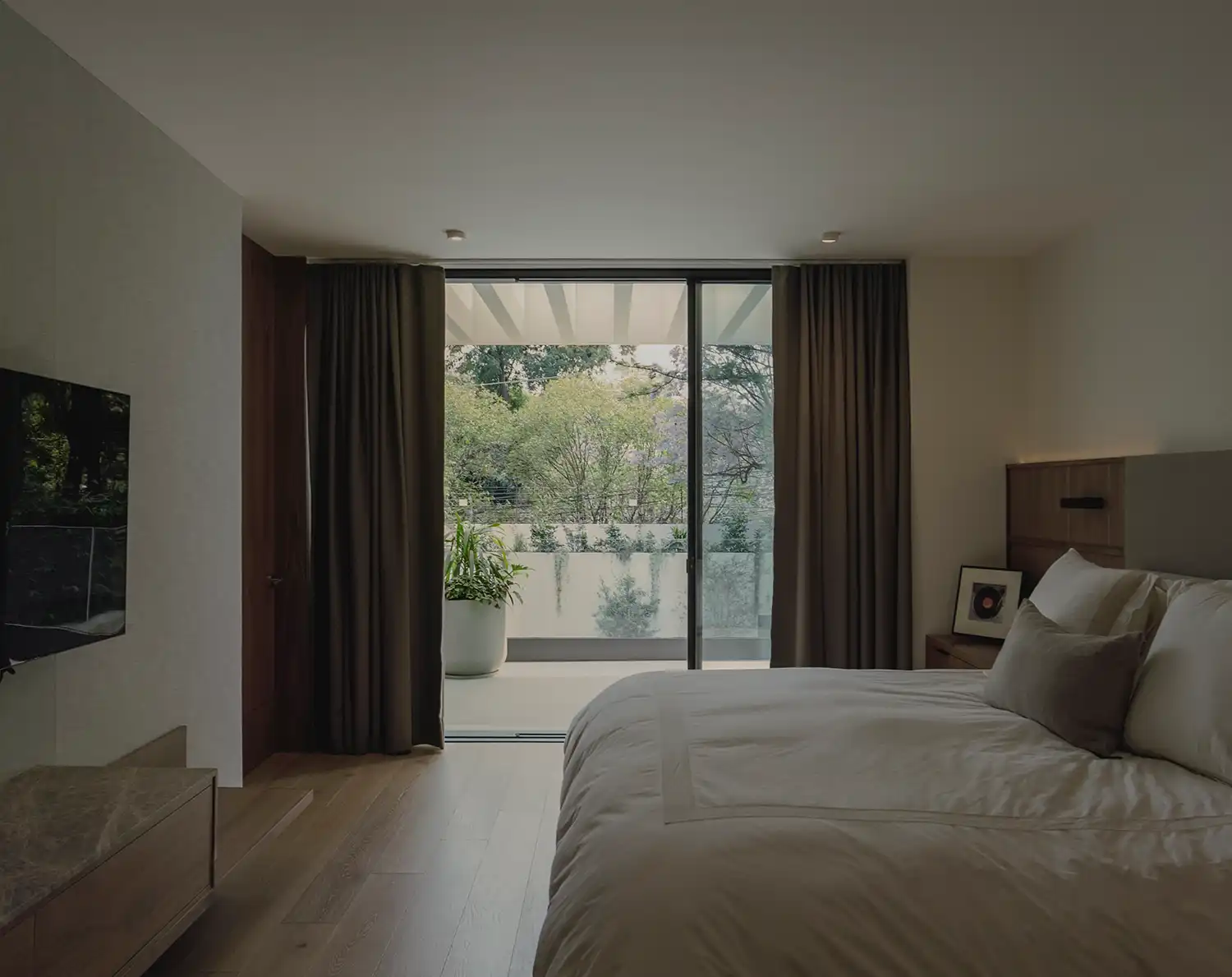
Contextual impact and detail are visible in how the low vegetation and strategic wall openings maintain privacy while fostering a sense of expansive volume. Even the most intimate corners of the house benefit from this logic of transparency, ensuring that natural ventilation and visual links to the outdoors are never sacrificed. The result is a residence that feels deeply rooted in its location yet entirely updated for a modern lifestyle, proving that renewal does not require the erasure of history.
A legacy of Mediterranean-inspired modernism is often felt in the studio’s work, characterized by a mastery of light and shadow. This philosophy is equally evident in other projects by the firm, such as their curved ocean-view villas in Zihuatanejo, where the connection to the landscape dictates the form. In CDLA House, this same sensitivity is applied to an urban setting, achieving a delicate balance between the memory of the existing structure and the forward-looking gestures of a thoughtful renovation.