

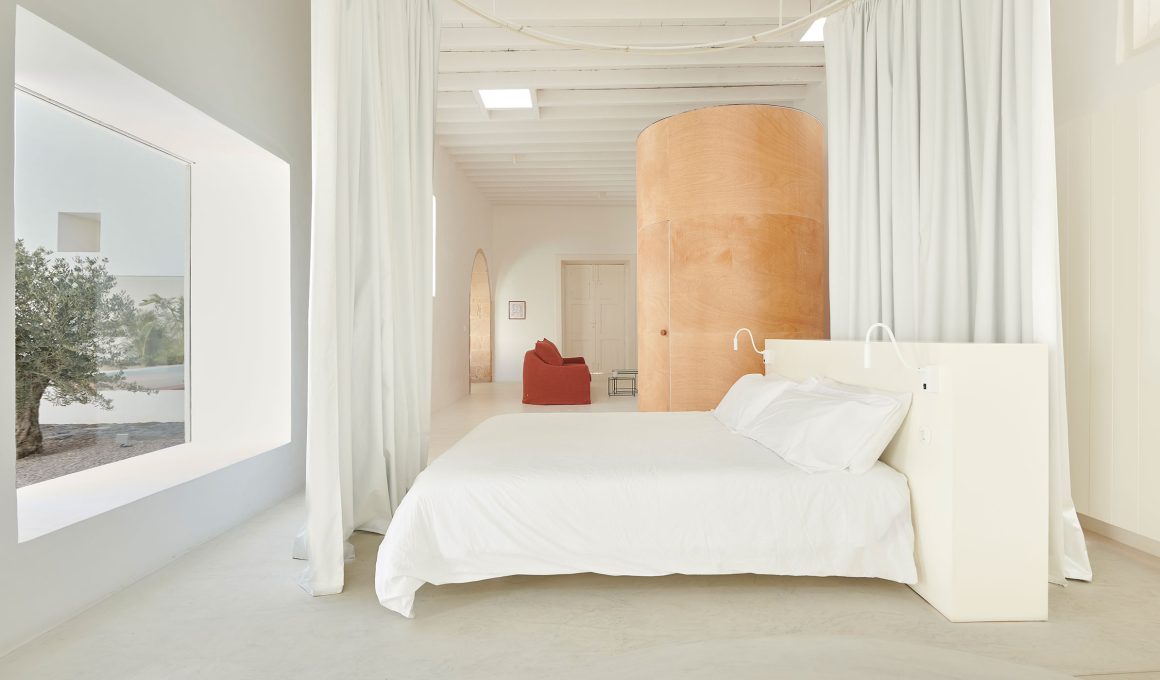
Casa Montelongo, a newly reimagined 19th-century residence in La Oliva, Fuerteventura, Spain, offers more than just accommodation; it presents an architectural experience. Designed by Néstor Pérez Batista, this former home of a prominent local family has been transformed into two self-catering units that seamlessly blend history, modernity, and the island’s unique landscape. The result is a haven for art and architecture, where the boundaries between inside and out dissolve, fostering a sense of serene contemplation.
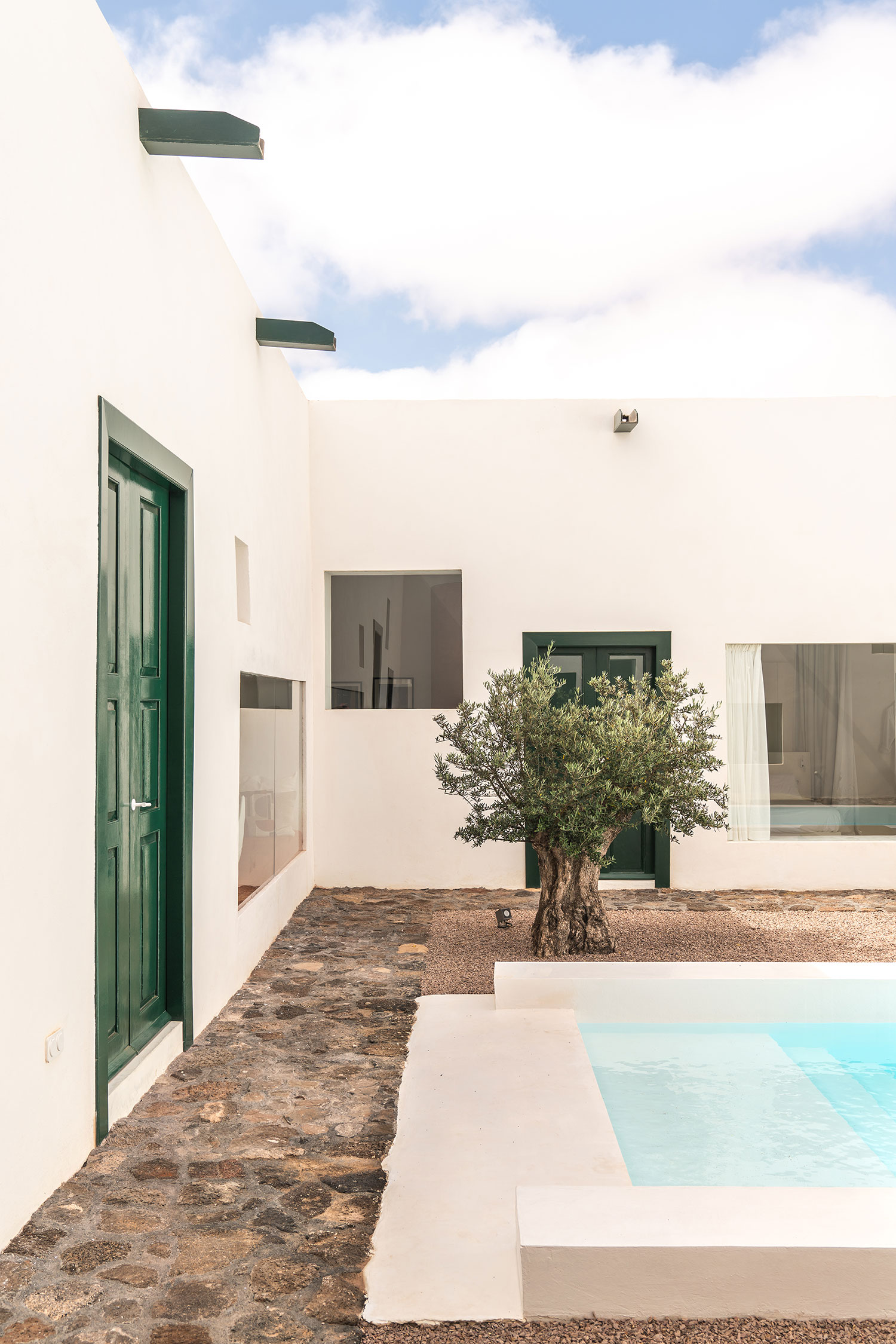
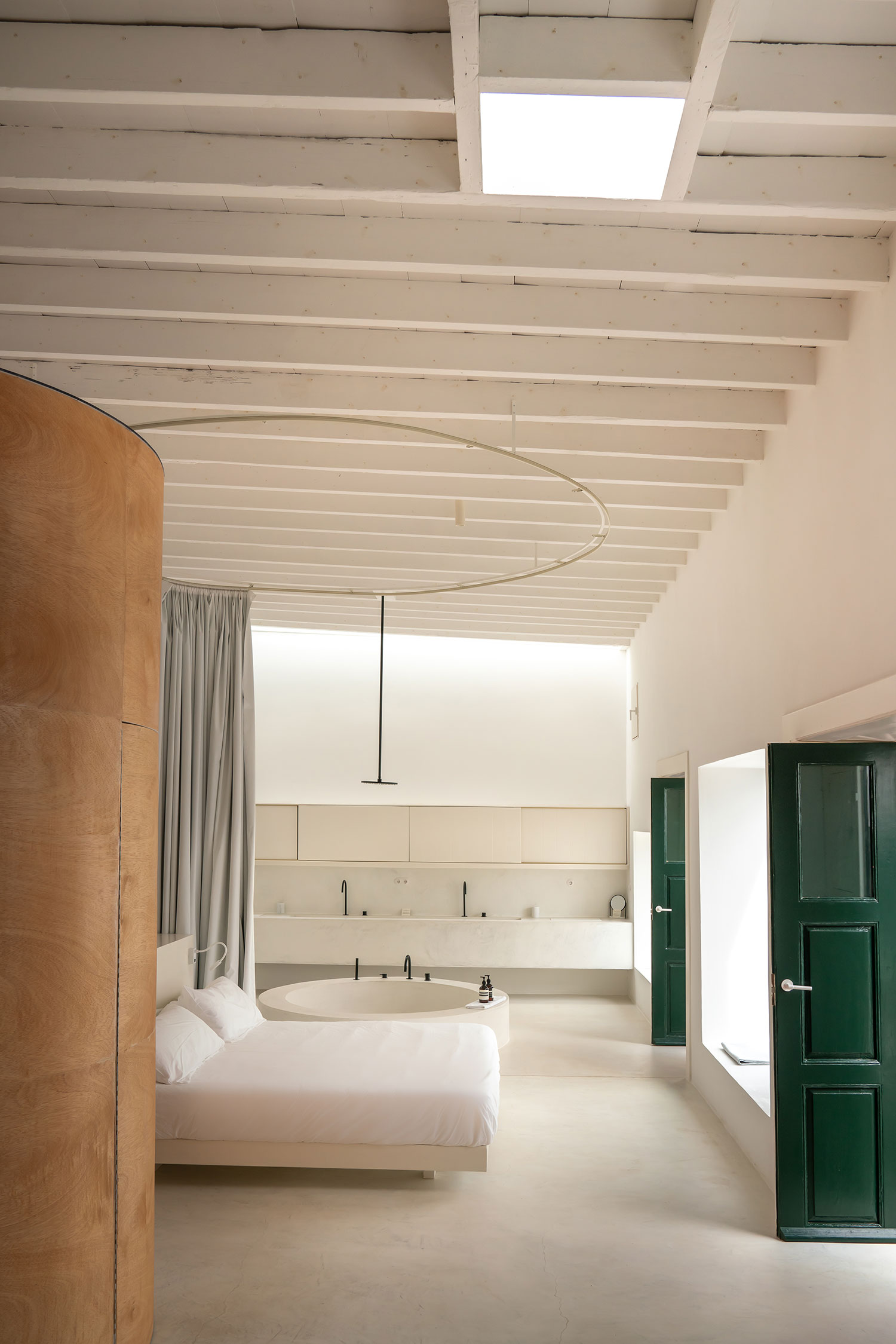
Located in the heart of northern Fuerteventura, Casa Montelongo occupies a central position within La Oliva. The renovation respects the building’s historical fabric, utilizing local materials such as stone, wood, clay, lime, and glass to create a harmonious dialogue between the past and present. The original structure, encompassing both a family home and a former theatre, has been cleverly divided into two distinct yet interconnected units. These can be rented individually or together, separated by a long, rectangular shared pool that acts as a central unifying element.
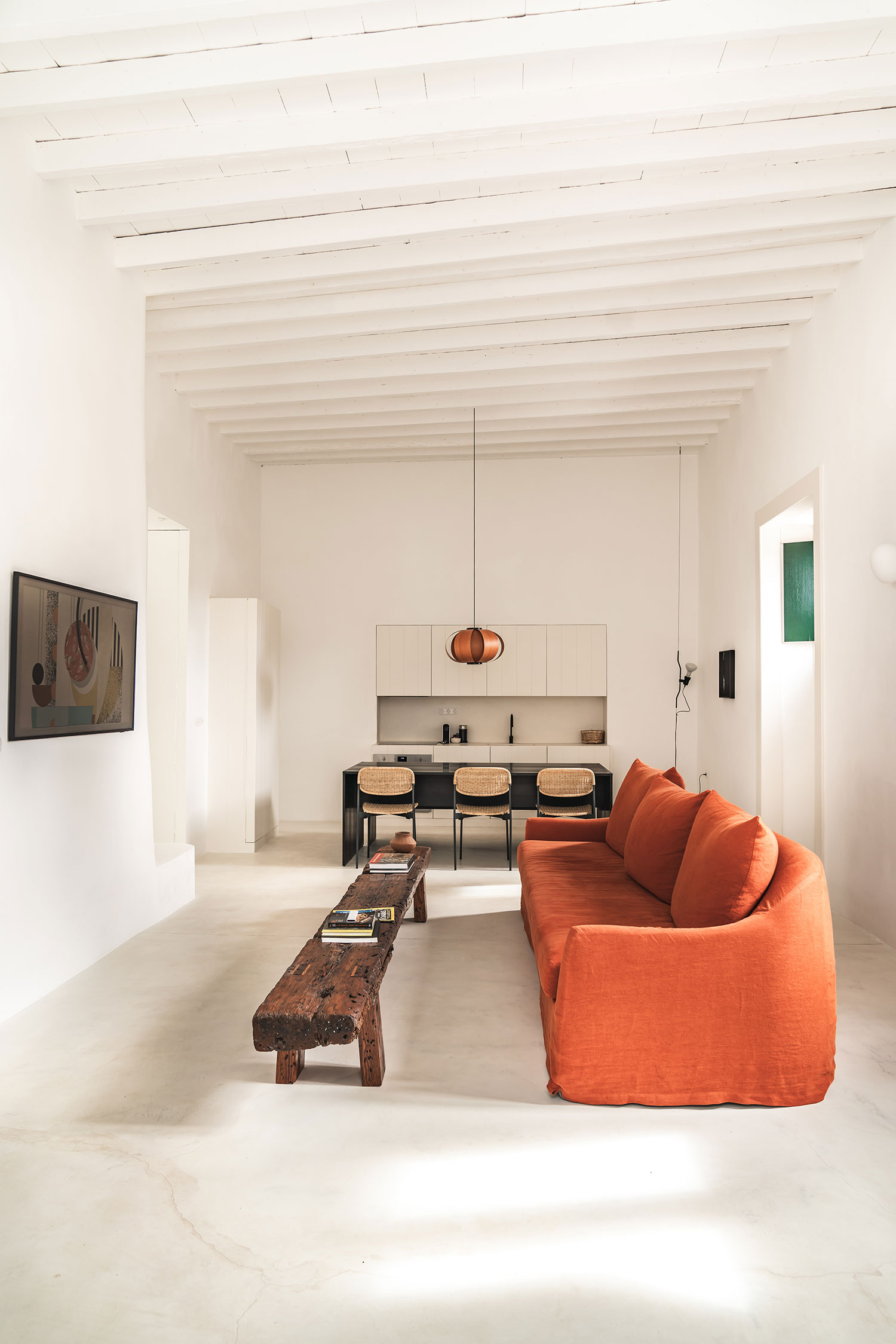
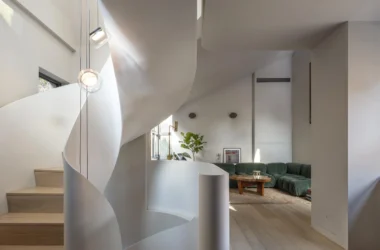
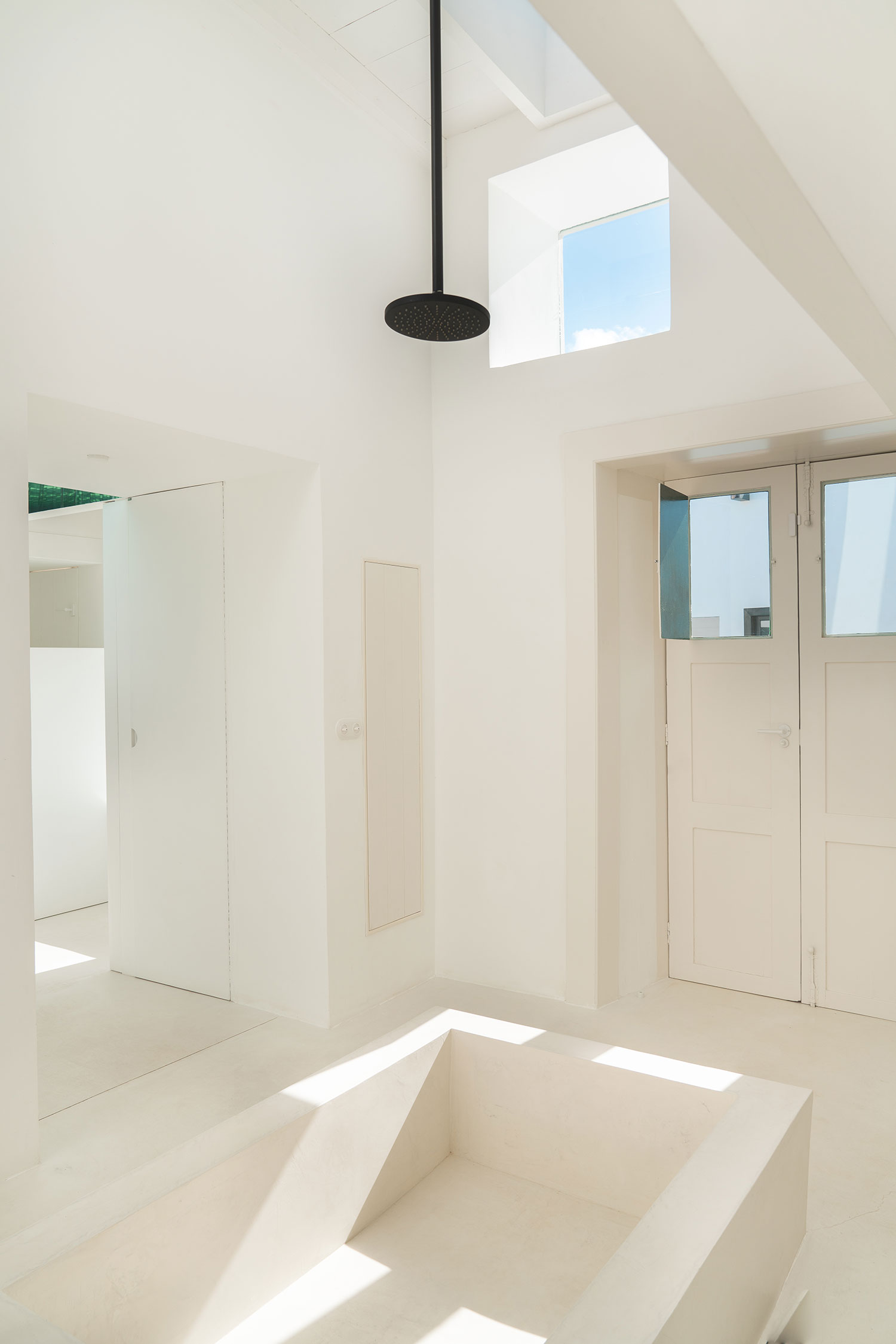
The design ethos prioritizes minimalism, with clean lines and a restrained aesthetic contributing to an atmosphere of tranquility. Natural light floods the interiors, promoting a sense of transparency and spaciousness. This emphasis on light and openness is crucial to the design’s success, blurring the distinction between the internal spaces and the surrounding environment. This connection is further emphasized by strategic openings in the interior facades, linking each room directly to the central patio. This deliberate strategy extends the living space outwards, effectively making the patio an integral part of each unit.
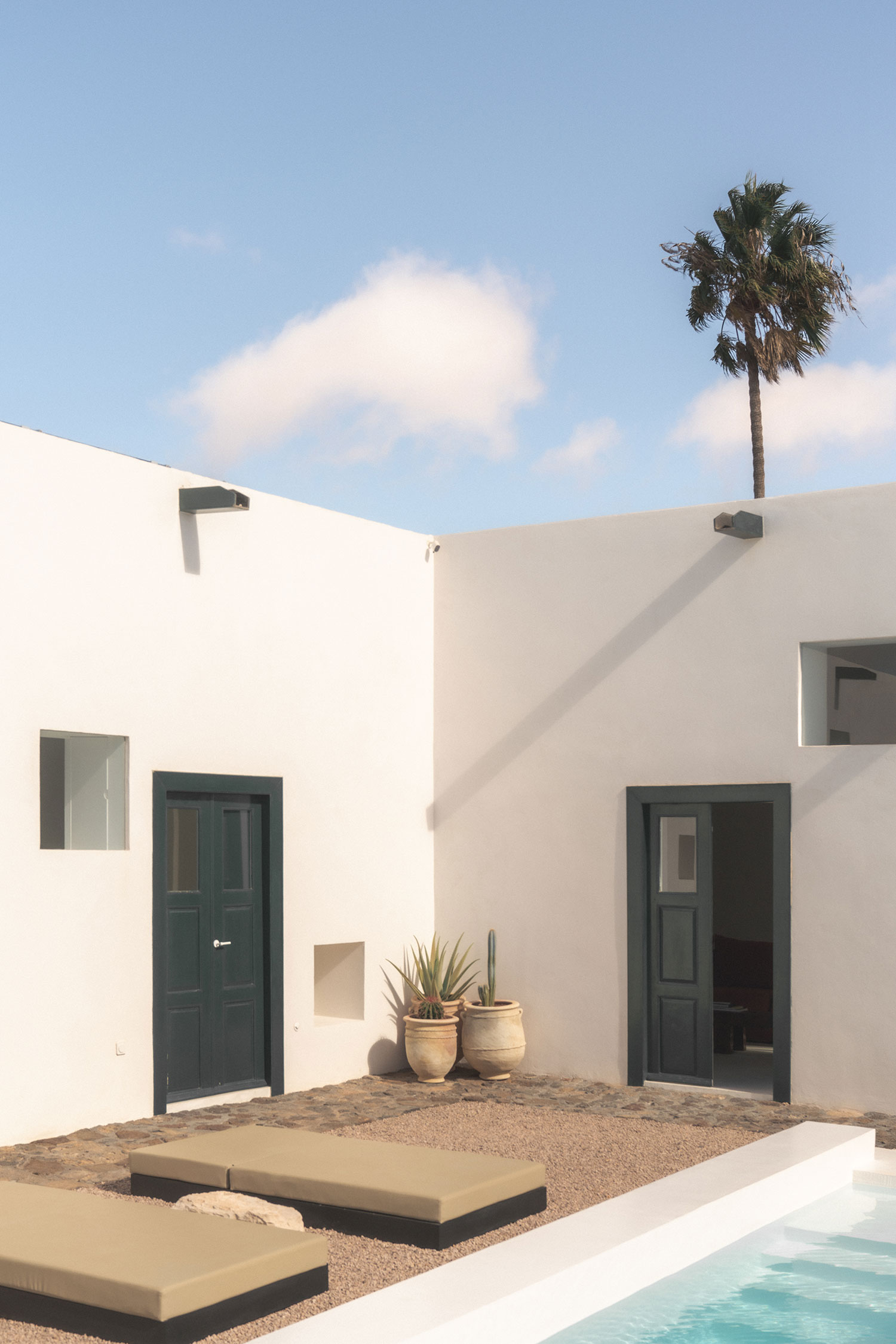
The project’s development centered on the relationship between the house and its patio within the urban context. The design prioritizes a strong connection between the interior rooms and the outdoor space. Each space has been carefully considered, not only individually, but also in relation to its connection to the patio. The openings in the interior facades reinforce this connection, maintaining spatial continuity and fluid relationships with the external space. This approach integrates the outdoor areas as extensions of the living spaces within both units.
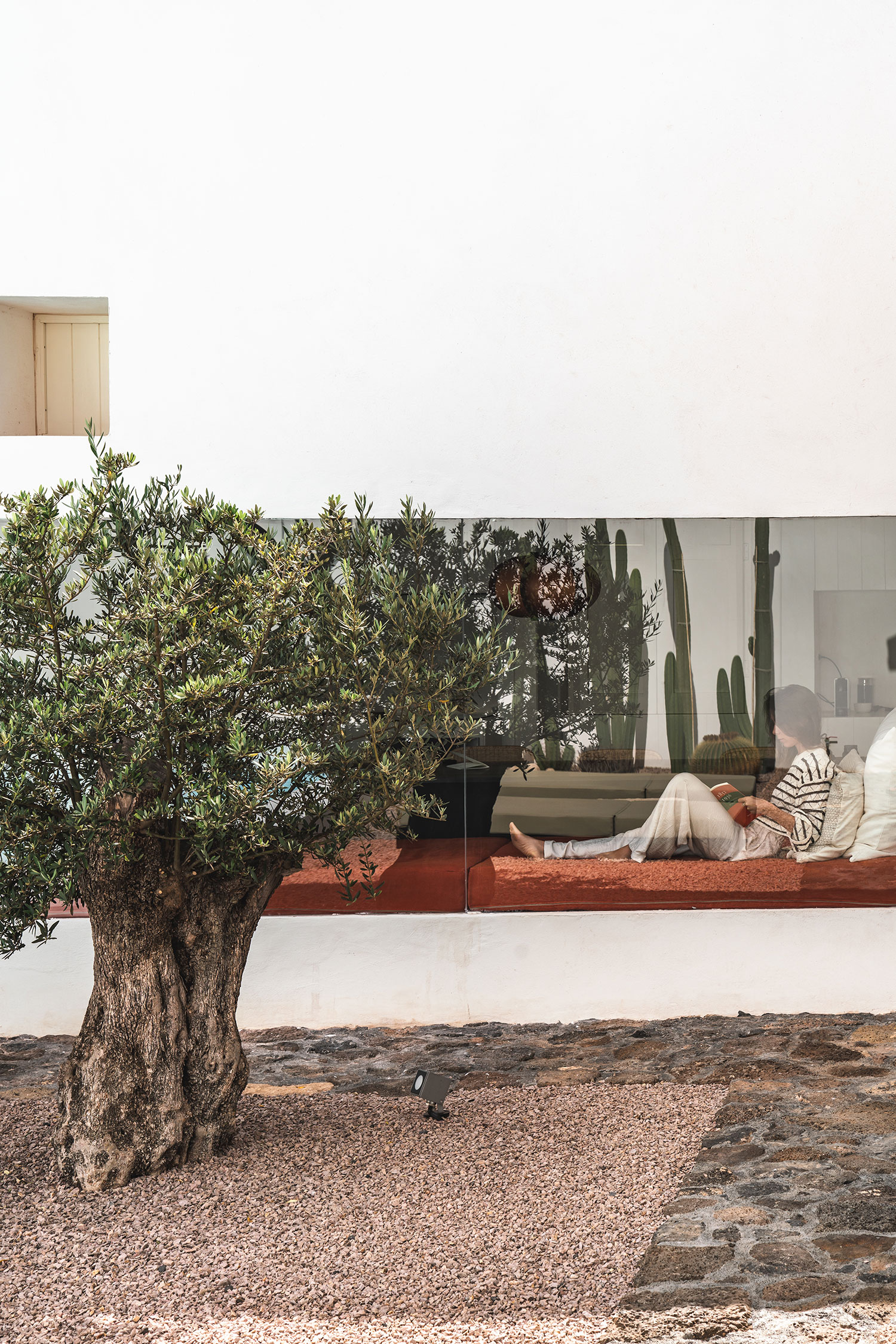
The architects paid close attention to details such as lighting, spatial geometry, thermal comfort, and privacy. These elements combine to create a cohesive experience, offering a range of spatial characteristics and a feeling of seclusion conducive to reflection and relaxation. The result is an environment that encourages a sense of “nowhere,” a place apart, ideal for contemplation and a quiet enjoyment of the present moment.
Complementing the architecture is a site-specific sculpture by Óscar Latuag. This work serves as a visual tribute to Fuerteventura’s natural heritage, drawing inspiration from cochineal, orchilla, and barilla stone – materials traditionally used for pigment production. The sculpture’s abstract forms evoke local flora, such as lichen, prickly pear, and penca leaves, grounding it firmly in the island’s environment. The ever-changing interplay of sunlight and shadow across the sculpture’s intricate surfaces creates a dynamic visual experience that evolves throughout the day, adding another layer of artistic depth to the space. Latuag, a multidisciplinary artist from Tenerife, masterfully integrates the sculpture into the architectural narrative of Casa Montelongo.
Casa Montelongo is more than a hotel; it is an architectural intervention that celebrates the history and natural beauty of Fuerteventura. By carefully blending tradition and modernity, Néstor Pérez Batista has created a place of sanctuary, where art, architecture, and the landscape converge to offer a truly unique and immersive experience.
Beyond Fuerteventura, the Canary Islands offer a wealth of exceptional accommodations. Nestled in the vibrant heart of Las Palmas de Gran Canaria, Spain, the César Lanzarote Hotel stands as a stunning example of this.