



In Melbourne’s tightly held residential pockets, the challenge of harmoniously expanding cherished heritage homes often defines architectural ambition. Karen Abernethy Interiors and Architecture has answered this call with breathtaking ingenuity at Coil House, a project transforming a compact Edwardian cottage into a light-filled, spatially dynamic family sanctuary. This project exemplifies sophisticated modernist extension principles, proving that bold contemporary interventions can respectfully and beautifully coexist with historical fabric.
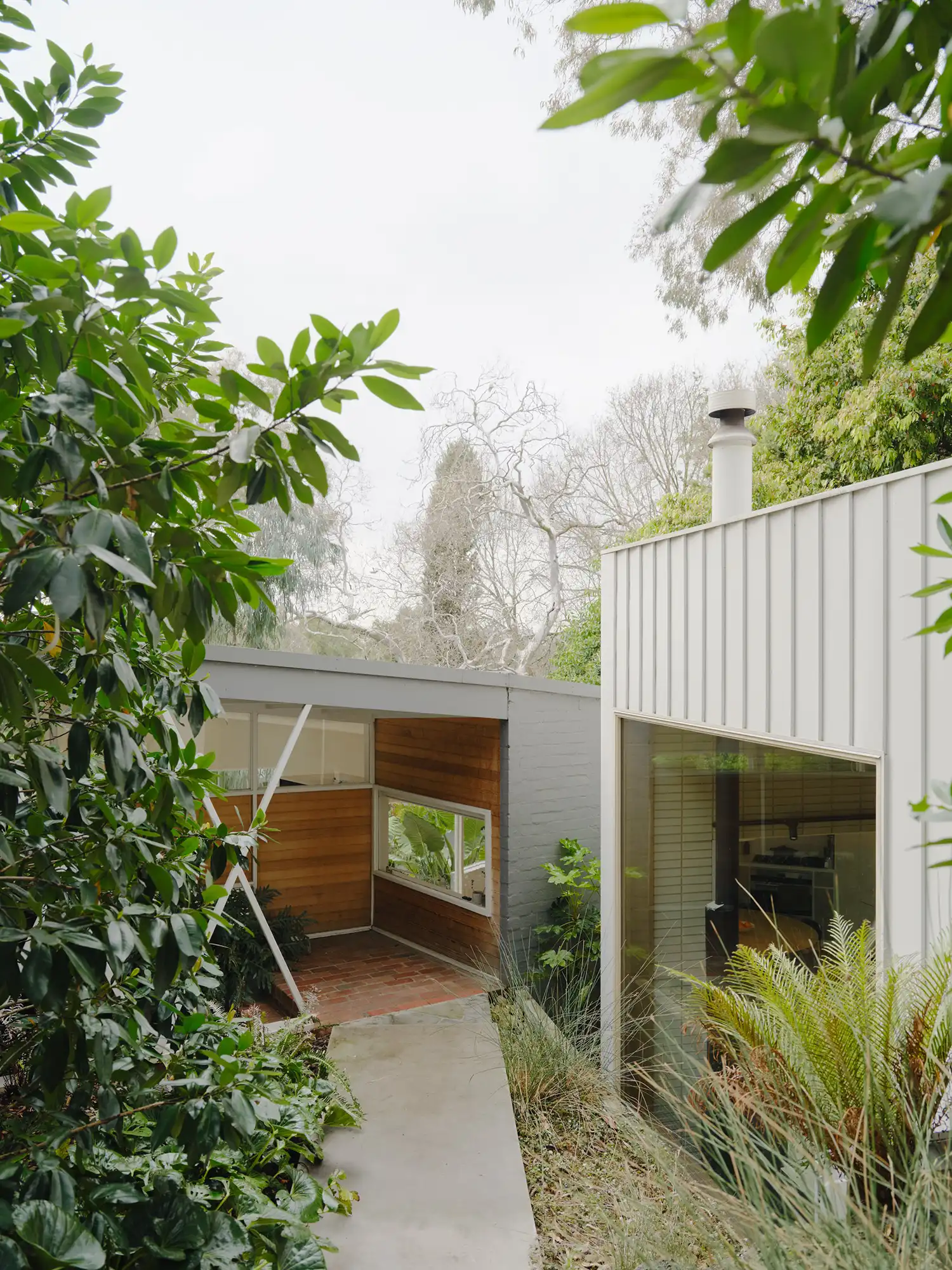
The project’s defining gesture is a striking, organically curved extension that seemingly unfurls from the original structure. This curved architectural form isn’t merely aesthetic; it’s a masterstroke of spatial planning. It strategically carves out generous, interconnected living areas while simultaneously defining intimate courtyards and framing carefully curated garden views. The result is a profound enhancement of indoor-outdoor living, a coveted aspect of the Australian residential design ethos, achieved on a constrained suburban plot.
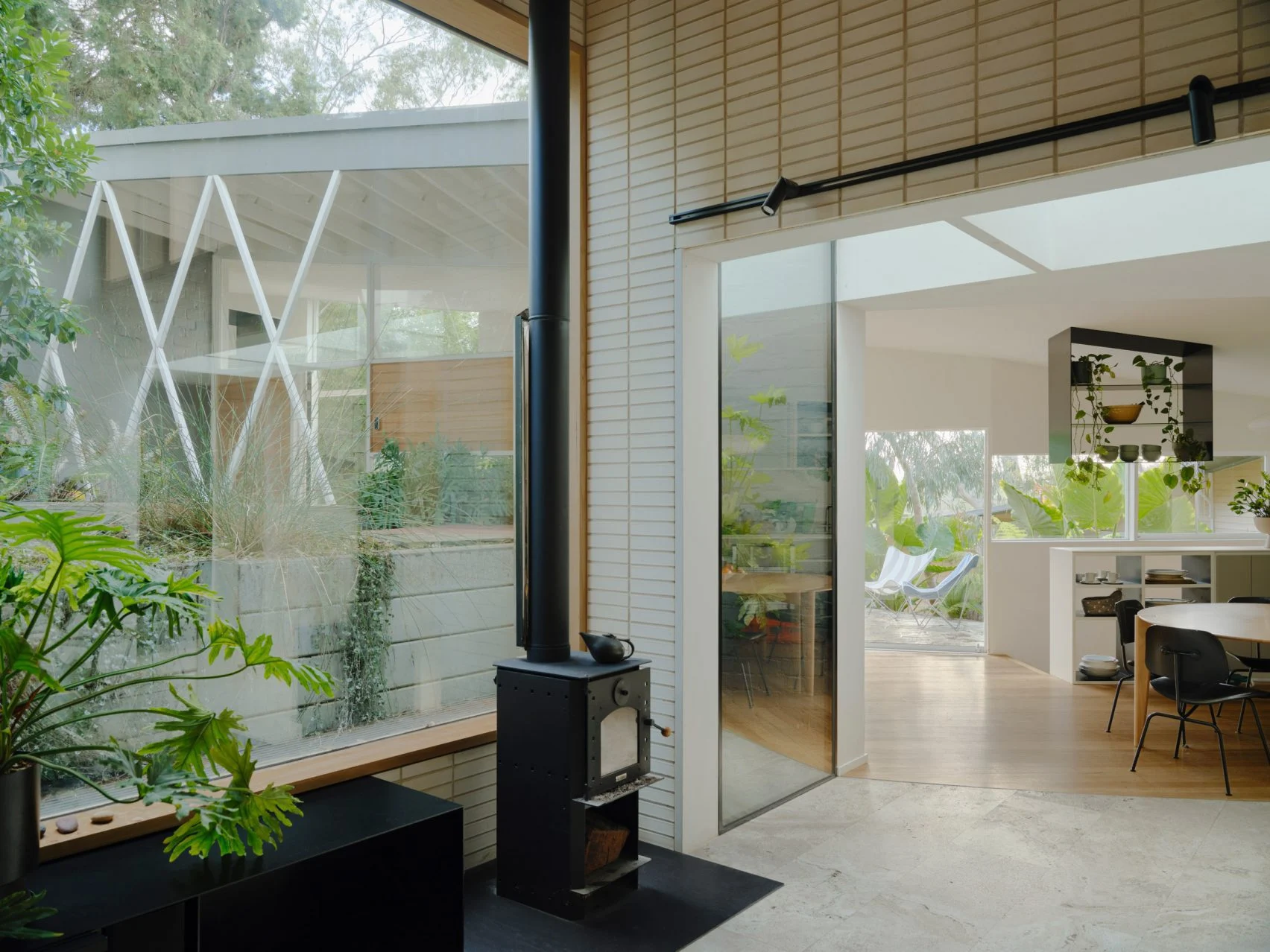
Materiality plays a crucial role in grounding the design. Karen Abernethy Interiors and Architectureemployed a palette of robust, honest materials that age gracefully. Recycled brickwork provides a textural link to the past and exceptional thermal mass, while concrete flooring offers continuity and coolness underfoot. Sleek steel-framed glazing forms vast apertures, dissolving boundaries and flooding the interior with natural light, a hallmark of modernist design. The juxtaposition of these materials – the weight of brick and concrete against the lightness of glass and steel – creates a compelling dialogue between solidity and transparency.
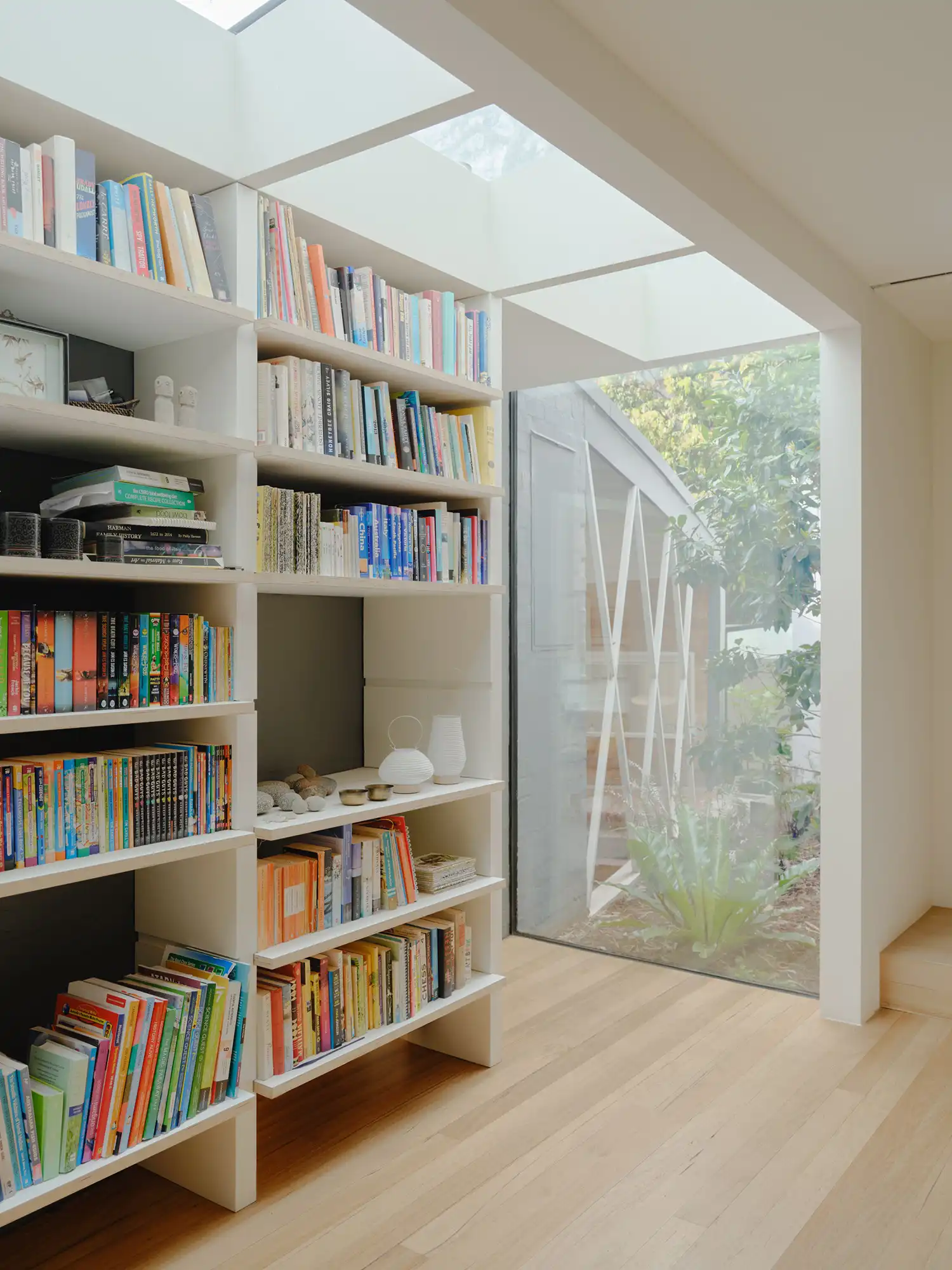
Crucially, Coil House Melbourne is not just visually arresting; it embodies sustainable design principles. The extension’s form and orientation are meticulously calculated for passive solar gain, maximizing winter sun penetration while mitigating harsh summer heat. High-performance glazing and the inherent thermal properties of the recycled brickwork and concrete flooring contribute significantly to energy efficiency. This commitment to environmentally conscious architecture ensures the home’s longevity and reduces its operational footprint.
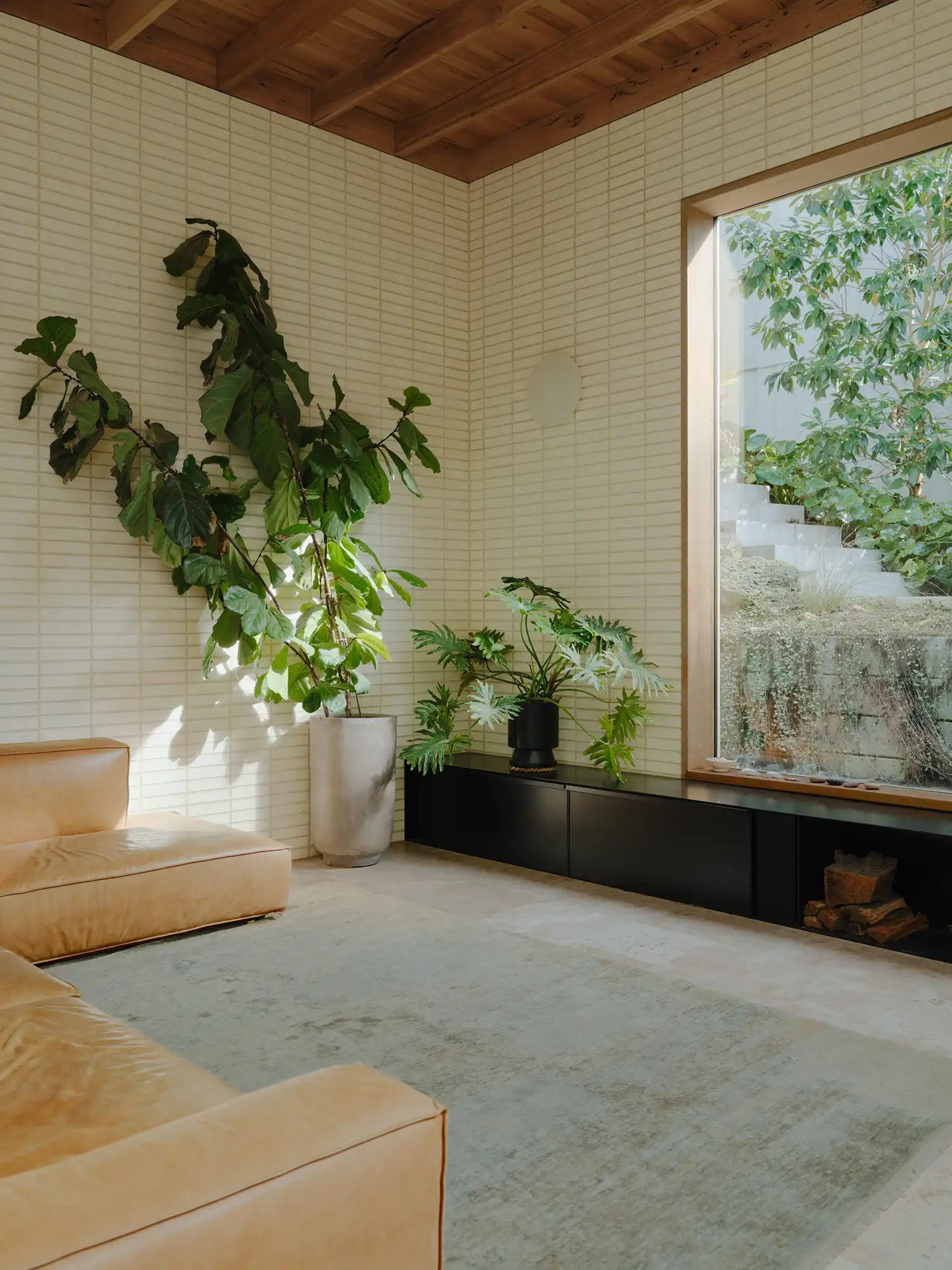
Inside, the interior design reflects a sophisticated minimalism. Spaces flow effortlessly from the restored heritage front rooms into the expansive new living, dining, and kitchen zones within the curved extension. The open-plan living area feels both generous and intimate, thanks to the sculptural ceiling lines and the constant visual connection to the landscaped surrounds. Bespoke joinery provides seamless storage, maintaining clean lines and a sense of calm order. Every detail, from the integrated lighting to the selection of fixtures, speaks to Karen Abernethy‘s meticulous eye for detail and commitment to contemporary Australian architecture.
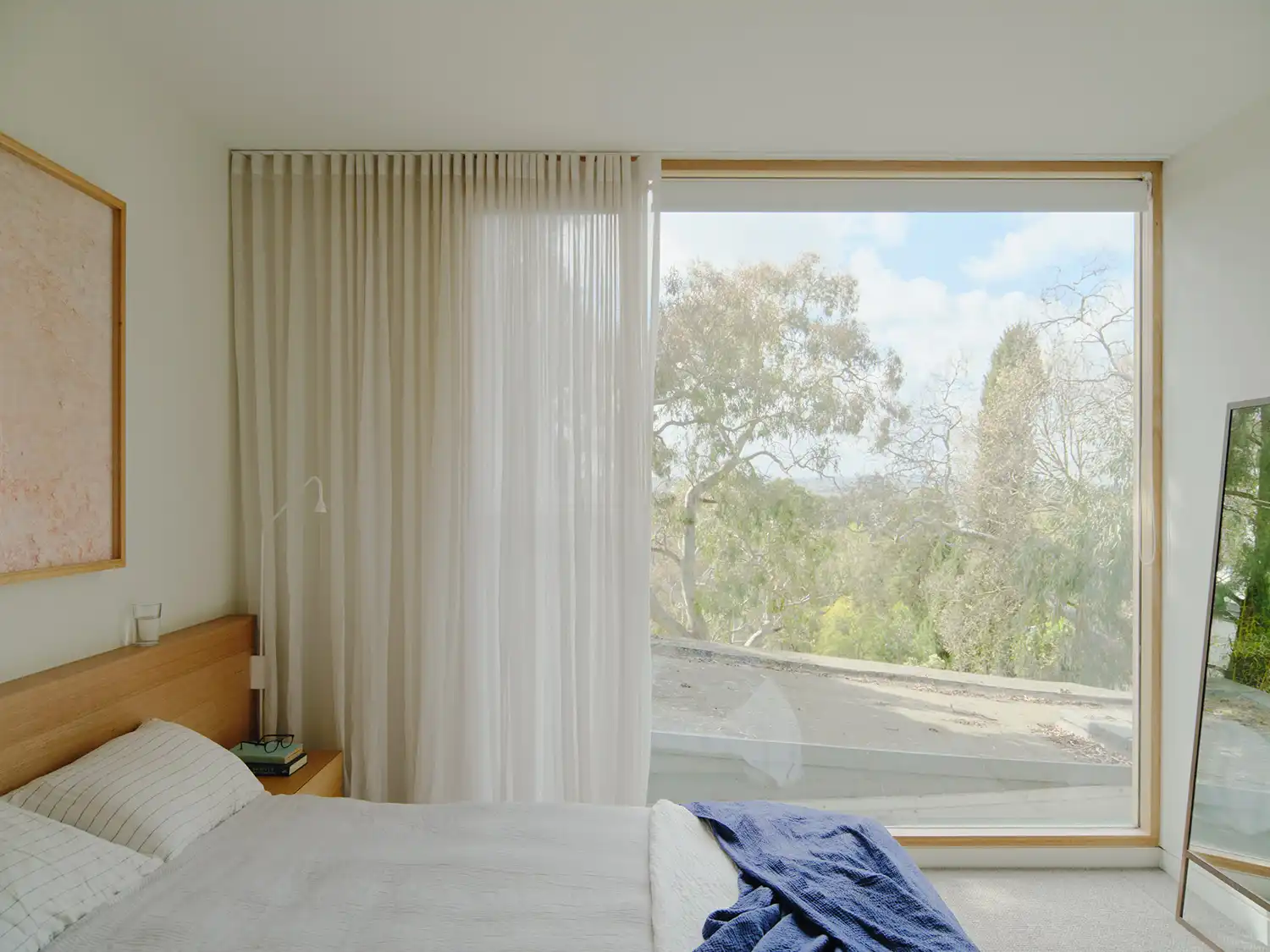
Coil House stands as a testament to intelligent, sensitive, and innovative residential architecture. It demonstrates how heritage home adaptation can transcend mere addition, becoming a transformative process that enhances liveability, embraces sustainability, and creates a truly unique Melbourne architecture statement. Karen Abernethy Interiors and Architecture has crafted not just a house, but a deeply considered, beautiful, and enduring home where history and forward-thinking design elegantly intertwine.