


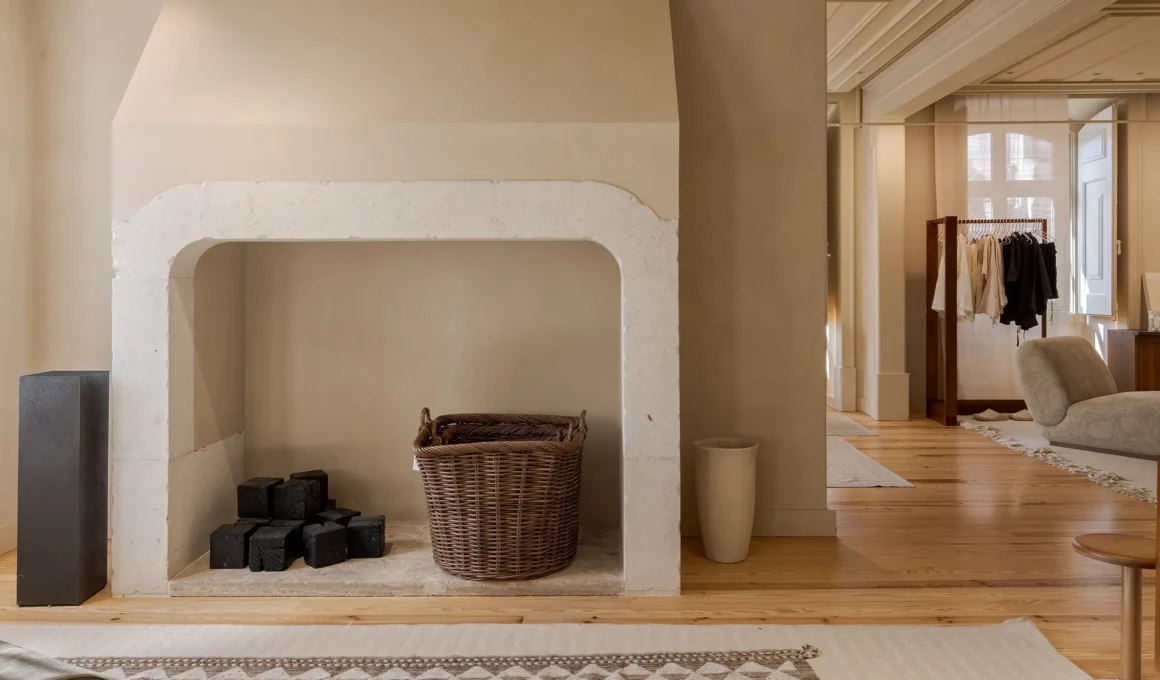
Strategically positioned between Praça D. Pedro IV and Praça della Figueira, the new Zara Rossio flagship in Lisbon represents a meticulous restoration project by Contacto Atlântico, breathing new life into a 200-year-old Pombaline structure while preserving its deep-rooted civic identity.
A dialogue with historical memory defines the intervention in the heart of the Baixa Pombalina district, where the reopening of the block to the city treats the building as a permeable vessel. The architects avoided the creation of a closed commercial box, opting instead for an approach that respects the 18th-century geometric harmony and ensures the interior layout feels inherently connected to the bustling surrounding squares. The ground floor acts as a fluid extension of the streetscape, drawing pedestrians into a space where the past is not a mere backdrop, but a physical, tactile presence.
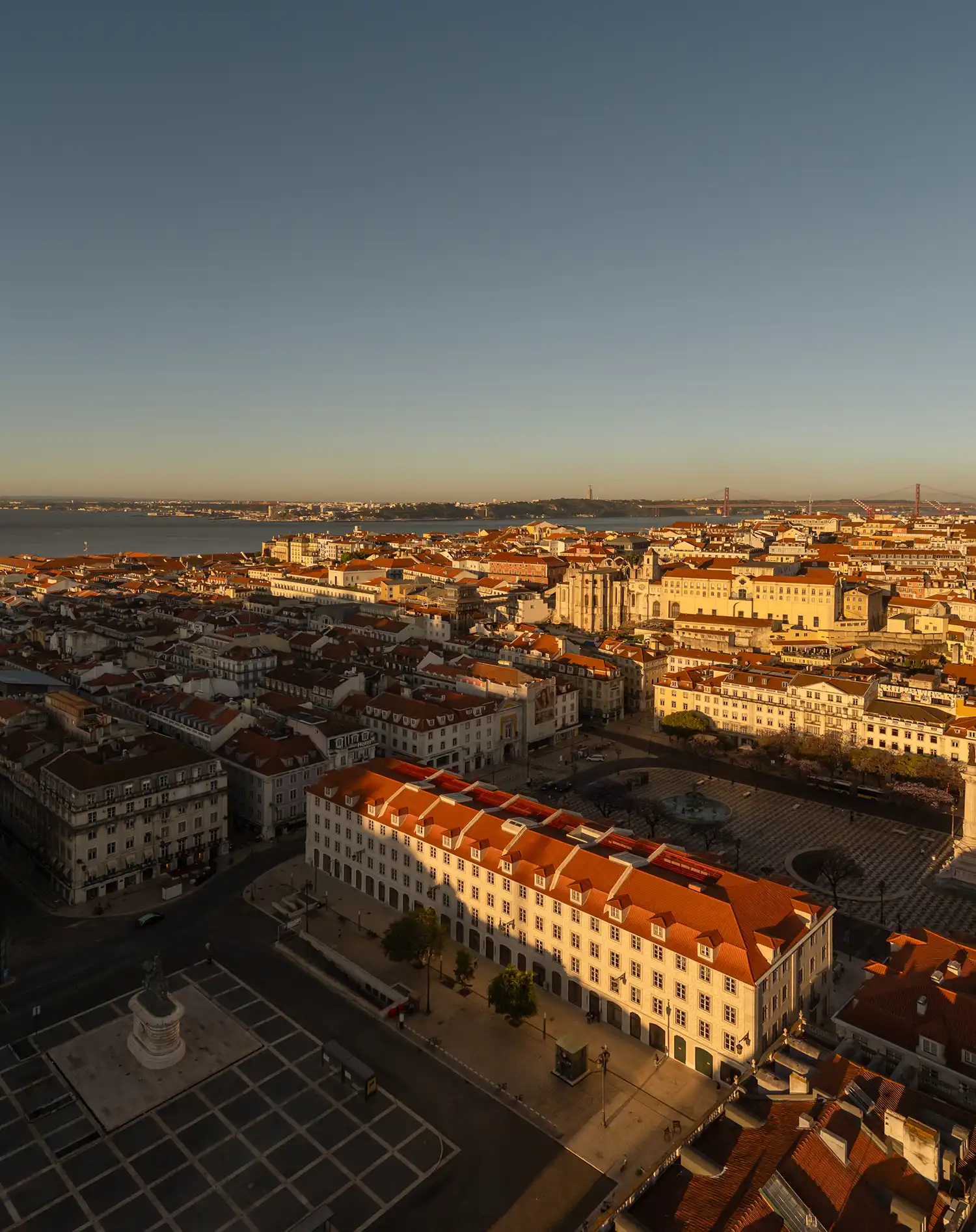
The preservation of the Pombaline soul was central to the narrative, focusing on the retention of original materiality. Historic tiles and the emotive paintings of António Lino were carefully integrated into the modern retail environment, preventing the space from feeling like a generic global store. This commitment to heritage reflects a broader shift in zara retail design strategy 2026, where the goal is to create a localized sense of place through a textured, sensory experience that rewards the observant visitor rather than relying on standard commercial tropes.
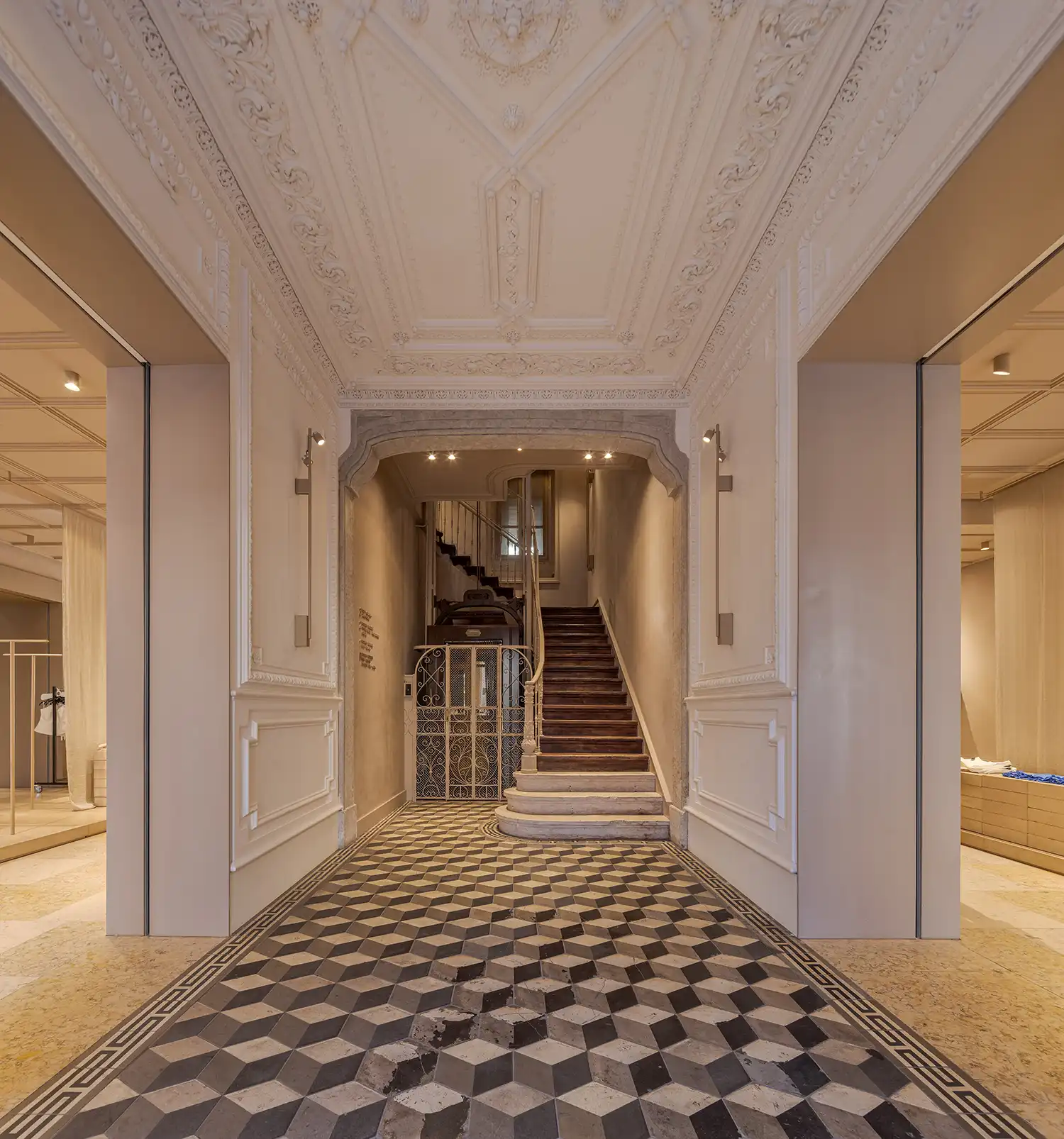
Structural fluidity and natural light characterize the technical solutions, which were executed with notable restraint. No additional volume was added to the historic shell; instead, the team at Contacto Atlântico focused on spatial optimizationthrough selective openings. These strategic punctures in the building’s fabric connect formerly isolated rooms, creating a sense of continuity essential for modern foot traffic. The intelligent use of existing light wells ensures that natural illumination permeates the deep floor plates, a feature that distinguishes this project from more traditional, artificially lit fashion flagships.
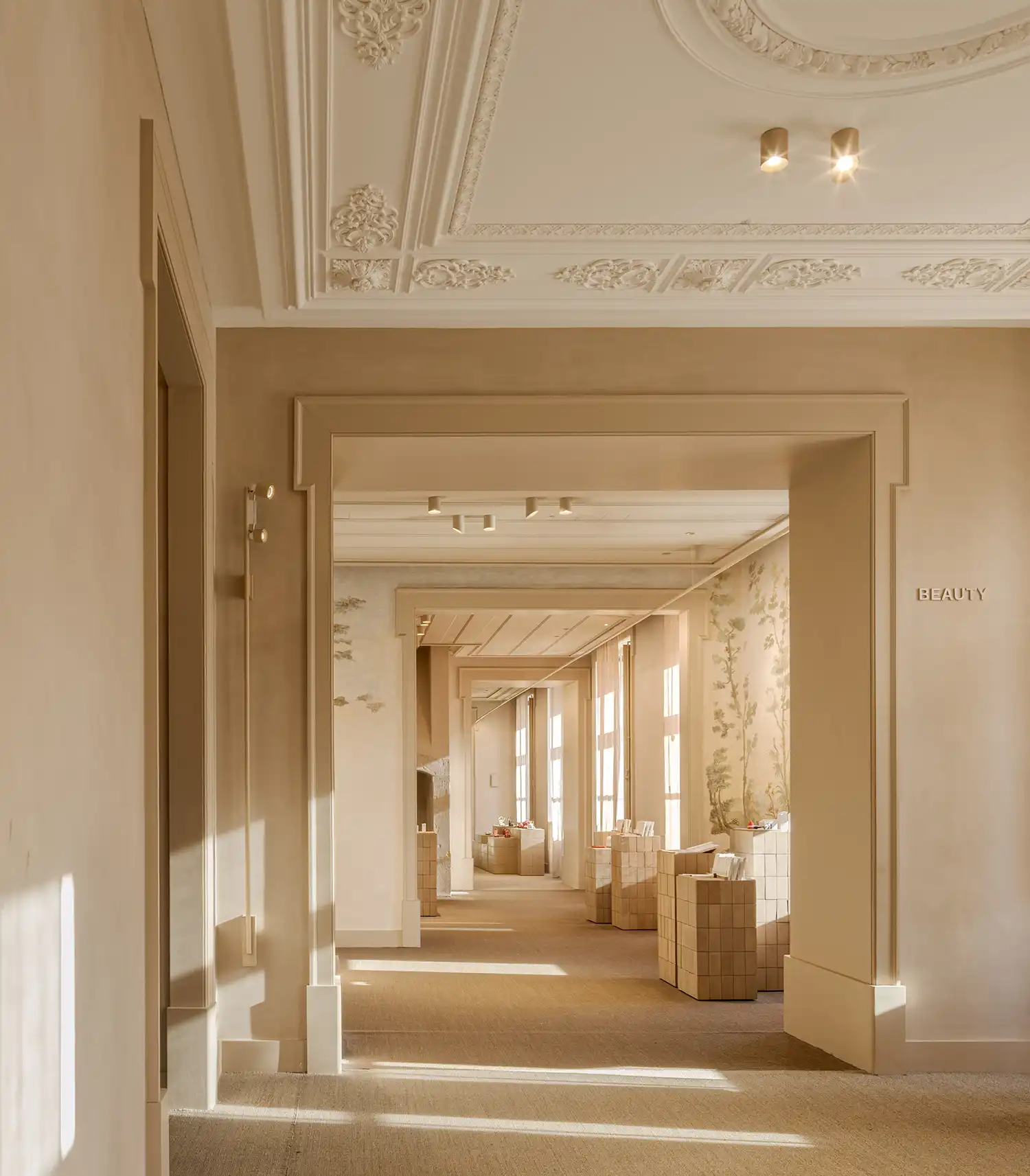
The evolution of the storefront has significantly improved accessibility across all levels by reorganizing circulation routes. While the upper floors are dedicated to commercial functions and support services, the ground floor remains the most public-facing element of the intervention. This focus on street-level engagement mirrors successful international concepts, such as the Zara Nanjing Xinjiekou flagship by AIM architecture, where the architectural envelope is designed to mediate between the scale of the city and the intimacy of the shopping experience.
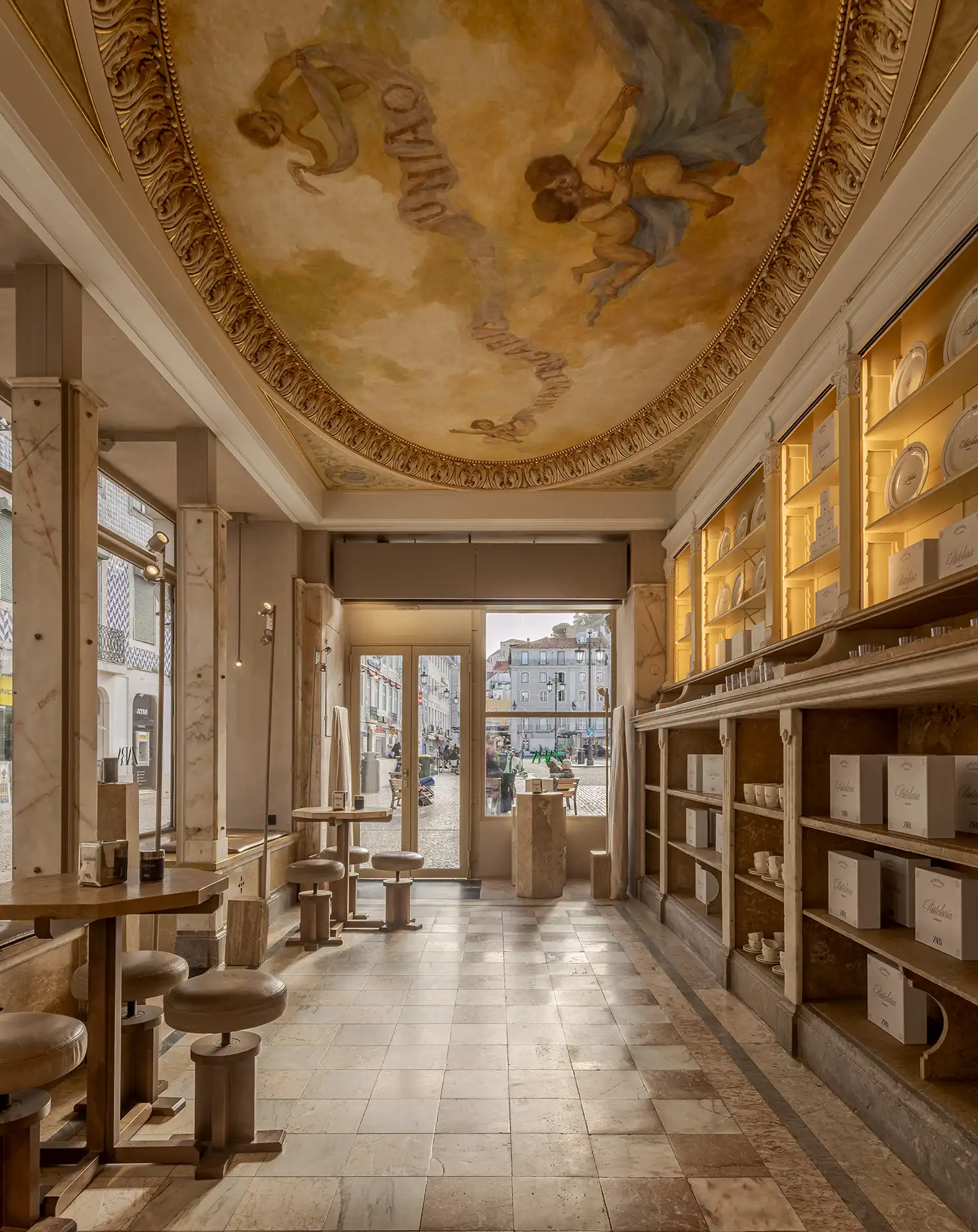
The memory of local commerce remains intact through the retention of neighborhood landmarks. The iconic Pérola do Rossio continues to serve coffee in its original location, maintaining a vital link to the district’s daily rituals. Similarly, the former Manteigaria União has been reimagined as Castro by Zara, where visitors can pause for pastéis de nata beneath a restored ceiling painting featuring two putti. This blend of high-street fashion and traditional gastronomy ensures that the building remains a living part of Lisbon’s social fabric, rather than a transient destination.
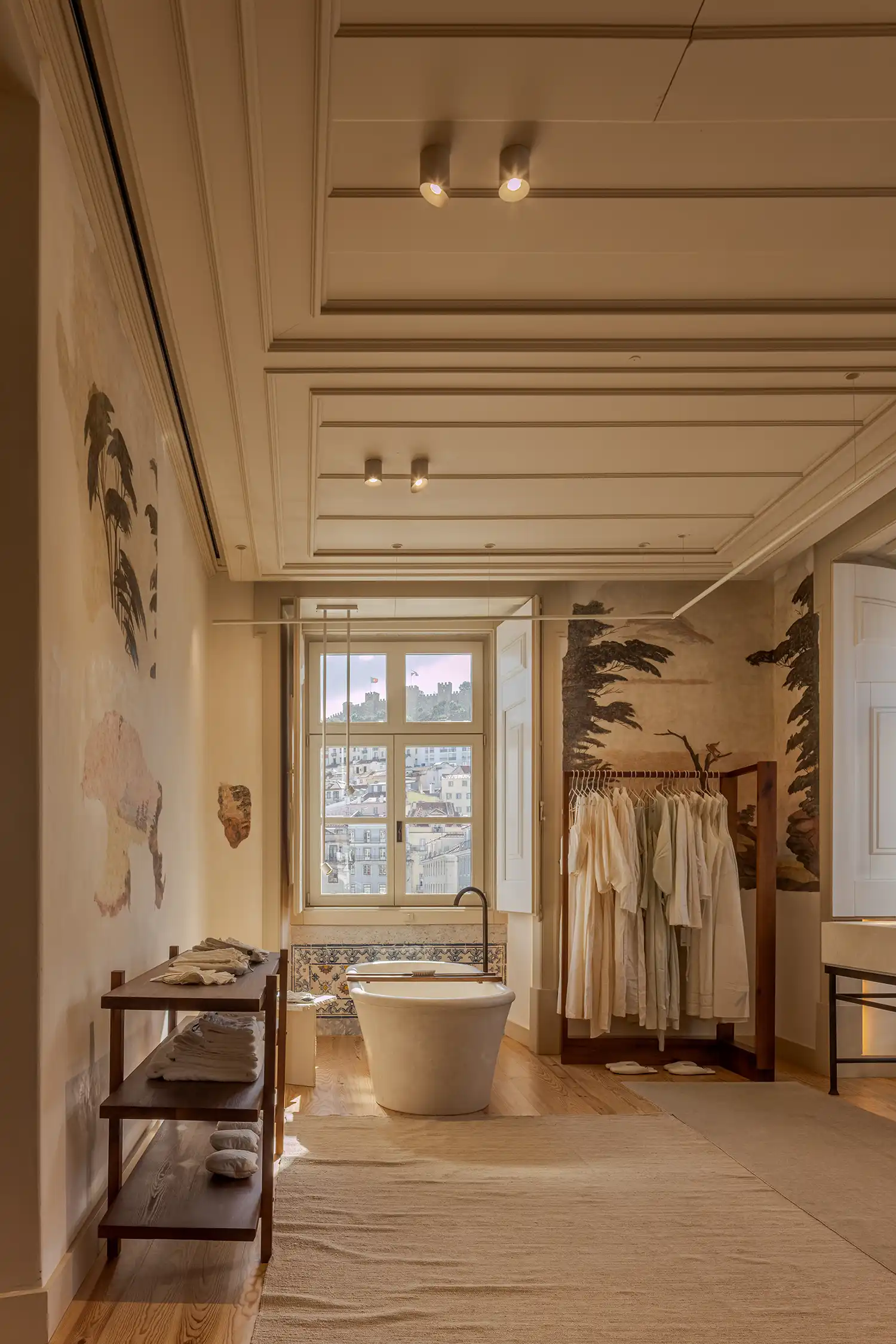
Invisible engineering and material harmony allowed the architects to introduce modern building services without disrupting the historical narrative. Where full conservation was not possible, discreet materials were chosen to blend with the contemporary intervention, ensuring that new structural requirements do not overwhelm the delicate proportions of the original architecture. It is a sophisticated balance where technical necessity remains secondary to the visual and historical rhythm of the space, allowing the craftsmanship of the past to lead the user experience.
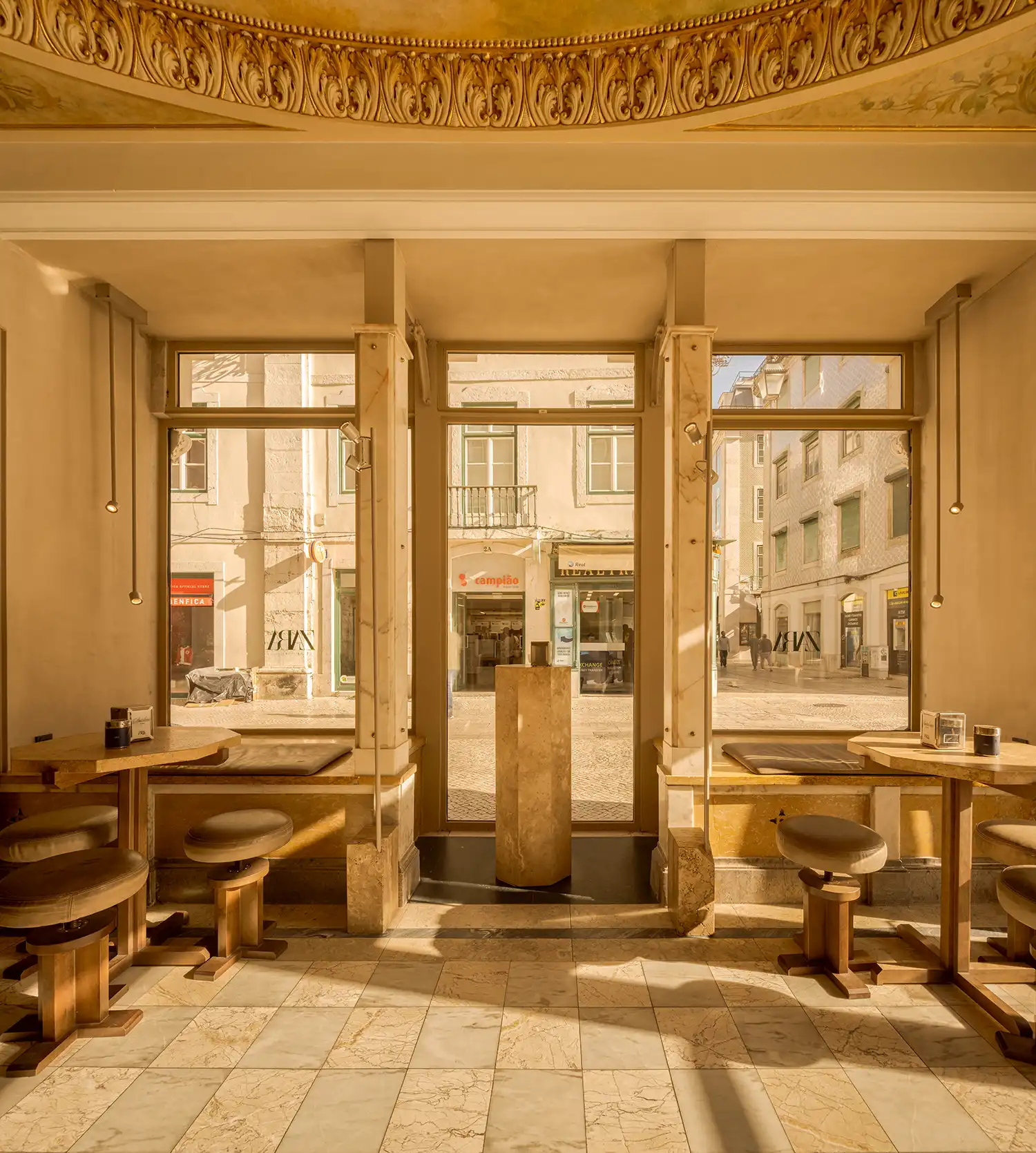
Urban revitalization and civic vitality serve as the project’s lasting legacy for the Baixa district. By returning active commercial life to both the façades and the interiors, Zara Rossio reinforces the block’s role as a primary urban hub. The project demonstrates how a global brand can adapt to a local context through sensitive urban restoration, contributing to the energy of Lisbon’s city center. This intervention proves that the most effective way to modernize a historic capital is to carefully curate and celebrate the existing layers of its architectural history.