


The Grand Paris Express, Europe’s largest ongoing infrastructure project, is revolutionizing Parisian transit with 200km of automated metro lines and 68 new stations by 2030. Among these impressive additions, the Villejuif-Gustave Roussy station, designed by Dominique Perrault Architecture, stands out not just for its scale, but for its innovative approach to integrating subterranean infrastructure with the urban fabric.
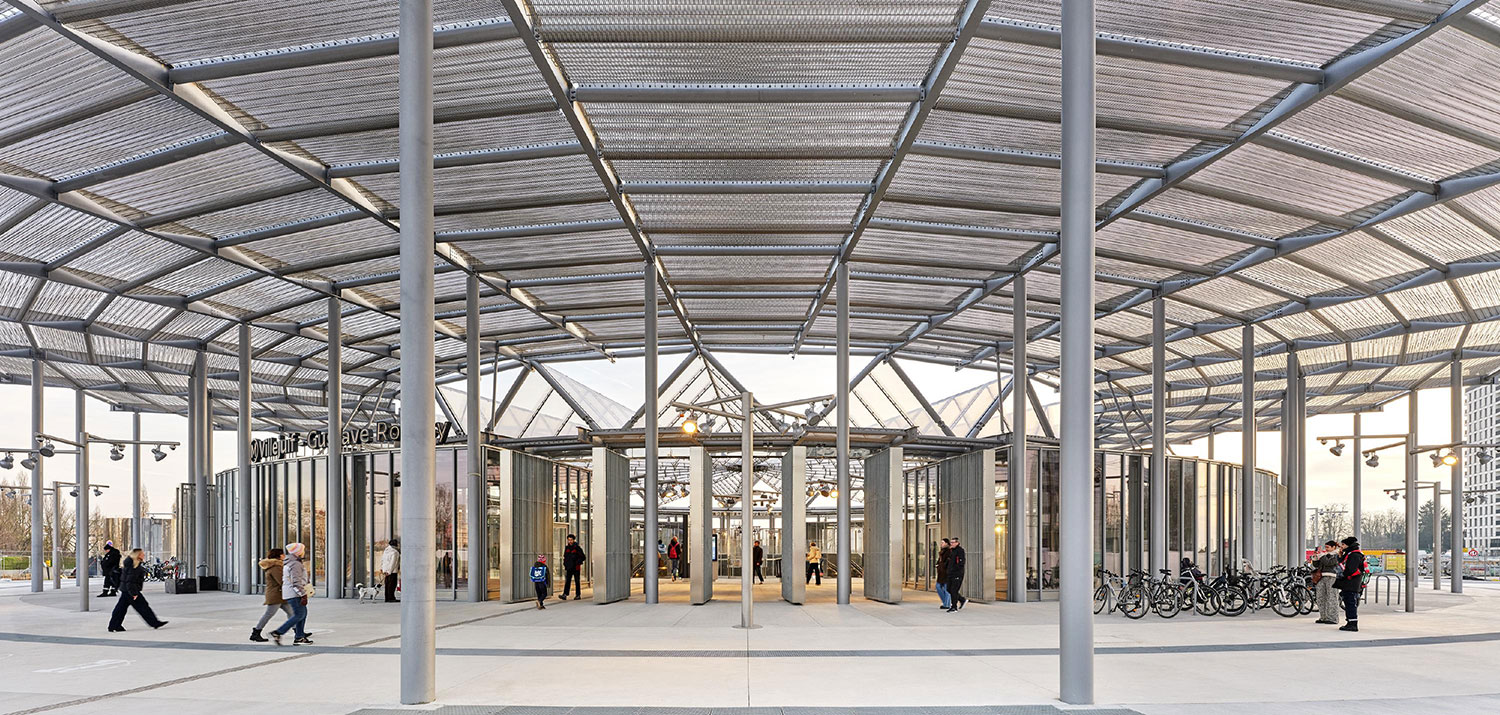
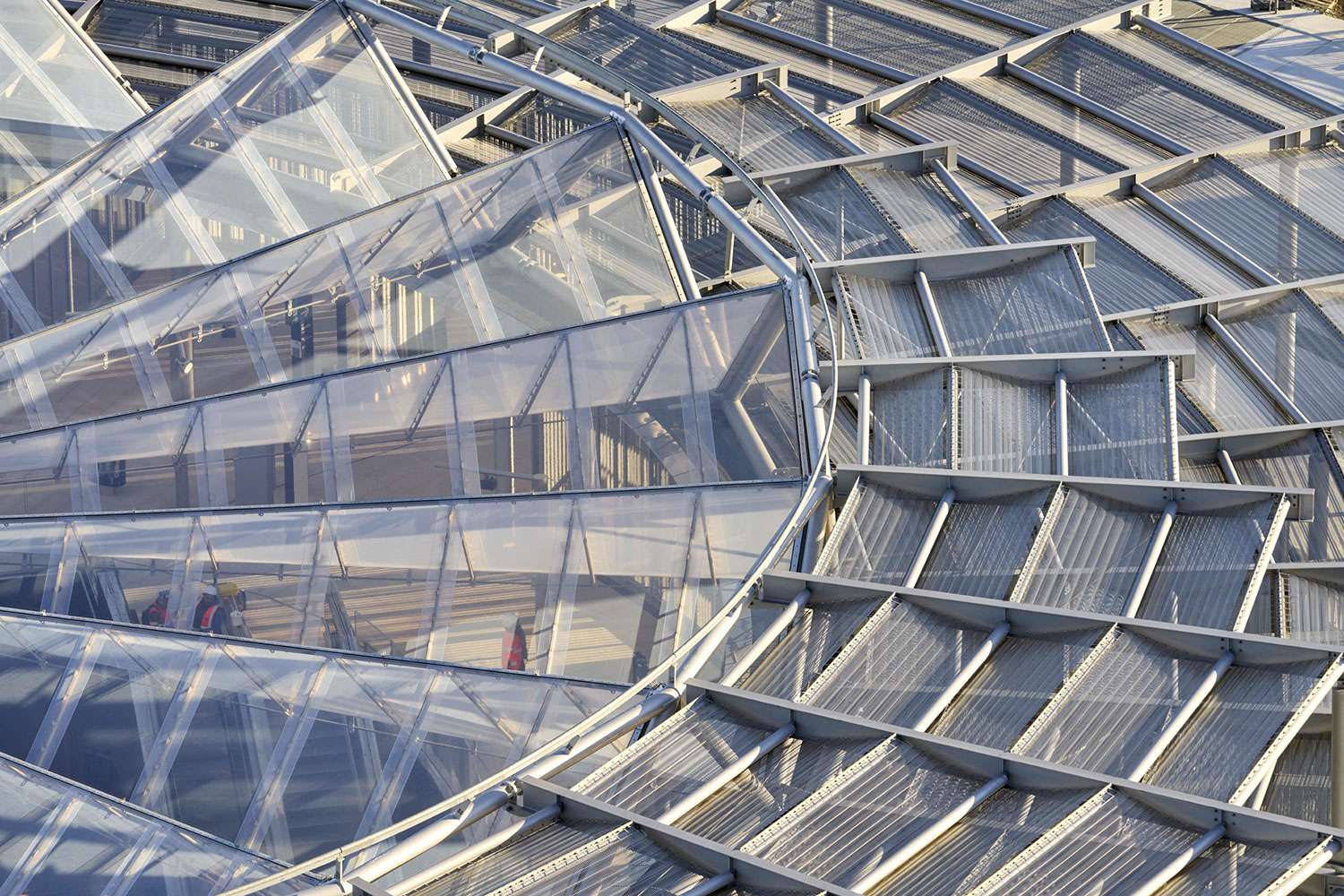
Serving over 100,000 passengers daily, the station descends 50 meters, making it one of Europe’s deepest. Yet, far from the conventional image of a dark and oppressive underground space, Perrault has conceived an “inverted skyscraper,” a 70-meter diameter concrete cylinder that defies expectations. A transparent double-roofed pavilion at ground level is the only visible indication of the vast structure below, seamlessly merging the station entrance with the public realm. This deliberate absence of a traditional facade dissolves the threshold between above and below, inviting the city in.
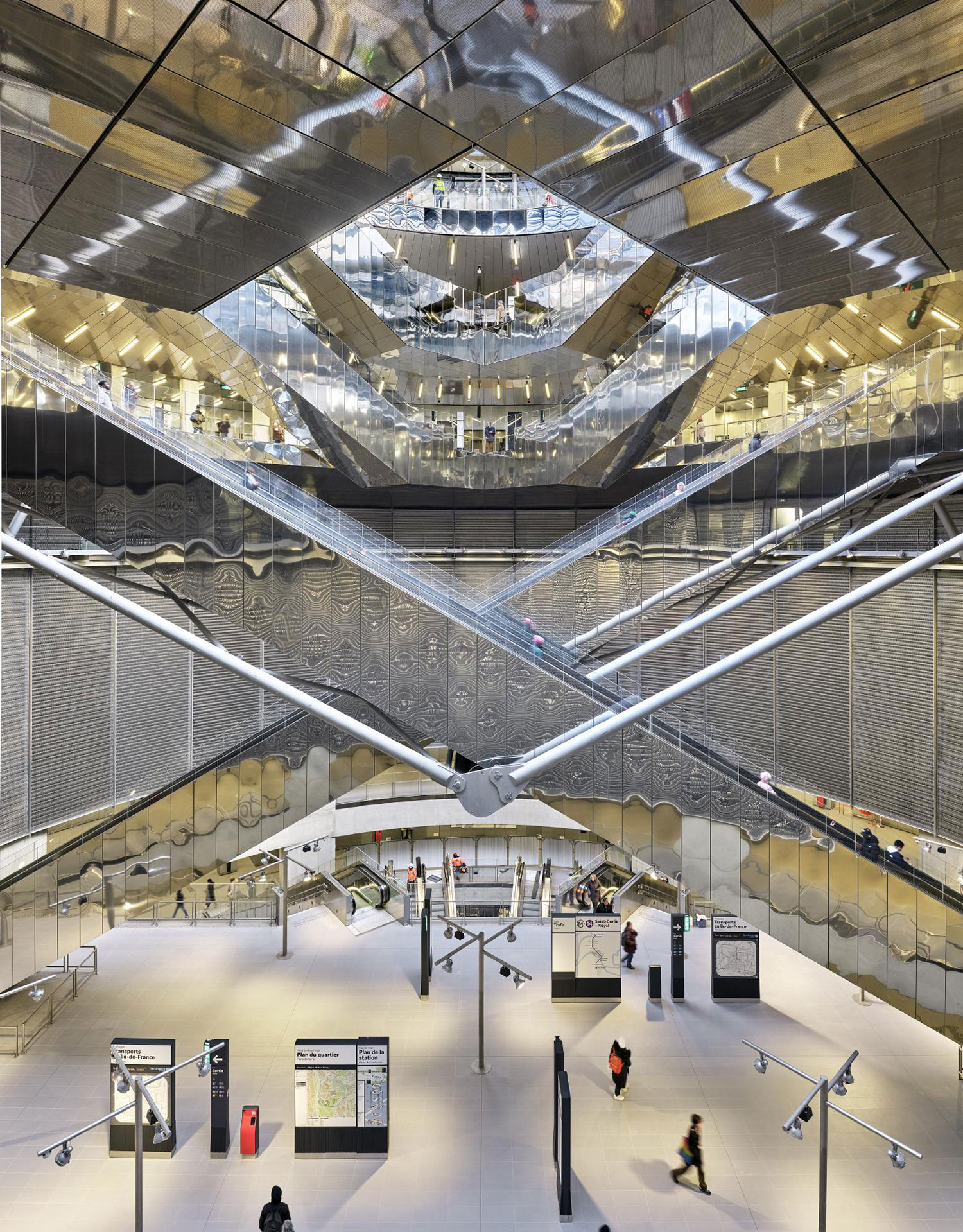
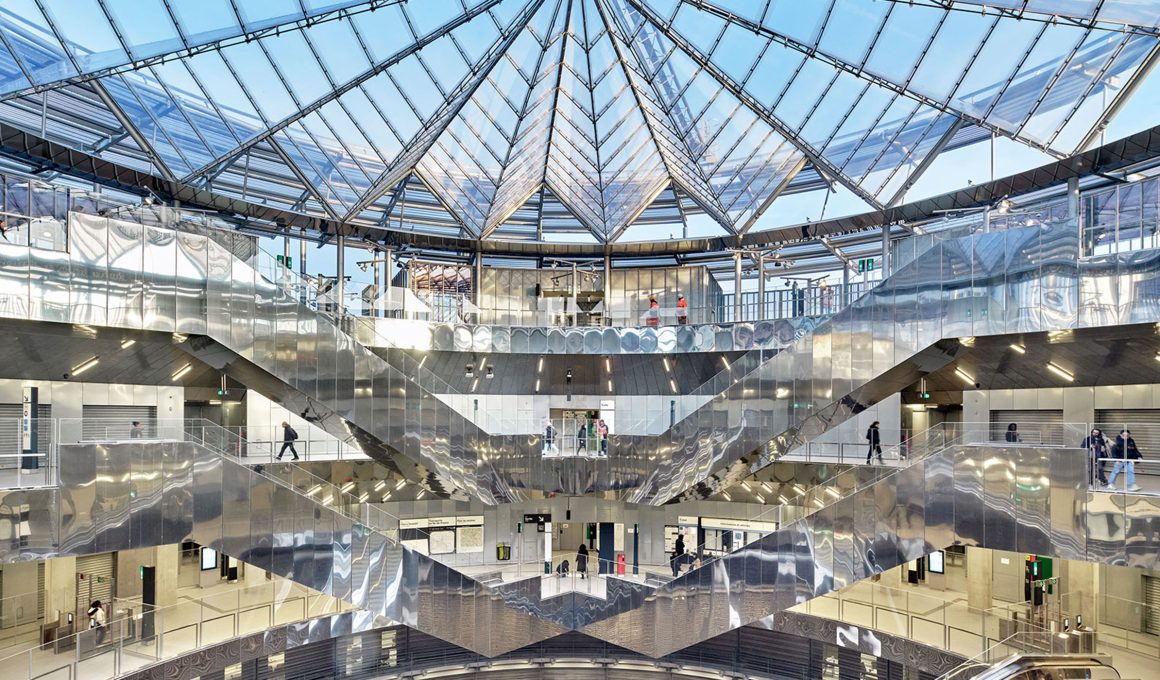
The heart of the station is a dramatic, open cylinder, a series of galleries and balconies connected by escalators and footbridges. Crucially, natural light cascades down into this subterranean world, reaching even the deepest platforms. This feat of engineering and design not only enhances the passenger experience but also provides natural ventilation and smoke extraction, reducing energy consumption for heating and cooling. Perrault’s vision was to dispel the “sous-terrestre” stereotype, and the Villejuif-Gustave Roussy station achieves this masterfully. The sky is visible from the tracks, a constant reminder of the world above.
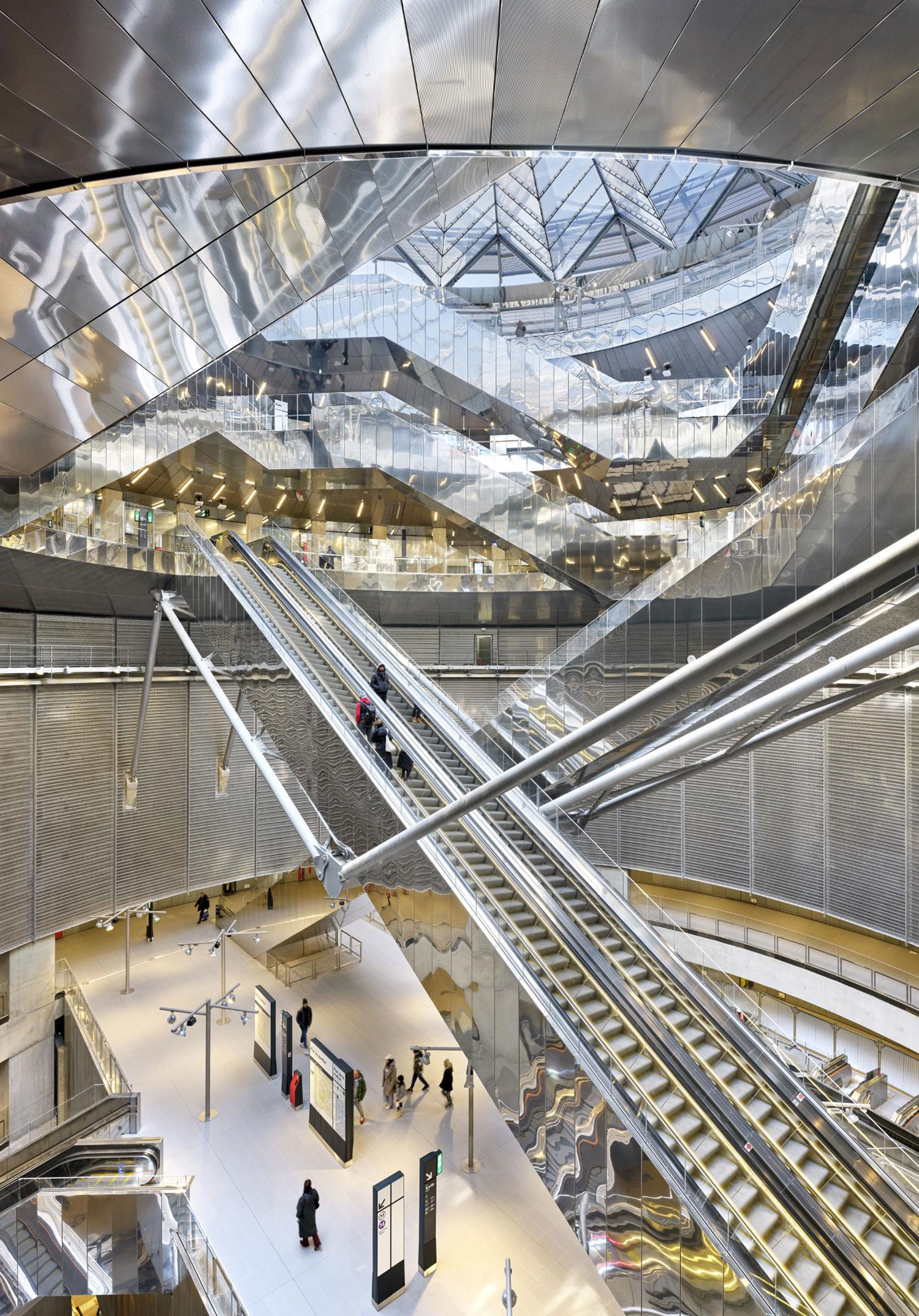
The careful consideration of materials further contributes to the station’s unique atmosphere. Concrete, glass, and stainless steel, employed in a variety of textures – smooth, mesh, perforated, mirrored, and satiny – play with the abundant light, creating a dynamic and engaging environment. The interplay of these surfaces avoids the monotony often associated with large-scale infrastructure projects.
Beyond its architectural merit, the station integrates public spaces, shops, and services on its first two levels, fostering a sense of community. As part of the Grand Paris Express’s commitment to integrating art into the network, Chilean artist Ivan Navarro‘s “Cadran Solaire,” a celestial display of neon lights and mirrors, graces the station, echoing the starry sky above.
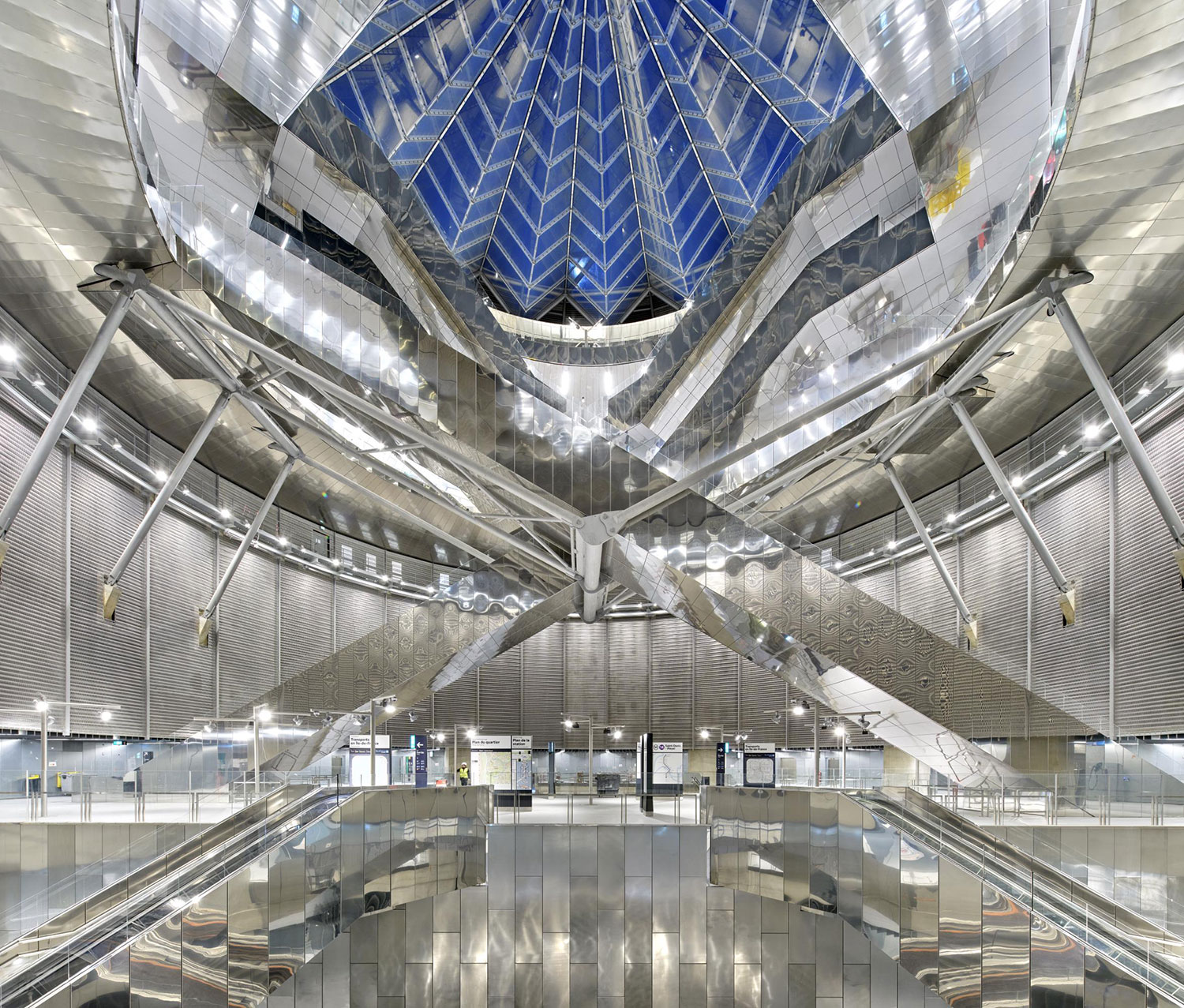
The Villejuif-Gustave Roussy station is more than just a transit hub; it’s a catalyst for urban renewal. Serving the ZAC Campus Grand Parc and the Institut Gustave-Roussy, France’s leading oncology biocluster, the station is poised to revitalize the surrounding area with future office and residential developments.
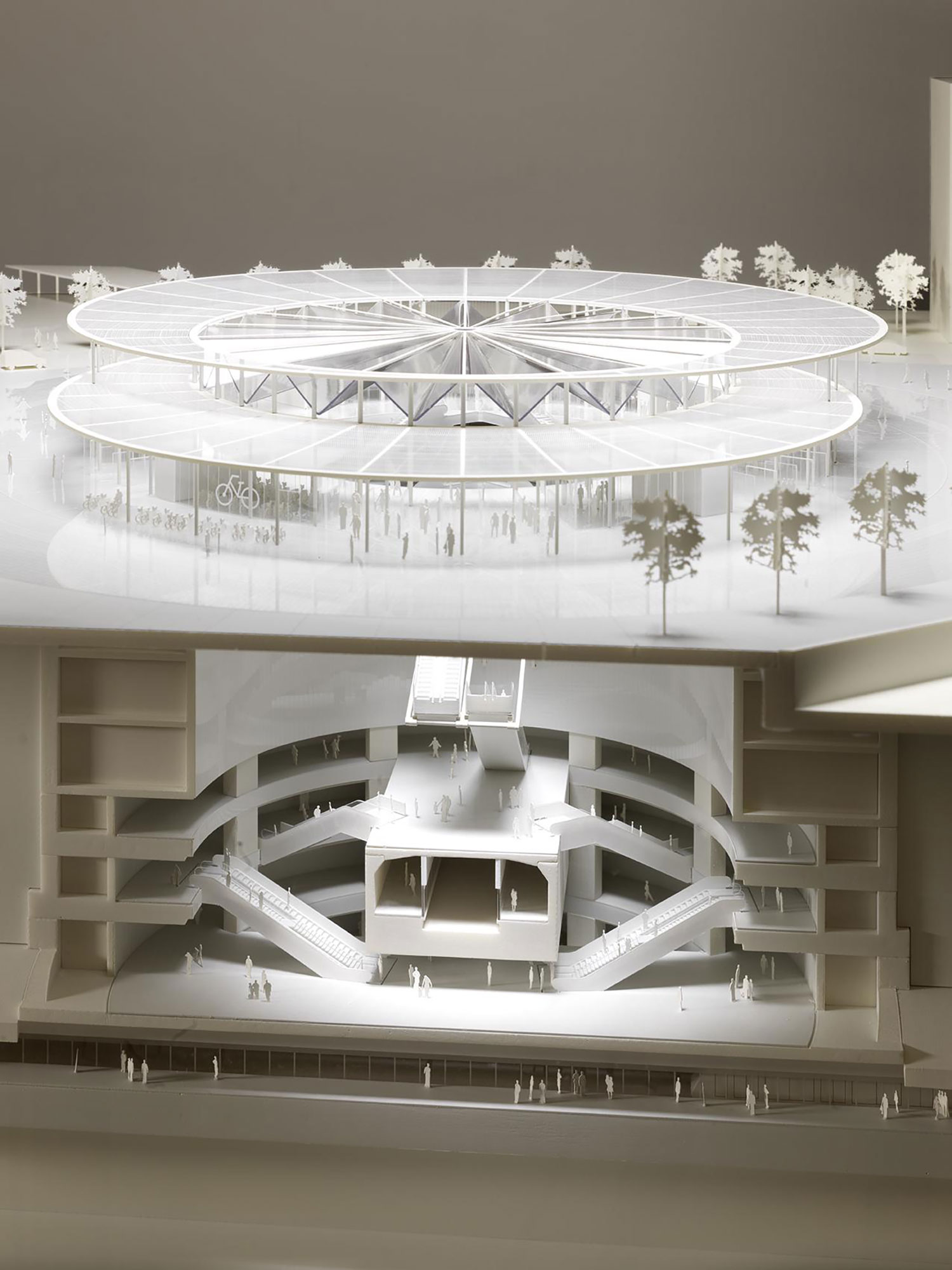
The Grand Paris Express project, as a whole, aims to not only improve connectivity but also to reshape the Parisian metropolis. By commissioning renowned architects for each station, the project ensures that these transit hubs become lasting architectural legacies. The Villejuif-Gustave Roussy station exemplifies this ambition, demonstrating how thoughtful design can transform infrastructure into a vibrant and integral part of the city. It’s a subterranean skylight, a testament to the power of architecture to redefine our experience of the urban environment.