

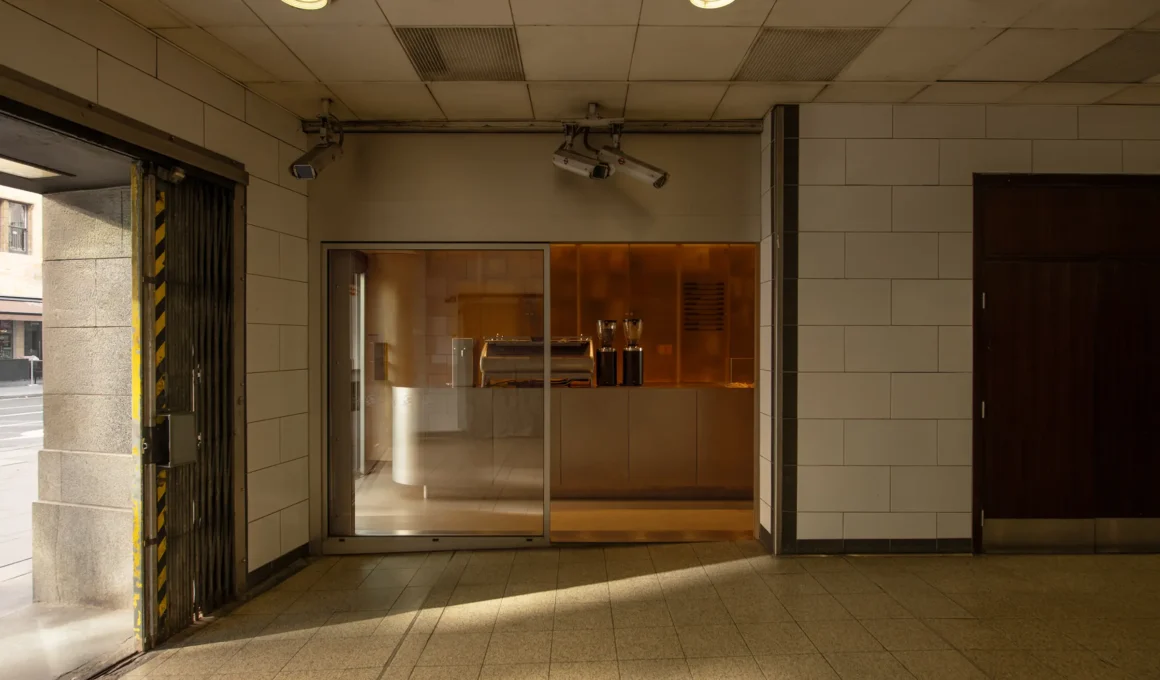
A new cafe-to-go typology has arrived in the heart of the capital with the completion of Espresso Bar at a major transport interchange in Holborn, London. Designed by architecture practice EBBA, the project elevates the typically functional station coffee stop into a space of refined contemporary design, proving that small-scale interventions can yield maximum architectural impact. The London studio has crafted a momentary refuge for the busy commuter, setting a new benchmark for retail interior architecture.
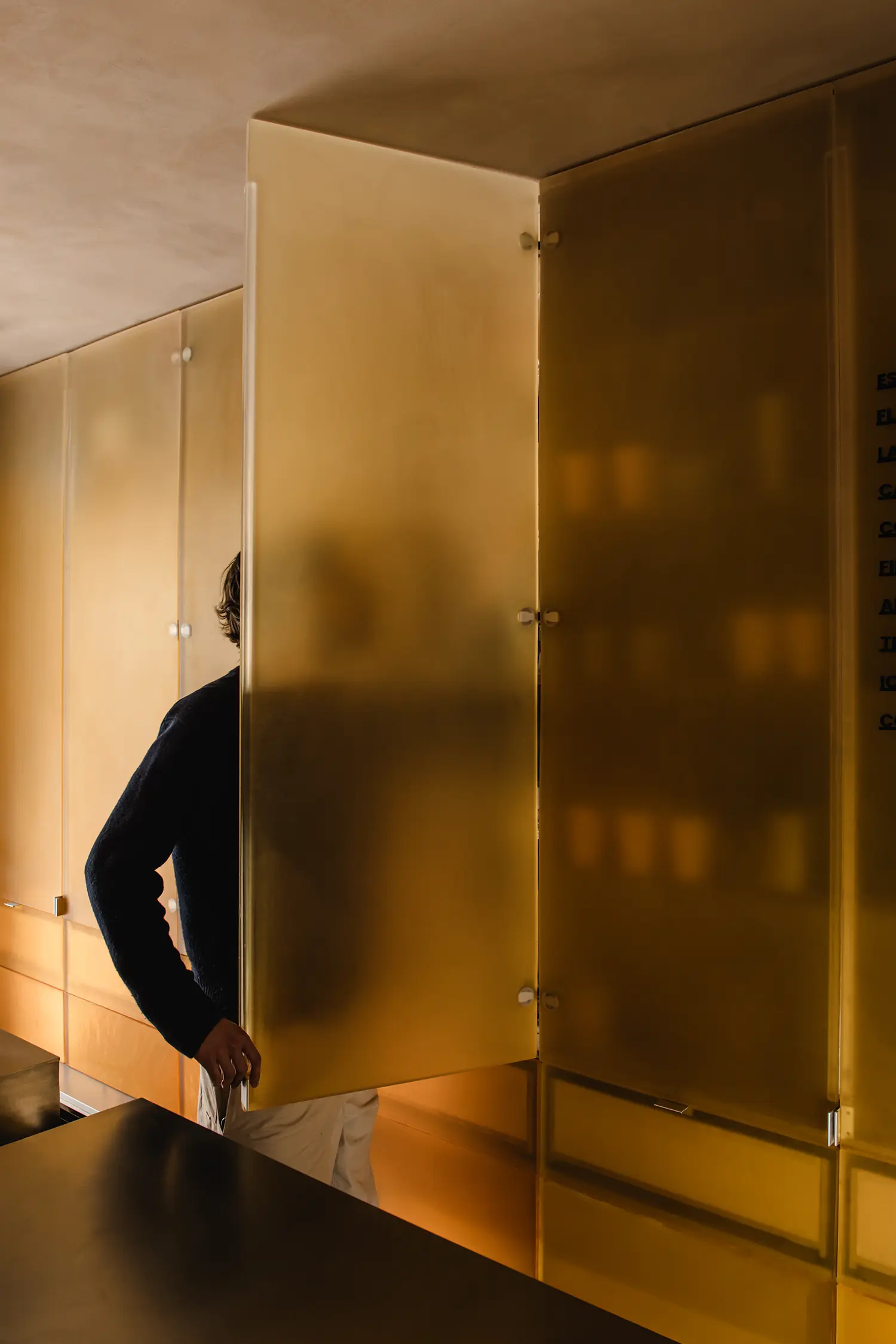
EBBA’s conceptual brief was to transform the high-speed transactional moment of buying coffee into a restorative daily ritual. Conceived as a modern take on the neighborhood pharmacy, the design focuses on the emotional effect of the space on the user, creating a calm threshold that momentarily shields visitors from the relentless pace of the London tube station outside. This transition from external chaos to internal serenity is achieved through an almost monastic approach to spatial planning and atmosphere.
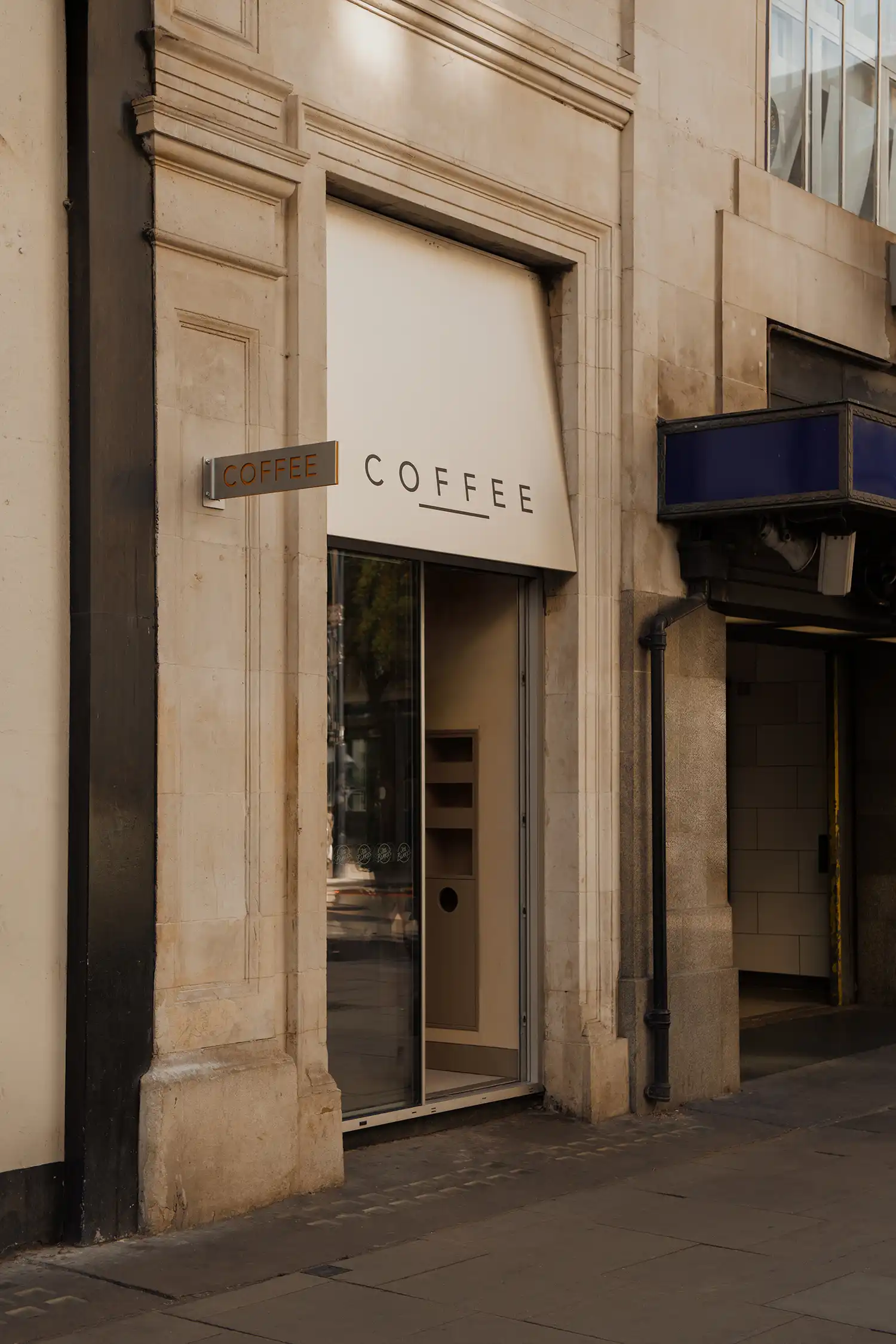
The project’s street-facing elevation is defined by a deliberately clean, formal façade that establishes a sharp dialogue with the surrounding building design. The new intervention stands confidently against the ornate, intricate framed stonework of the historic building, a contrast that amplifies the qualities of both the old and the new. This strategic juxtaposition ensures the architecture is both respectful of its complex urban context and distinctly modern in its presence, drawing the eye without resorting to visual complexity.
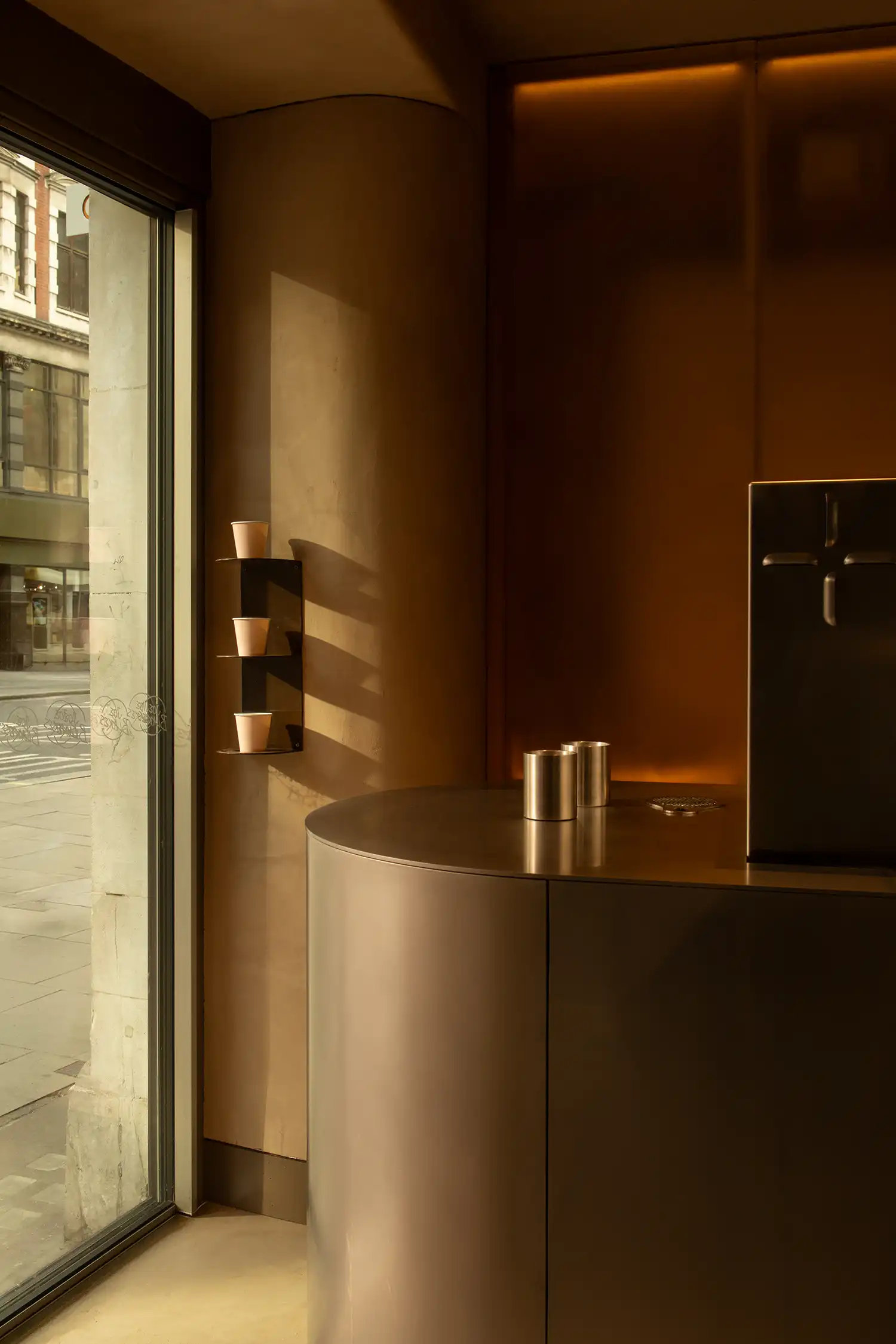
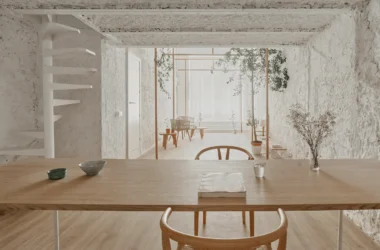
Inside, the spatial experience is dictated by an exquisite material palette and a focus on texture. A cohesive, warm tonal palette of soft hues is grounded by the extensive use of natural materials. The walls feature a textured paint finish, while the functional areas are clad in crisp, luminous white ceramic tile. These tactile surfaces and finishes are selected to encourage an instinctive deceleration in pace, creating a comforting, grounded environment even for the shortest of visits.
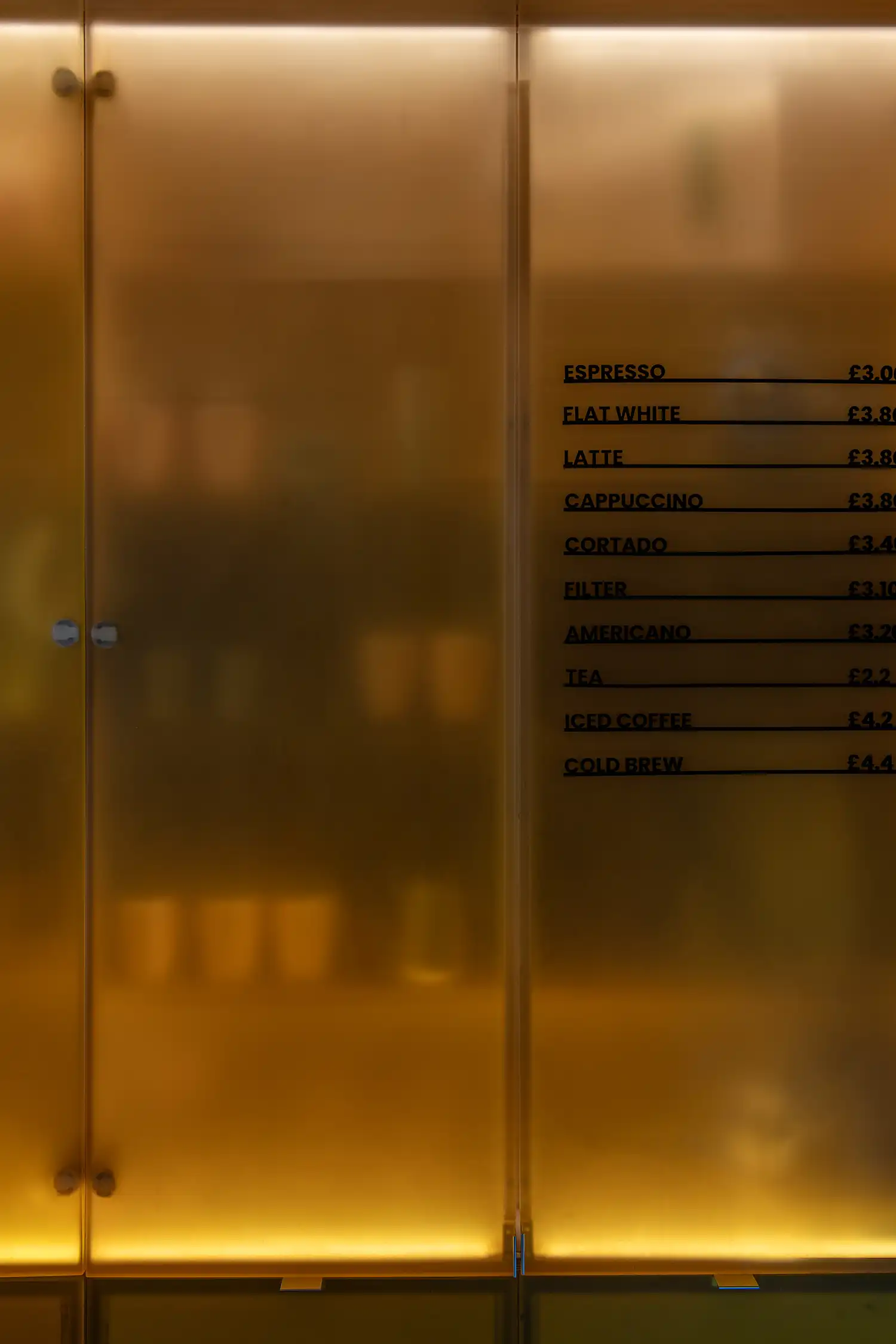
The bar itself acts as the undisputed anchor of the space. It is expressed as a monolithic volume crafted from rich, dark timber, contrasting sharply with the light, milky screen that forms the luminous backdrop to the service area. This screen subtly reinforces the project’s ambient lighting strategy, casting a soft, modulated glow across the counter. Functional elements are detailed with brass detailing, a subtle but sophisticated material choice that imbues the equipment and signage with a sense of enduring quality and craftsmanship.
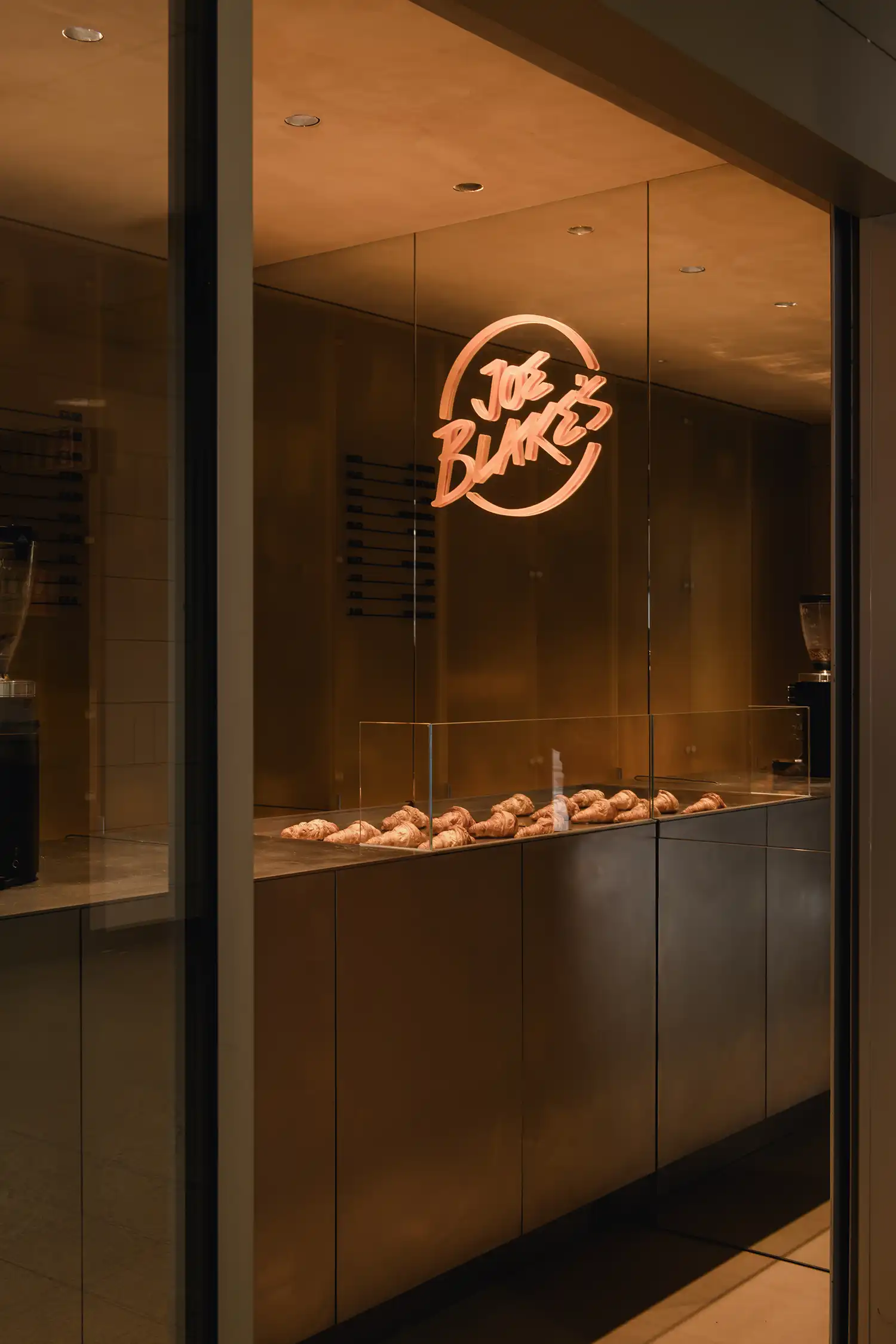
This high-quality execution and material sensibility are consistent with the studio’s broader body of work. EBBA, led by Benni Allan, is recognized for its commitment to material exploration, notably seen in their “Living with Timber” home renovation project—an experimental dwelling where Douglas Fir was used to explore the potential of a timber architecture. The Espresso Bar continues this thread, demonstrating the practice’s ability to apply their rigorous, process-driven design philosophy to create intimate, uplifting public spaces, cementing their position as an influential voice in contemporary design.