

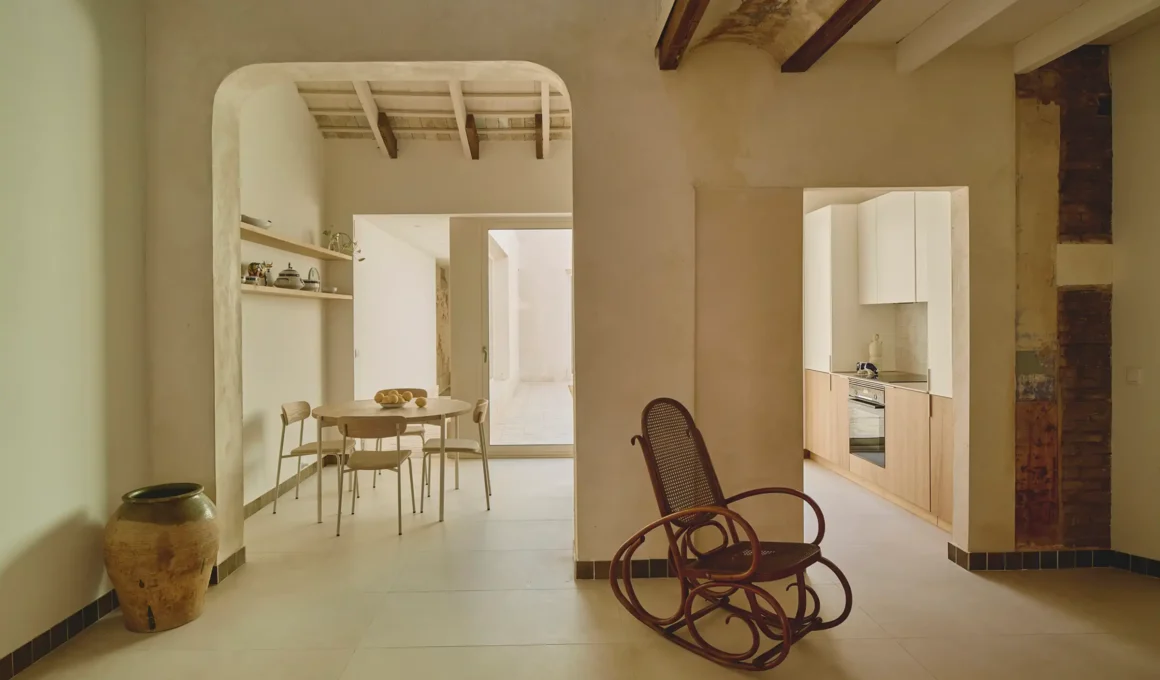
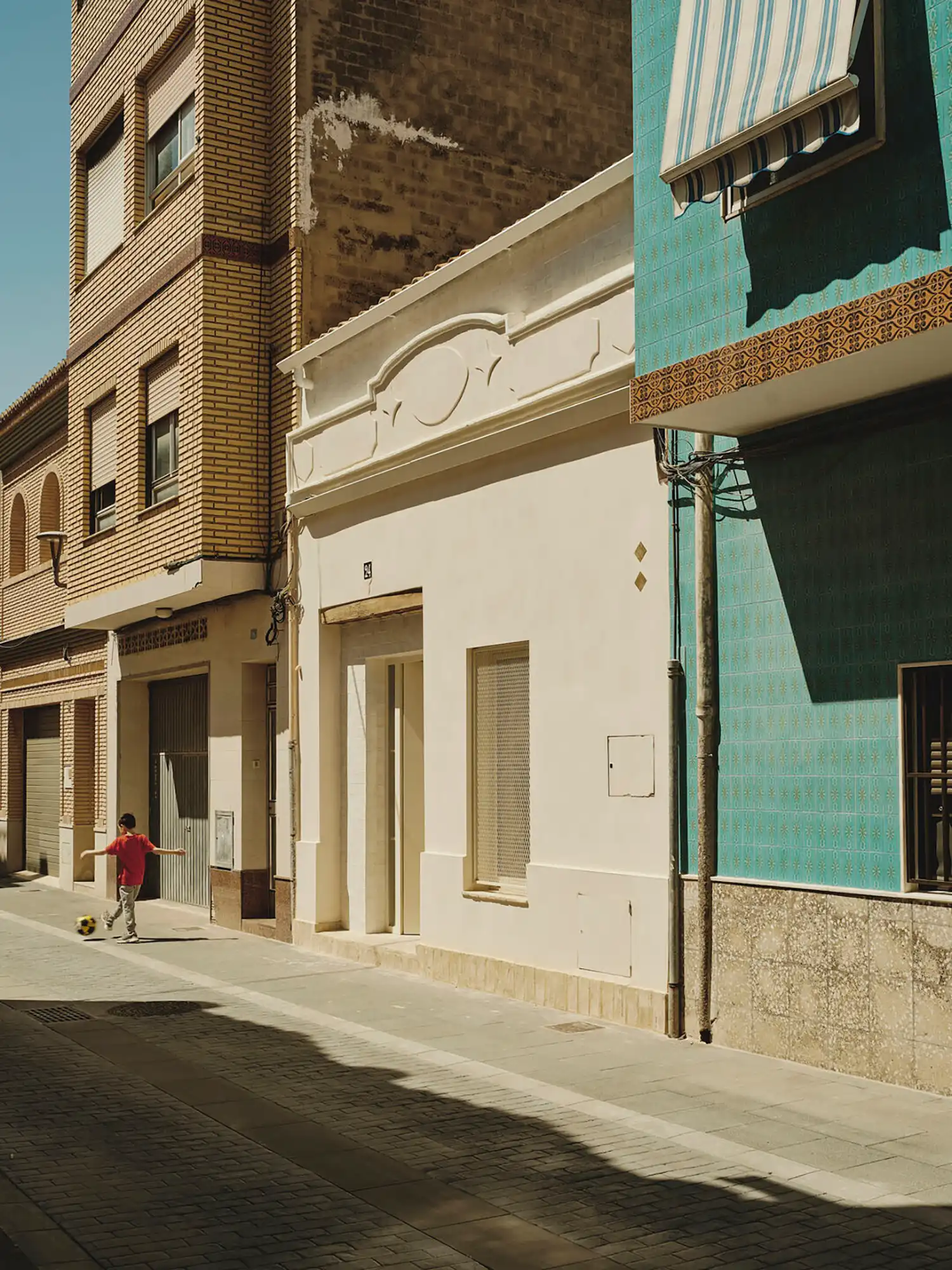
In the heart of Albal, a small town in l’Horta Sud, Valencia, Spanish studio ENDALT Arquitectes has completed the restoration of a traditional village house. Known as Casa dels Estels, or the Estels House, the project is an exercise in “listening” to the past to accommodate a modern lifestyle. The architects sought to avoid the common pitfalls of rural renovation—either total abandonment or a sanitized, museum-like “folklorization”—by choosing a third path rooted in functional design and material honesty.
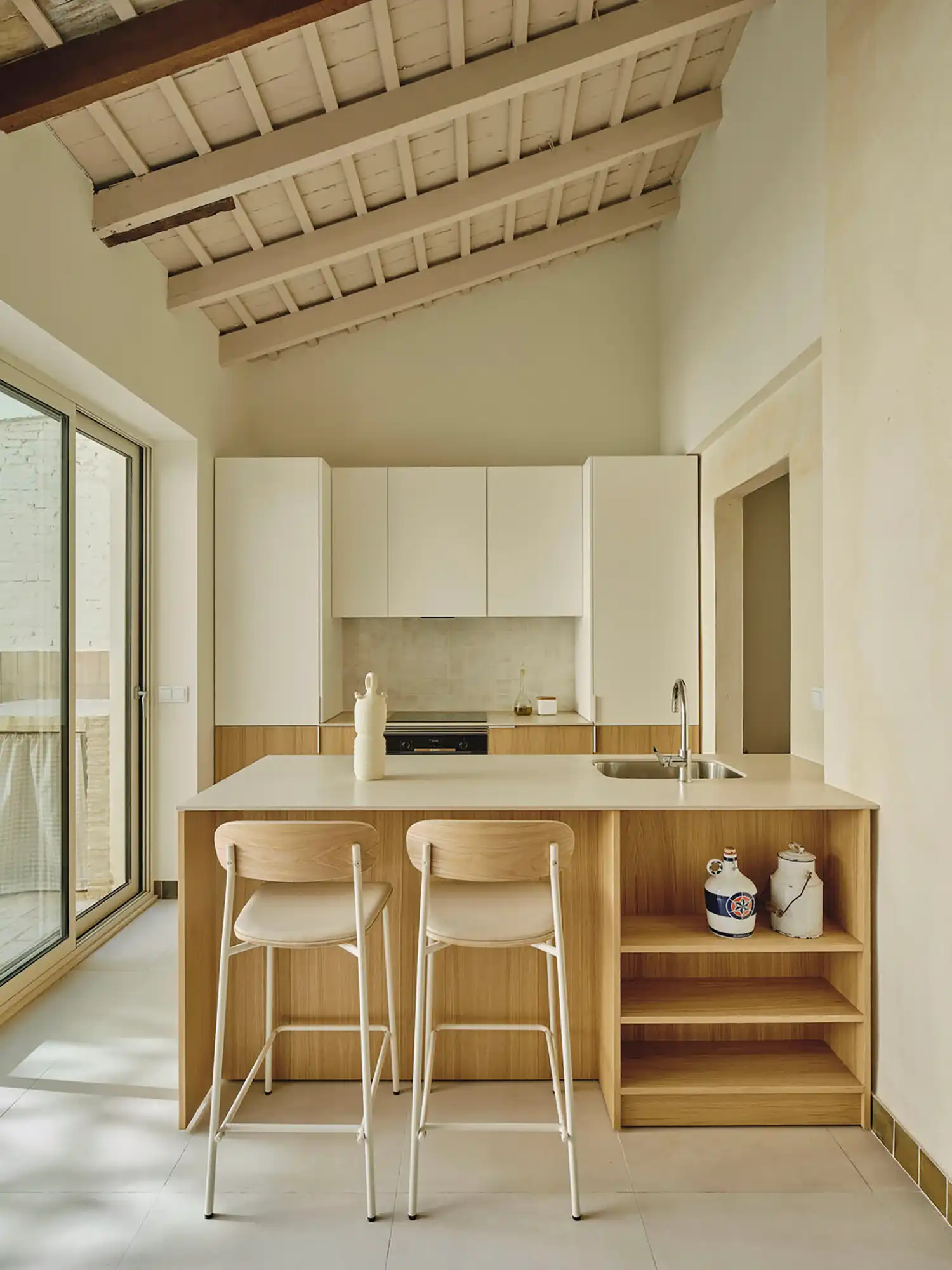
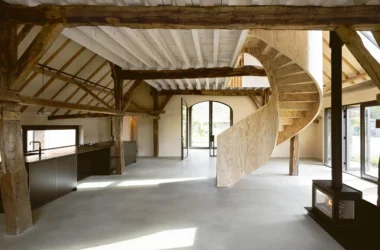
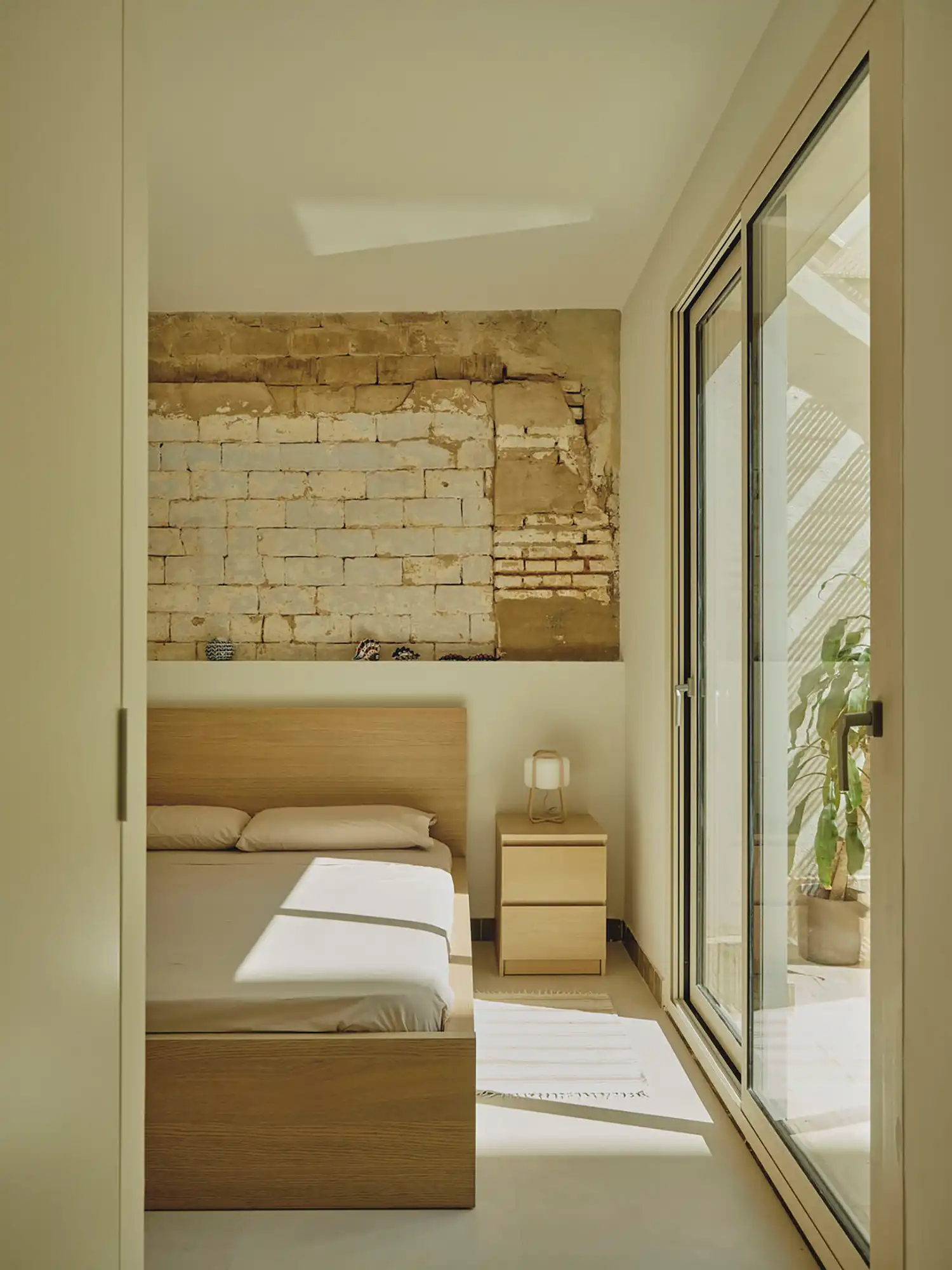
The original structure followed the classic typology of the region: a double-bay layout with a central staircase, a rear courtyard, and an andana—the high-ceilinged attic space historically used for storage and drying crops. Before the intervention, the house was in a severe state of decay. The studio’s response was a minimalist renovation that preserved the building’s essential character while introducing contemporary spatial fluidly. By stripping back layers of deterioration, they revealed the beauty of the original rammed earth walls and vaulted timber ceilings.
A central element of the project is the courtyard, a private sanctuary containing a lemon tree that acts as the lung of the home. This outdoor space connects the main house to the pallissa, or old barn, which has been repurposed into a restful living zone. The architects focused heavily on passive cooling strategies, utilizing the courtyard and the central staircase to facilitate cross ventilation. This traditional approach to sustainable architecture ensures the house remains thermally comfortable during the intense Valencian summers without a heavy reliance on mechanical systems.
The interior design is defined by a rhythmic dialogue between the old and the new. Rather than hiding the structural interventions, ENDALT Arquitectes used a palette of reclaimed materials to maintain a sense of continuity. Bricks salvaged from the old roof were cleaned and repurposed as flooring, while lime mortar and ceramics were chosen for their breathability and historical relevance. This commitment to circular construction not only reduces the carbon footprint of the project but also ensures that the tactile quality of the vernacular architecture remains intact.
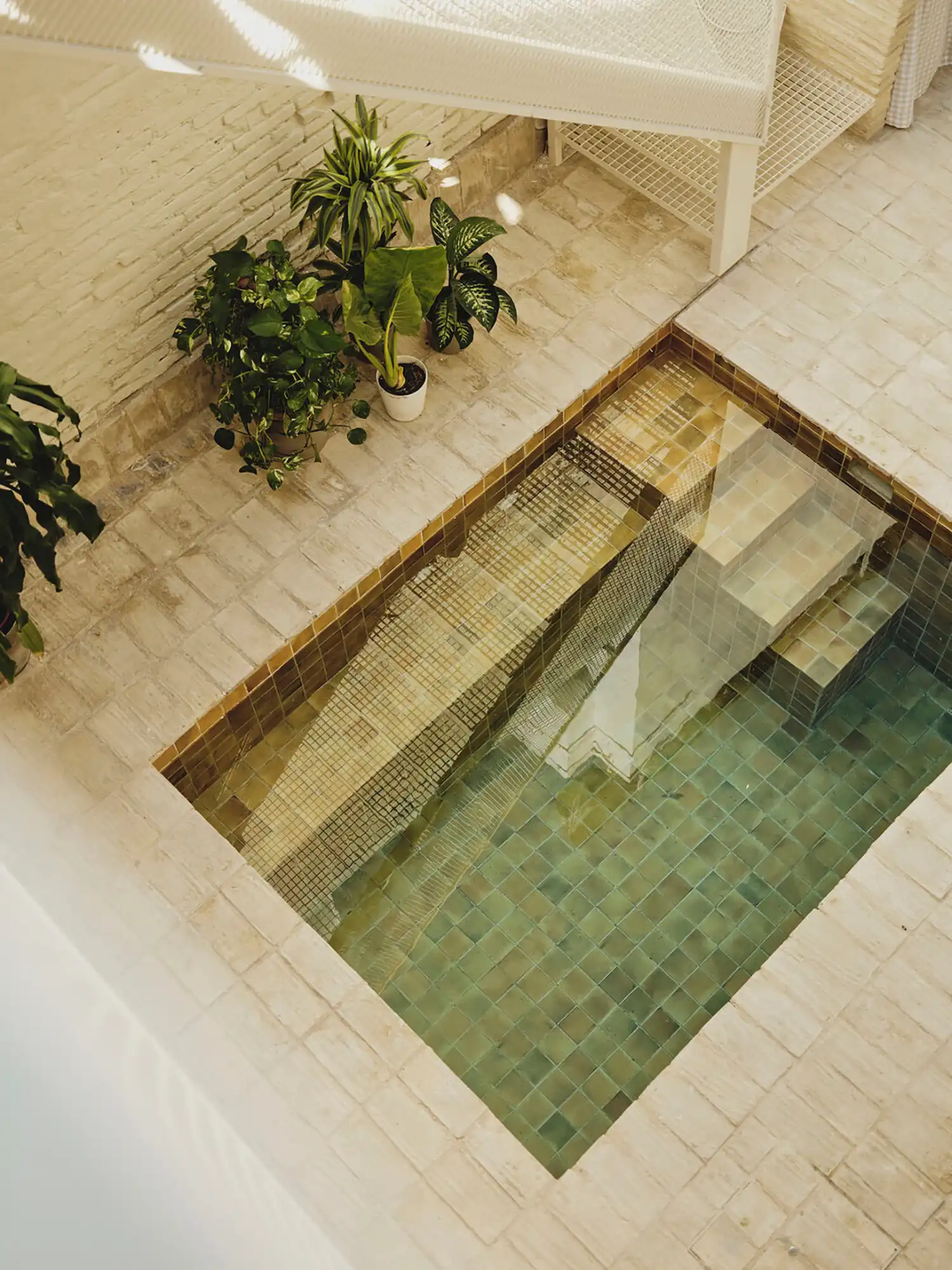
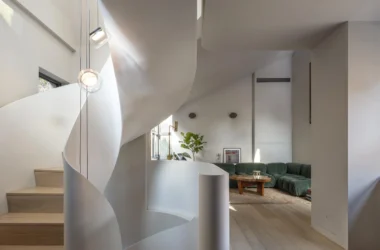
Color plays a vital role in evoking the “rural memory” of the site. Glossy green tiles line the baseboards, referencing the original ceramics found in many Valencian homes, while terracotta and ochre tones are used in the bathrooms and pool area to echo the local clay. These natural finishes are paired with clean, white surfaces that reflect light into the deepest parts of the floor plan. In the andana, which was once a dark storage room, a partially raised roof and a small extension have transformed the space into a bright, versatile studio that serves as the intellectual heart of the home.
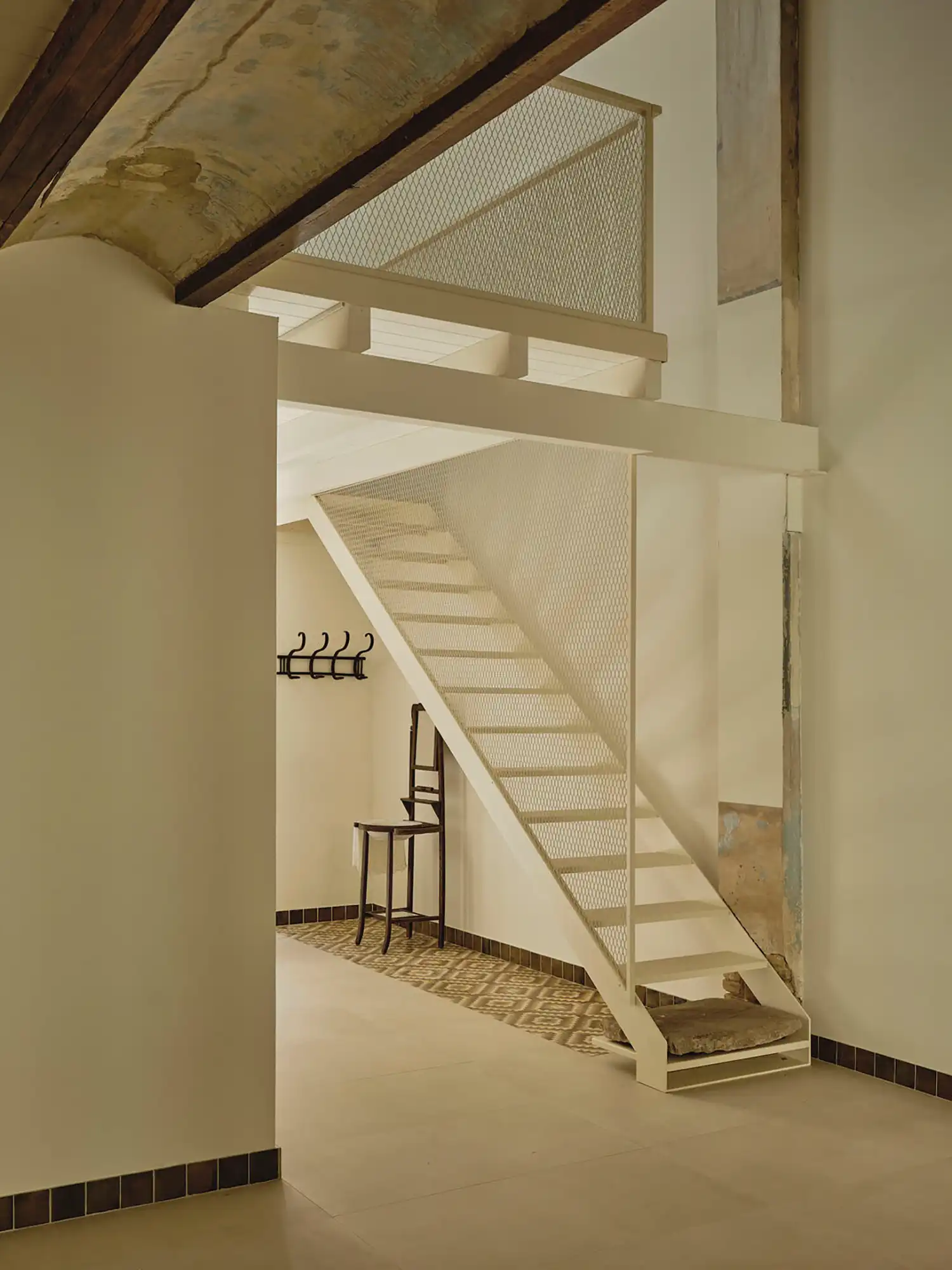
Ultimately, Casa dels Estels is a project of architectural honesty. It proves that the humble materials of the past—earth, timber, and brick—are perfectly suited for high-end residential design when handled with sensitivity. By focusing on heritage preservation through the lens of functionality, ENDALT Arquitectes has created a dwelling that feels both timeless and distinctly of its moment. It is a house where grain once sat and now books are kept, a seamless transition from a working agricultural past to a refined, contemporary future.