

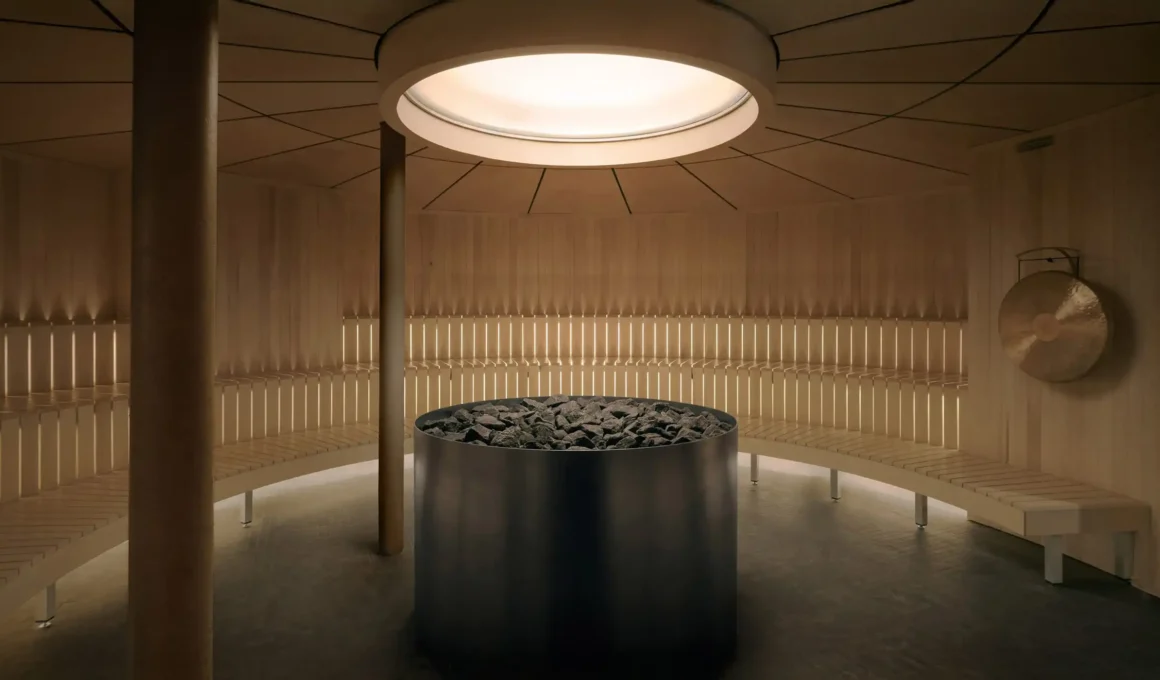
A new temple of ritualistic wellness has emerged within the historic heart of Montreal, signaling a profound evolution in how we perceive the intersection of architecture, self-care, and the urban environment. Designed by the visionary team at Future Simple Studio, the Recess Thermal Station is not merely a spa but a highly curated wellness space that marks a significant collaboration with Aesop. In a city defined by its harsh winters and rich industrial heritage, this project offers a subterranean sanctuary where the concept of the “thermal circuit” is elevated to a form of spatial poetry. The design moves away from the clinical aesthetics often associated with modern hydrotherapy, opting instead for a brooding, monochromatic palette that invites introspection and a slower pace of being.
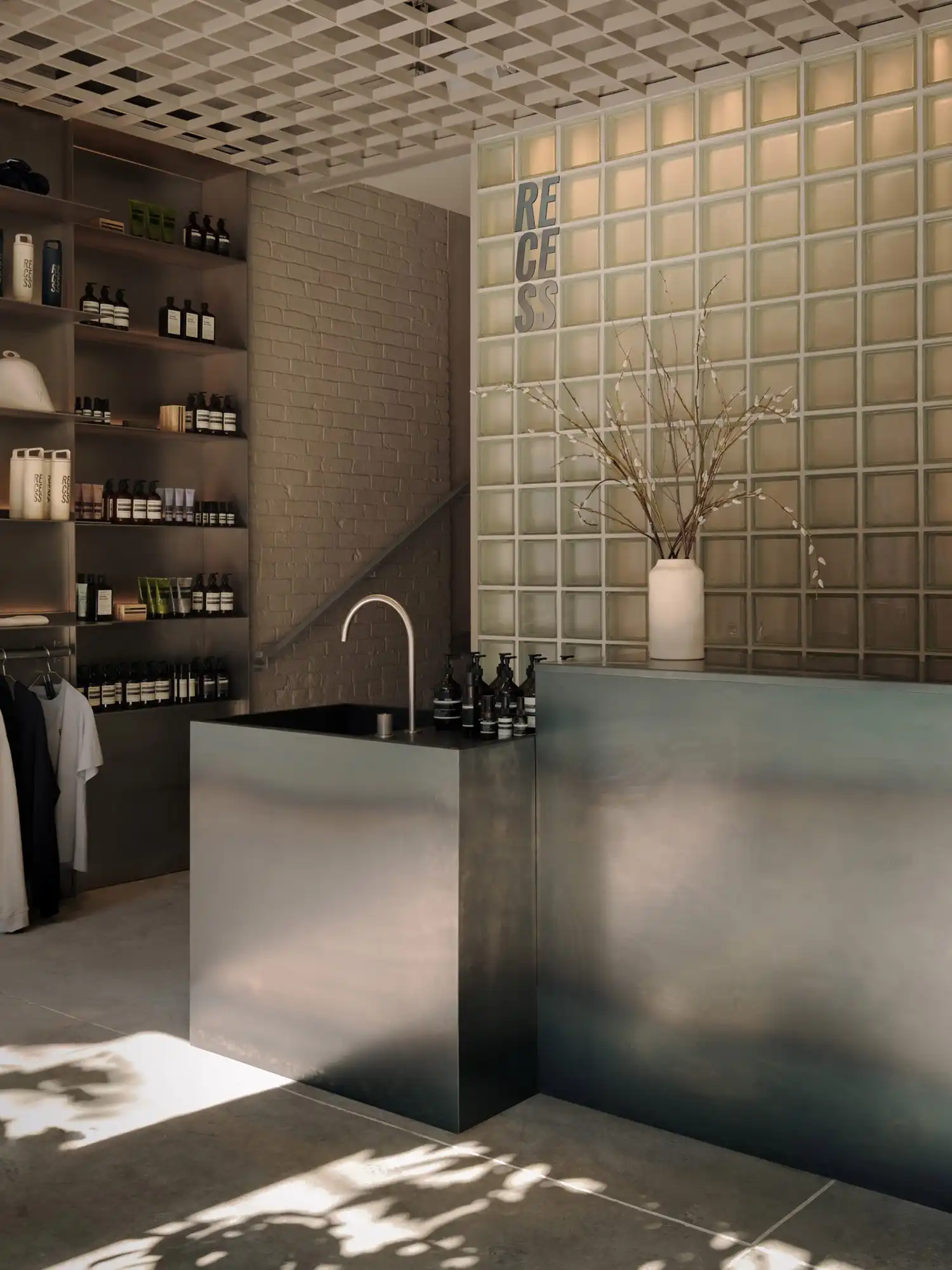
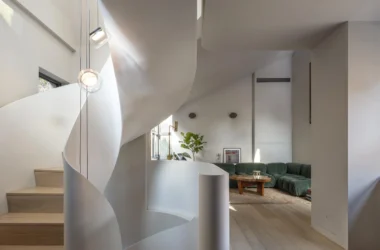
Architectural identity as a sensory signature has long been the cornerstone of the Aesop brand, which has famously eschewed the “one-size-fits-all” retail model in favor of deep contextual integration. This thermal station is the latest chapter in a global narrative where the brand acts as a patron of high-tier architecture to anchor itself within a city’s specific soul. We have seen this strategy manifest in the earthy, textured brickwork of the Madrid location and the Victorian-inspired opulence of the Leeds County Arcade, where the design pays homage to local craftsmanship. Even in the minimalist, light-filled volumes of the Barcelona store, the focus remains on how a physical space can communicate a brand’s ethos without uttering a word. At Recess, this philosophy transcends retail, transforming a skincare destination into a full-body architectural experience.
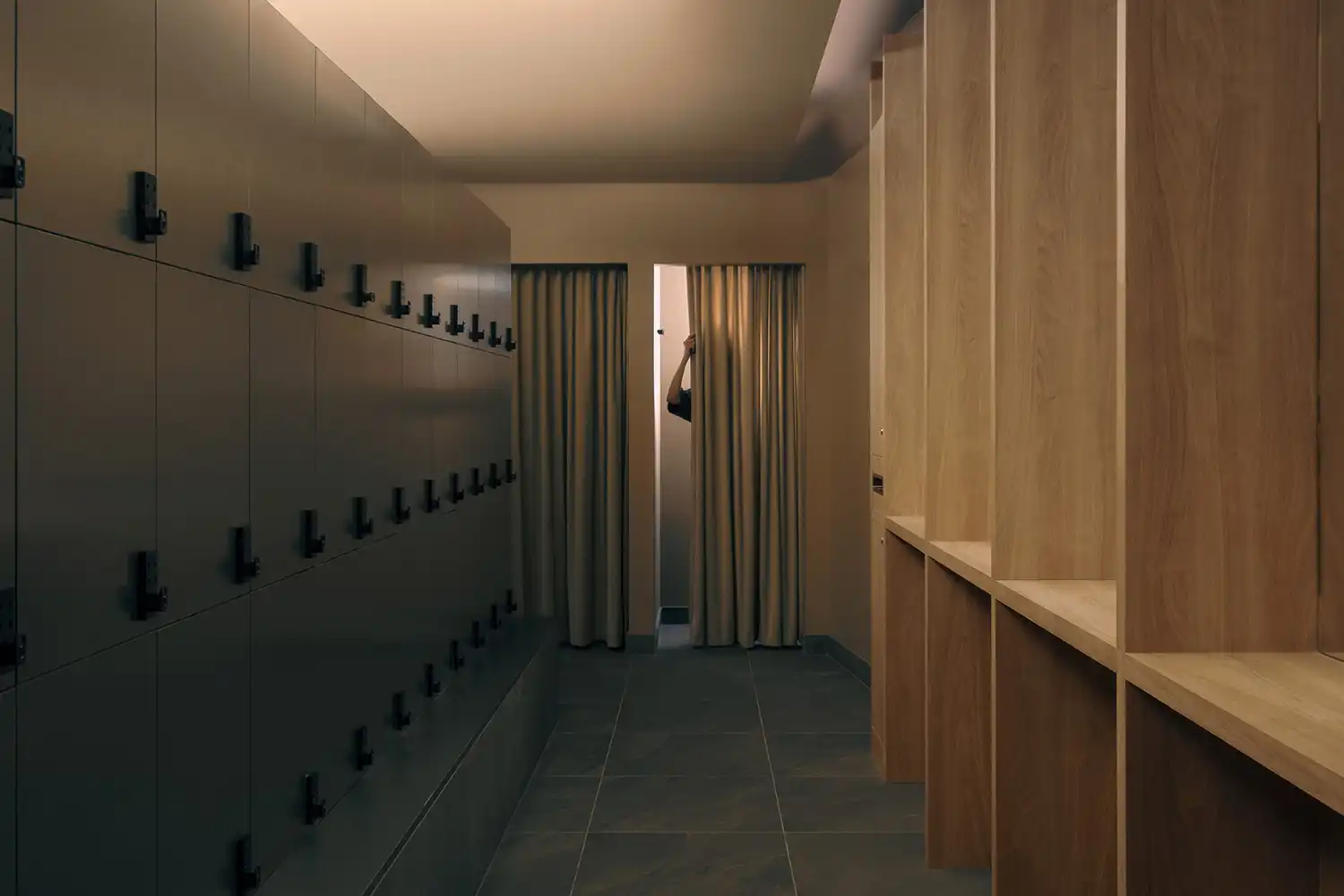
The tactile dialogue of raw materials defines the interior landscape of the station, where Future Simple Studio has orchestrated a masterclass in material tension. The space is anchored by the heavy presence of lava stone and basalt, creating a grounded, almost geological atmosphere that feels shielded from the bustling streets of Old Montreal. These dark, porous surfaces are juxtaposed against the clinical precision of stainless steel fixtures and the warmth of cedarwood in the saunas. The sensory experience is immediate: the cold touch of metal, the rough grain of stone underfoot, and the scent of wood oil suspended in the humid air. It is a “brutalist” approach to comfort, where the luxury lies in the authenticity of the materials rather than superficial ornamentation.
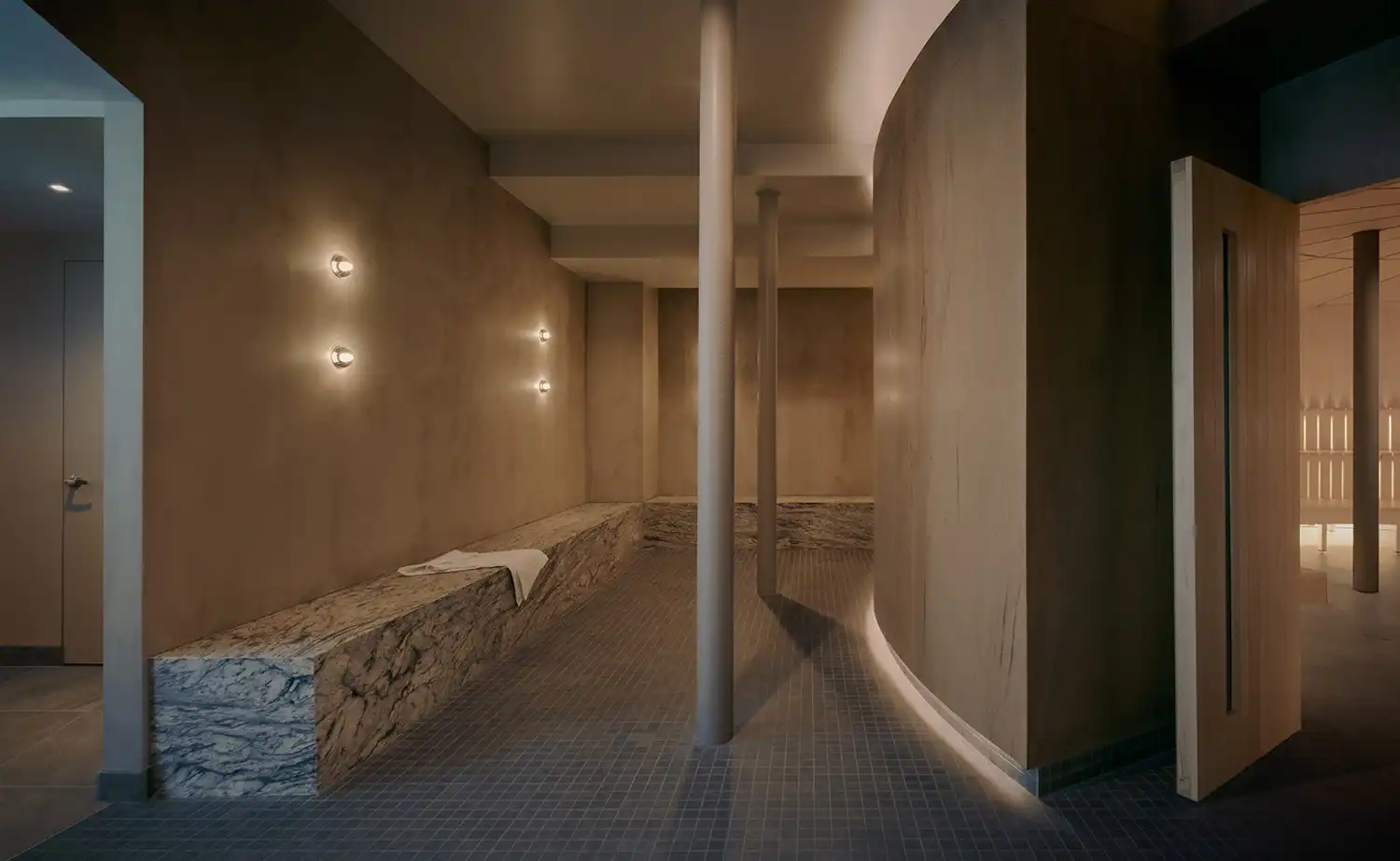
A choreography of light and temperature guides the visitor through the hydrotherapy circuit, a sequence designed to shock and then soothe the nervous system. The lighting is intentionally recessed and indirect, casting long shadows that emphasize the monumental geometry of the baths. As guests move from the dry heat of the sauna to the invigorating bite of the cold plunge, the architecture acts as a silent conductor. The steam room, encased in translucent surfaces, creates a blurring of boundaries, where the physical structure seems to dissolve into a misty, ethereal void. This play between the solid and the ephemeral is what elevates the project from a functional bathhouse to a piece of experiential art.

Reimagining the urban fabric of Old Montreal required a delicate balance between honoring the past and proposing a contemporary future. The Recess Thermal Station occupies a historic building, yet its interior feels entirely disconnected from the chronological constraints of the outside world. By utilizing a minimalist design language that prioritizes volume and shadow, Future Simple Studio has created a “non-place” where the passage of time is measured only by the rhythm of one’s breath. The project demonstrates how heritage architecture can be repurposed not just for commerce, but for the restoration of the human spirit, providing a necessary counterpoint to the digital fatigue of modern life.
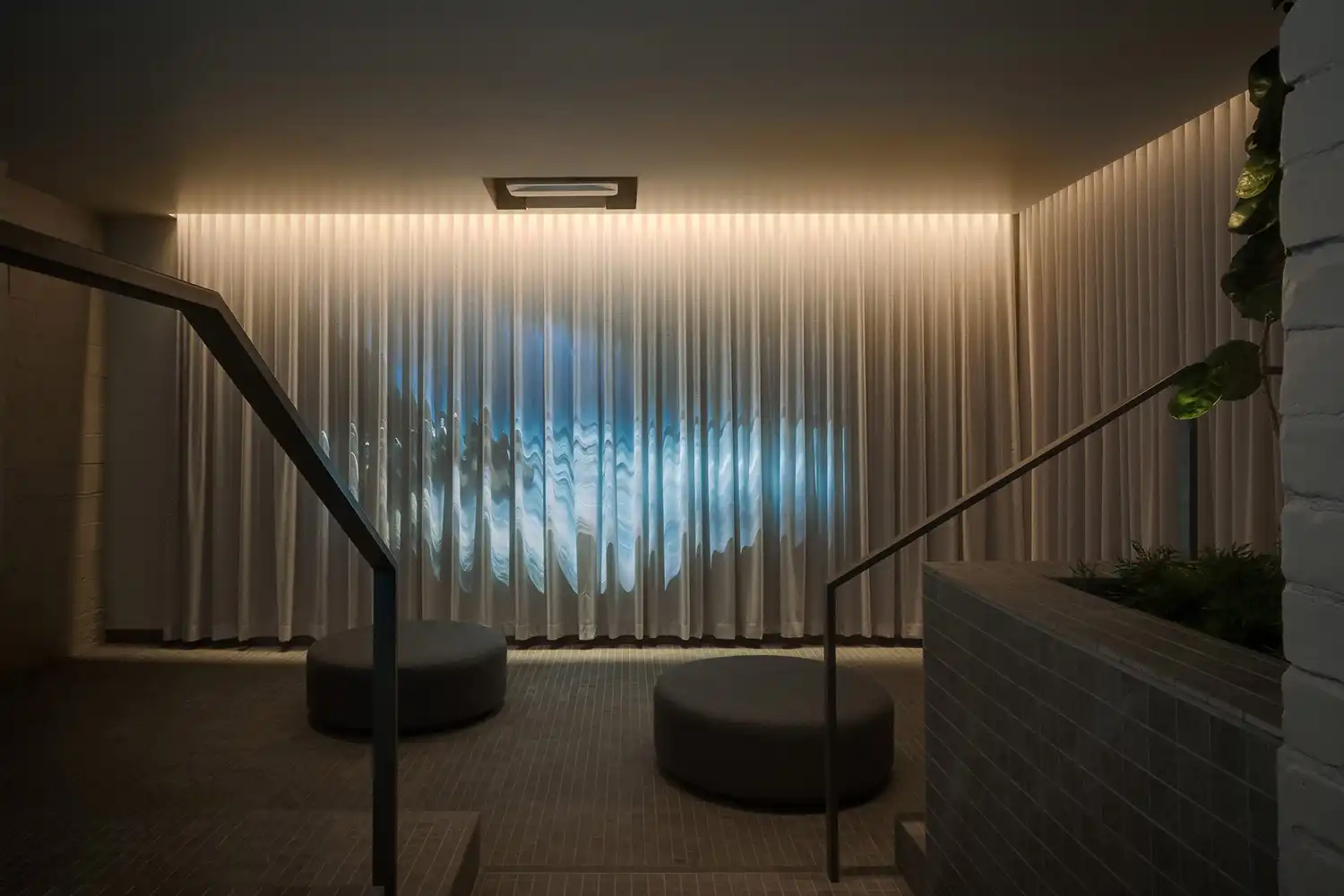
Redefining the boundaries of the self and the city, this project stands as a testament to the power of atmospheric design. It proves that the most successful wellness spaces are those that provide more than just a service—they provide a sanctuary that feels both ancient and futuristic. For Aesop, the partnership with Future Simple Studio reinforces its position as a cultural curator rather than just a brand, showing that the most intimate connection one can have with a space is through the skin. In the cold climate of Canada, this thermal station is a glowing coal in the hearth of the city, a reminder that architecture is at its most potent when it serves the fundamental human need for warmth, ritual, and repose.