

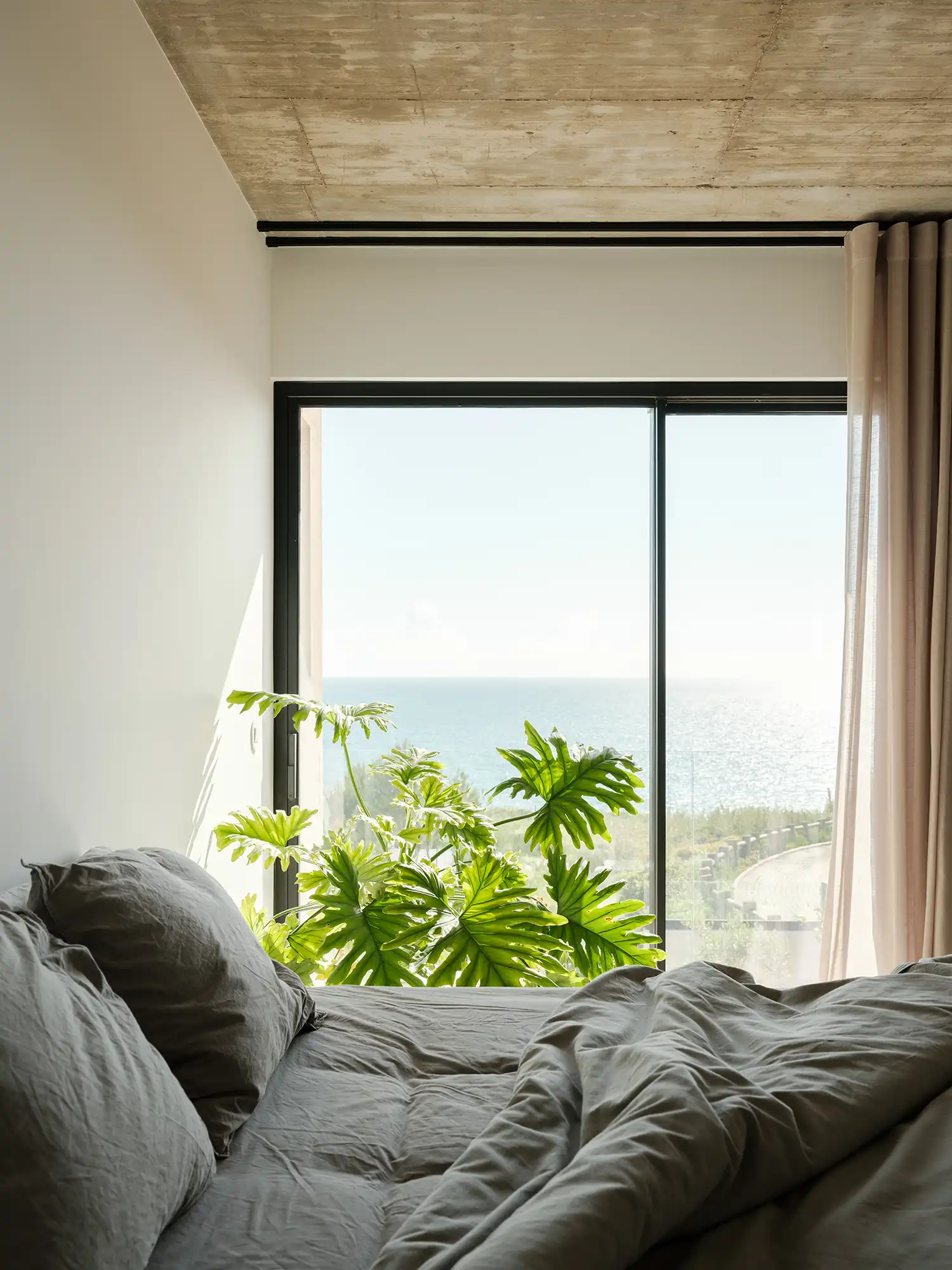
A surfer and remote worker sought a permanent residence where the ocean was not just a view but a core part of the living experience. The result is Casa Horizonte, a stunning seafront property located on a privileged, cliff-top plot on the outskirts of Ericeira, Portugal. The clients, who had previously collaborated with Mamey Home in Madrid, commissioned the studio once again, this time in partnership with the local Portuguese practice LinhadeTerra, to create a home designed specifically to inhabit the horizon.
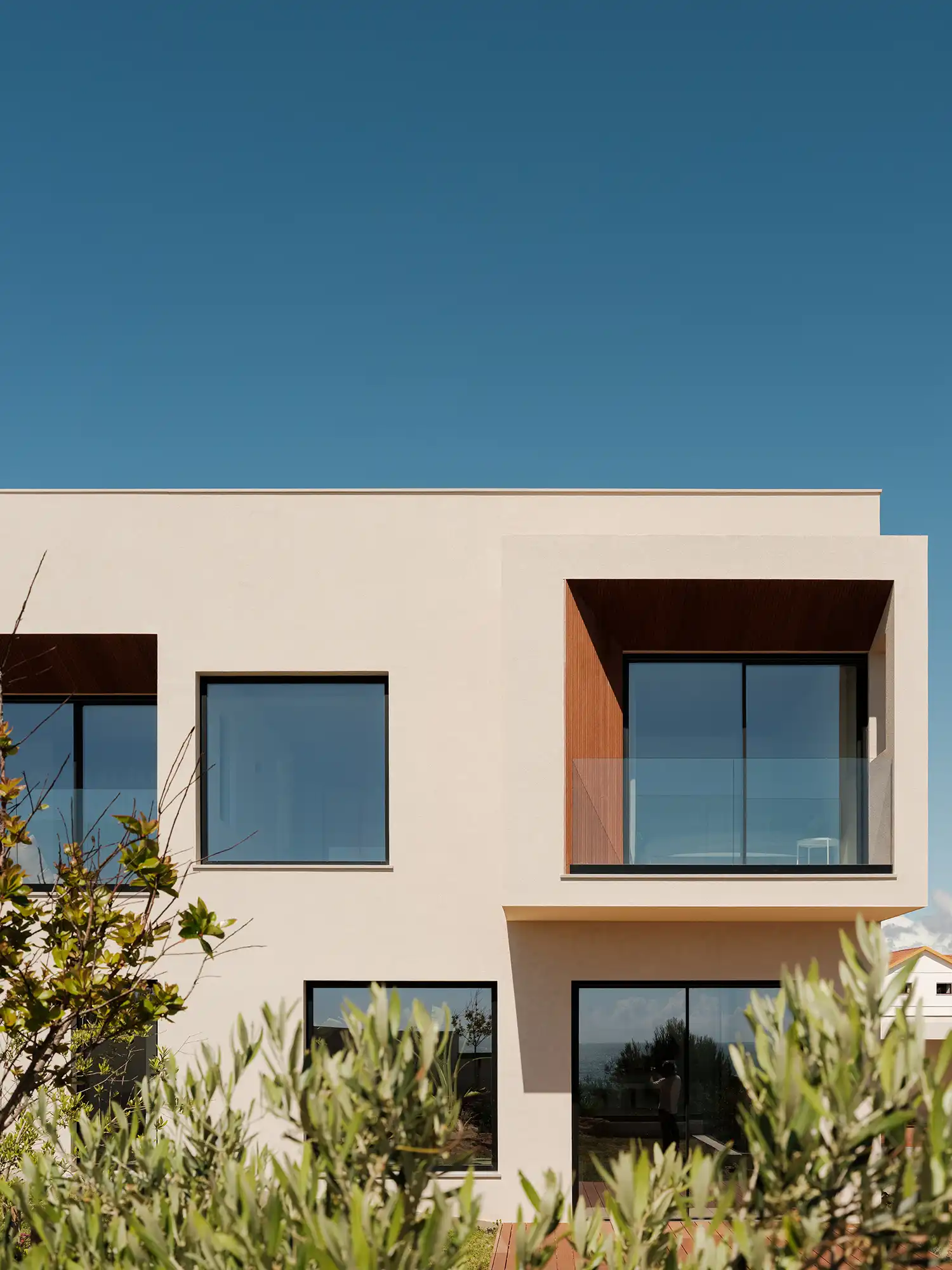
The site presented a compelling challenge with its steep topography and fully west-facing orientation. The architectural response needed to prioritize sweeping Atlantic Ocean views while providing protection from the strong direct sunlight and creating a sense of privacy from neighboring plots. The goal was to craft a dwelling that felt both open to the vast landscape and intimately sheltered, seamlessly blending indoor and outdoor living.
The solution crystallized into a clear and orderly structure: a square grid of 3×3 modules. This layout is a direct interpretation of John Hejduk’s Nine Square Grid theory, a modern architectural framework that provided a coherent and flexible system for organizing the space. Within this grid, each cell, defined by a combination of visible and hidden columns, corresponds to a specific function, while strategically placed patios and terraces extend the interior spaces outward, dissolving the boundary between inside and out.
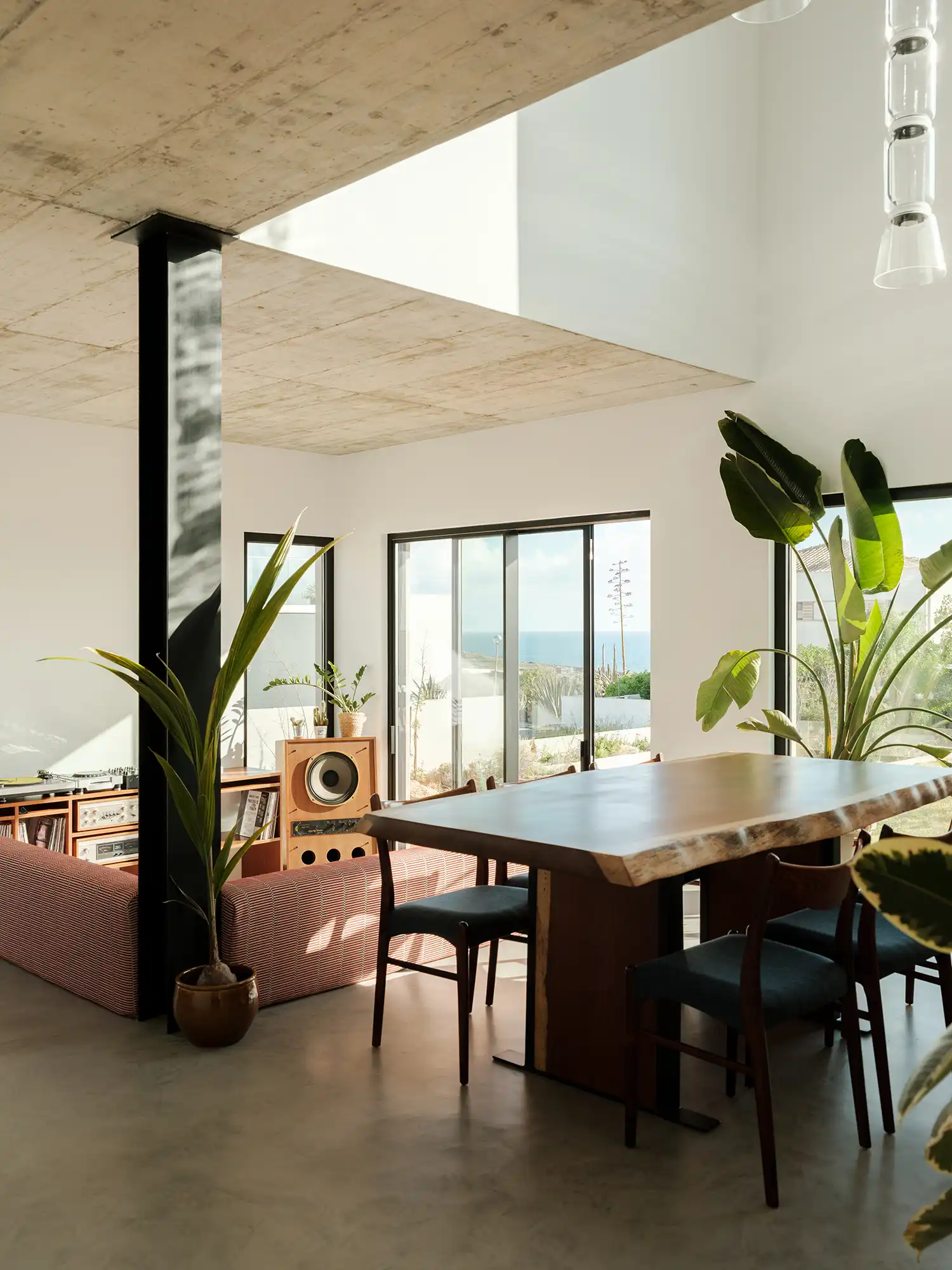
The house unfolds over two main floors and an accessible rooftop terrace offering 180-degree vistas. The lower, semi-buried floor cleverly uses the natural slope to house service areas, enhancing the building’s thermal efficiency. The main social areas and the primary bedroom are positioned on the upper level for optimal engagement with the seascape. A double-height space connects the levels vertically, animated by a light-filled staircase that allows sunlight and views to permeate the core of the home.
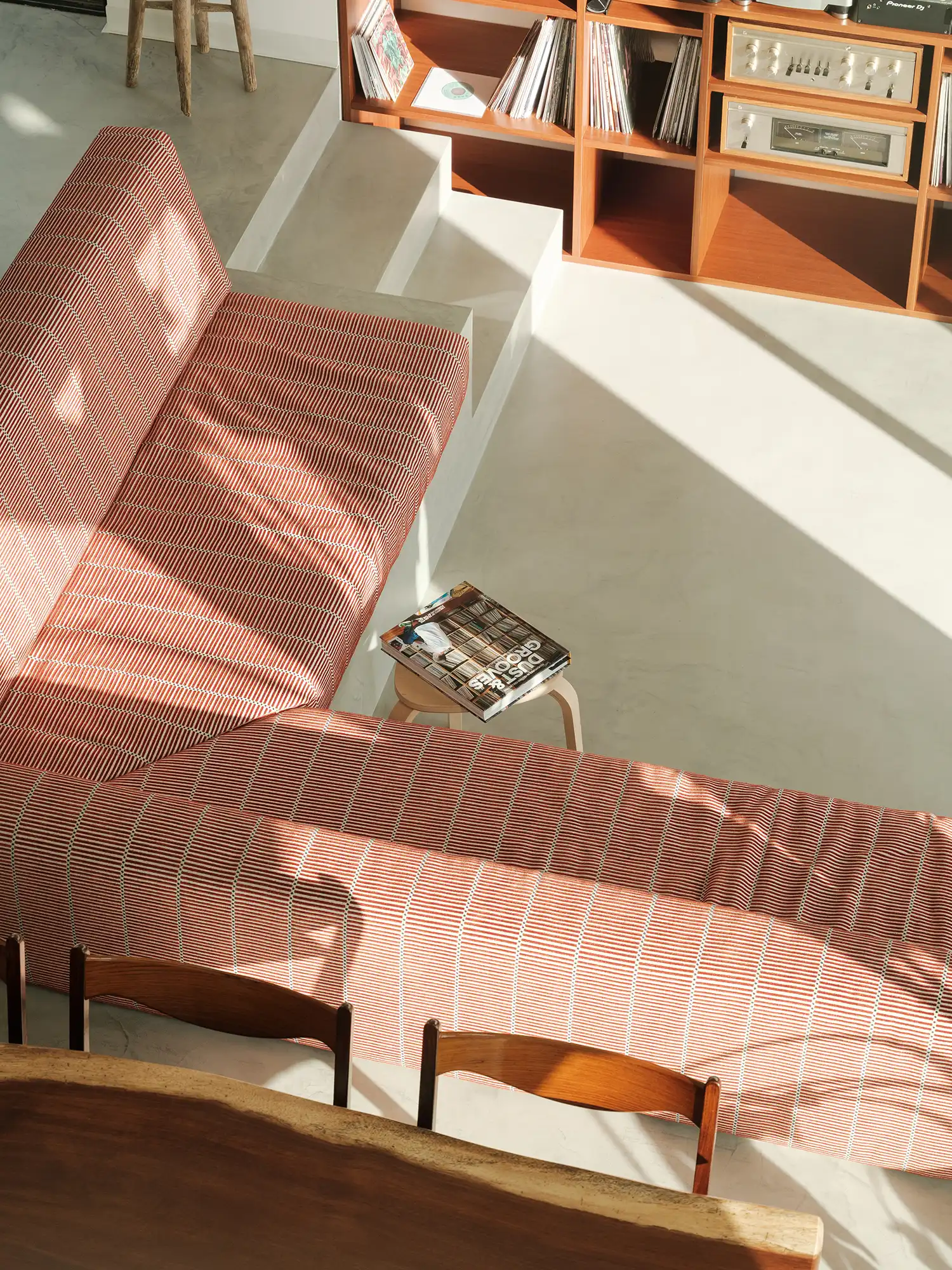
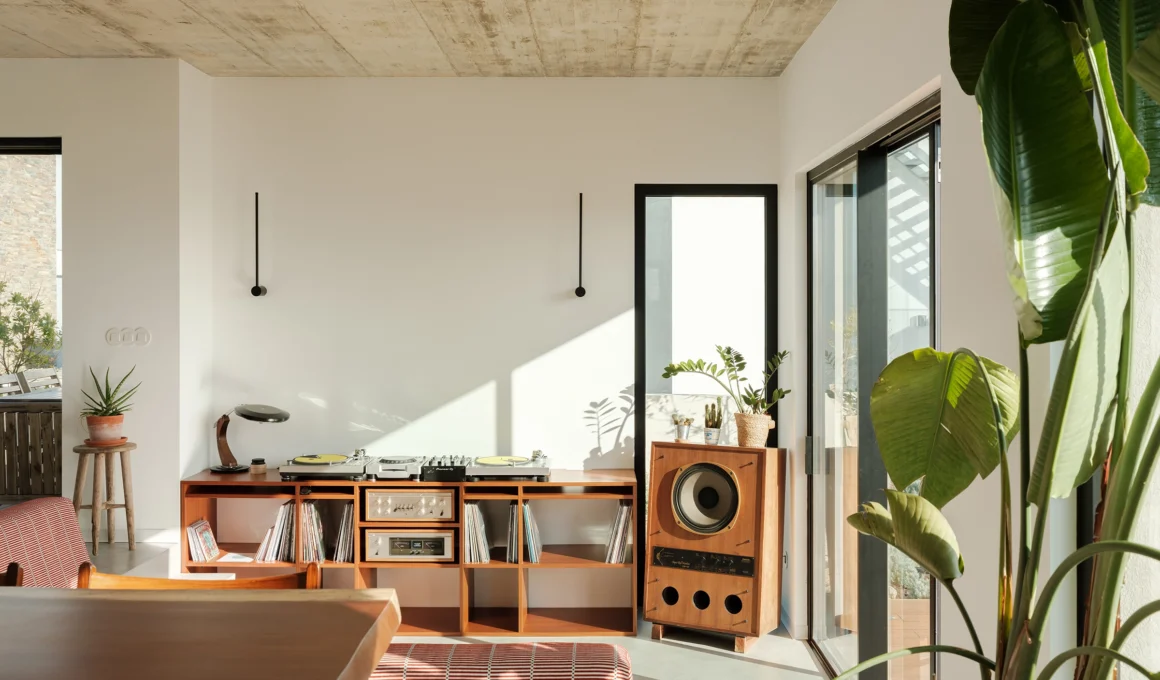
In a masterful spatial move, the living room is set lower than the rest of the floor, bringing it closer to the garden and reinforcing a powerful sense of shelter as one gazes out to the sea. The atmosphere throughout is serene and warm, defined by hidden doors, interconnected spaces, and carefully framed openings lined with wooden niches. The material palette of polished concrete flooring and exposed slabs is balanced with selected wood and metal details, adding texture and warmth to the minimalist aesthetic.
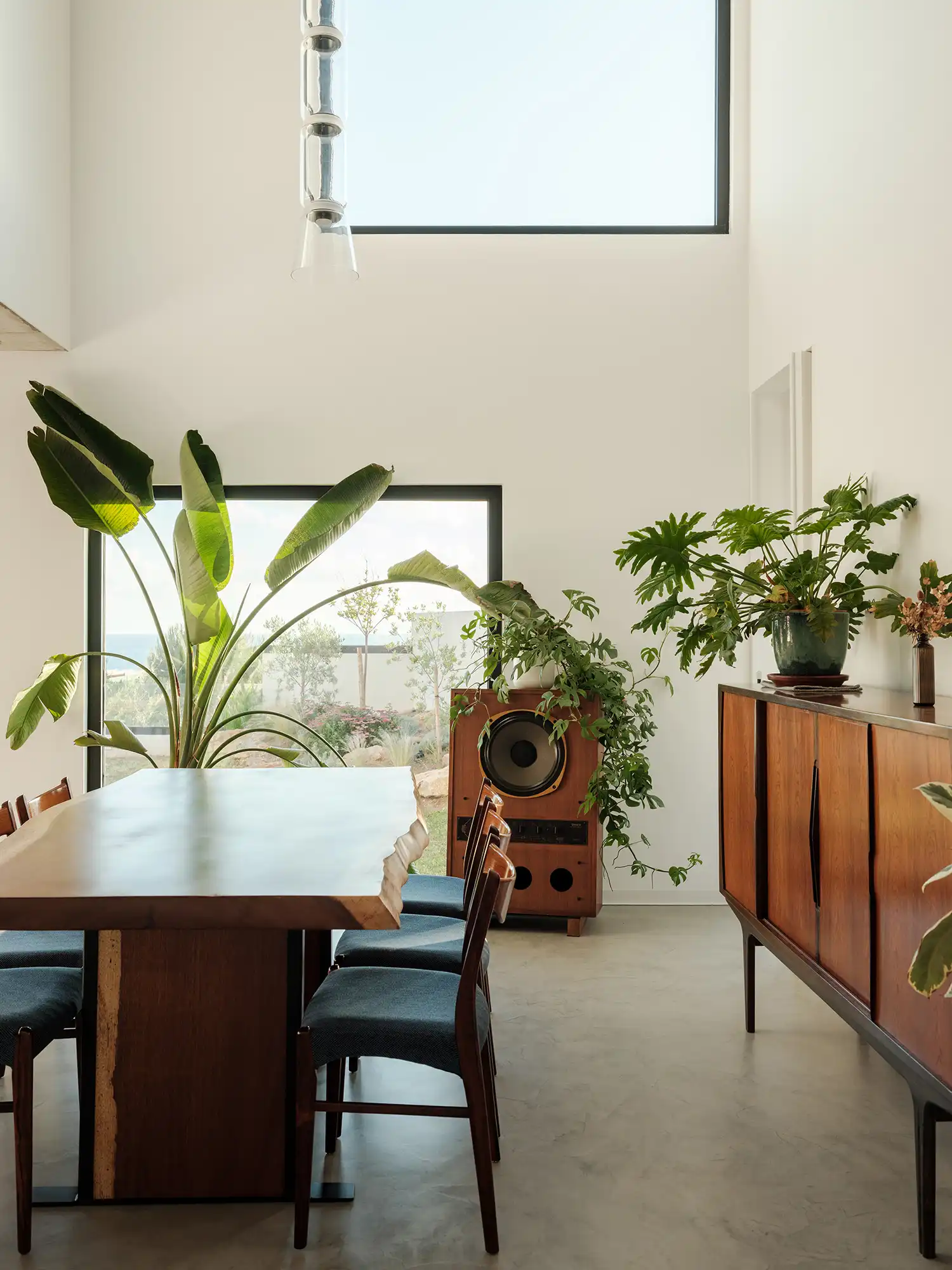
Although the project was designed from Madrid, its successful execution relied on a vital collaboration with Portuguese architect Raul Serra of LinhadeTerra. His local expertise was instrumental in coordinating technical studies, managing permits, and overseeing the construction with exceptional rigor. This synergy between Spanish design vision and Portuguese on-the-ground knowledge ensured that Casa Horizonte is not only a beautiful object but a home deeply and respectfully integrated into its spectacular coastal context.