


The flowers in your garden may add charm and vibrancy. Still, the right paving can elevate the beauty of your pathways, patio, or overall garden, tying everything together to create a breathtaking outdoor haven. Your choice of paving material might be the most significant decision when designing your garden.
Consider this: you may occasionally touch a plant, swing open a gate, or lounge on outdoor furniture, but your feet are always in contact with your garden’s surface. Like plants, paving materials bring colour, texture, and pattern to your space. Unlike plants that change with the seasons, paving offers year-round consistency and appeal.
Paving materials generally fall into two main categories: quarried stone and composite materials. Quarried stone, such as granite or slate, is excavated and shaped through processes like cutting, splitting, or crushing. Composite materials, such as precast and brick concrete pavers, are manufactured by moulding when soft and then fired or dried to harden.
The extensive variety of paving materials makes designing your garden exciting, but the sheer number of options can feel overwhelming. Each type has pros and cons, and some are better suited to specific uses and settings. In this post, we’ll share the most popular types of garden paving to help you choose the perfect paving for your garden.
The Most Popular Types of Garden Paving
Natural Stone Paving
Natural stone paving is highly sought after for its elegance, durability, and uniqueness. Materials such as sandstone, limestone, slate, and granite are common choices.
Sandstone: Known for its warm tones, ranging from beige and golden hues to earthy reds. It’s ideal for creating a rustic or Mediterranean-style garden.
Limestone: Offers a smooth and sophisticated finish, often found in shades of grey, black, or cream. Perfect for contemporary settings.
Slate: Typically available in dark greys and blacks, slate is renowned for its sleek, modern aesthetic and non-slip texture.
Granite: Exceptionally hard-wearing, granite comes in a range of speckled colours and works beautifully in high-traffic areas.
Advantages:
High durability and weather resistance.
Distinctive textures and natural patterns.
Ages beautifully, developing character over time.
Best Use: Patios, dining areas, and paths.
Concrete Paving
Dry-cast concrete pavers are a popular and practical choice for both domestic and commercial settings. They’re budget-friendly, simple to install, and highly adaptable, catering to various styles and design preferences. Available in many shapes, colours, and finishes, concrete pavers can emulate interlocking brick patterns, industrial concrete looks, or other custom designs.
These pavers are incredibly durable, handling heavy traffic with ease. Their versatility makes them suitable for driveways, patios, garden pathways, and more, blending practicality with aesthetics.
Stamped Concrete: Creates patterns resembling bricks, cobblestones, or tiles.
Textured Concrete: Offers grip and safety, perfect for wet conditions.
Advantages:
Cost-effective compared to natural stone.
Available in various colours and designs.
Requires minimal maintenance.
Best Use: Modern gardens, utility spaces, and large outdoor areas.
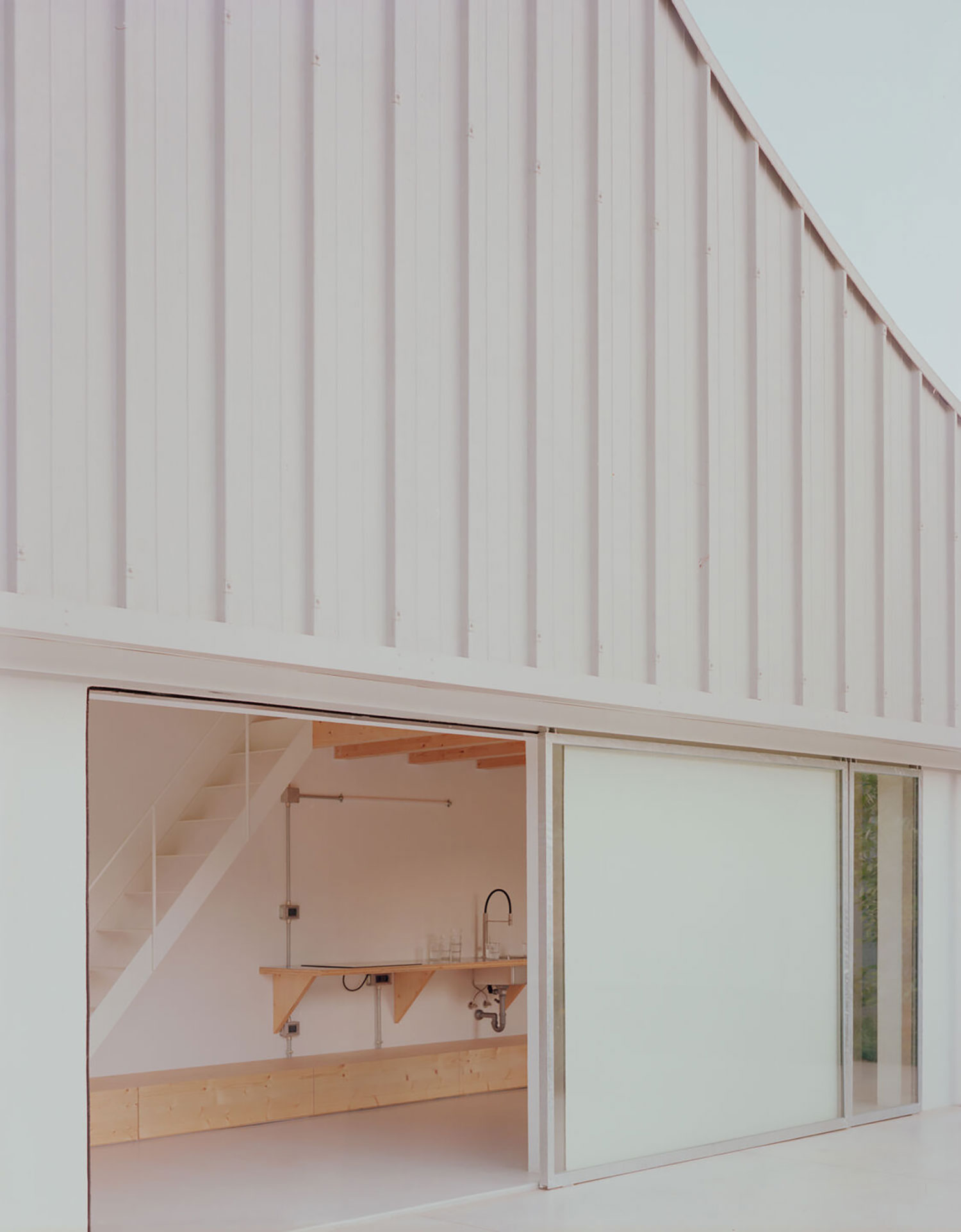
Porcelain Paving
Porcelain has become a leading modern paving material, celebrated for its durability, scratch resistance, and versatility. It provides a stylish, low-maintenance option that enhances the beauty of outdoor spaces without compromise.
This material offers aesthetic flexibility, with finishes mimicking stone, wood, concrete, or natural stone, making it easy to match any garden style. Although premium porcelain, such as Italian varieties, can be expensive, its exceptional durability ensures long-term value, making it a wise investment.
Advantages:
Highly resistant to stains, scratches, and weather conditions.
Low maintenance, as it resists moss and algae growth.
Comes in various finishes, including wood or stone effects.
Best Use: Contemporary gardens, poolside areas, and minimalist designs.
Brick Paving
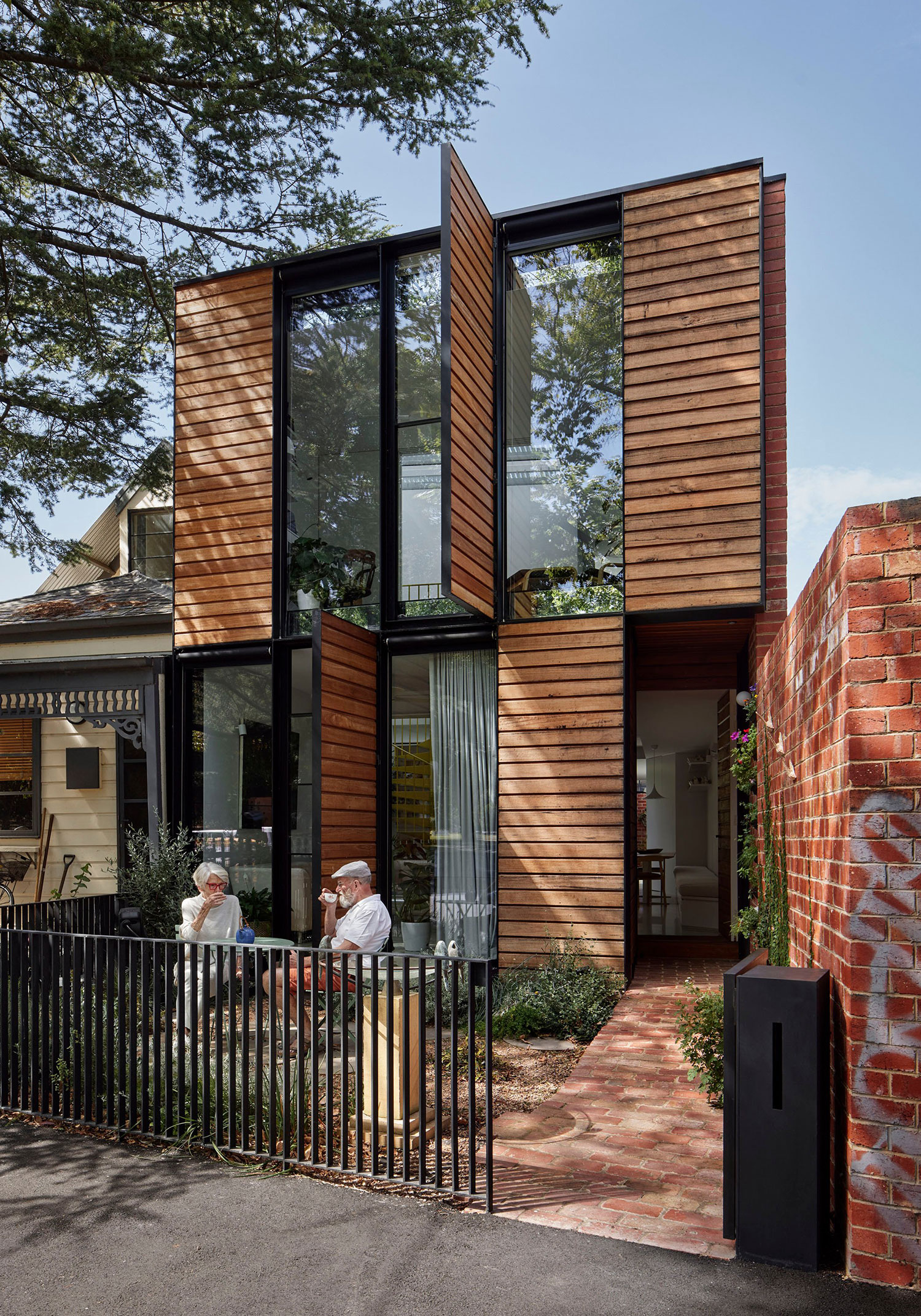
Brick paving brings character and warmth to a garden. Commonly used for pathways, it creates a cosy, classic aesthetic.
Advantages:
Offers a timeless look with rustic appeal.
Excellent longevity with proper care.
Can be arranged in various patterns like herringbone, basketweave, or running bond.
Best Use: Pathways, driveways, and cottage gardens.
Tarmac
Tarmac is a favoured choice for driveways due to its durability and low maintenance requirements. The bitumen compound binding the aggregate creates a robust surface that withstands both heavy vehicle and foot traffic for years.
However, while its industrial aesthetic and muted tones have their appeal, tarmac is generally unsuitable for garden paths or walkways around your home. It’s most often reserved for driveway use, where its resilience truly shines.
Advantages:
Highly durable
It provides excellent drainage, making it suitable for rainy climates.
Works well in combination with other paving materials.
Best Use: Pathways, driveways, and edging around larger paved areas.
Cobblestone Paving
Cobblestones, made from granite or natural stone, have been used for centuries. They’re durable, elegant, and can handle heavy loads.
Advantages:
Adds a timeless, antique appeal.
Extremely hard-wearing and long-lasting.
Non-slip surface, even in wet weather.
Best Use: Driveways, paths, and traditional garden designs.
Decking Stones or Stepping Stones
Stepping stones or irregularly placed decking stones can provide a whimsical touch. Typically made from stone, concrete, or wood, they guide visitors while maintaining a natural feel.
Advantages:
Minimal disturbance to greenery.
Customisable placement for unique layouts.
Low-cost and easy to install.
Best Use: Woodland gardens, informal pathways, and around ponds or water features.
Popular Types of Garden Paving by Style
If you’re unsure which material to choose but have a clear vision of the aesthetic you want, you can select pavers based on their style instead.
Interlocking Pavers
These pavers are engineered to fit together like a puzzle, featuring grooves and ridges on their edges. When laid in a pattern, they lock securely into place, creating a strong and stable surface. Common materials for interlocking pavers include concrete and brick, making them a popular choice for driveways and pathways.
Tumbled Pavers
Tumbled pavers are treated to achieve a distressed, aged appearance, giving them a rustic, weathered charm. This effect is created by tumbling the pavers in a drum to produce a more textured and time-worn finish, perfect for creating a classic, vintage look.
Textured Pavers
With a rough, non-slip surface, textured pavers are designed for safety and practicality. Their finish is achieved through processes like sandblasting, etching, or brushing. These pavers are ideal for areas exposed to heavy traffic, such as walkways, driveways, and pool surrounds, offering both function and style.
Smooth Pavers
Smooth pavers boast a flat, polished surface free from texture or roughness, creating a clean, sleek appearance. They are often used to achieve a modern aesthetic or as a contrast to textured pavers in more traditional designs, adding a touch of sophistication to any outdoor space.
Final Thoughts
Installing the right paving for your garden isn’t just about practicality; it’s an investment in beauty and enjoyment. Whether you lean towards sleek porcelain or classic cobblestones, there’s a paving solution that suits your vision. Consider both the style and functionality you’re aiming for and with the popular options we’ve discussed, you can create a garden that’s not only visually stunning but also stands the test of time.