


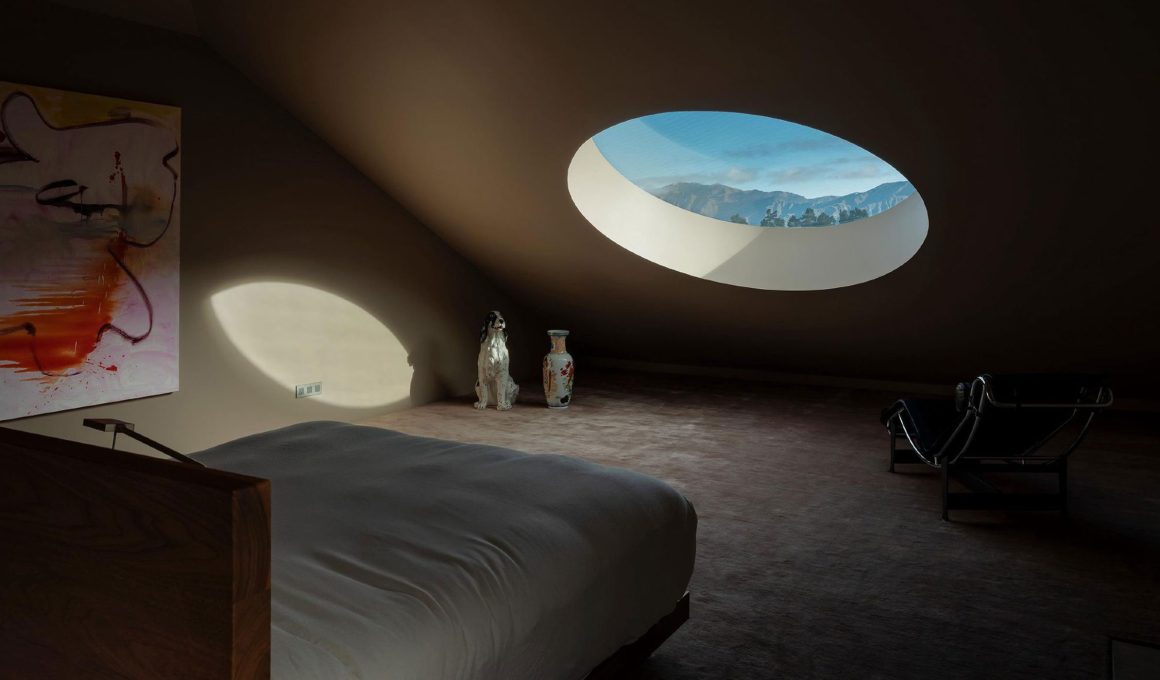
Nestled within the dramatic embrace of New Zealand‘s Crown Range, Keshaw McArthur’s Openfield House stands as a testament to architectural restraint and profound connection to place. It’s not merely a dwelling; it’s an exercise in distilled geometry, a deliberate blurring of the lines between human habitation and the raw, untamed landscape.
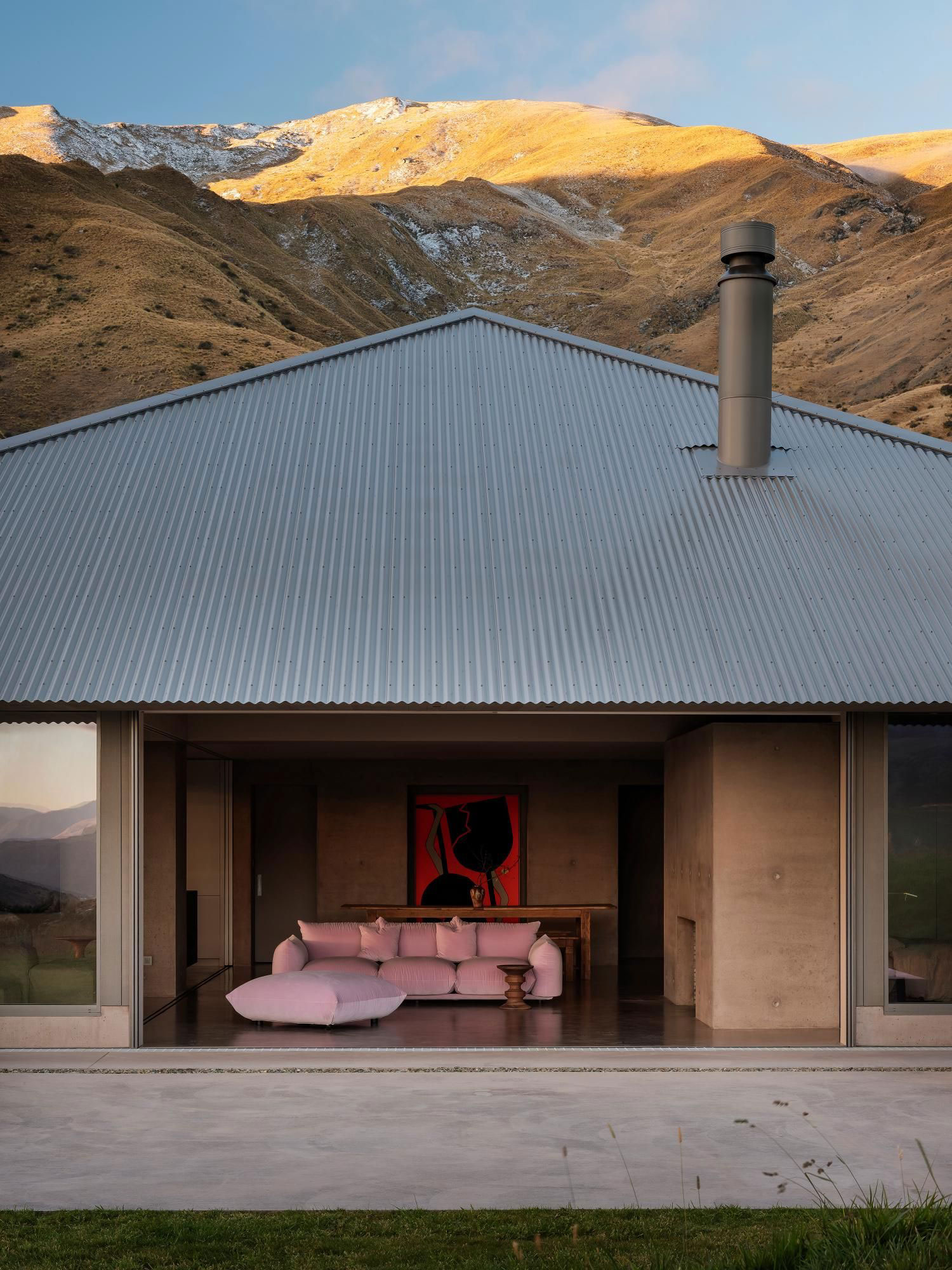
The studio’s own description speaks of “an object of pure geometry,” and indeed, the house presents itself with a striking simplicity. Collaborating with UK-based Matheson Whiteley, McArthur has crafted a home that eschews unnecessary embellishment, focusing instead on a “rationalised grid” that allows for a fluid, adaptable living space. This approach, rooted in the region’s vernacular – think miner’s huts and agricultural sheds – provides a familiar, almost archetypal form within a breathtakingly unique setting.
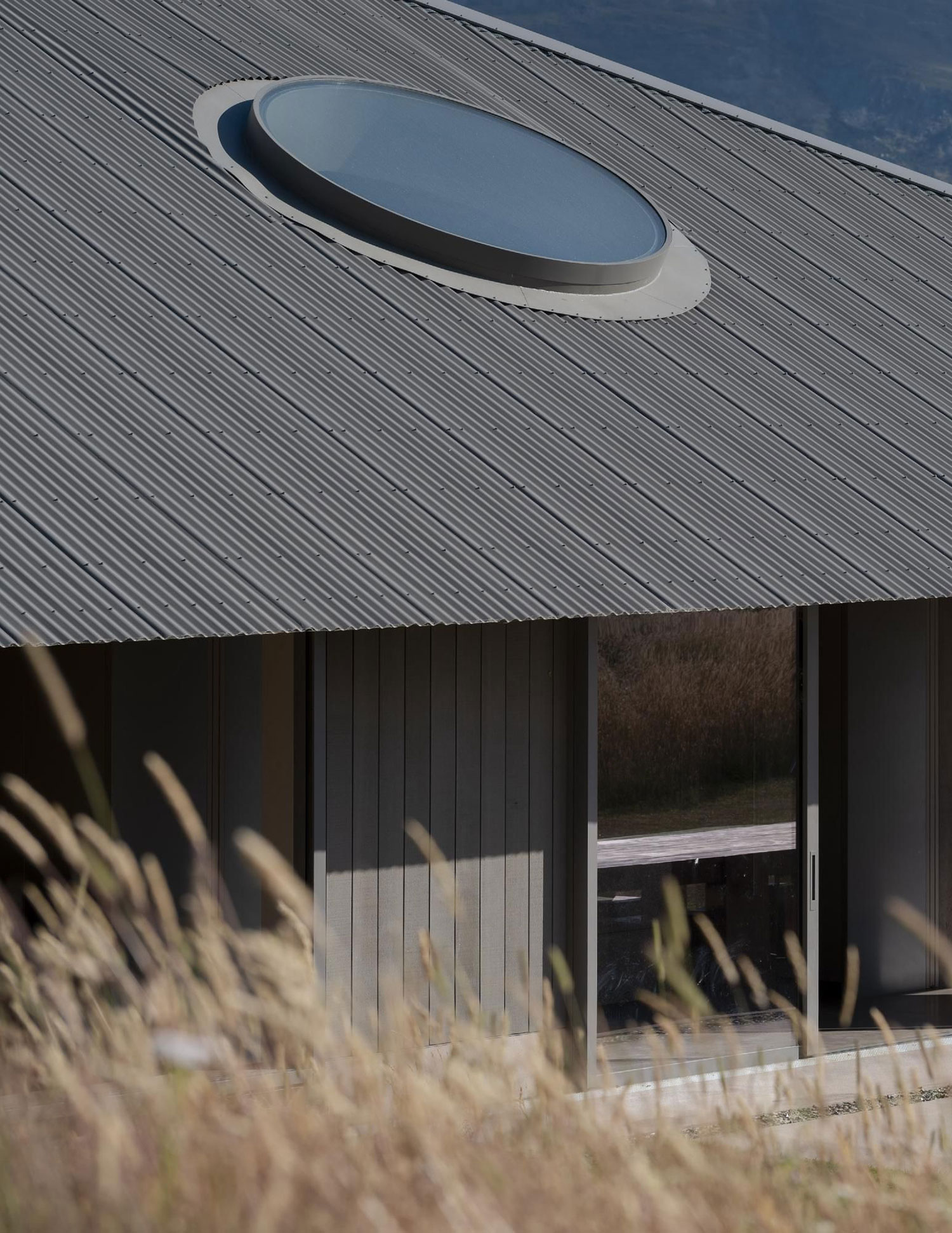
The square plan, topped with a corrugated roof, acts as a canvas for the interplay between solid and void. Heavy concrete volumes, rising from the earth like monolithic outcroppings, serve as anchors within the “continuous field” of the interior. These are not just structural elements; they are extensions of the mountainous terrain itself, grounding the lighter cedar-clad volumes that huddle beneath the simple metal roof.
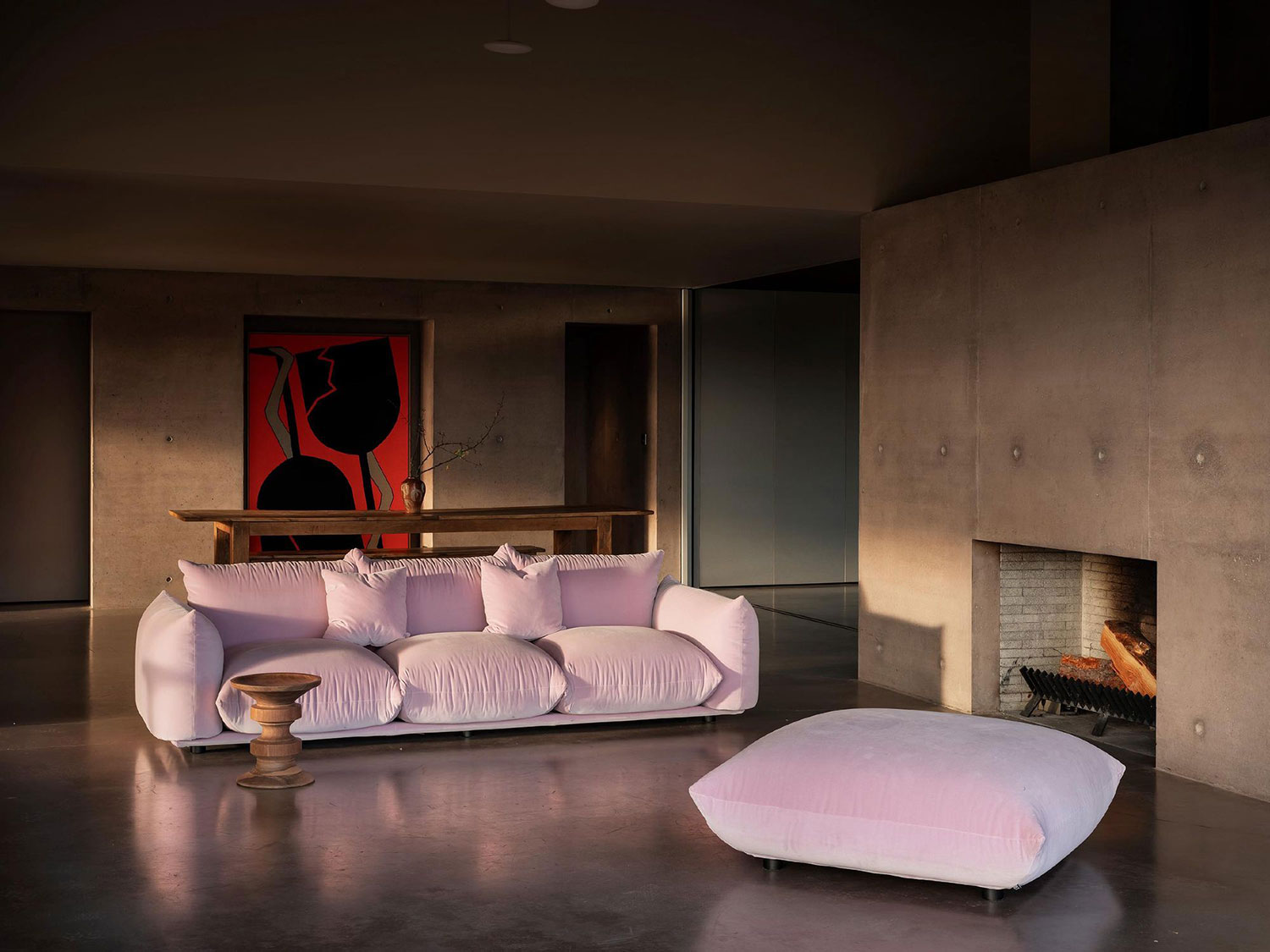
At the heart of this composition lies a grand open fireplace, a primal element that reinforces the connection to the earth. It’s a focal point, a gathering place, and a powerful symbol of the home’s purpose: to facilitate a “poetic notion of connecting people to their human experience.”
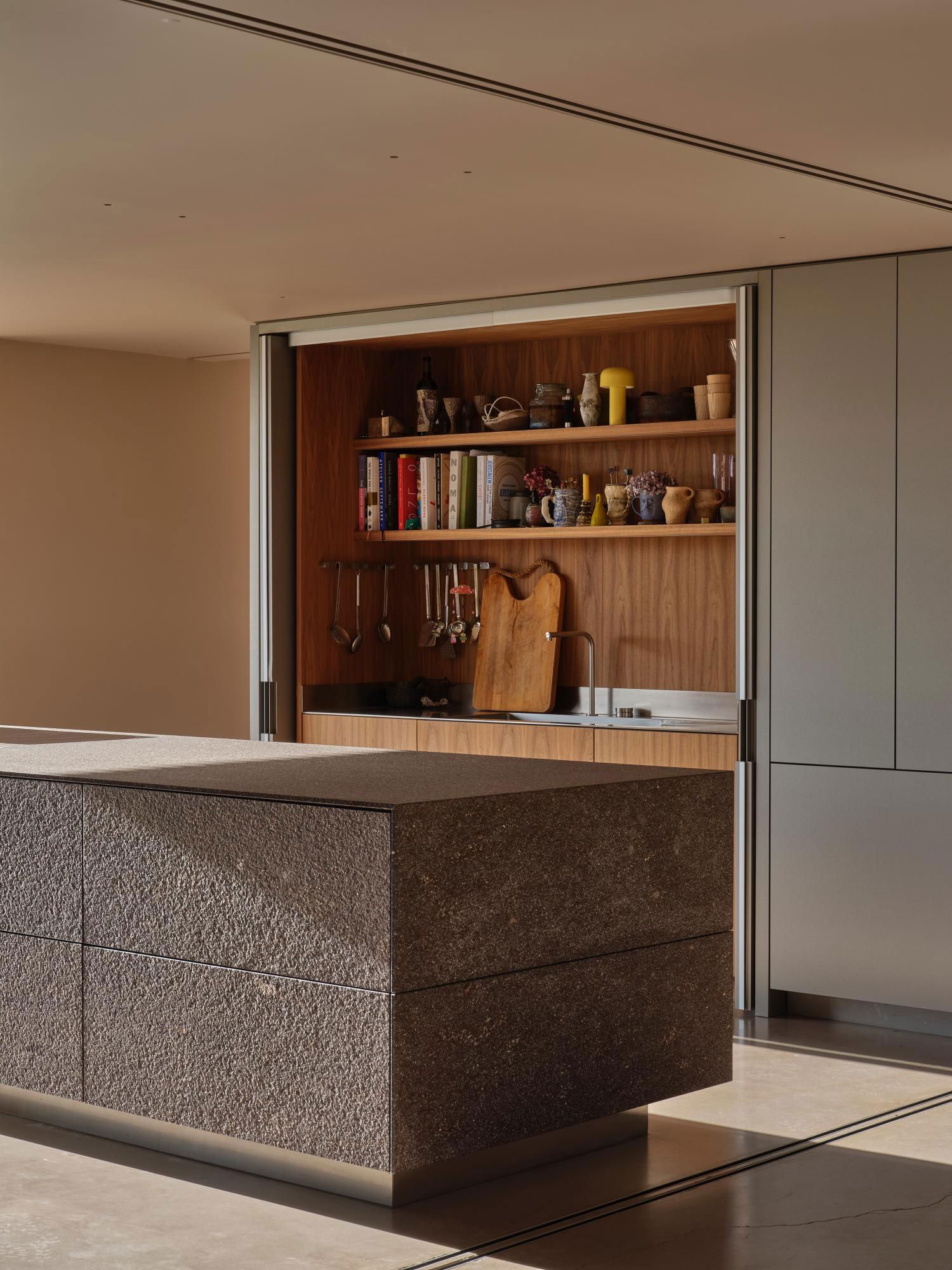
The material palette is equally restrained, prioritizing authenticity and a sense of permanence. Natural stone and timber, their textures and tones echoing the surrounding landscape, create an impression that the house has always been there, a natural fixture of the terrain. This “material restraint” serves a deeper purpose, emphasizing a “hierarchy of elements” where the enduring concrete forms stand as a testament to the essential, the primal.
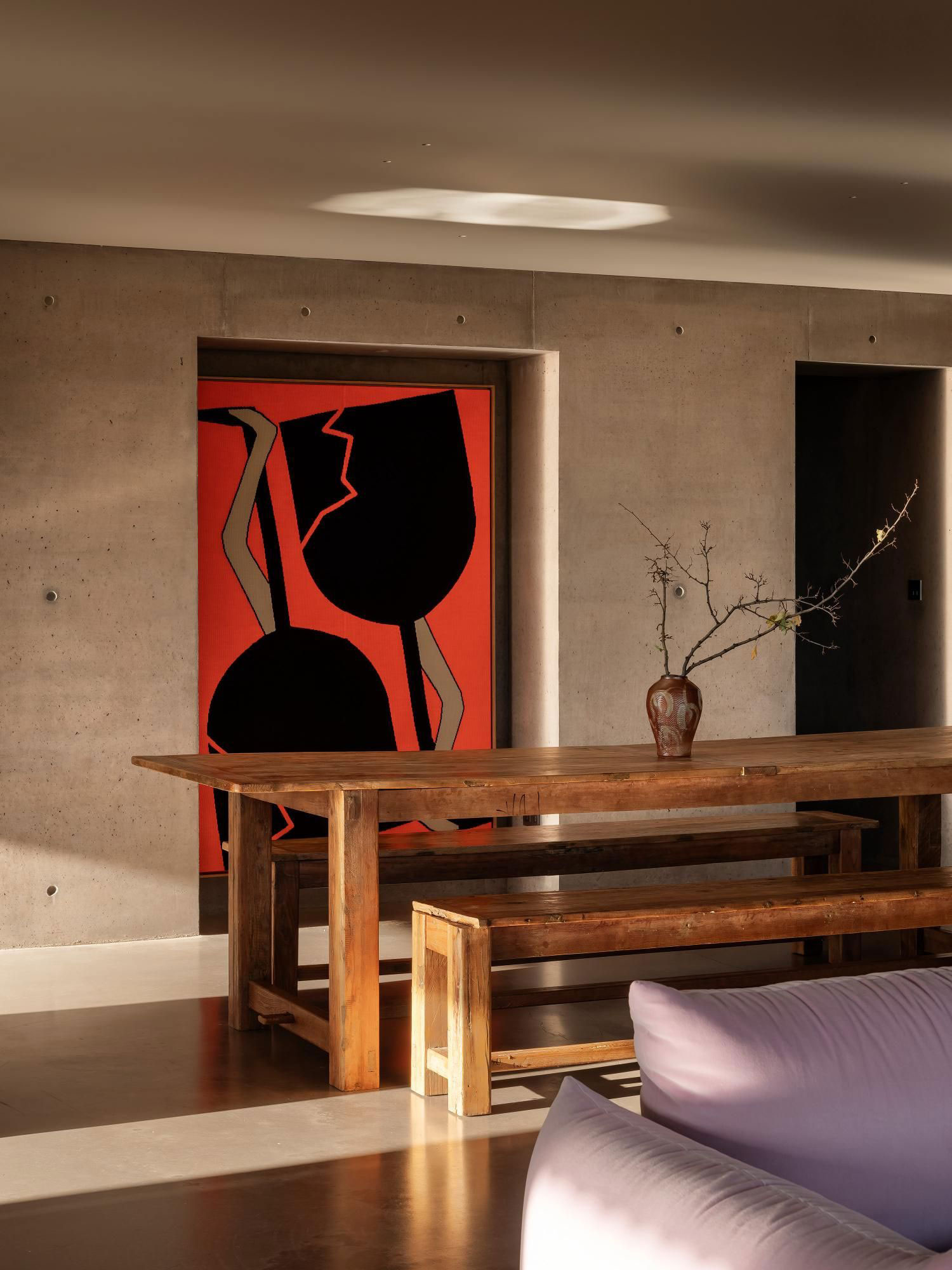
A crucial element of the design is the “interior perimeter,” a space reminiscent of the Japanese en. This zone acts as a threshold, a pause between the interior and exterior, where concealed pocket sliding doors seamlessly integrate with the concrete masses. The result is a dynamic interplay between openness and enclosure, a constant negotiation between the built environment and the natural world.
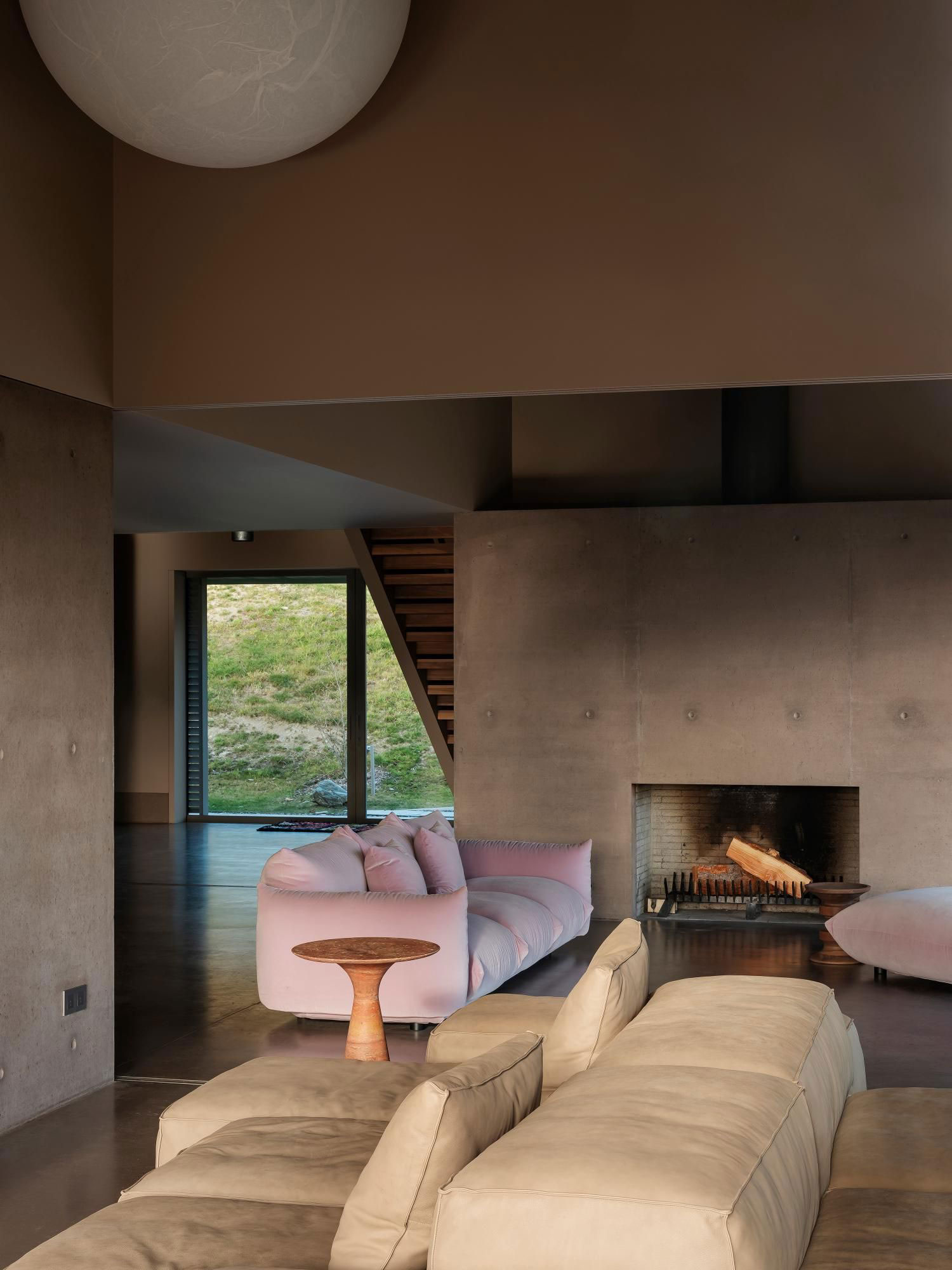
The low concrete upstand that bisects this perimeter further emphasizes this liminal space. It supports a track system for large oversliding glazed doors and timber screens, which appear to float above the ground. When fully open, these doors disappear, leaving only the upstand as a subtle marker of the transition. This blurring of boundaries, this interplay between the “permanent and dynamic,” is central to the Openfield House’s design philosophy.
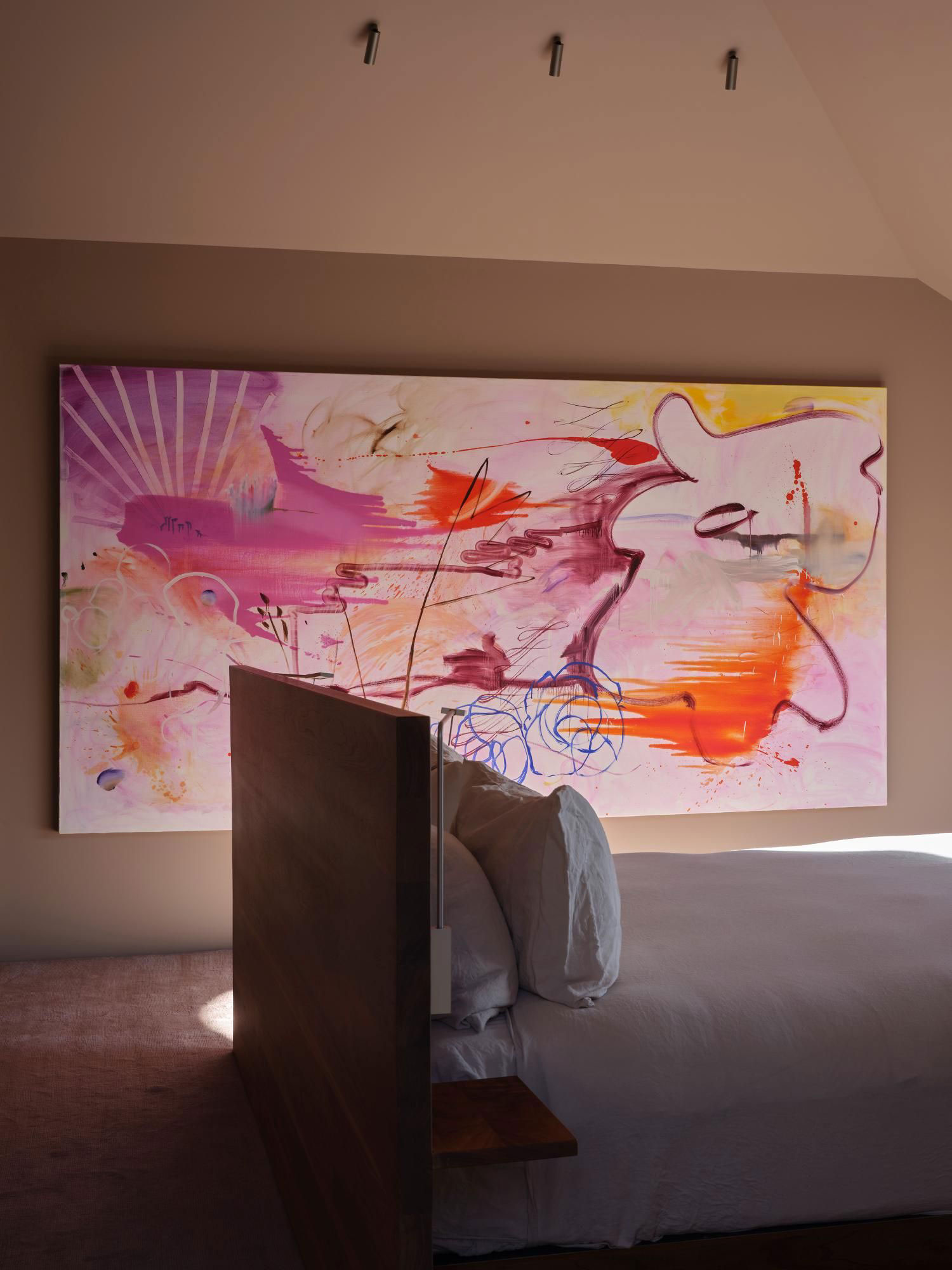
McArthur’s design is not merely about creating a beautiful home; it’s about crafting an experience, a “place of respite for a family with an active lifestyle.” The intention, as the studio suggests, is to offer a sense of tranquility, a feeling akin to “lying under a tree for the afternoon.”
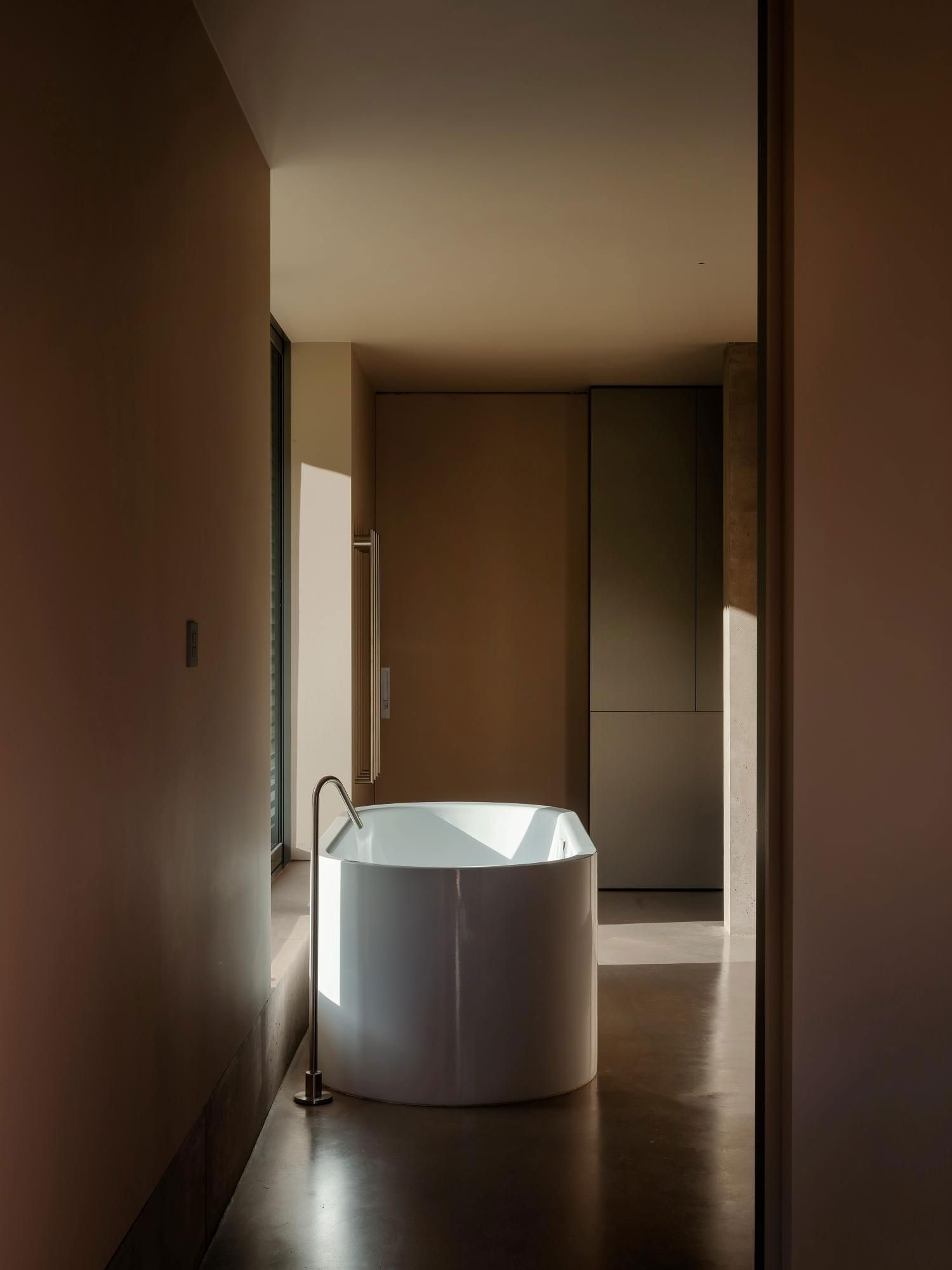
In Openfield House, Keshaw McArthur has achieved a remarkable feat: a home that is both strikingly modern and deeply rooted in its context. It’s a testament to the power of simplicity, a celebration of the raw beauty of the New Zealand landscape, and a profound exploration of the relationship between architecture and the human experience. It’s a masterclass in how to build with sensitivity and respect, creating a dwelling that truly feels like it belongs.