



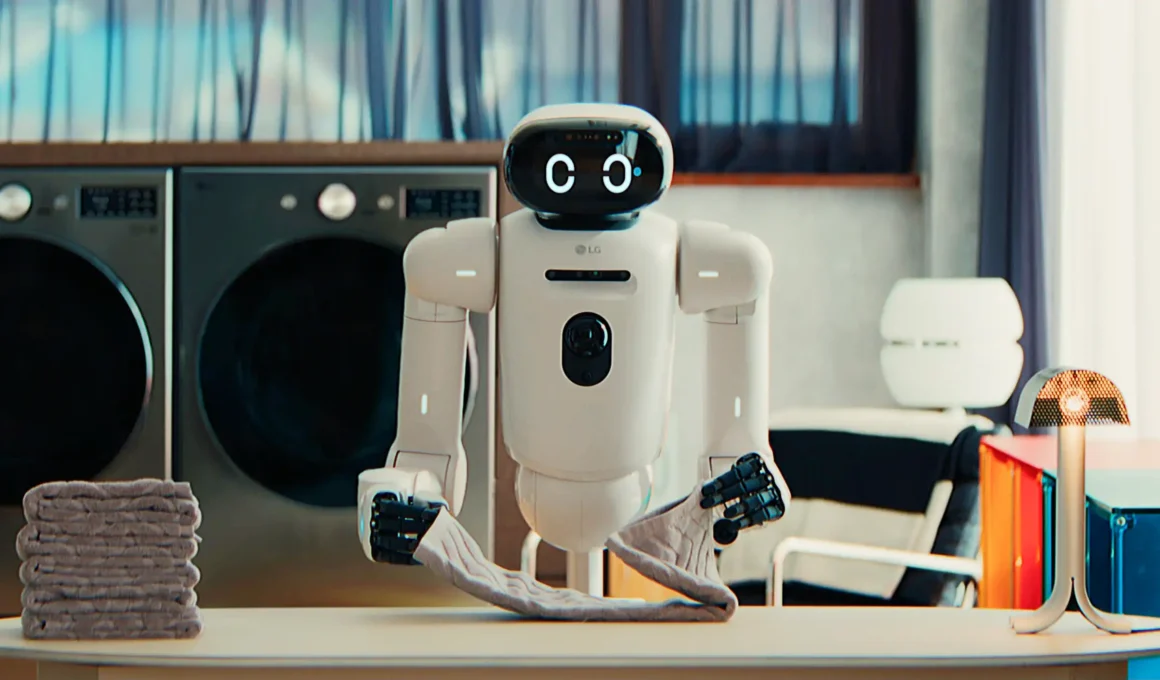
A vision of domestic liberation took center stage this week in Las Vegas, as LG Electronics unveiled its most ambitious leap into residential robotics to date. Debuting at CES 2026, the LG CLOiD is not merely a gadget; it is a sophisticated, biomorphic presence designed to bridge the gap between static smart appliances and the fluid, often chaotic needs of human life. While previous iterations of home tech have focused on “connectivity,” CLOiD shifts the narrative toward “physicality.” It represents a pivot from the digital assistant that tells you the weather to a tangible partner that actually folds the laundry, signaling a profound shift in how we might inhabit our living spaces in the coming decade.
The sensory experience of the machine is surprisingly human-centric, eschewing the cold, industrial aesthetic of traditional robotics for a form factor that feels approachable yet high-tech. Standing on a stabilized, wheeled base, CLOiD features a tilting torso and a “head” that serves as a digital face, capable of expressing nuance through its integrated display and voice-based generative AI. There is a rhythmic elegance to its movements—a necessity for a machine designed to operate in the intimate confines of a kitchen or bedroom. In a demonstration at the Las Vegas Convention Center, the robot navigated a simulated home with a quiet, purposeful hum, retrieving milk from a refrigerator with a level of spatial awareness that felt more like a dance than a calculation.
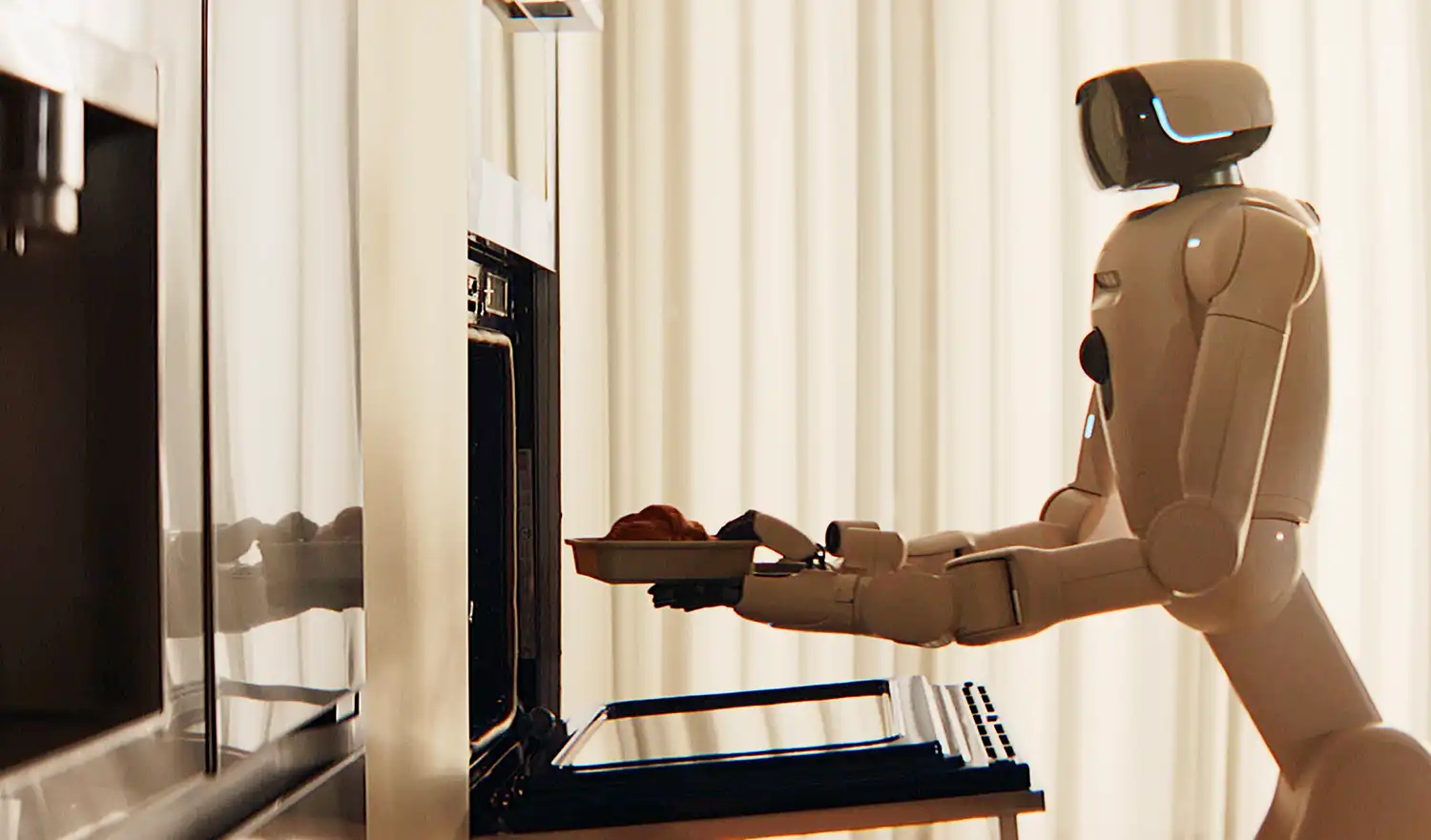
The technical virtuosity of the limb is where LG’s engineering prowess truly manifests. Each of CLOiD’s two articulated arms boasts seven degrees of freedom, mirroring the complex mobility of a human arm. While we have recently seen the rise of specialized robotic-arm-equipped cleaning systems designed for floor maintenance, LG’s CLOiD aims for a much broader domestic utility. From the shoulder to the independently actuated five-finger hands, the robot is built for fine manipulation. This allows it to handle delicate tasks, such as sliding a croissant into an oven or stacking freshly dried garments, without the clumsy rigidity often associated with service robots.
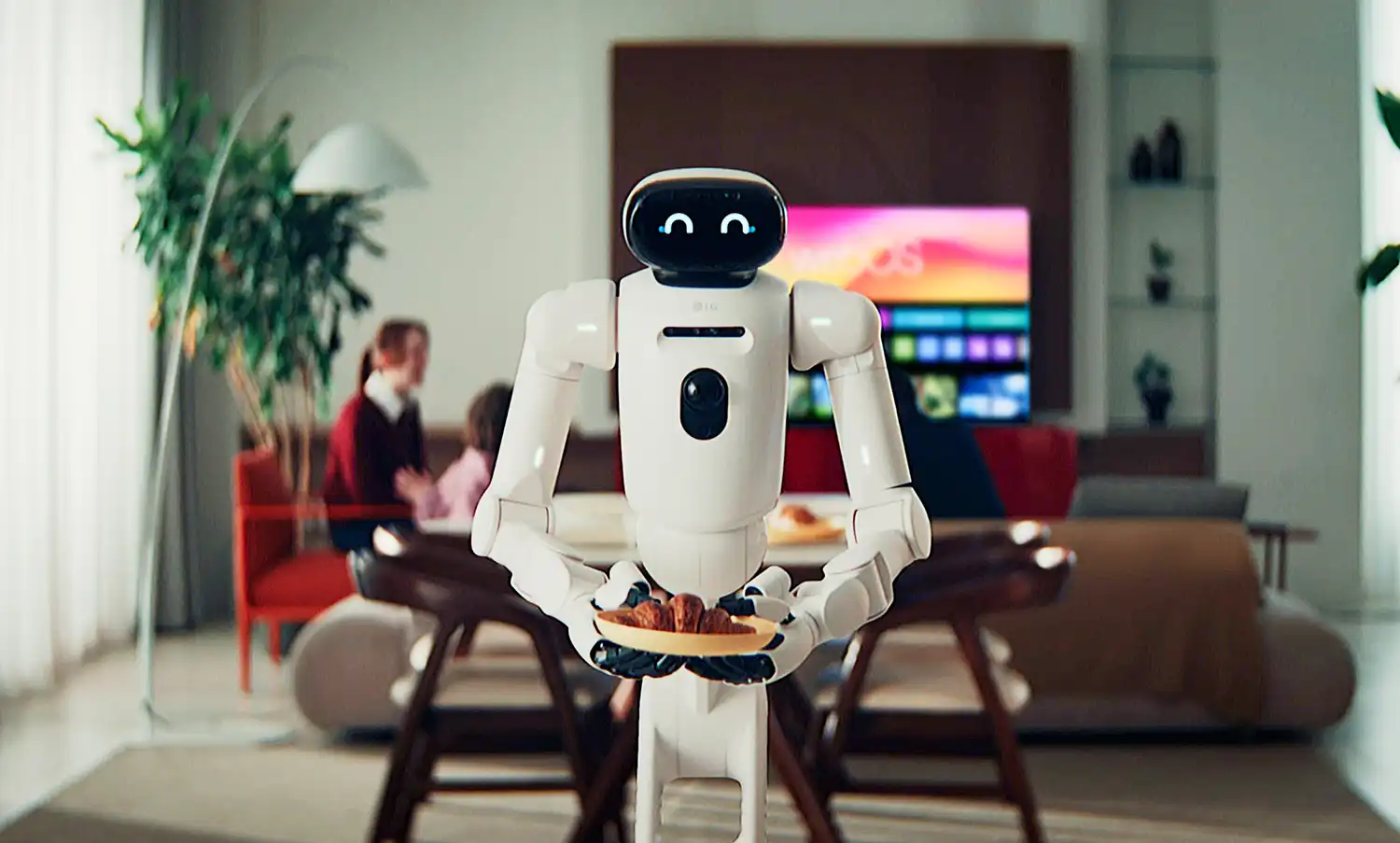
Beneath the surface lies a “Physical AI” brain that interprets the world through the dual lenses of a Vision Language Model (VLM) and Vision Language Action (VLA). Unlike traditional automation that follows a rigid script, CLOiD understands context. It doesn’t just “see” a refrigerator; it understands the intent of a breakfast routine. By processing tens of thousands of hours of household data, the robot can translate a verbal request into a multi-step physical sequence, navigating around pets and furniture with a low center of gravity designed to prevent tipping in high-traffic family environments. It is a machine that learns the specific “language” of your home’s layout and your family’s unique habits.
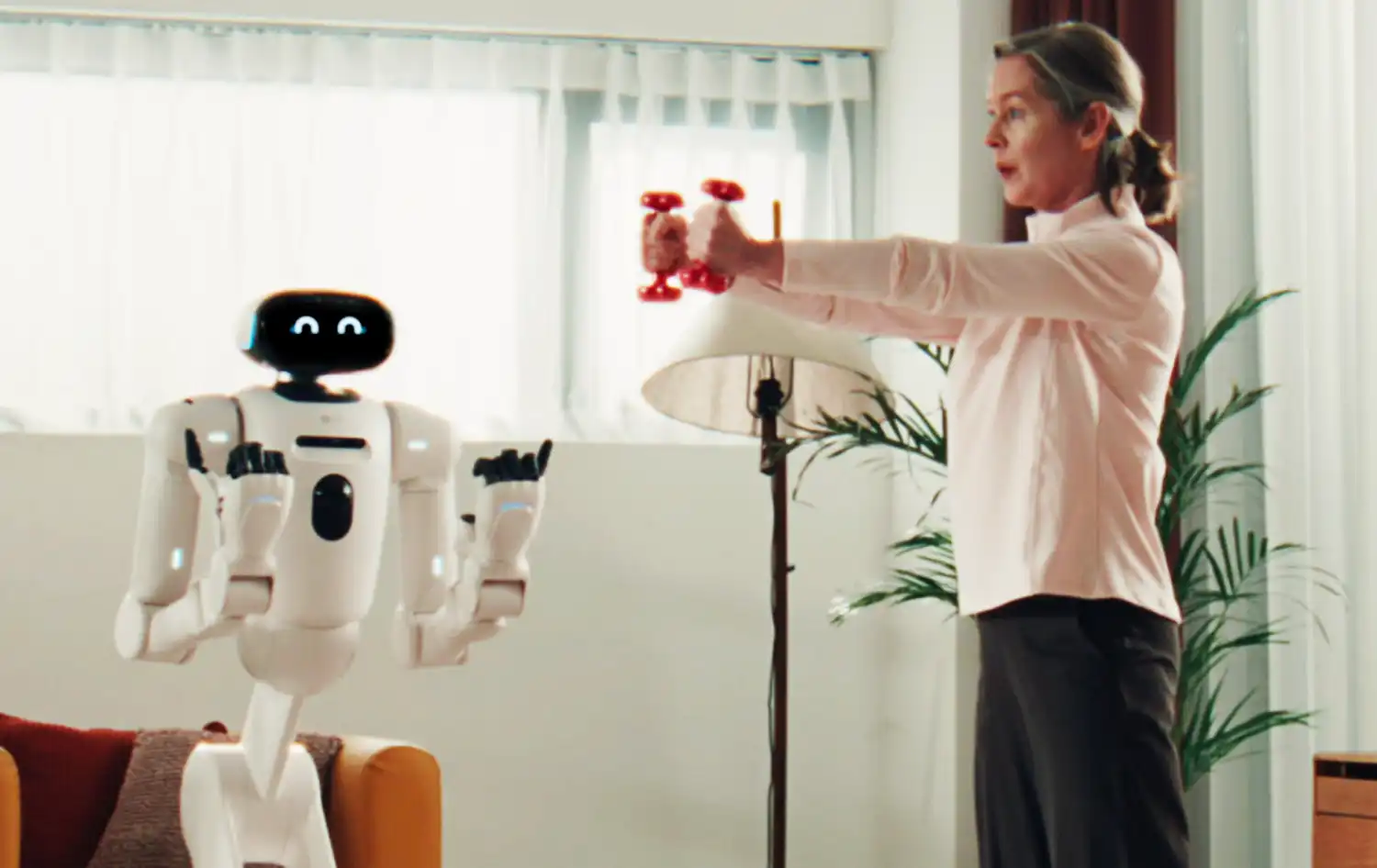
A seamless orchestration within the ThinQ ecosystem allows CLOiD to act as the central nervous system of the modern dwelling. By syncing with the ThinQ ON hub, the robot coordinates a symphony of appliances, initiating laundry cycles the moment occupants leave and ensuring the home is “reset” by the time they return. This level of integration transforms the house from a collection of isolated tools into a responsive, living environment. LG’s roadmap suggests that this is only the beginning, as they move toward “Robotized Appliances”—imagine refrigerators that sense your approach or vacuums that evolve into fully autonomous maintenance units.
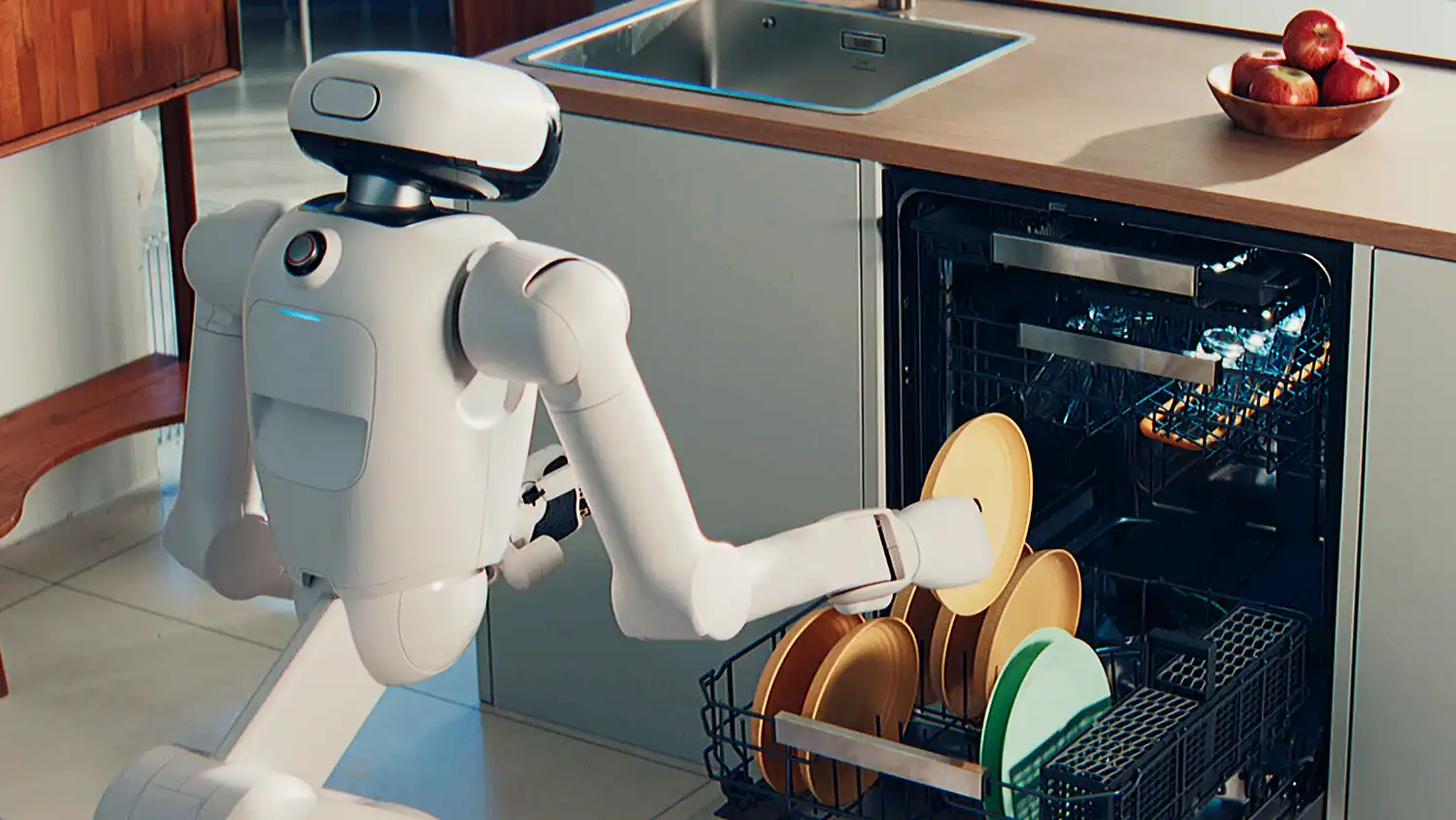
The contextual impact of the “Zero Labor Home” poses fascinating questions for the future of residential life. As Steve Baek, president of LG Home Appliance Solution Company, noted during the launch, the ultimate goal is to reclaim time. If the “drudgery” of the daily chore is outsourced to a machine like CLOiD, the domestic sphere is liberated for more creative and communal pursuits. We are witnessing the arrival of a new architectural typology—one where the home is no longer a machine for living in, but a machine that lives with us, quietly managing the background of our lives so we can focus on the foreground.