


Italian studio Locus Architetti has overhauled a 19th-century rectory in Pordenone, Italy, adding a metallic volume that reinterprets local vernacular through a rigorous, contemporary lens. Named the Pivot House, the project is defined by a sharp contrast between its industrial exterior and a “silent” interior governed by a singular, multifunctional wooden furniture system.
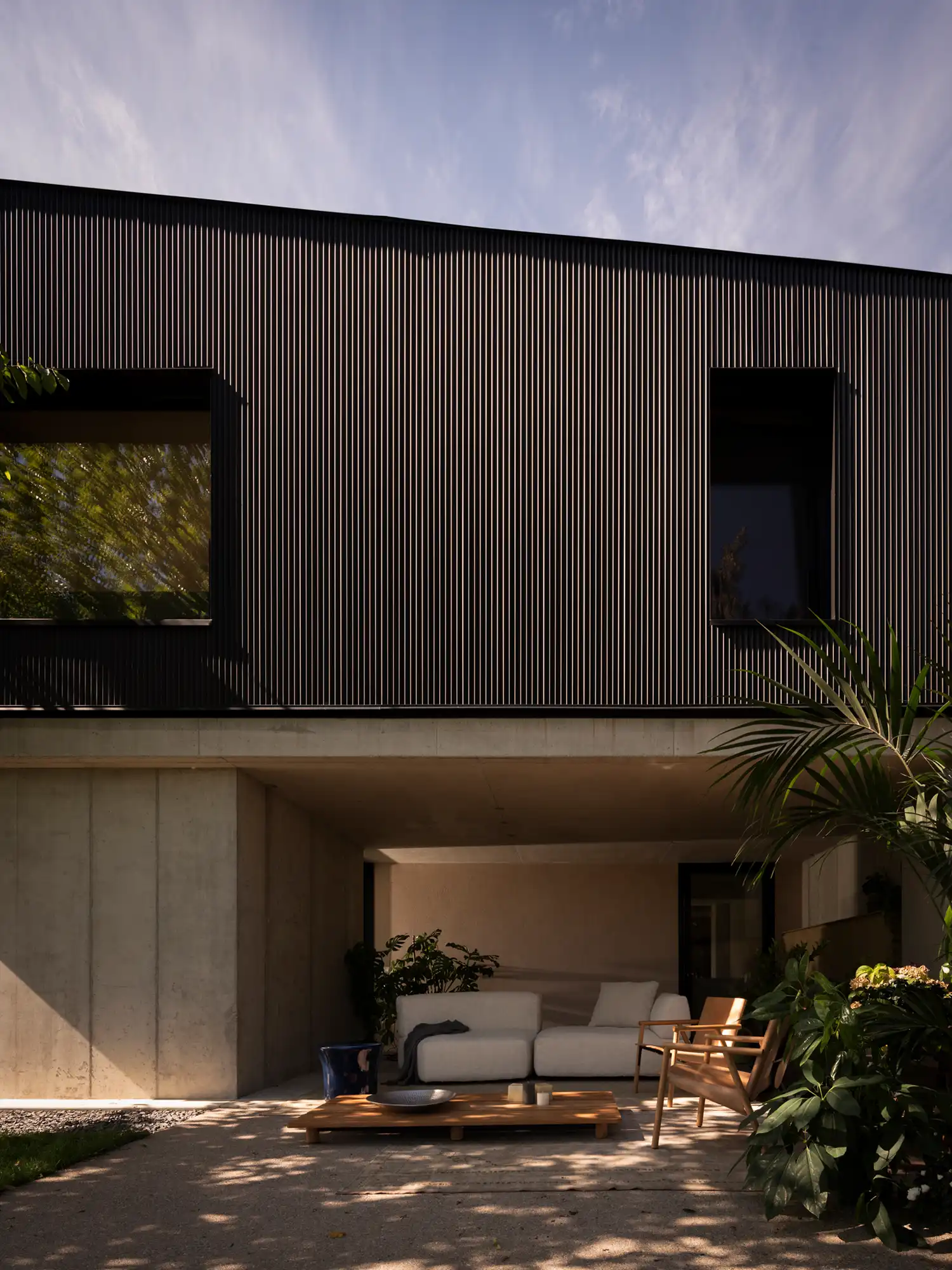
Located on the urban edge of the city, the original structure had already undergone postwar extensions, leaving a layered but fragmented history. The architects chose to realign the building with the present by introducing a new wooden volume wrapped in a corrugated extruded aluminium skin. This addition rests on a solid concrete base, consciously distancing itself from the original masonry to establish a dialogue based on difference rather than mimicry.
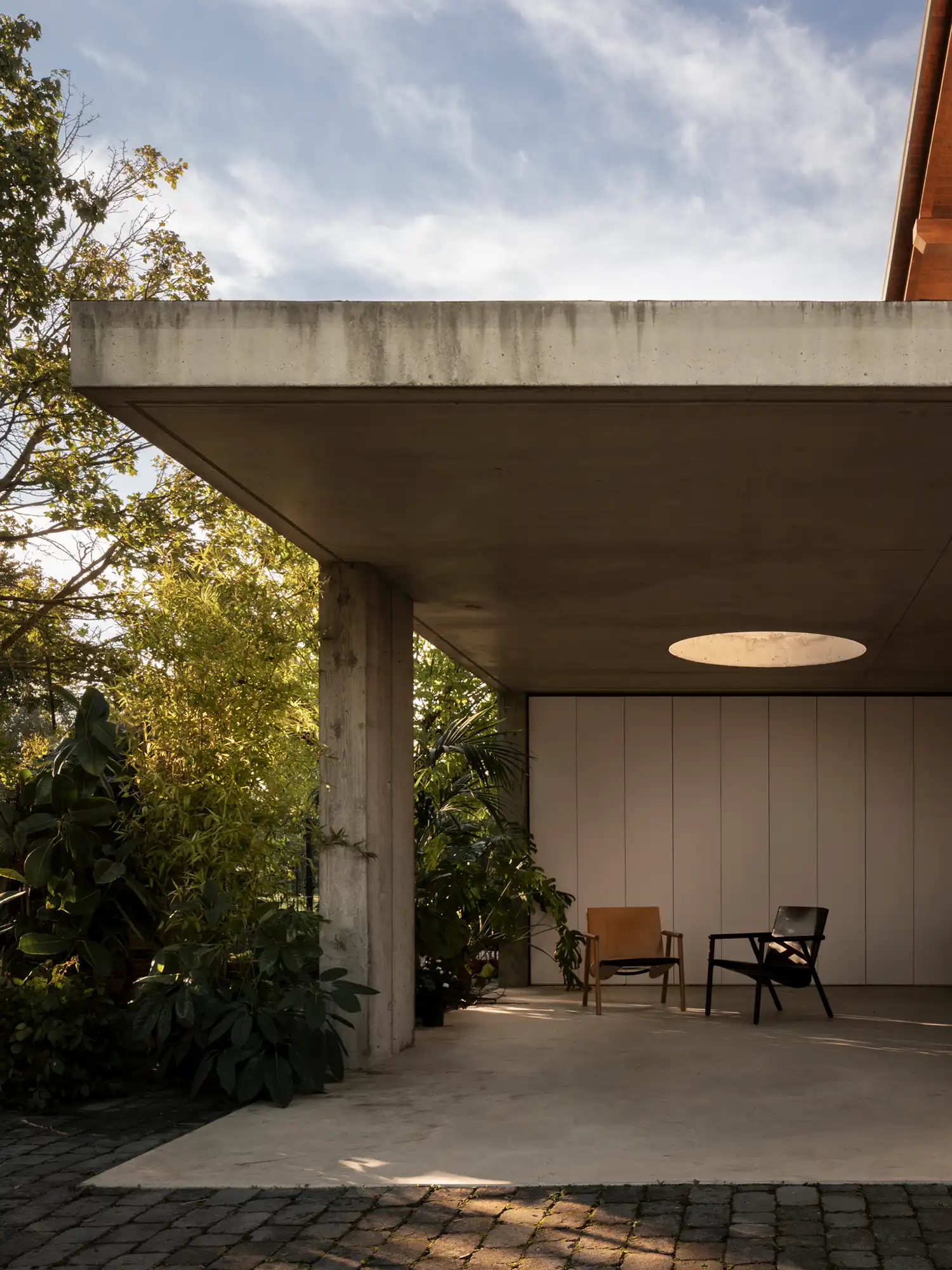
The exterior skin serves as a “contemporary echo” of the Friulian stavolo, a traditional timber-framed farmhouse typical of the region. By utilizing modern cladding materials, Locus Architetti has transformed the building’s silhouette into a recognizable landmark. This architectural intervention asserts itself as a conscious layer of time, using material and color to declare its presence while respecting the proportions of the historic site.
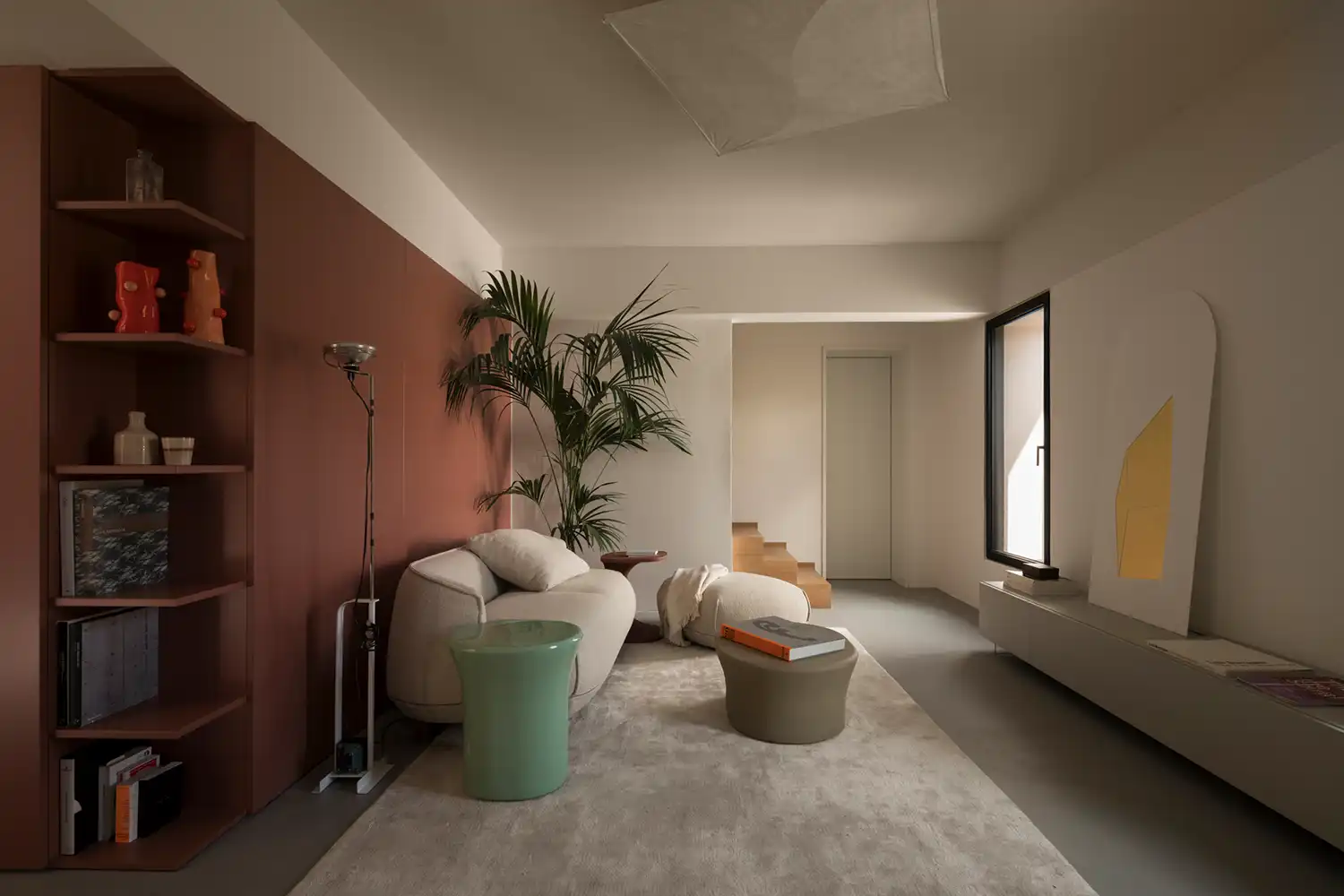
Inside, the studio adopted a strategy of subtraction. The primary driver of the interior layout is a custom-made “pivot-furniture” system. Rather than acting as a decorative object, this integrated storage system serves as a piece of domestic infrastructure. It organizes the home’s circulation, framing specific views and stitching together various functions—from cooking to reading—without breaking the visual continuity of the floor plan.
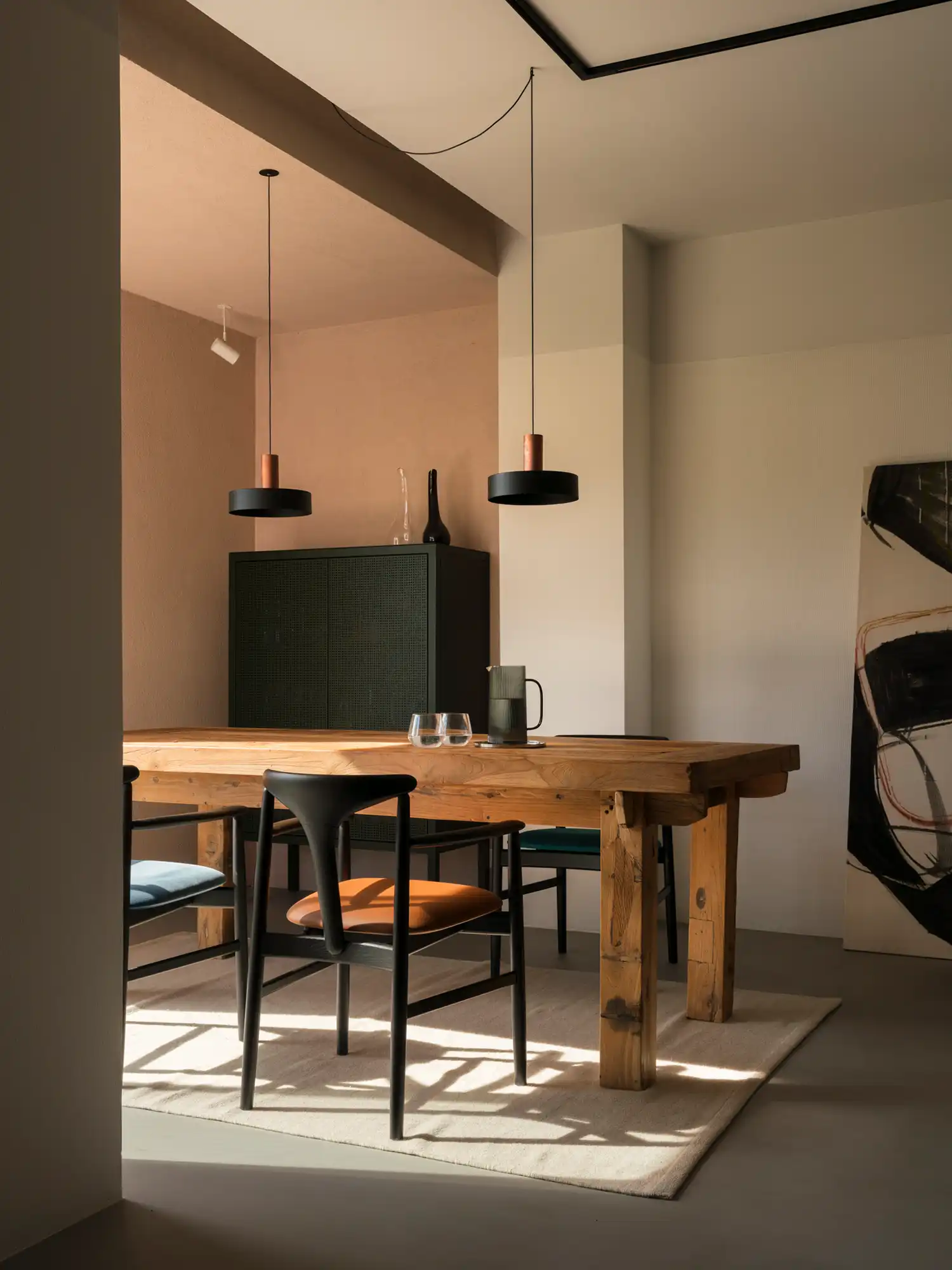
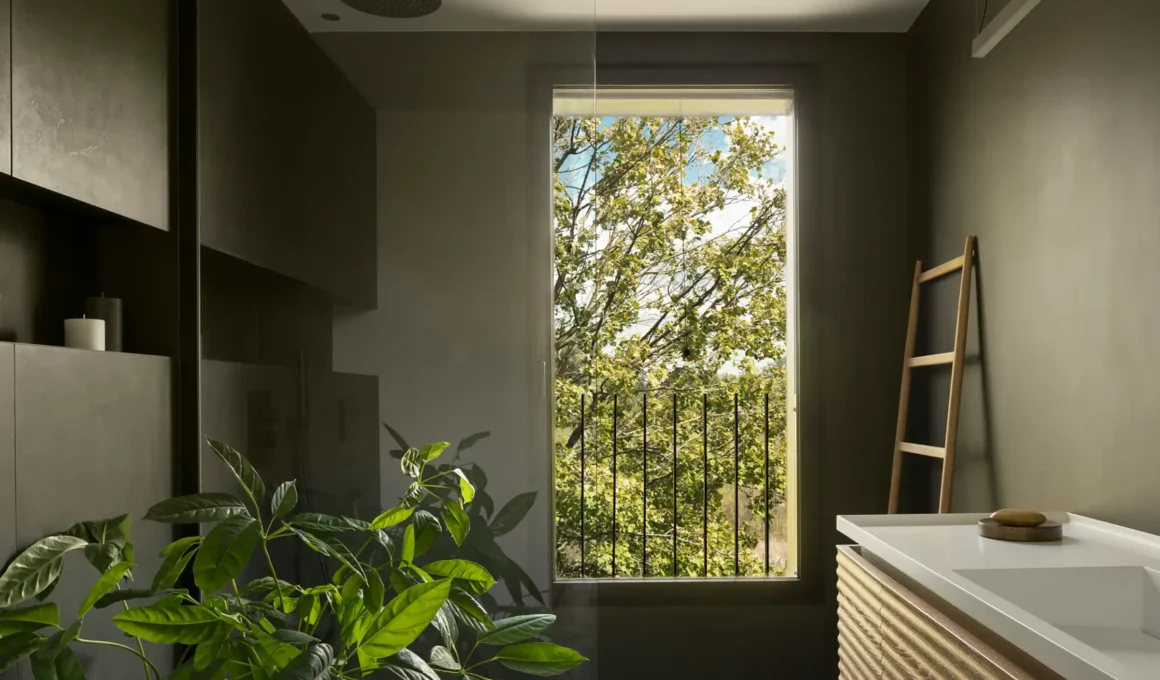
The architects avoided the common contemporary trope of floor-to-ceiling glazing. Instead, they employed controlled architectural cuts and deep thresholds to bring the landscape inside. These apertures are designed to transpose environmental qualities—light, air, and rhythm—into the living spaces. The planes of the custom furniture act as frames, capturing portions of the sky and surrounding greenery to create an operative backdrop for daily life.
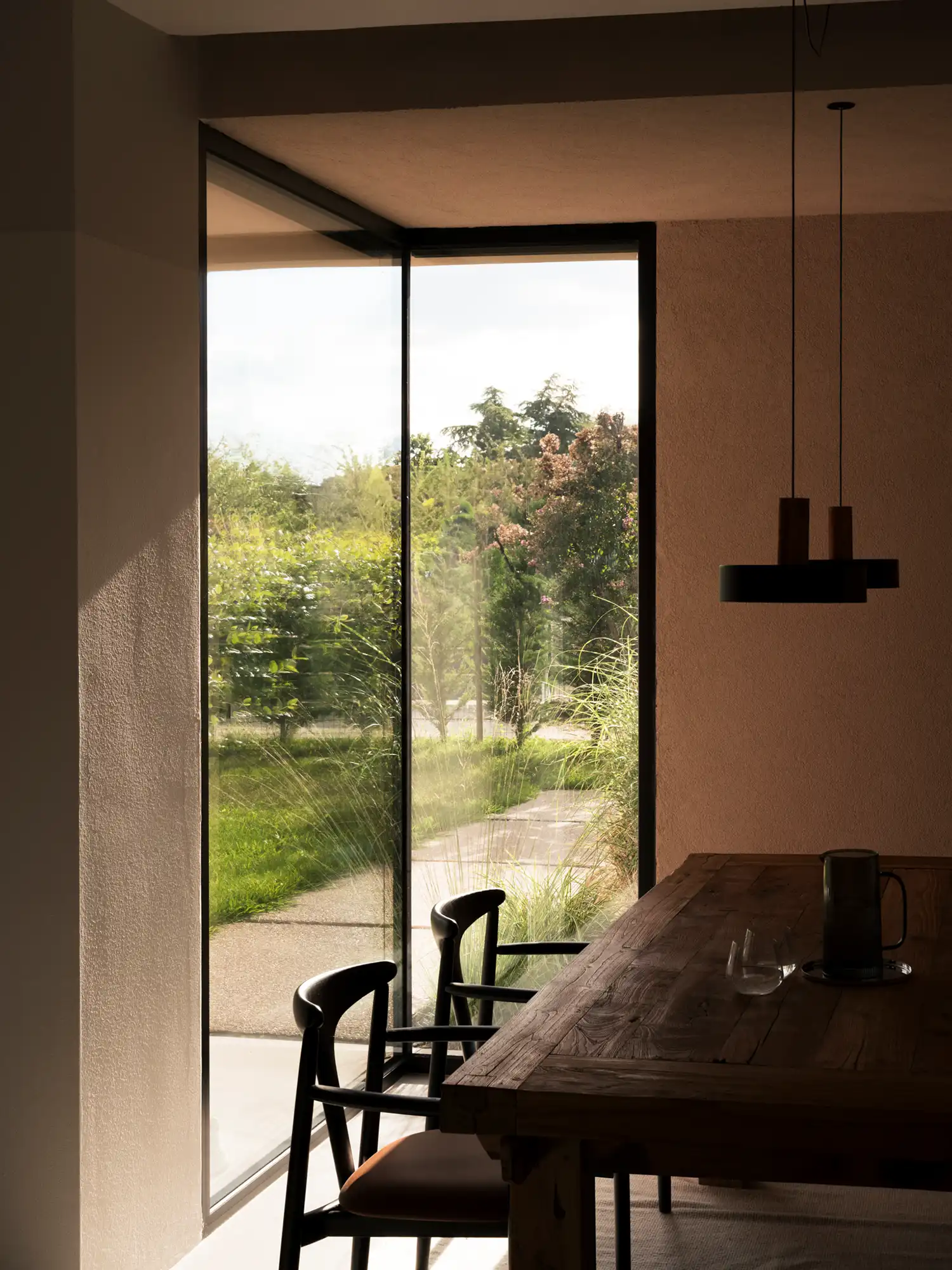
To enhance the sensory experience, the interior surfaces are finished in warm matte materials designed to “slow down” natural light. These thickened thresholds function as air chambers, modulating both the internal climate and the residents’ perception of space. This approach allows the Pivot House to breathe with the outdoors while maintaining a high degree of acoustic and visual intimacy.
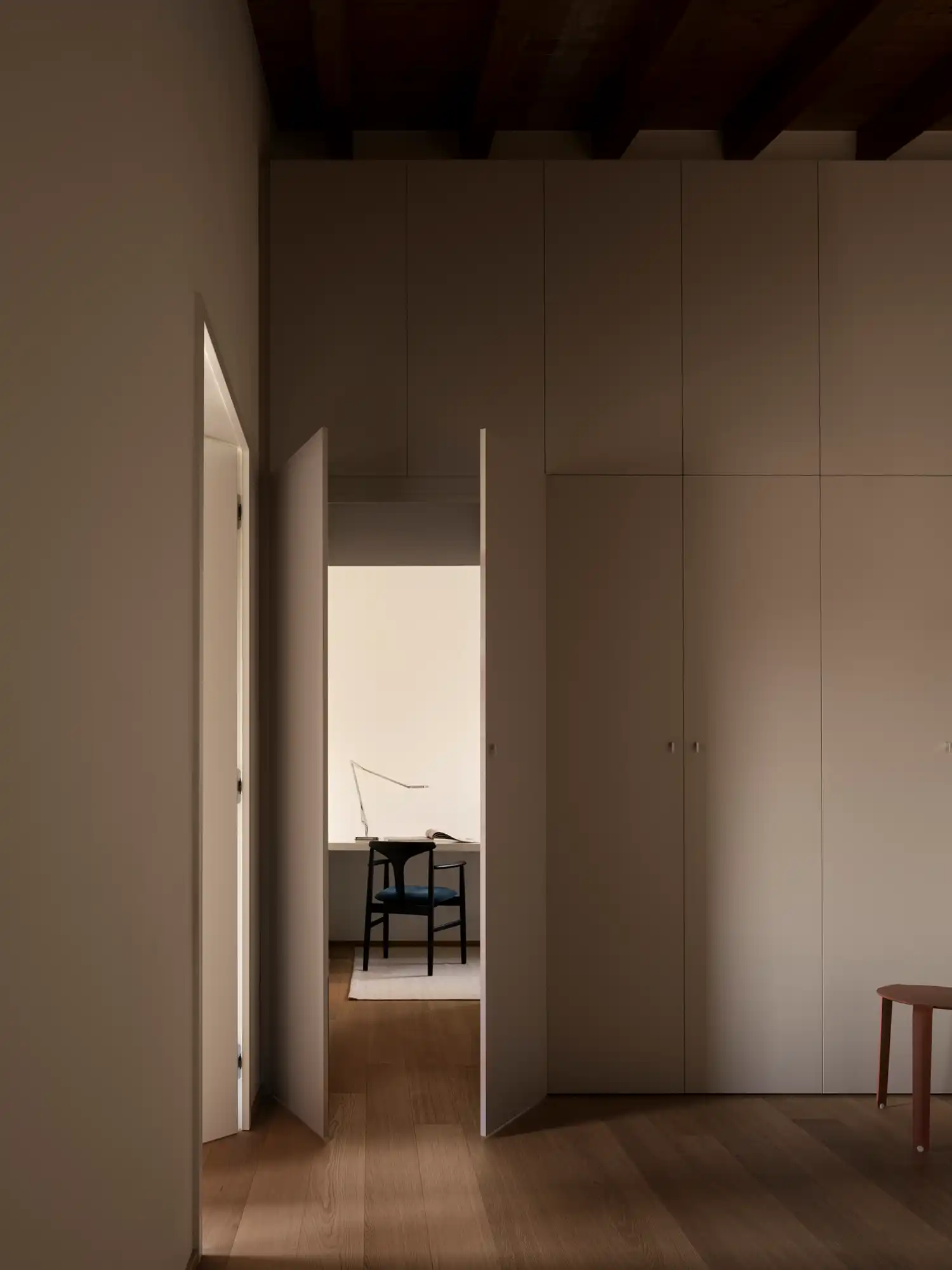
By placing the new furniture “under” the existing architecture, the studio has created a fluid living environment that supports the coexistence of different daily gestures. Continuity is achieved through tactile and visual consistency, ensuring the body finds support and the light glides smoothly over surfaces. The result is a sustainable residential design that feels both expansive and precisely measured.
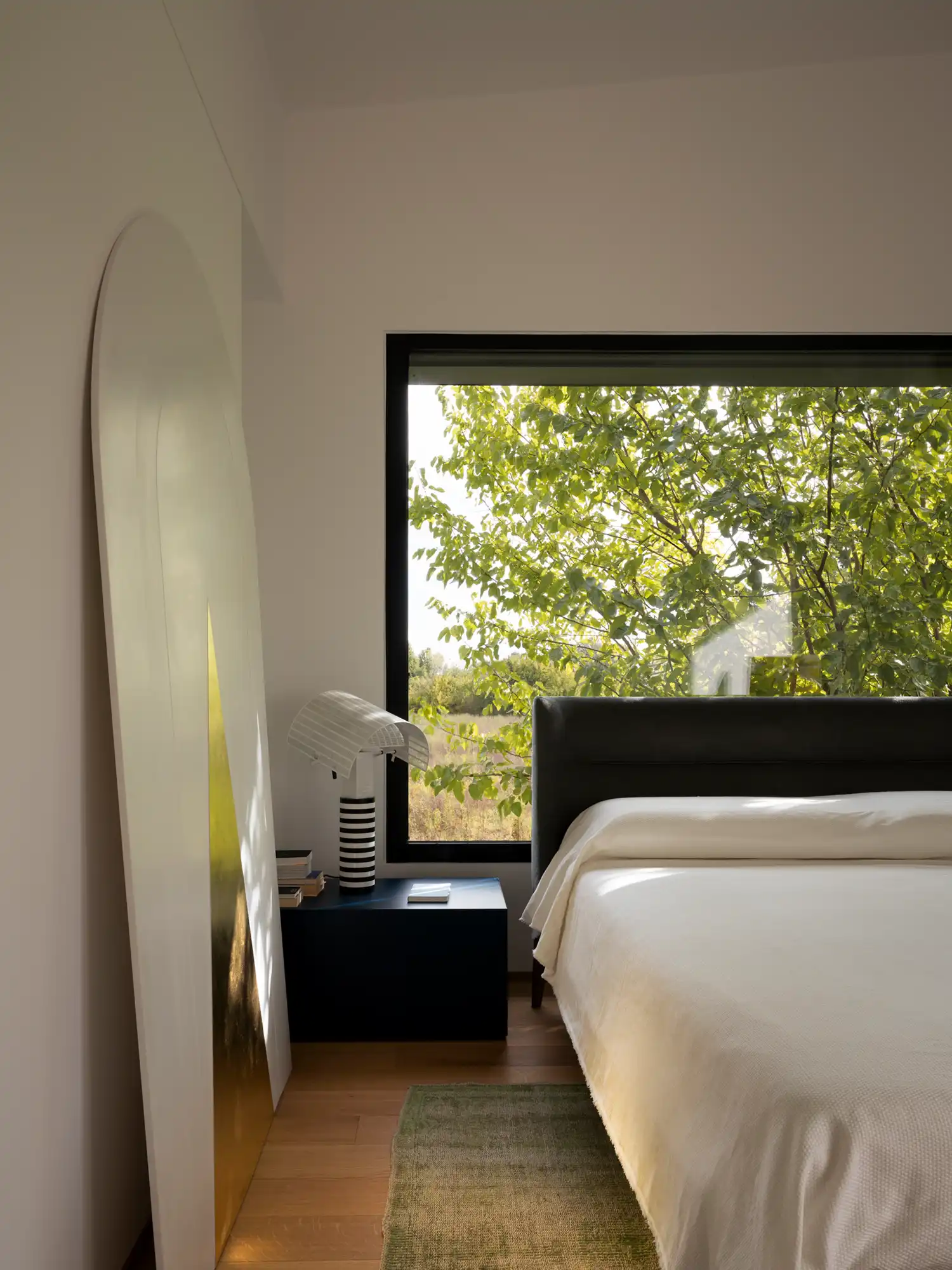
The Pivot House represents an exercise in precision, where the act of overlaying new elements does not erase the memory of the old. Through this refined architectural restoration, Locus Architetti has demonstrated how a historic rectory can be projected into the future. It is an interpretation that values quality over quantity, transforming the structure into a modern home without interrupting its historical narrative.