

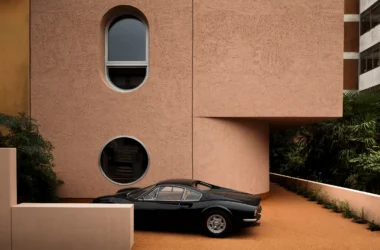
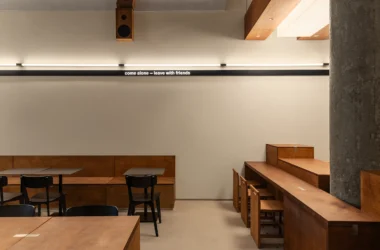

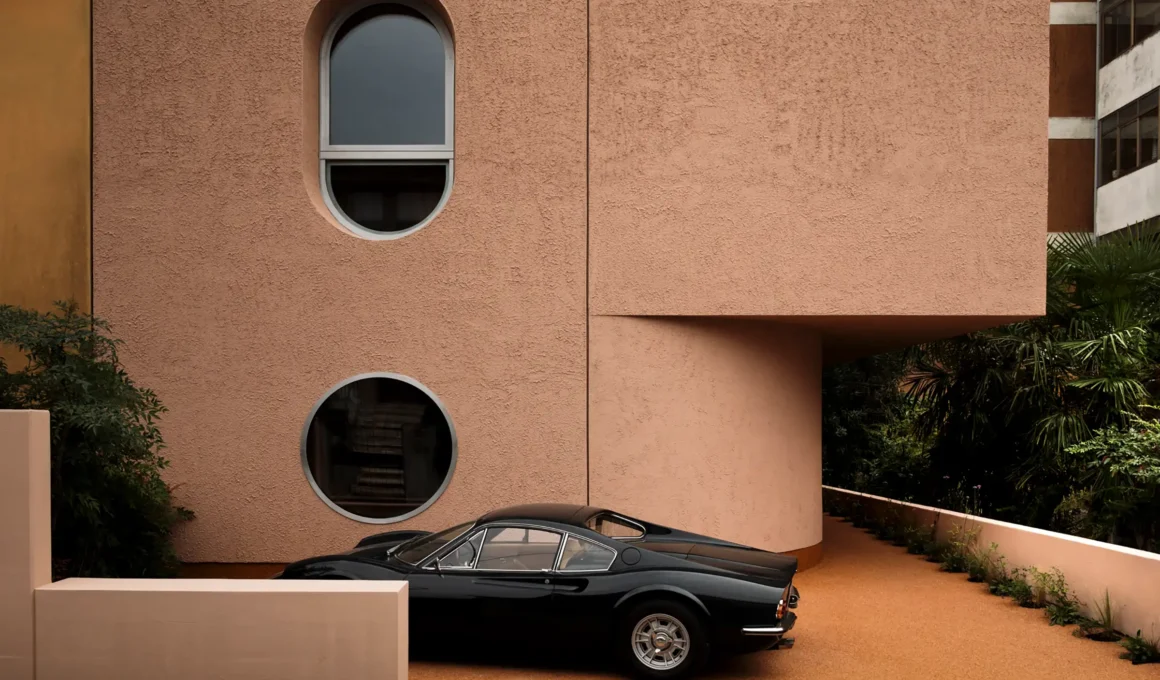
In the marginal sprawl of Pordenone, Italy, architecture studio Locus Architetti has executed a paradigm shift, transforming a nondescript, defensive semi-detached home into the exemplary Hobby house—a model of urban regeneration based on ethical restraint and precision of design. The project directly addresses the challenge posed by the “unfortunate” peripheries of Italian suburbs: dense, introverted residential fragments that deny interaction with the public sphere.
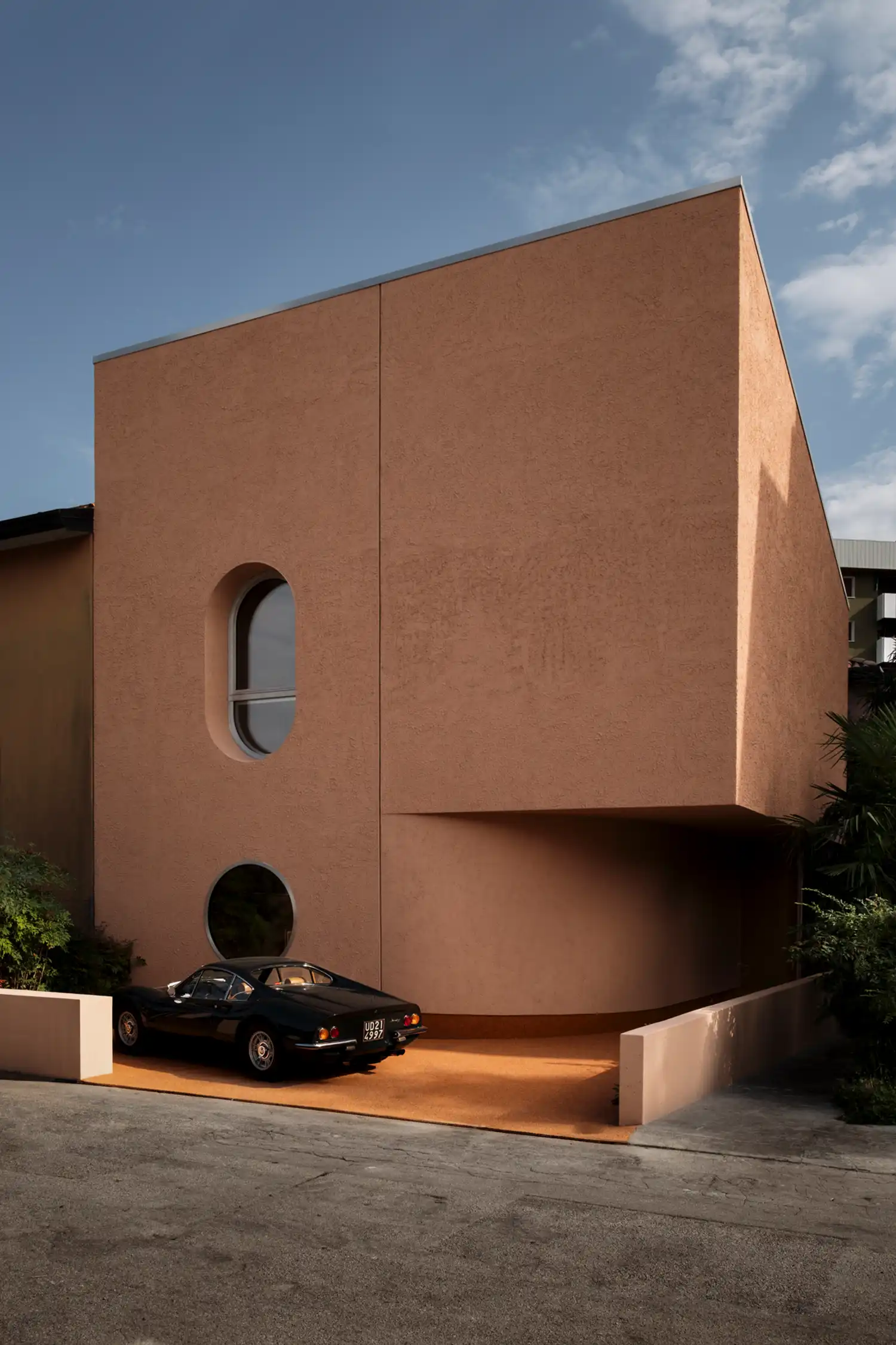
The initial structure was typical: a closed, almost hostile body, its functionality obscured by layers of accumulated tertiary additions. Locus’s philosophy was clear and non-negotiable: zero new land consumption. The intervention was conceived as an ethical commitment to the existing fabric, restoring public space dignity through targeted architectural moves rather than large-scale demolition. The core conceptual maneuver involved turning the home’s defensive edge into a civic and domestic threshold—a device designed to connect, protect, and make the place legible once more.
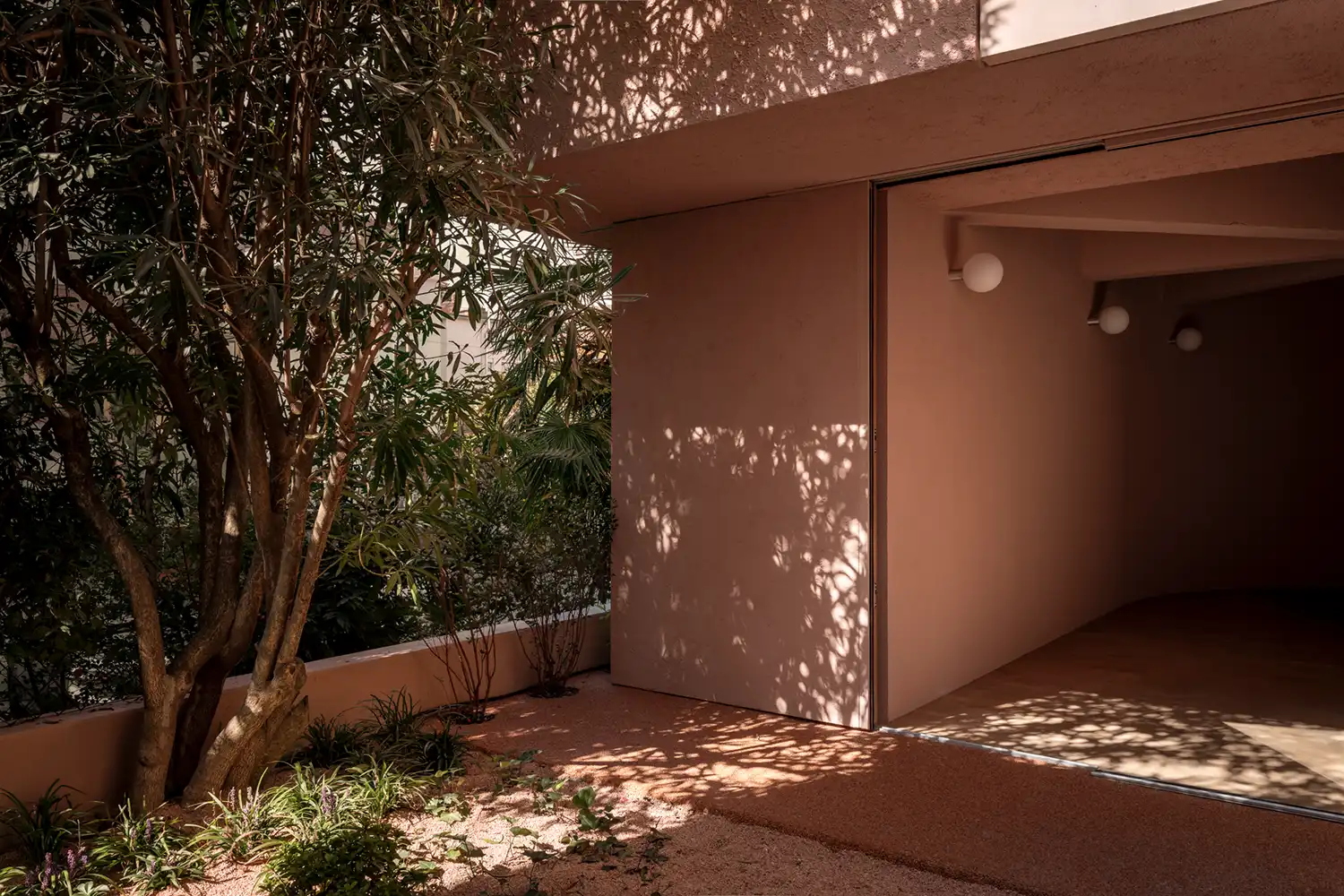
This transformation was realised through a sequence of three essential gestures. First, Subtraction saw the removal of cumbersome office additions, instantly restoring visual and functional plot permeability to the street frontage. Second, the Precision of the open space saw the underutilized front garden redefined as an intimate, protected courtyard. This space acts as a slow threshold, not a fortress, offering a pocket of air and short pauses between the activity of the city and the private domain.
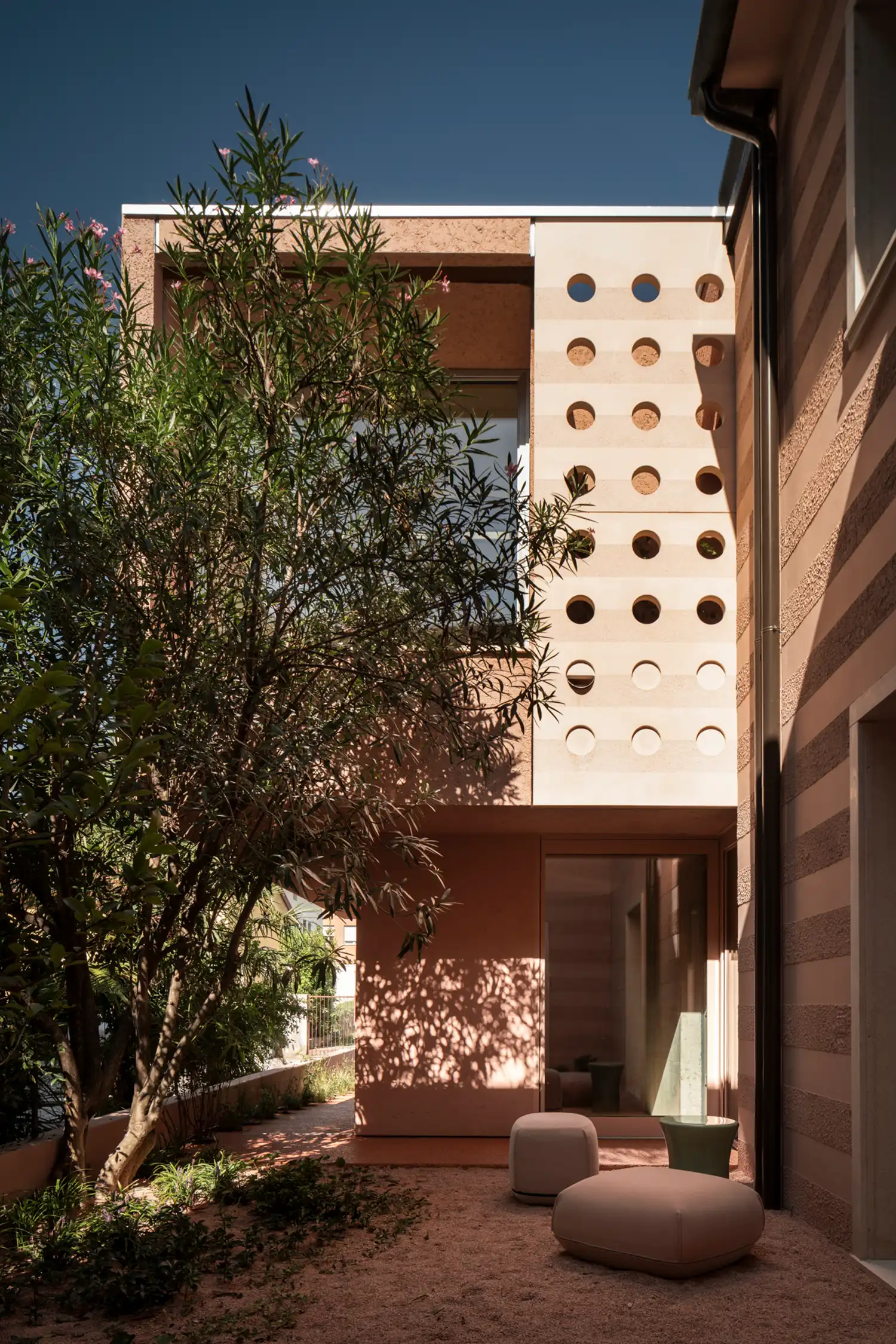
The final, decisive gesture was the Measured addition of a striking, cantilevered volume. This element decisively defines the new threshold, forming an entrance porch that is simultaneously an act of shelter and an open invitation. By projecting the house toward the urban space, the cantilevered extension becomes a piece of civic climatic infrastructure. It shields the entrance, limits thermal peaks, and encourages outdoor use across seasons, demonstrating how simple, low-tech devices can perform complex tasks. Crucially, this porch facilitates a relationship of trust with the neighborhood, stitching the street sequence back together and introducing the informal surveillance of an inhabited façade.
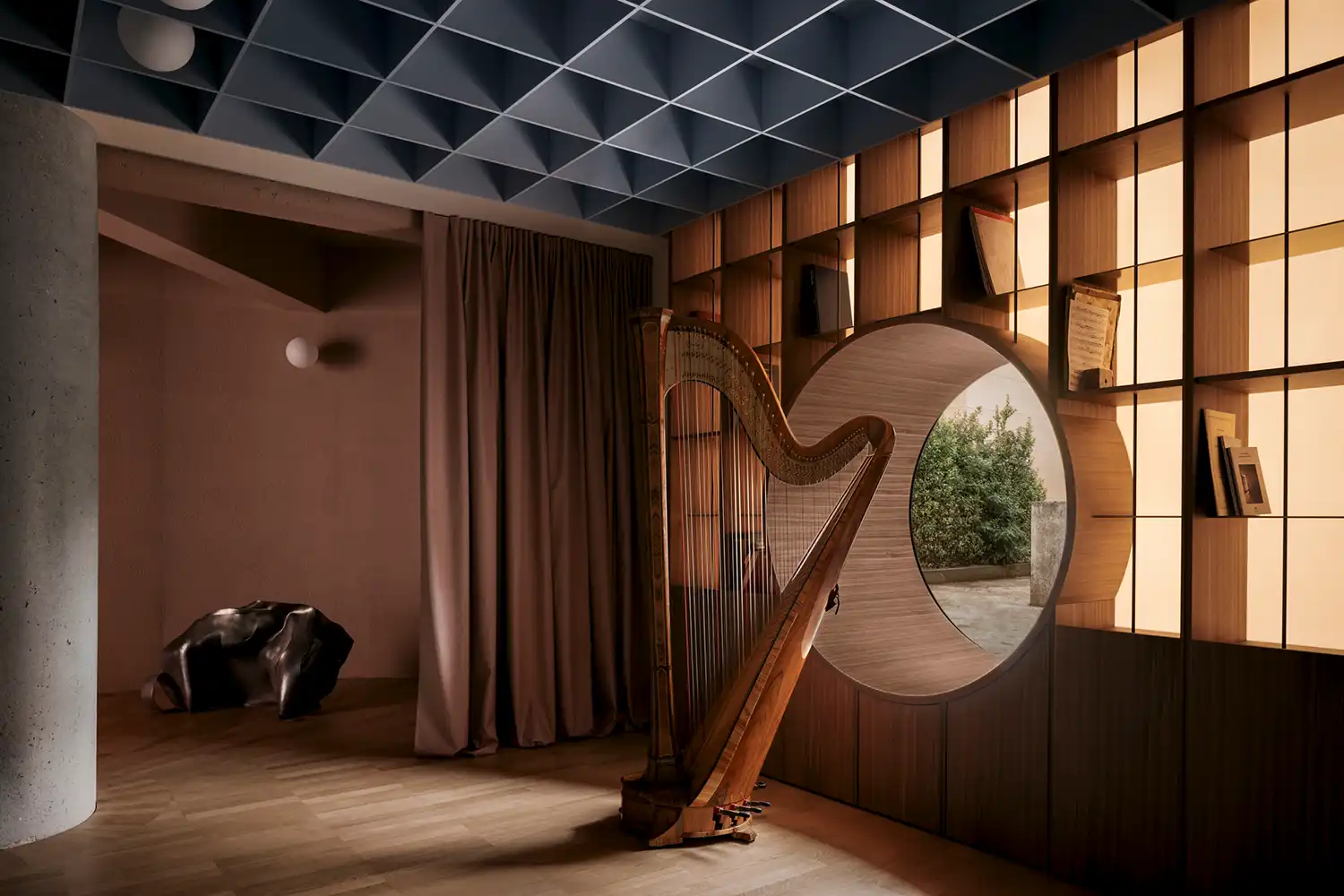
The resulting architectural vocabulary explores a rich dialectic between the public and private. The courtyard is the crucial intermediary—a space that allows sound (such as the music from within) and sight to pass, establishing the home’s community belonging without compromising intimacy. The house does not defend itself; it interprets the city and participates in its life.
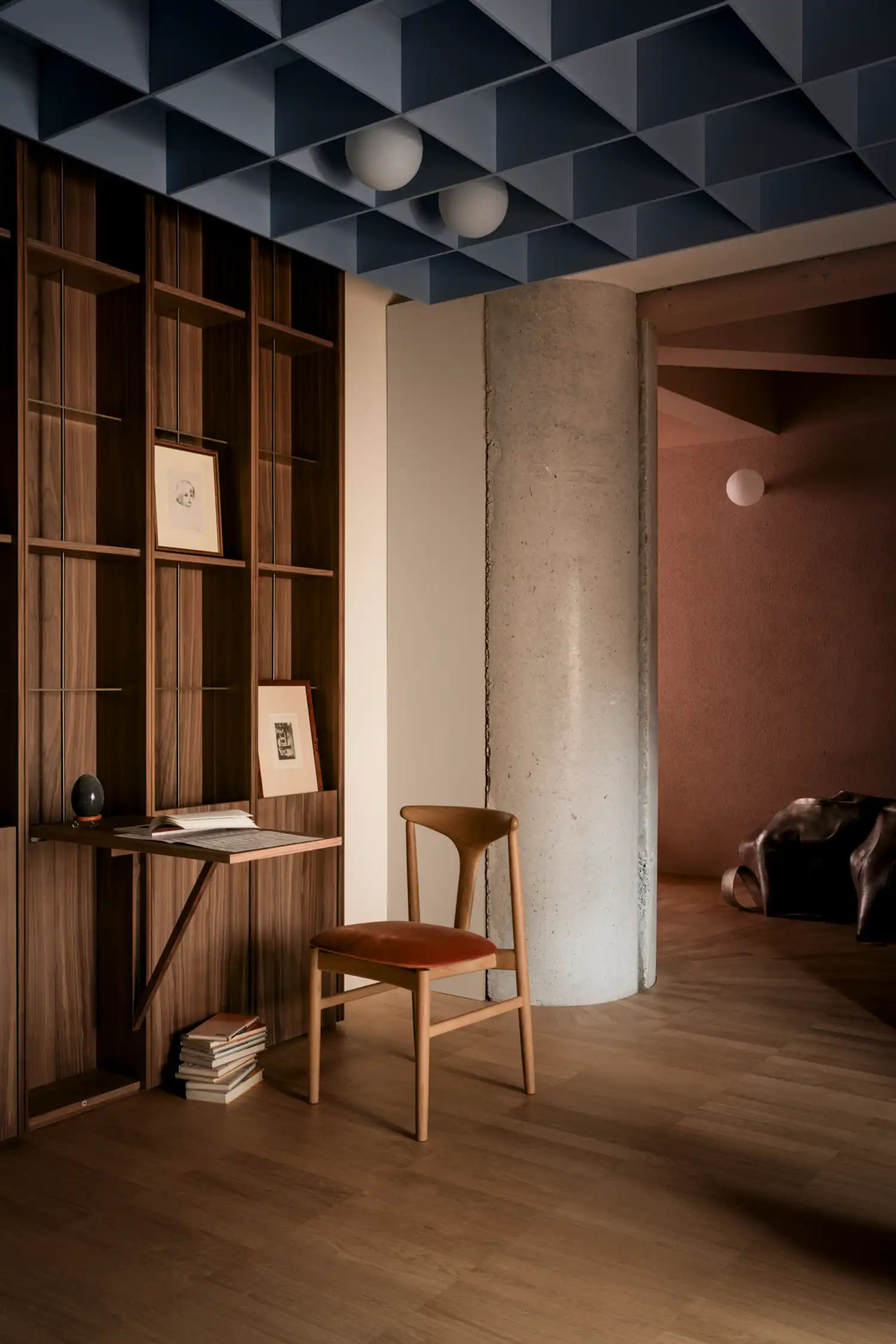
Inside, the Hobby house Pordenone is rigorously ordered around two distinct passions. The first is articulated in the music room design, a dedicated space for rehearsal and listening, conceptually rooted in the 19th-century studios of composers like Felix Mendelssohn Bartholdy. Here, the openings are framed as active “conversations” between the domestic locus amoenus and the urban context.
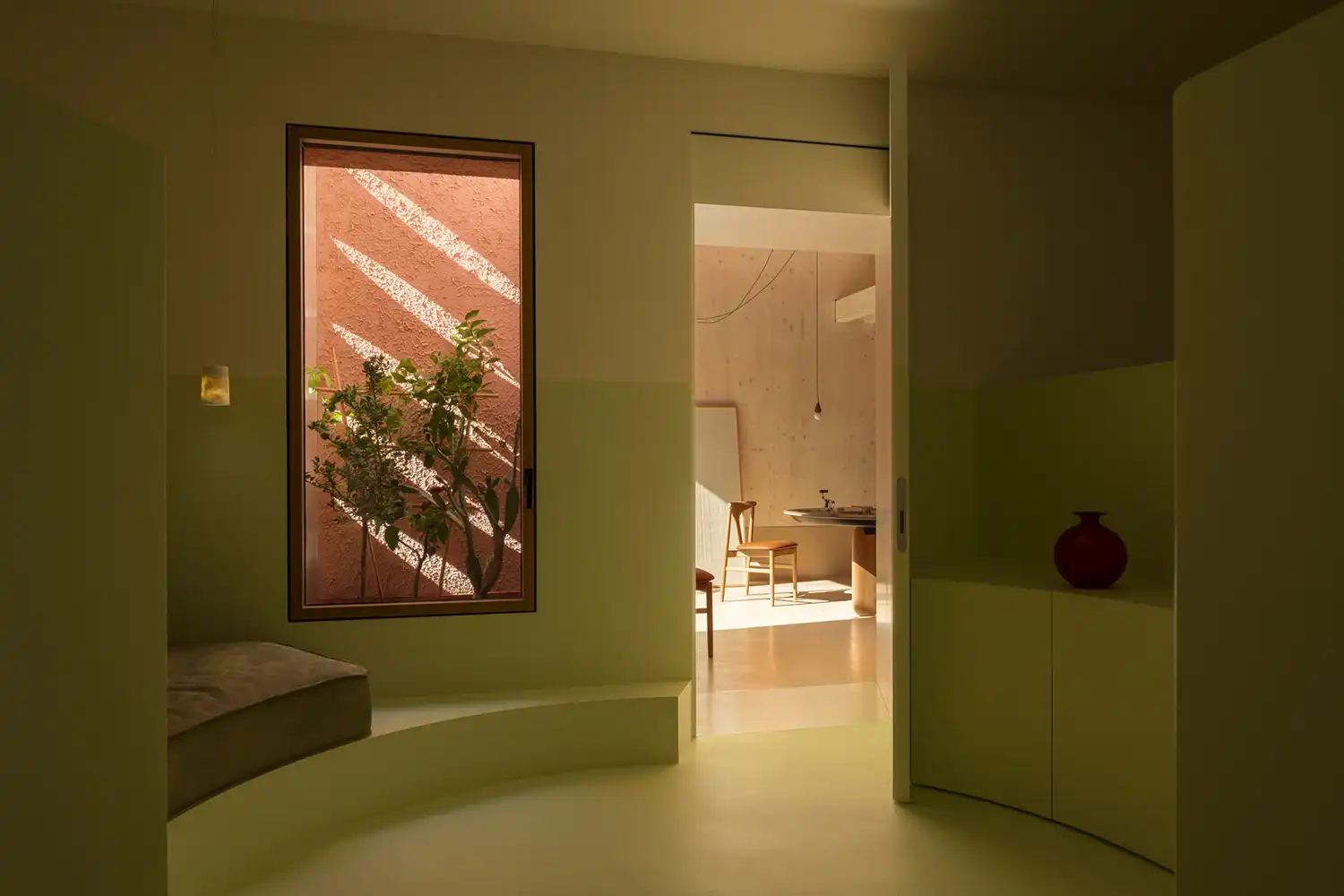
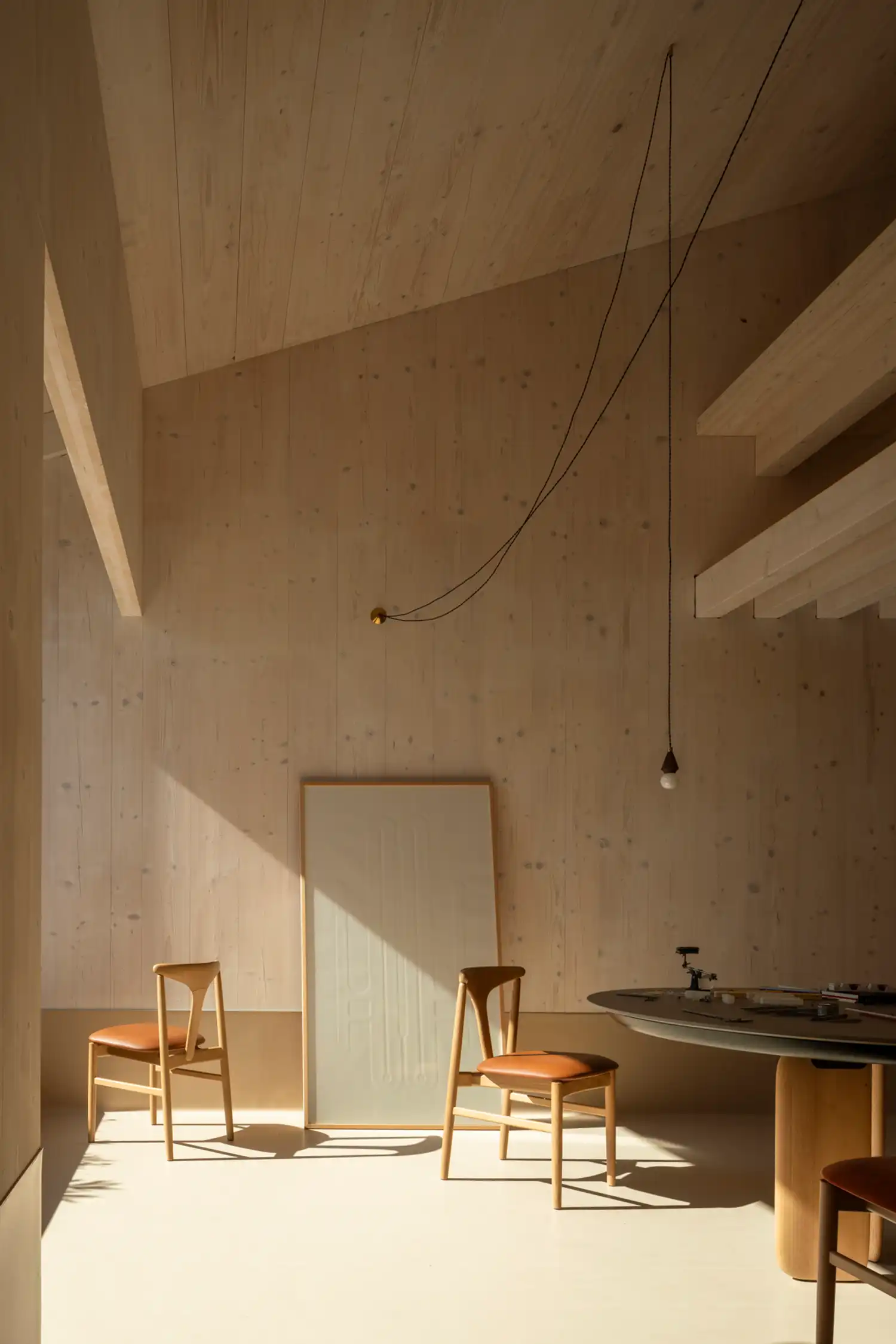
Opposite this is the double-height model-making room, a space where the declaration of making is entrusted to the exposed wood structure. Light and shadow carve out operative niches, with verticality setting the concentrated rhythm of time and creative work. Between these two highly specific domains lies the green room—a deliberate void. This interval of vegetation and natural light suspends the functions it connects. Locus intentionally refrained from assigning a single use here, granting the inhabitants the freedom to interpret this space within their everyday life.
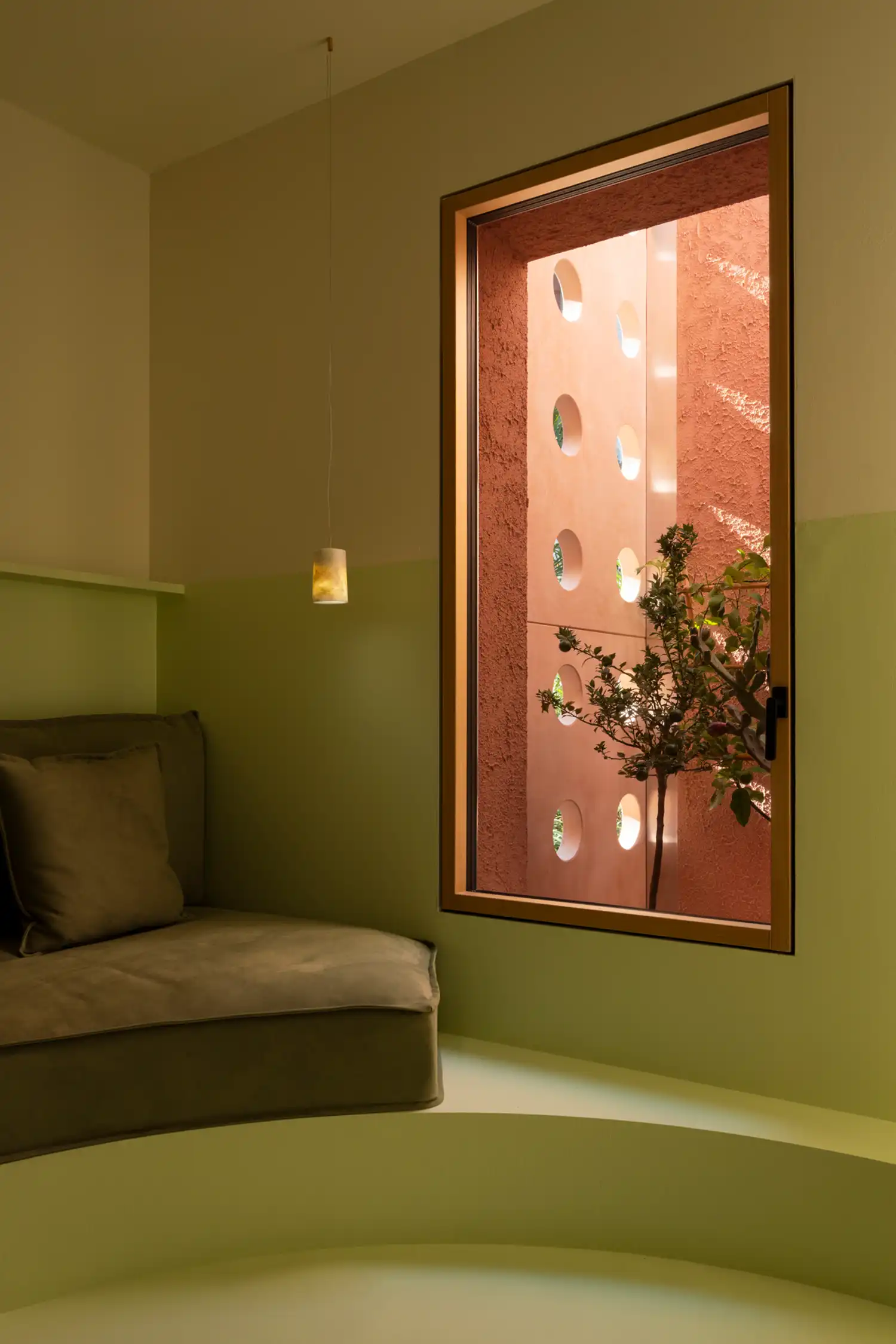
The project embodies true sustainable architecture not through conspicuous technology but through practiced economy. Low-tech strategies—reuse of the built fabric, volumetric compactness, eco-compatible materials, and meticulous calibration of openings—are deployed to produce comfort and efficiency without further straining resources. The focus on the durability of materials and ordinary maintenance aligns the project with a core idea of resource economy that is, fundamentally, a form of civic culture.
Modest in scale but ambitious in scope, the intervention has yielded profound outcomes: it has regenerated a stretch of street, restored the house as an active façade, and created a legible, safer place of proximity. The Hobby house establishes a vital replicable model for future interventions across the thousands of similar small plots that dot the Italian landscape, proving that true urban quality is a consequence of ethical architectural design, not merely the scale of capital investment. It is a quiet, virtuous transformation—a stable and legible revolution of manners that confirms living better also extends to improving what lies beyond the doorstep.