


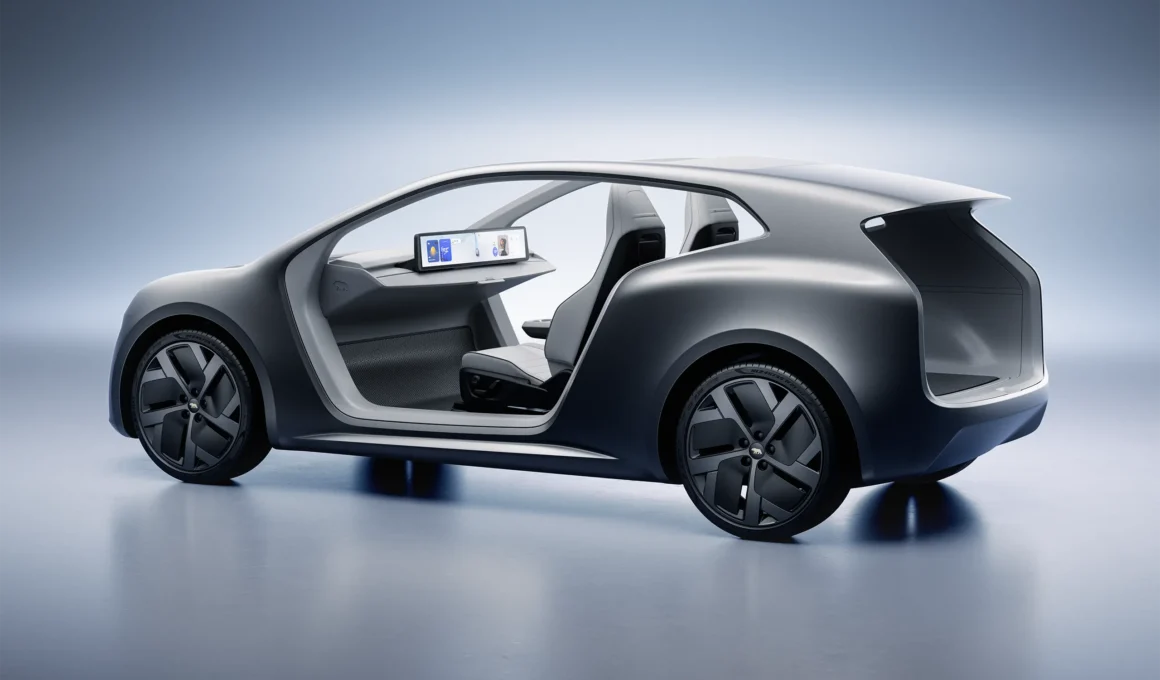
Lucid Motors has unveiled Lunar, a visionary two-seat electric robotaxi concept engineered on the company’s new Midsize platform, representing a radical shift toward autonomous urban mobility through a design-led focus on efficiency and passenger experience.
A reimagined interior landscape defines the Lunar concept, where the traditional constraints of automotive cockpits are entirely stripped away. By removing the steering wheel, pedals, and tactile control buttons, Lucid has transformed the vehicle into a mobile lounge. This transition from “driving machine” to “living space” is facilitated by a software-defined architecture that prioritizes the occupant’s sensory comfort. The absence of mechanical interfaces allows for a seamless,expansive cabin that emphasizes a human-centric approach to commuting.
The conceptual vision behind Lunar is rooted in what Lucid calls “radical efficiency.” Unlike conventional vehicles that adapt existing frames for autonomy, Lunar is a purpose-built vessel designed to maximize the economics of shared mobility. Its compact, two-seat footprint is a direct response to urban data suggesting most ride-hailing trips are solo or duo ventures. The exterior aesthetic—characterized by the brand’s signature clean lines—creates a sleek, aerodynamic silhouette that feels more like a piece of high-end tech than a traditional car.
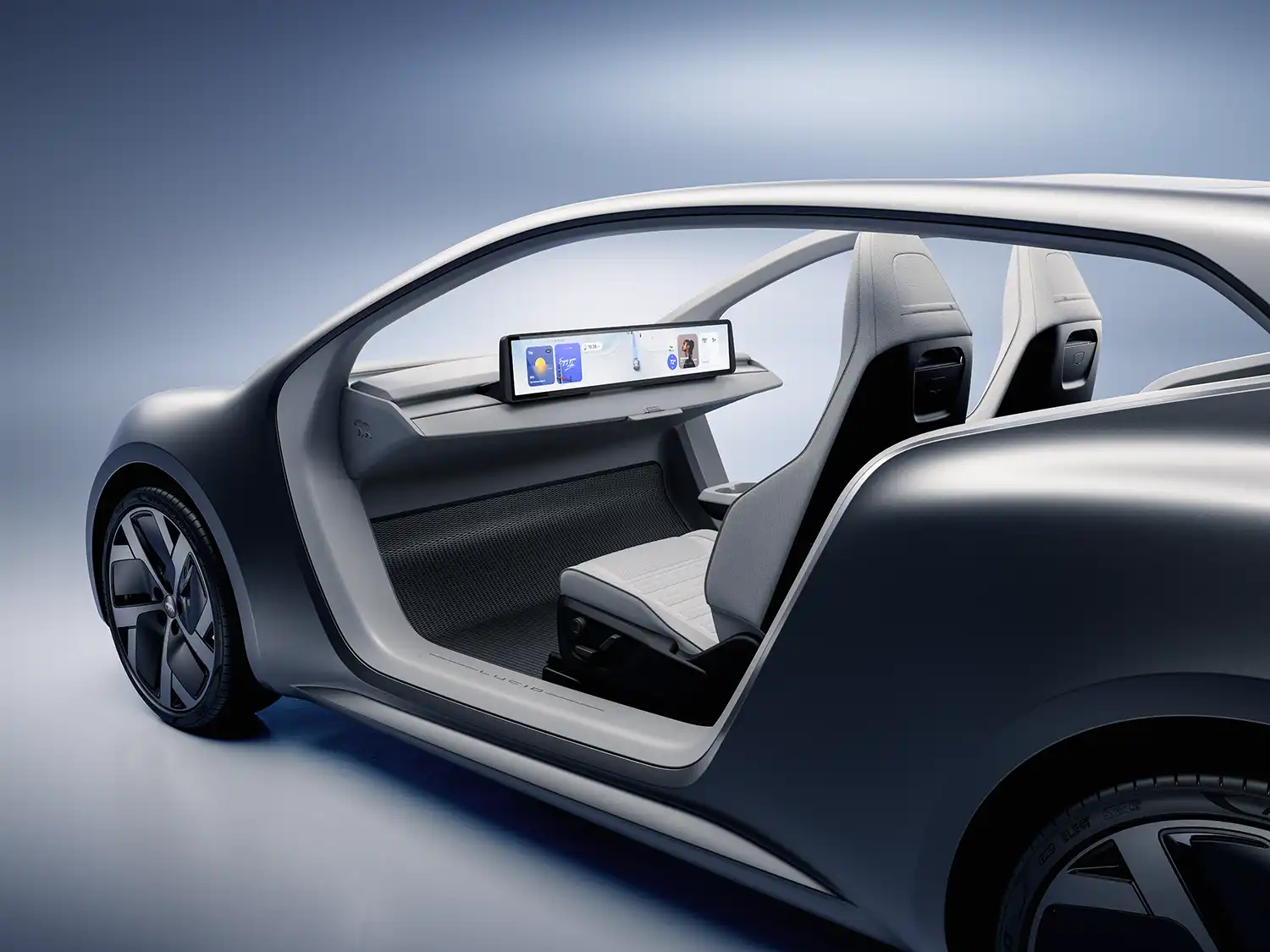
Technical innovation and the Atlas drive unit serve as the skeletal strength of this new platform. At the heart of the Midsize architecture is Atlas, a next-generation electric drive unit that is smaller, lighter, and more integrated than its predecessors. This engineering feat allows for a significantly reduced bill of materials and a smaller battery pack without sacrificing range. For the passenger, this translates to a lower vehicle floor and an increased sense of spatial volume,proving that technical miniaturization can lead to a more generous physical experience.
Sensory engagement and AI integration elevate the Lunar beyond a simple transit pod. Lucid has previewed an upcoming in-vehicle AI assistant designed to act as a digital concierge, anticipating passenger needs through natural language processing. The interior materials are selected to evoke a sense of warmth and tactility, contrasting with the cold, sterile reputation of many autonomous prototypes. The lighting is diffused and atmospheric, designed to synchronize with the time of day or the passenger’s mood, ensuring the autonomous mobility experience feels personal rather than programmed.
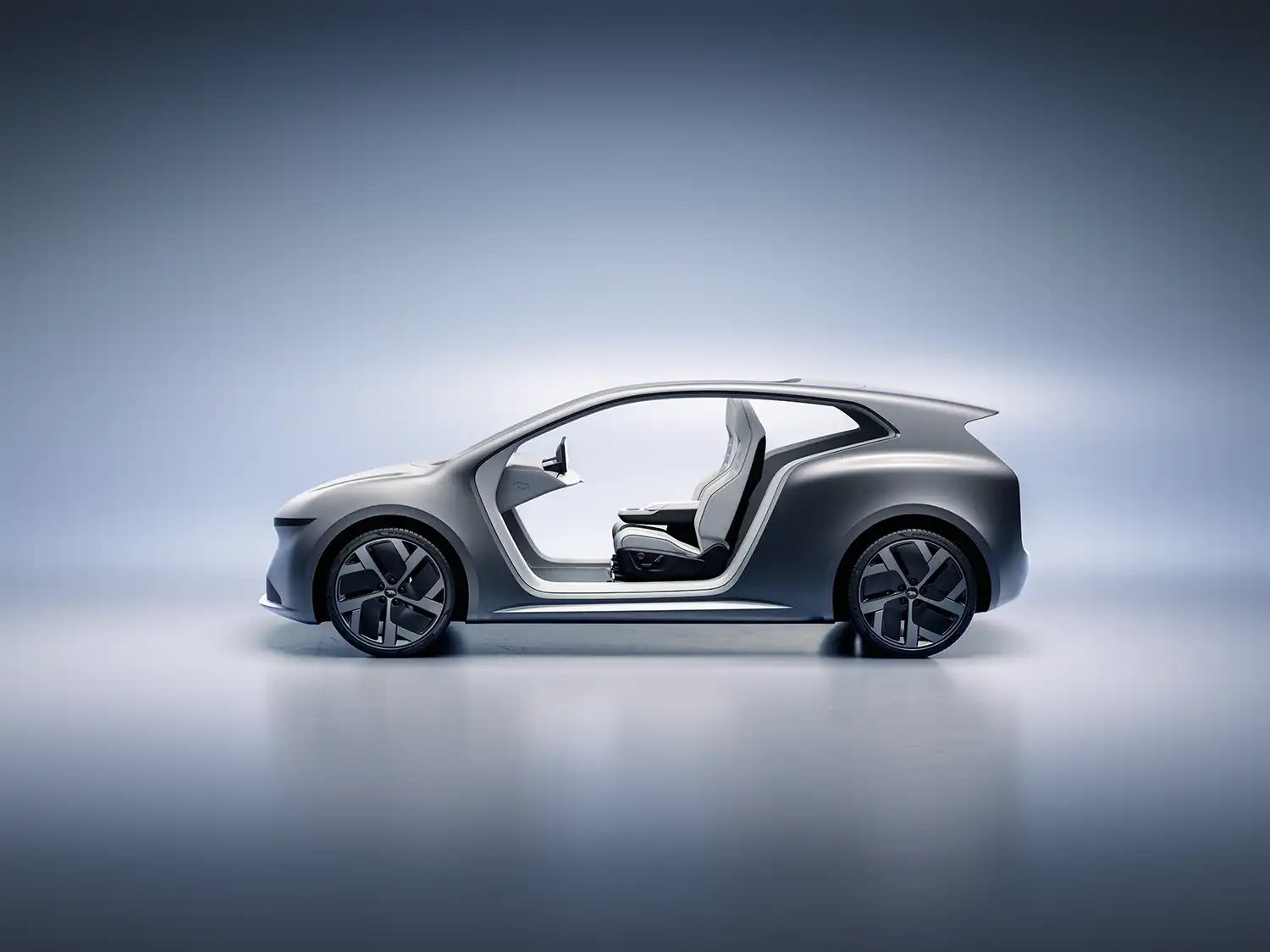
Strategic partnerships and scalability ground this futuristic concept in commercial reality. Lucid’s collaborazione with Uber aims to deploy these vehicles at a scale similar to their Gravity program, signaling a shift from niche luxury to high-volume premium segments. By leveraging the same DNA found in their flagship models, the company is ensuring that the electric vehicle technology remains consistent across their fleet. This move allows the brand to democratize its high-efficiency engineering, bringing a sophisticated aesthetic to a wider audience.
Contextual impact on urban infrastructure suggests a future where cars are no longer idle assets but active participants in a city’s rhythm. The Lunar concept is designed for high utilization, meaning its presence on the road is constant and optimized. This shift reduces the need for sprawling parking structures, potentially reclaiming urban land for green spaces and pedestrian paths. It represents a pivot toward a more fluid, less congested cityscape where the vehicle acts as a quiet,efficient thread in the fabric of daily life.
The arrival of Lunar underscores a burgeoning competitive landscape in the world of driverless transport. As the industry moves toward a future defined by AI-driven transit, it is natural to compare this approach with other major players. For instance, the Tesla Robotaxi unveiled in late 2024 set a benchmark for on-demand transport, and Lucid’s entry adds a layer of sophisticated design and engineering rigor to that conversation. This evolution suggests that the path to profitability in the automotive sector will be paved by those who can successfully merge high-level software with a truly elevated physical environment.