


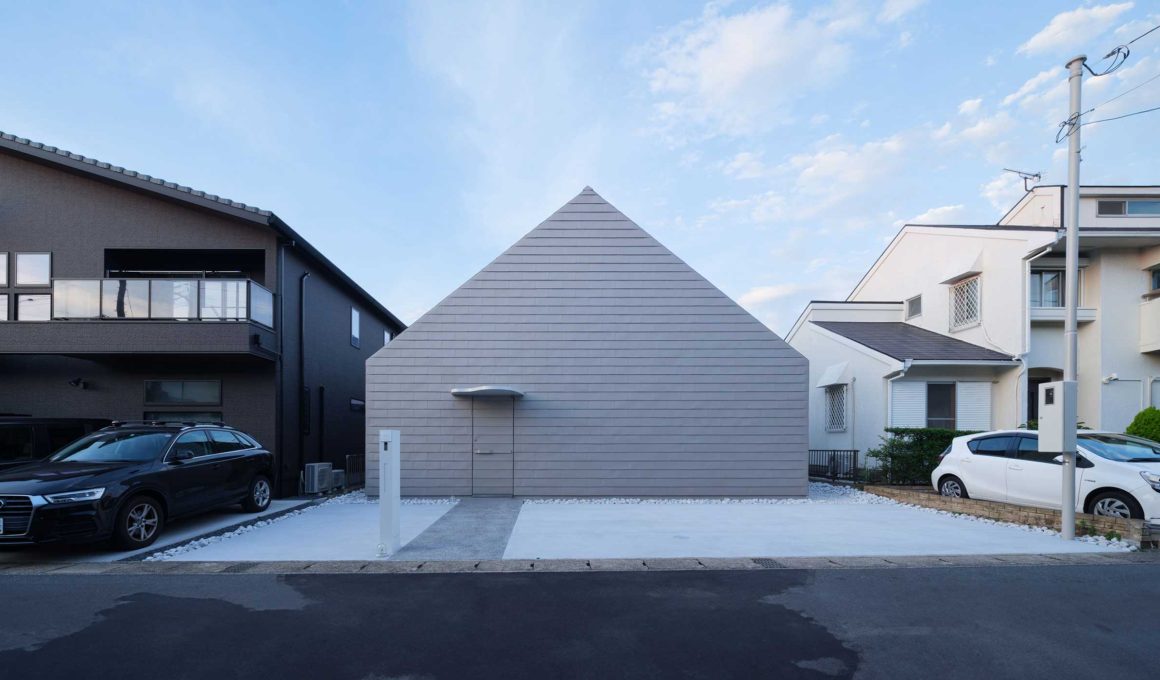
In the heart of Urayasu’s meticulously planned residential area in Japan, MASA Architects have crafted the IEIE House, a dwelling that transcends the conventional notion of a single-family home. More than just a residence, it’s an introspective urban microcosm, a “row of houses” encapsulated within a single, thoughtfully designed structure. The project’s name, “IEIE,” derived from the Japanese for “a row of houses,” aptly reflects this concept.
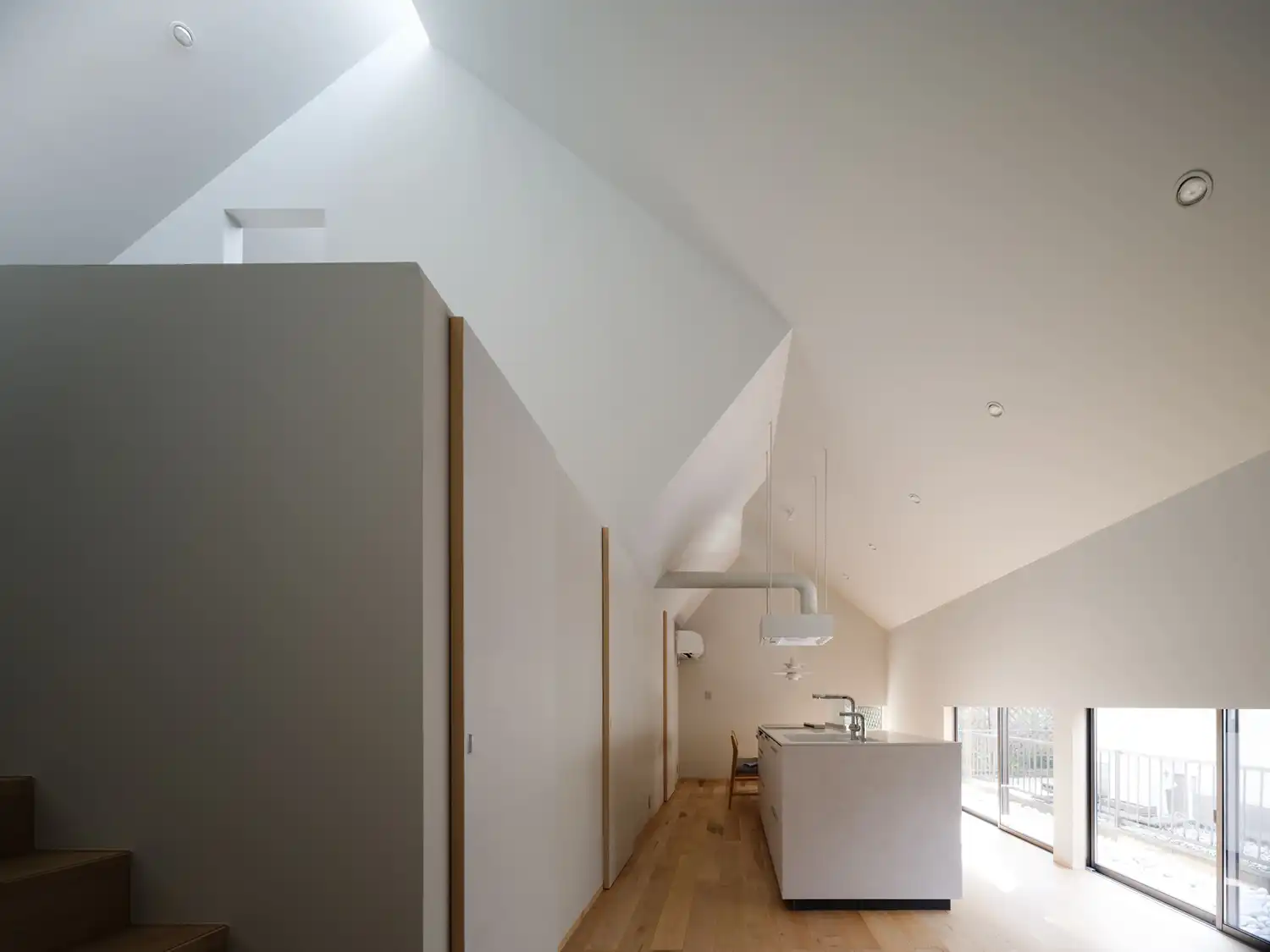
The client, a couple with a passion for music and a need for dedicated spaces for piano lessons and telework, presented MASA Architects with a unique challenge: to integrate these typically external functions within the private sphere of a family home. The architects responded with a design that, rather than attempting to overtly connect with the surrounding neighborhood, instead internalizes the essence of urban life.
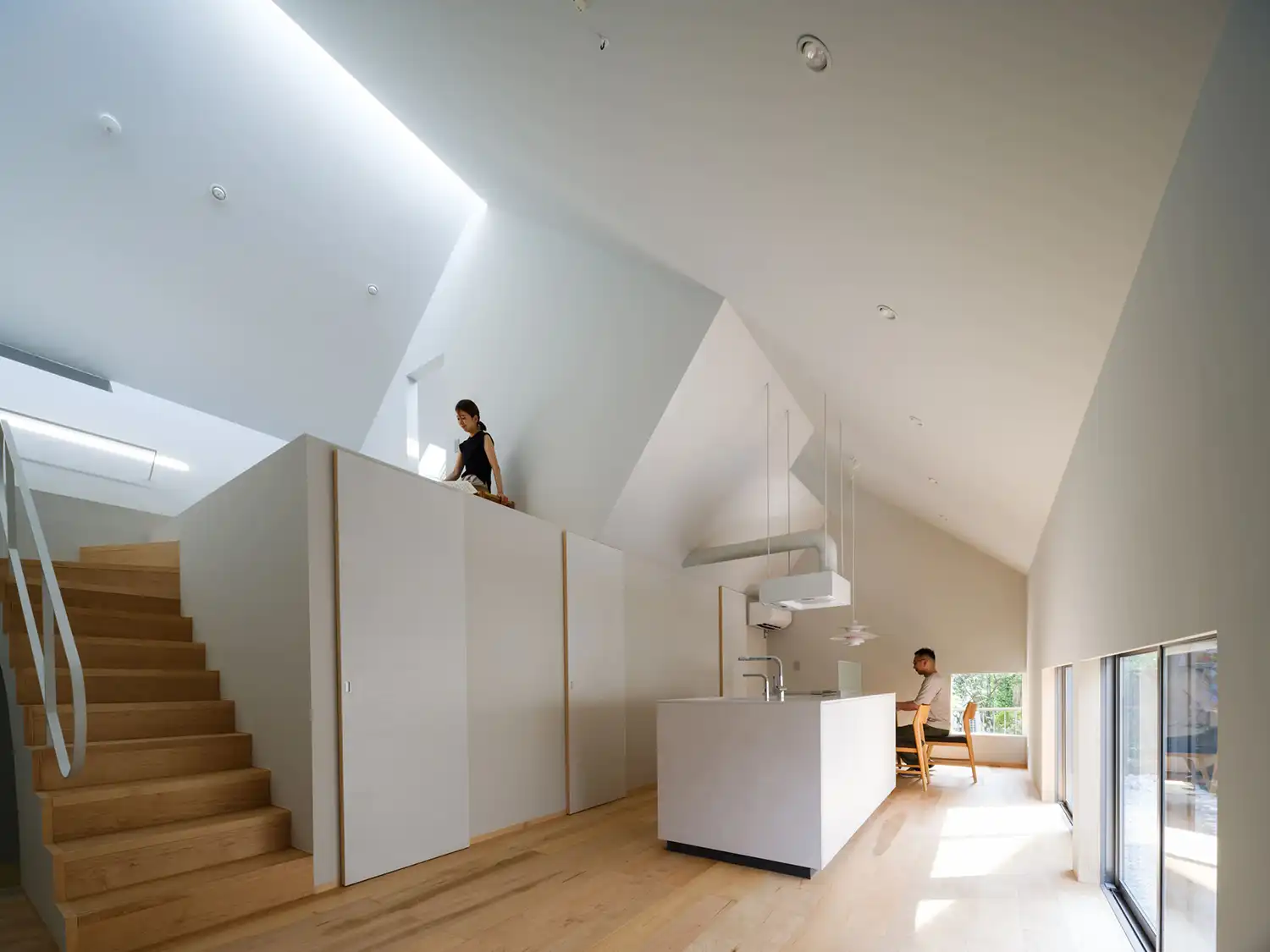
The IEIE House, while closed to the immediate streetscape, evokes the feeling of a town within its walls. MASA Architects achieved this by focusing on the subtle, collective experiences that define urban environments. “In a town, in addition to the shape of the house, the streetscape is created by color and light, balconies, windows, and other elements of buildings,” the studio explains. “Because of their complexity, we do not perceive them individually but only vaguely. We attempted to create such a vague perception of the town as a whole within the IEIE.”
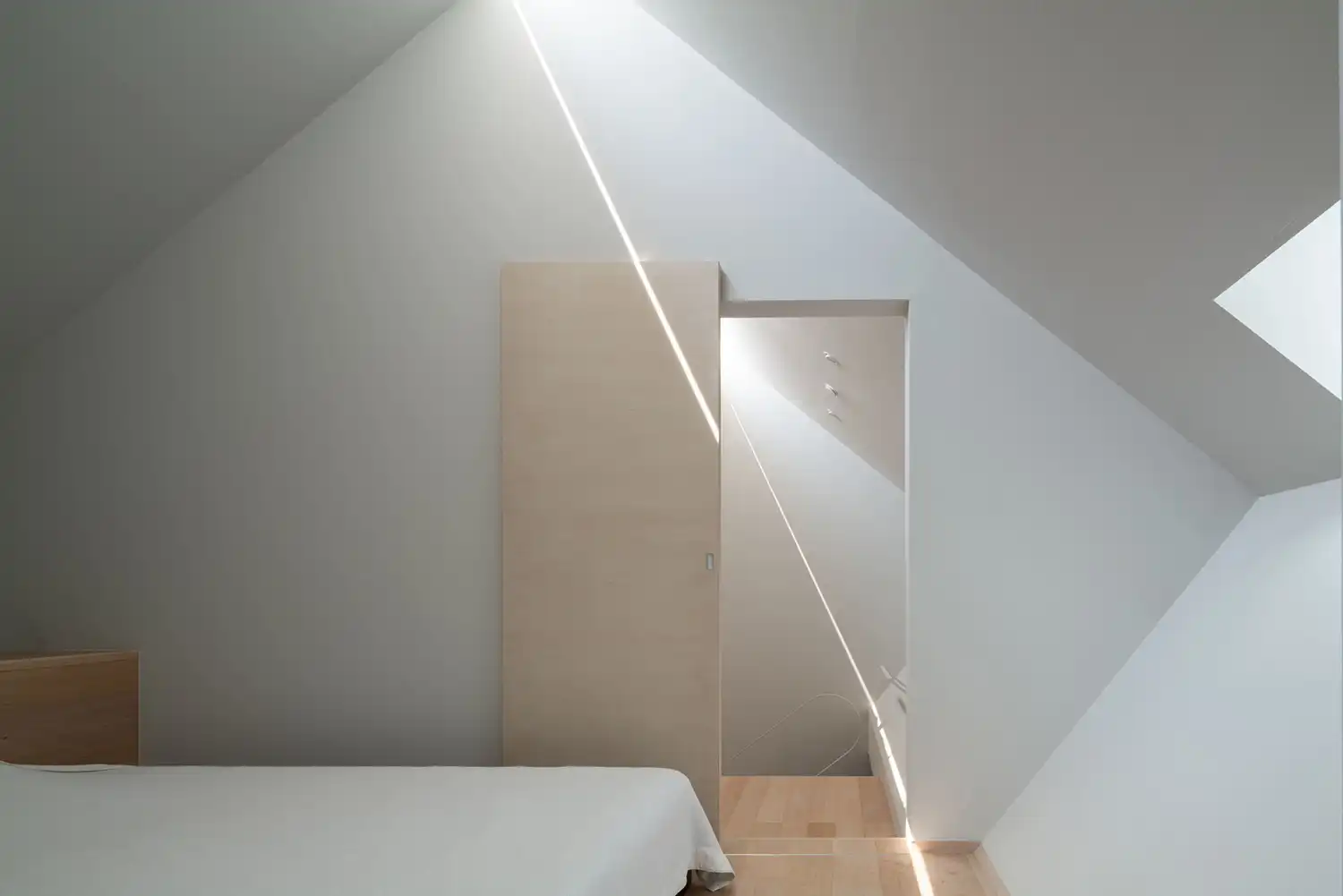
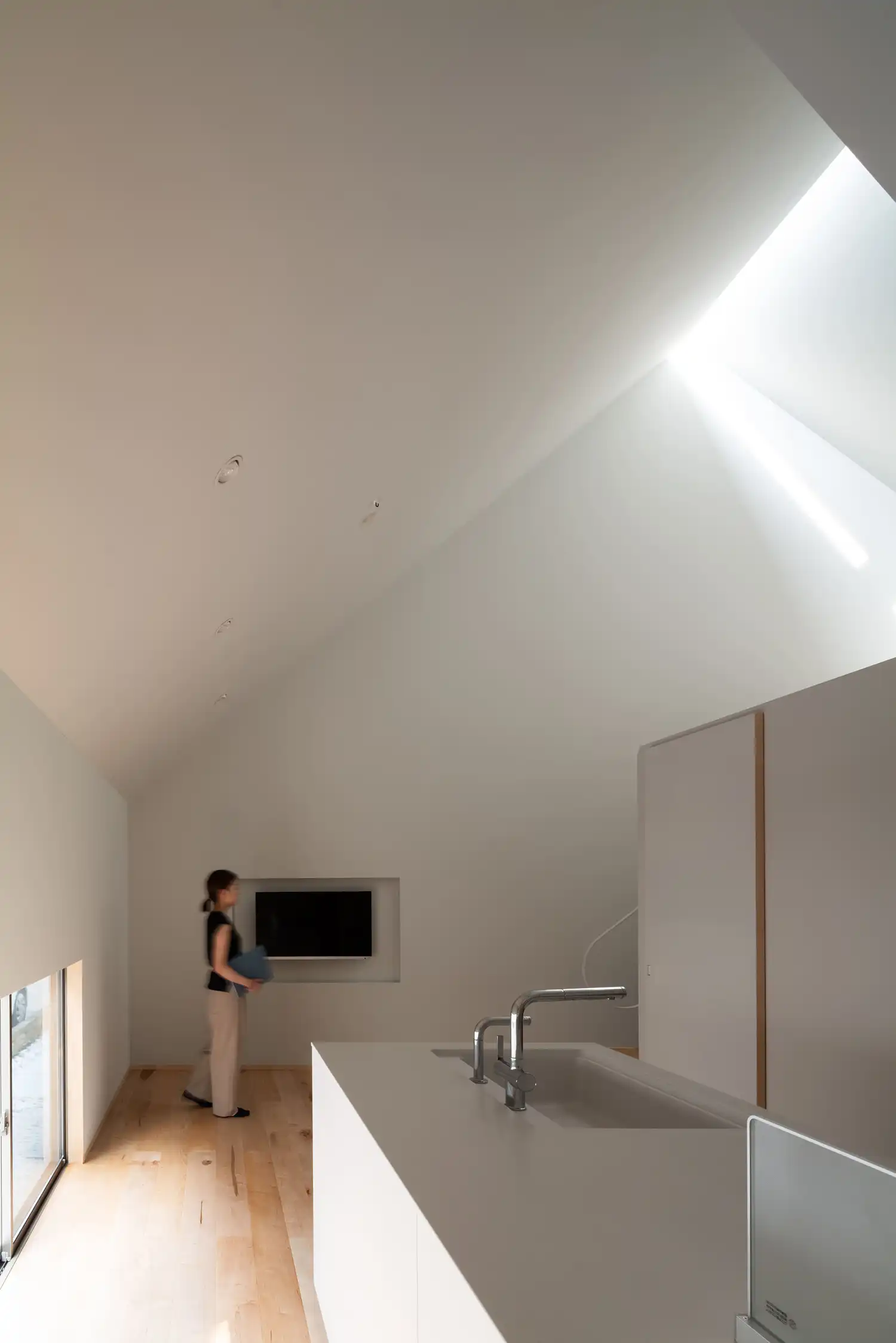
This “vague perception” is realized through the ingenious architectural strategy of composing multiple “house shapes” within the larger house. These internal volumes, articulated with subtle variations in light and line of sight, create a sense of spatial ambiguity, mimicking the layered and often indistinct experience of navigating a city. The result is a home that feels less like a single, unified space and more like a collection of interconnected dwellings, a miniature urban landscape.
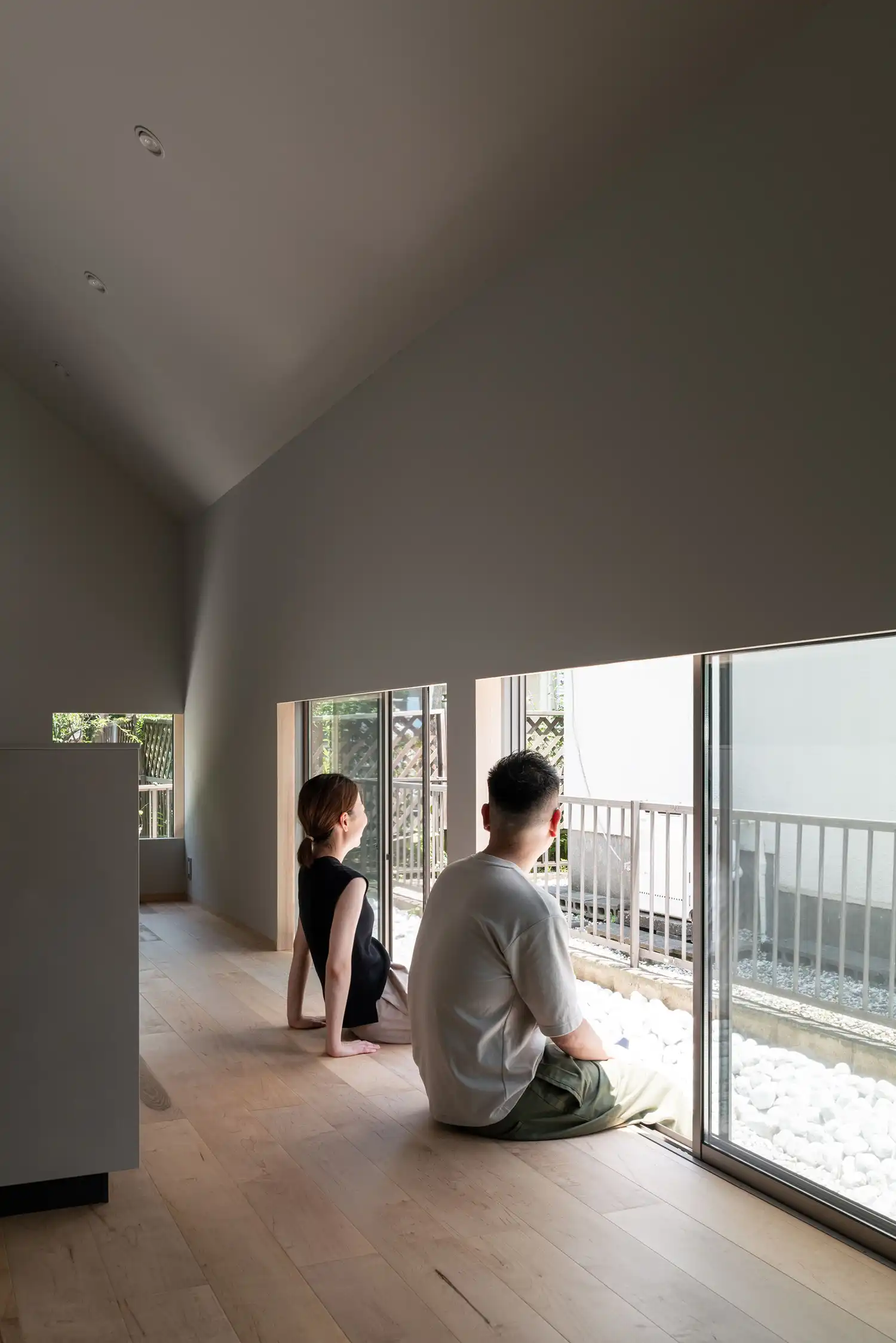
The play of light is crucial to this effect. Large windows and strategically placed openings allow natural light to filter through the internal volumes, creating shifting shadows and highlighting the edges of the internal “houses.” This dynamic interplay of light and shadow, combined with the clear lines of sight that traverse the space, creates a sense of depth and complexity, reinforcing the feeling of living within a miniature town.
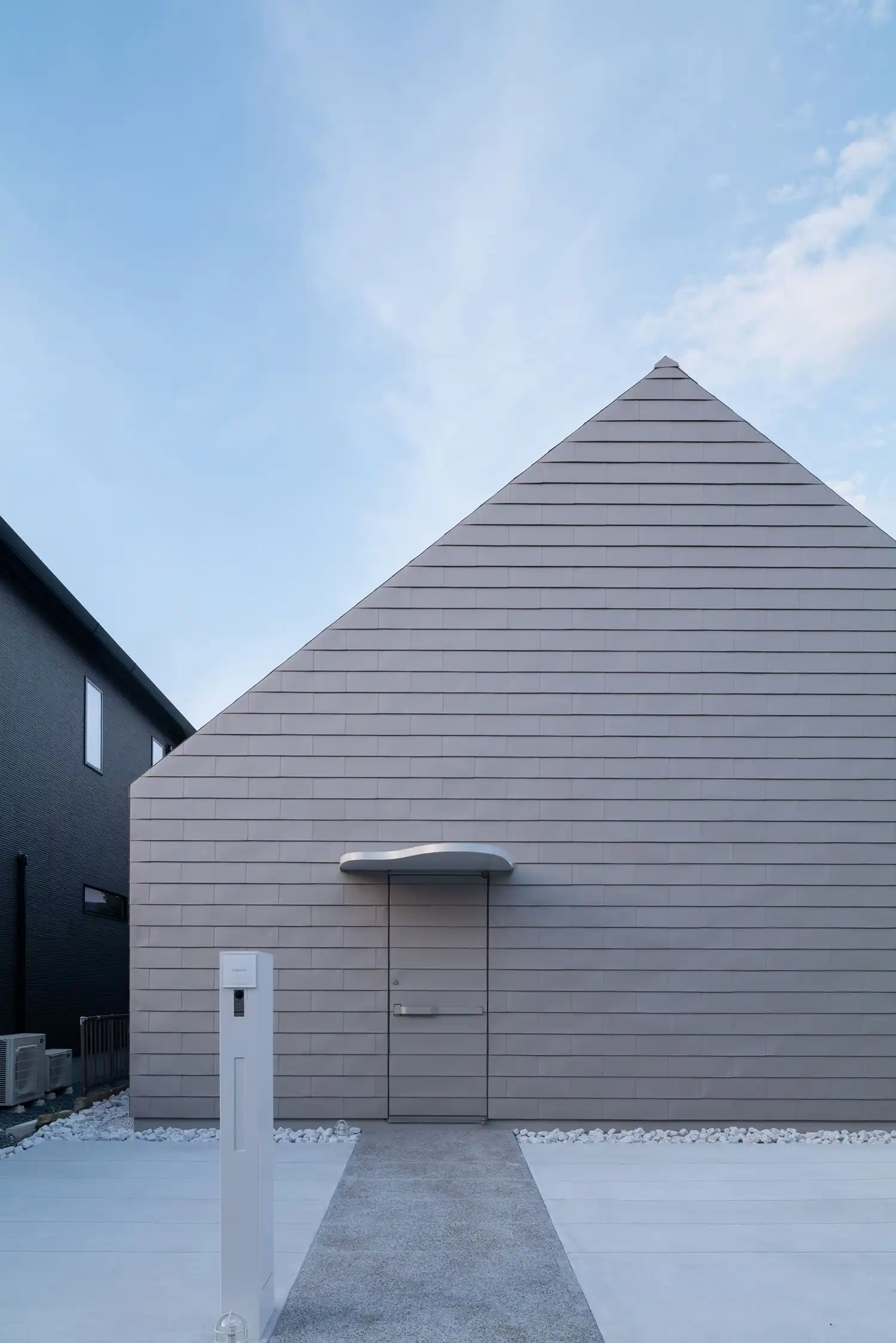
Externally, the IEIE House is clad in horizontal metallic steel sheets. These sheets, reflecting the sky’s changing light, further contribute to the project’s dynamic character, creating an ever-shifting facade that mirrors the fluctuating atmosphere of a city street.
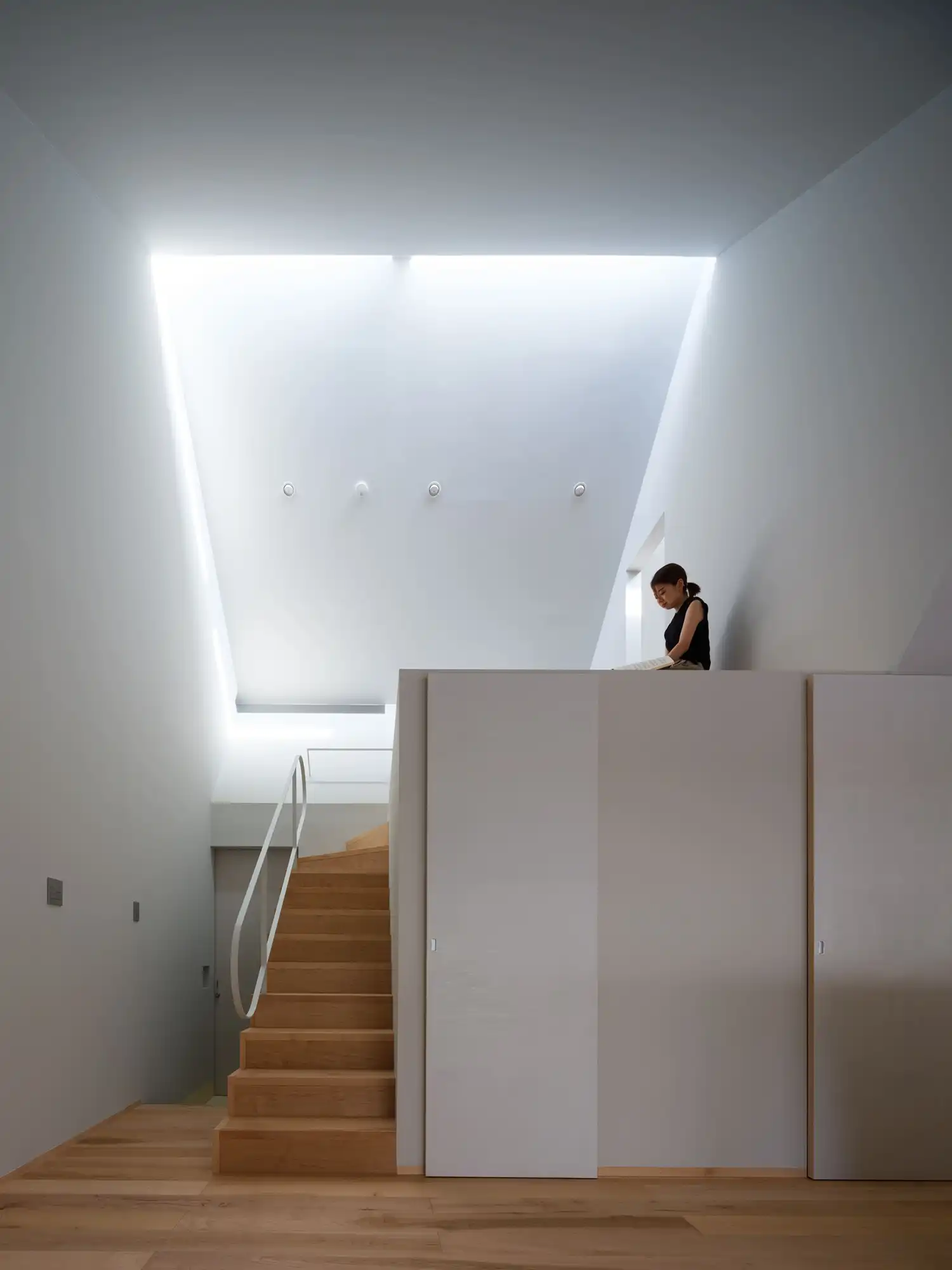
The structural design of the IEIE House is equally innovative. The building is composed of a series of small, house-shaped frames that support the larger, overarching structure. This system, designed to accommodate future changes in the residents’ needs, places structural walls only along the perimeter and the sides of the internal “house shapes.” This strategy ensures a consistent cross-section throughout the building, allowing for flexible adaptation and reconfiguration of the interior spaces.
The first floor plan and cross-section perspectives reveal the intricate layering of spaces and the interplay of volumes that define the IEIE House. These drawings highlight the architects’ commitment to creating a dynamic and adaptable living environment, a space that can evolve with its inhabitants.
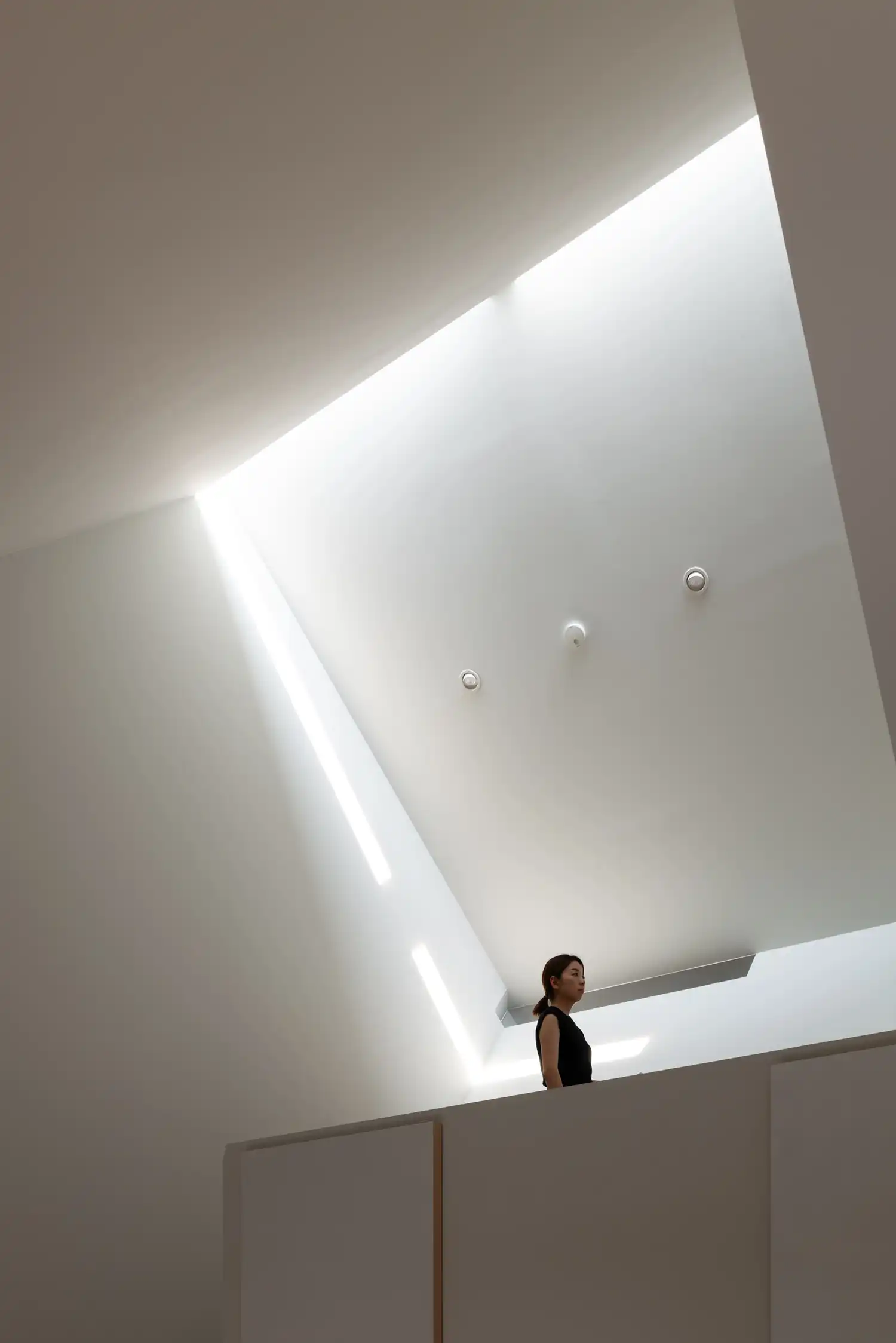
In the IEIE House, MASA Architects have successfully translated the complex and often intangible qualities of urban life into a private residential space. It’s a testament to the power of architecture to create not just buildings, but experiences, and to transform a simple dwelling into a vibrant, introspective urban landscape. Through its innovative design, the IEIE House offers a unique and compelling vision of contemporary living, where the essence of a town is brought within the walls of a home.