



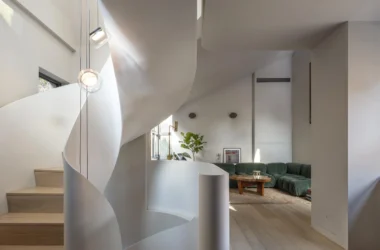
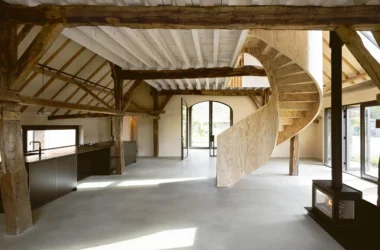

Minimalist architecture is becoming the go-to approach for people who want homes that feel calm, intentional, and built for the long haul. In 2025, the focus on sustainability, rising construction costs, and shifting lifestyles has pushed more homeowners toward designs that do more with less. Simplicity here doesn’t mean bare or boring. It’s about creating spaces that feel uncluttered yet functional, timeless yet personal.
Balancing this vision with financial constraints requires smart planning and a clear understanding of priorities. From understanding how financing impacts your design to making choices that avoid unnecessary complexity, building a minimalist home today is as much about strategy as style.
Planning Budget Early
In the current housing market, building costs are unpredictable, and securing financing has become a crucial part of the planning process. Laying out a budget early helps you define what matters most and keeps you from getting caught in the common trap of overextending midway through construction.
This is also the stage to research mortgage rates and understand how they align with your project timeline. Locking in a favorable rate and planning around expected changes in rates can free up more of your budget for design elements. With this financial clarity, you’ll know exactly how much can go toward high-quality materials or custom touches without compromising your long-term stability.
Avoiding Over-Customization
One of the biggest cost drivers in modern home builds is over-customization. From ultra-specific built-ins to non-standard layouts, every unique feature adds to design, labor, and material costs. Minimalist architecture thrives on flexibility and clean forms, so unnecessary customizations often clutter the space and eat into the budget.
Instead, prioritize features that support your lifestyle now but don’t lock you into a rigid layout. Modular storage, neutral finishes, and adaptable open areas keep the design fresh and functional. In 2025, many architects are focusing on streamlined details that create impact without extra expense.
Choosing the Right Architect
Not every architect understands the difference between minimal and stark. Working with a designer experienced in minimalist projects ensures you get a home that feels warm and inviting rather than sterile. Professionals know how to use natural light, proportion, and texture to make a smaller palette feel expansive and rich.
An experienced architect will also help you balance style with budget by suggesting cost-saving design choices, like structural simplicity or multi-use spaces. In today’s market, this expertise is crucial to avoid expensive reworks or designs that don’t align with financial realities.
Limiting Built-In Fixtures
Minimalist homes are about open, airy spaces, but it’s easy to overcommit to built-in fixtures that limit future flexibility. Custom shelving, large entertainment centers, and fixed cabinetry can make spaces feel heavy and inflate costs.
Consider free-standing furniture or modular systems that allow you to adapt as your needs change. This approach also reduces labor time and expense during construction while keeping your interiors aligned with the minimalist principle of function-first design.
Reducing Material Waste
Material waste during construction harms the environment and also drives up costs unnecessarily. In minimalist builds, every design decision should support efficiency, from accurate measurements to using materials that can serve multiple functions. Builders and architects who specialize in minimalism often incorporate prefabricated or modular components to reduce waste and labor time.
Choosing locally sourced or recycled materials can also support your budget and align with the sustainable mindset many homeowners are adopting in 2025. Simple planning steps like ordering only what’s needed and reusing off-cuts for smaller features keep both your wallet and your environmental impact in check.
Landscaping That Complements Design
Minimalist homes don’t stop at the front door; outdoor spaces should reflect the same clean, intentional aesthetic. Landscaping choices often get overlooked during budgeting, but poorly planned gardens or yards can clash with your home’s design and lead to higher maintenance costs.
Consider native plants, gravel paths, and geometric layouts that enhance simplicity and require less upkeep.
Balancing Open Spaces and Structure
Open floor plans are a hallmark of minimalist architecture, but they come with structural considerations that impact cost. Large spans without supporting walls often require steel beams or other reinforcements, which can increase expenses quickly.
Strategic design choices, like combining open spaces with subtle partitions or using furniture to define areas, maintain the sense of flow while keeping structural requirements (and costs) reasonable. Working with a skilled architect helps you achieve the spacious feeling minimalism promises without hidden construction surprises.
Planning Smart Storage Solutions
Minimalist homes demand thoughtful storage solutions to avoid clutter building up in open spaces. Overbuilding closets and cabinetry can inflate costs and overpower the clean lines of your design, while underbuilding causes frustration later.
Smart solutions like concealed shelving, under-stair storage, or modular wardrobes offer flexibility and keep the aesthetic intact. Prioritizing storage during the design phase ensures your home remains both practical and aligned with minimalist principles.
Keeping Exterior Designs Simple
Exterior details like ornate trim, complex rooflines, or excessive materials can make a minimalist homefeel busy and drive up labor costs. Clean facades, simple roof structures, and a limited palette create visual calm and require less upkeep over time.
Focusing on proportion and texture rather than decorative elements also aligns with minimalistprinciples. Simple designs often stand the test of time better and reduce future repair or renovation needs, helping your budget stretch further in the long run.
Maximizing Multi-Purpose Spaces
Multi-functional rooms make smaller homes feel more spacious while supporting changing lifestyles. A single open area that works as a living room, workspace, and dining area allows you to reduce square footage without sacrificing usability.
Sliding panels, movable partitions, and adaptable furniture pieces can transform spaces as needed. These choices support minimalist living by reducing the need for extra rooms, which helps lower both construction and long-term heating or cooling costs.
Simplifying Floor Plans
Complex layouts require more framing, wiring, and materials, which can push a minimalist home’s costhigher than expected. Simple floor plans with fewer corners and cleaner lines are easier to build and maintain.
Rectangular or square footprints often provide the best balance between form and function. Architects familiar with minimalism can design layouts that feel spacious and connected, even when square footage is limited.
Prioritizing Function Over Extras
Minimalist architecture works best when every design decision is driven by function. Adding decorative features or overly intricate finishes contradicts the philosophy and raises expenses without adding value.
Focus on elements that improve the daily living experience, like natural light, ventilation, and durable materials. This way, you can create a home that feels peaceful and purposeful while staying within financial limits.
Minimalist architecture requires making choices that feel intentional and sustainable. From early financial planning and smart material use to working with professionals who understand the philosophy, achieving satisfying results comes down to clarity and focus. Balancing design dreams with practical budgets creates homes that are timeless, functional, and aligned with your lifestyle for years to come.