





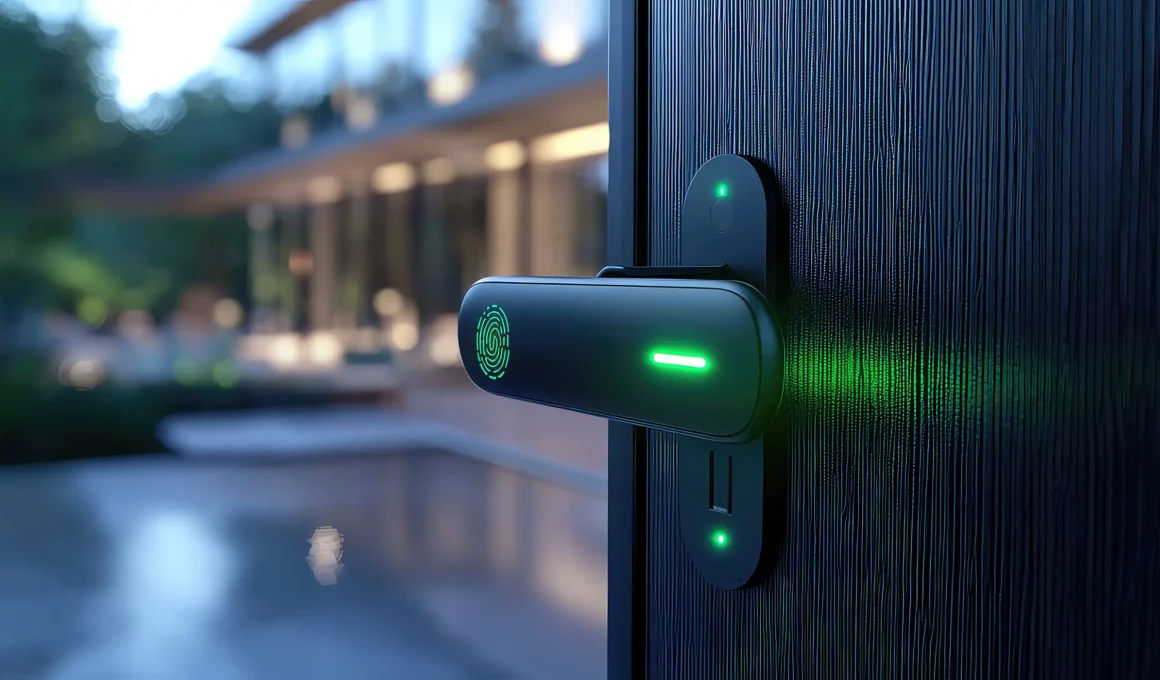
The locksmith profession, one of humanity’s oldest trades dating back over 4,000 years, is experiencing its most dramatic transformation in centuries. Today’s locksmiths are no longer just craftsmen working with metal and mechanical components – they’re becoming technology specialists, cybersecurity experts, and smart home integration professionals. This evolution represents a fascinating intersection where ancient craftsmanship meets cutting-edge digital innovation.
As we progress through 2024, the locksmith industry is redefining itself to meet the demands of an increasingly connected world. From traditional lock picking to programming smart access systems, modern locksmiths are embracing technology while preserving the essential skills that have defined their trade for millennia.
The Evolution of Locksmith Services: Beyond Traditional Lock and Key
From Mechanical Mastery to Digital Expertise
The traditional image of a locksmith – a skilled craftsman with a toolbox full of picks, files, and key blanks – is rapidly expanding to include laptops, programming devices, and diagnostic equipment. Today’s locksmith professionals must master both worlds: the time-tested mechanical systems and the sophisticated digital technologies that are reshaping security.
Modern locksmith services now encompass:
-
Smart Lock Installation and Programming: Setting up IoT-enabled security systems
-
Digital Key Management: Creating and managing electronic access credentials
-
Cybersecurity Consultation: Advising on digital security vulnerabilities
-
System Integration: Connecting locks with broader home automation networks
-
Troubleshooting Digital Systems: Diagnosing and repairing electronic lock malfunctions
-
Traditional Services: Maintaining expertise in conventional lock mechanisms
The Hybrid Approach: Combining Old and New
What makes the current locksmith evolution particularly interesting is that it’s not replacing traditional skills – it’s augmenting them. The most successful locksmiths today are those who can seamlessly transition between picking a 100-year-old mortise lock and programming a biometric access system.
This hybrid approach ensures that locksmiths remain relevant across all security scenarios, from historic buildings with antique hardware to cutting-edge smart homes with fully integrated security ecosystems.
Essential Skills for the Modern Locksmith Professional
Traditional Craftsmanship Skills That Remain Vital
Despite technological advances, fundamental locksmith skills remain irreplaceable. These core competencies form the foundation upon which modern expertise is built:
Mechanical Skills:
-
Lock picking and manipulation techniques
-
Key cutting and duplication
-
Understanding of pin tumbler, wafer, and disc detainer systems
-
Safe opening and combination work
-
Hardware installation and repair
-
Metal working and fabrication
Problem-Solving Abilities:
-
Analytical thinking for complex security challenges
-
Improvisation skills for unique situations
-
Attention to detail in precision work
-
Customer service and communication skills
New Technology Skills Reshaping the Profession
The digital revolution has introduced entirely new skill sets that modern locksmiths must master:
-
Electronic System Programming: Understanding microprocessors and software interfaces
-
Network Configuration: Setting up Wi-Fi and Bluetooth connections for smart locks
-
Mobile App Integration: Connecting physical hardware with smartphone applications
-
Diagnostic Software Usage: Using specialized tools to troubleshoot electronic systems
-
Cybersecurity Awareness: Understanding digital vulnerabilities and protection methods
-
Continuous Learning: Staying updated with rapidly evolving technology standards
The Smart Lock Service Revolution
Installation Challenges and Solutions
Installing smart locks presents unique challenges that traditional locksmith training never addressed. Modern professionals must consider factors like:
Technical Requirements:
-
Door compatibility and structural modifications
-
Power supply and battery backup systems
-
Network connectivity and signal strength
-
Integration with existing security systems
-
User training and ongoing support
Common Installation Scenarios:
-
Retrofitting historic buildings with modern security
-
Upgrading apartment complexes to keyless entry
-
Installing commercial access control systems
-
Integrating locks with home automation platforms
-
Emergency repairs on malfunctioning smart systems
Troubleshooting Digital Lock Systems
When smart locks malfunction, the diagnostic process requires a completely different approach than traditional lock repair. Modern locksmiths must be able to:
-
Identify whether issues are hardware or software-related
-
Use diagnostic tools to read error codes and system logs
-
Update firmware and reconfigure settings
-
Test network connectivity and signal strength
-
Coordinate with manufacturers for warranty and support issues
Training and Certification in the Digital Age
Educational Evolution for Locksmith Professionals
The locksmith education system is rapidly adapting to include technology training alongside traditional apprenticeships:
Modern Training Programs Include:
-
Electronics and basic electrical systems
-
Computer networking fundamentals
-
Smart home technology overview
-
Cybersecurity basics for physical security
-
Manufacturer-specific certification programs
-
Ongoing education requirements for new technologies
Certification and Specialization Opportunities
As the field becomes more complex, specialization is becoming increasingly valuable:
• Smart Home Integration Specialist: Focus on residential automation systems
• Commercial Access Control Expert: Specializing in large-scale electronic systems
• Automotive Technology Specialist: Working with advanced car security systems
• Safe and Vault Technician: Combining traditional and electronic safe systems
• Forensic Locksmith: Investigating security breaches and system failures
Business Model Transformation
Service Diversification and Revenue Streams
Modern locksmith businesses are expanding their service offerings to remain competitive and meet evolving customer needs:
Traditional Services Enhanced:
• Emergency lockout assistance with smart lock expertise
• Key duplication including electronic key programming
• Lock repair covering both mechanical and digital systems
• Security consultations incorporating cyber threats
New Revenue Opportunities:
• Smart home security system design and installation
• Ongoing maintenance contracts for electronic systems
• Training services for property managers and businesses
• Cybersecurity auditing for physical access points
• Integration services connecting multiple smart home platforms
Customer Expectations and Service Delivery
Today’s customers expect locksmith services to be as technologically sophisticated as the locks they’re installing. This includes:
-
Online scheduling and service tracking
-
Digital payment processing
-
Remote diagnostic capabilities
• 24/7 technical support for smart systems
• Comprehensive warranties covering both hardware and software issues
Challenges Facing Modern Locksmiths
Keeping Pace with Rapid Technological Change
The speed of technological advancement presents ongoing challenges for locksmith professionals:
Technology Challenges:
-
Investment in new diagnostic and programming equipment
-
Staying current with multiple manufacturer platforms
-
Managing inventory for both traditional and smart lock components
-
Balancing traditional skills with new technology demands
Competition from DIY Solutions and Tech Companies
The locksmith industry faces new competitive pressures from technology companies and DIY installation options:
-
Manufacturer direct-to-consumer sales and support
-
Online tutorials and DIY installation guides
-
Tech company service networks
-
Big box retailer installation services
-
Subscription-based security service providers
The Future of Locksmith Services
Emerging Technologies and Opportunities
Several emerging technologies will continue to reshape the locksmith profession:
Next-Generation Technologies:
-
Artificial intelligence in security systems
-
Blockchain-based access credentials
-
Biometric authentication advancement
-
Internet of Things ecosystem expansion
-
Augmented reality diagnostic tools
Professional Adaptation Strategies
Successful locksmiths are positioning themselves for the future by:
-
Developing partnerships with technology manufacturers
-
Investing in continuous education and certification
-
Building expertise in emerging security technologies
-
Focusing on high-value services that require professional expertise
-
Creating comprehensive service packages that combine traditional and modern solutions
Embracing the Evolution
The locksmith profession stands at a fascinating crossroads where ancient craftsmanship meets modern innovation. Rather than being displaced by technology, skilled locksmiths are finding new opportunities to apply their problem-solving abilities and security expertise in increasingly sophisticated ways.
The most successful professionals in this evolving field are those who embrace both the traditional foundations of their craft and the exciting possibilities that new technologies present. They understand that while the tools and techniques may change, the fundamental mission remains the same: helping people secure what matters most to them.
As we look toward the future, the locksmith profession will continue to evolve, but its core value proposition – trusted expertise in security solutions – remains more relevant than ever. The digital revolution hasn’t eliminated the need for skilled locksmith professionals; it has simply expanded the definition of what it means to be a master of security.
For consumers and businesses alike, this evolution means access to more sophisticated, reliable, and comprehensive security solutions than ever before. The modern locksmith represents the perfect fusion of time-tested craftsmanship and cutting-edge technology, ensuring that our increasingly connected world remains secure and accessible.